


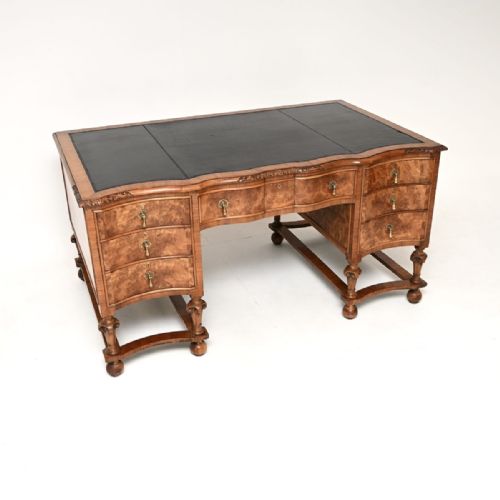
Victorian Walnut Pedestal Table
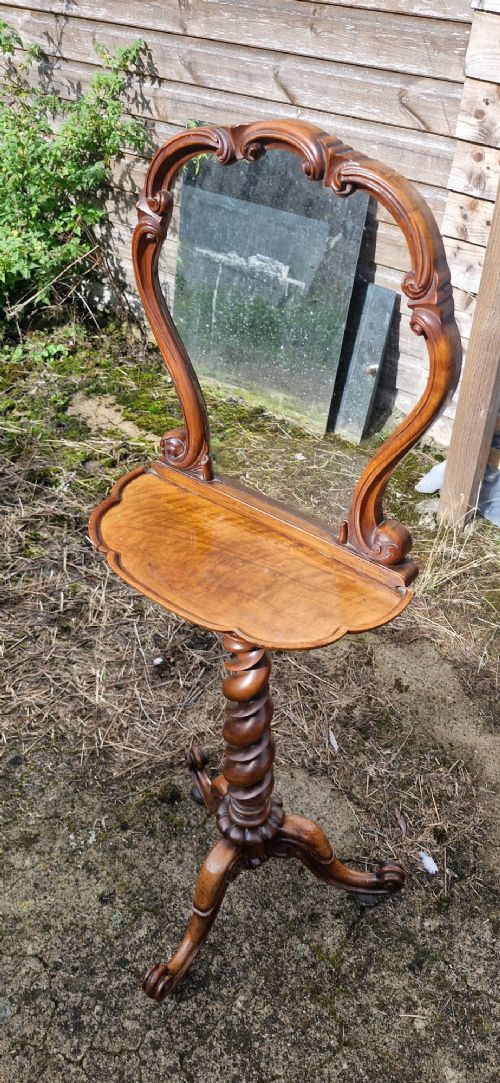
When you search for a victorian walnut pedestal table, you are looking at substantial nineteenth-century timber pieces designed to anchor a room.
Victorian Walnut Pedestal Table
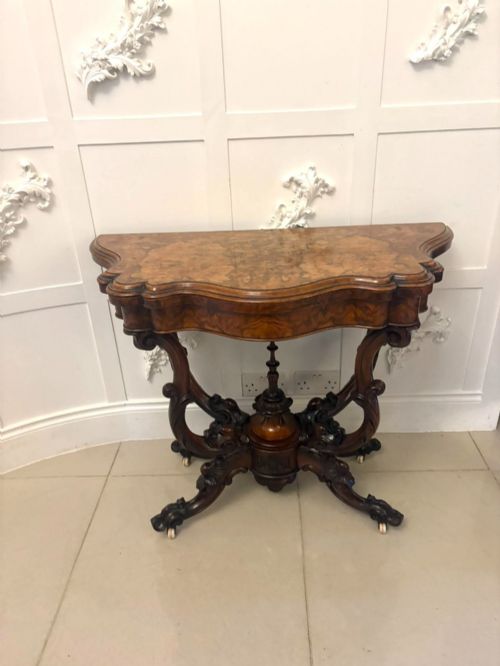
The search phrase covers a wide selection of nineteenth-century furniture built around a central column or twin supports, with the Victorian period providing the vast majority of surviving examples. Buyers encounter everything from compact wine and occasional tables to large card tables, loo tables, and partner desks.
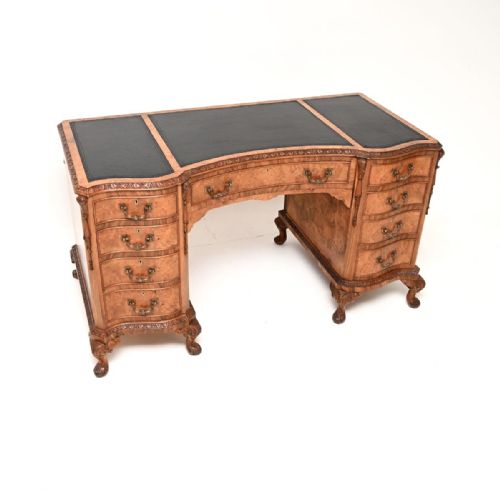
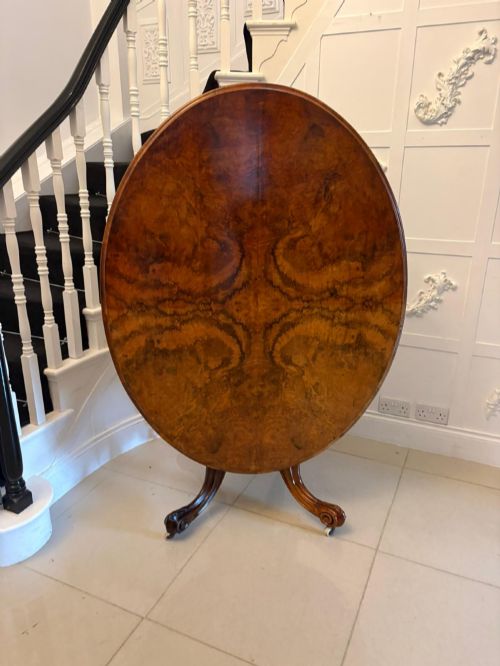
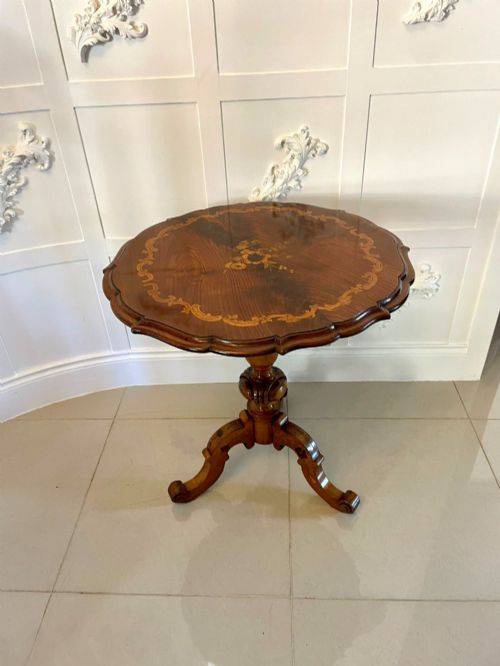
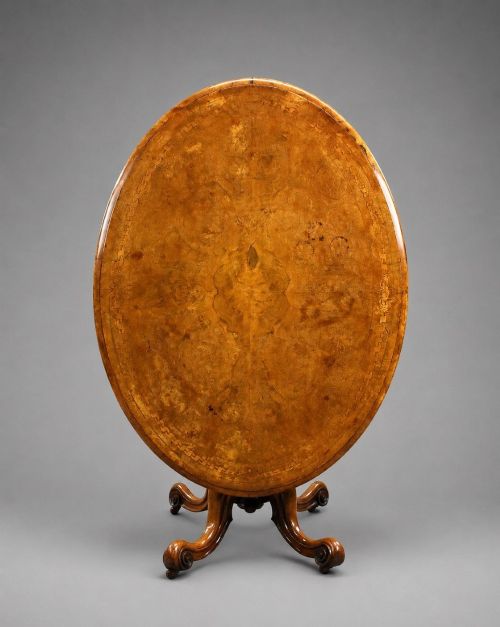
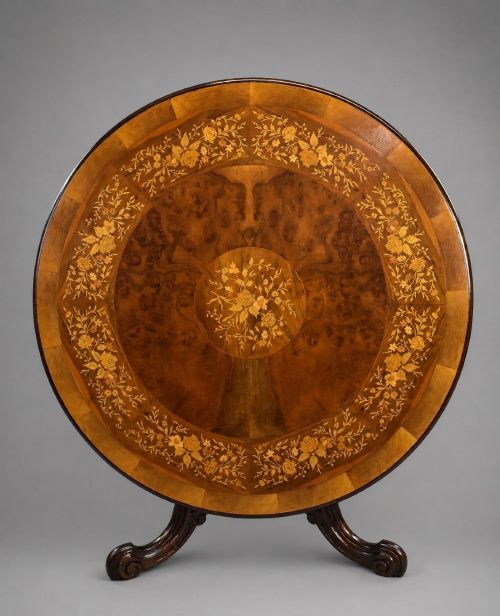
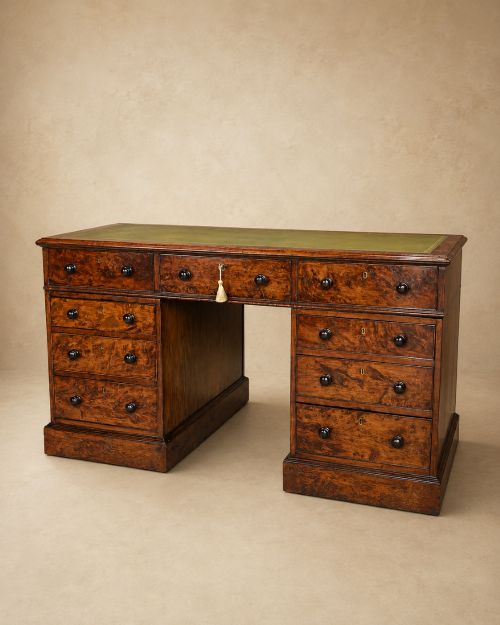
Circular and oval centre tables feature prominently alongside tilt-top breakfast tables and writing desks. Walnut and burr walnut dominate the forms, often enriched with boxwood inlay, marquetry, or fitted leather writing surfaces.
Originating largely from English workshops of the mid-to-late nineteenth century, these pieces range from simple tripod lamp tables to grand pedestal dining tables seating six.
Materials and construction
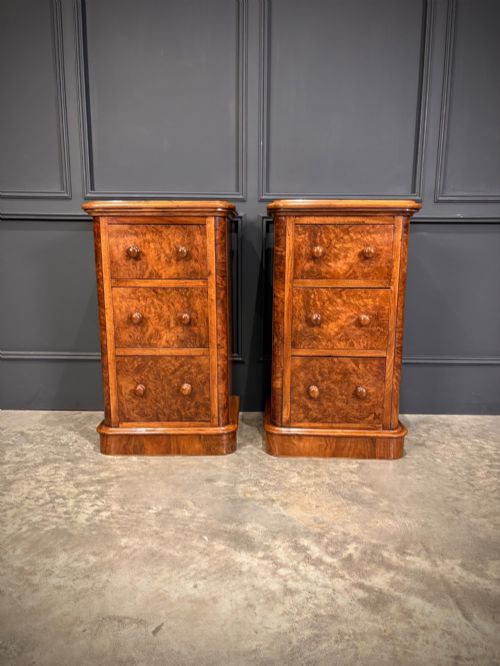
Cabinet makers utilised solid walnut for structural framing and applied finely figured burr walnut veneers to tabletops and drawer fronts to create striking grain patterns. Boxwood and contrasting timbers were carefully inlaid into the surfaces for geometric and floral motifs.
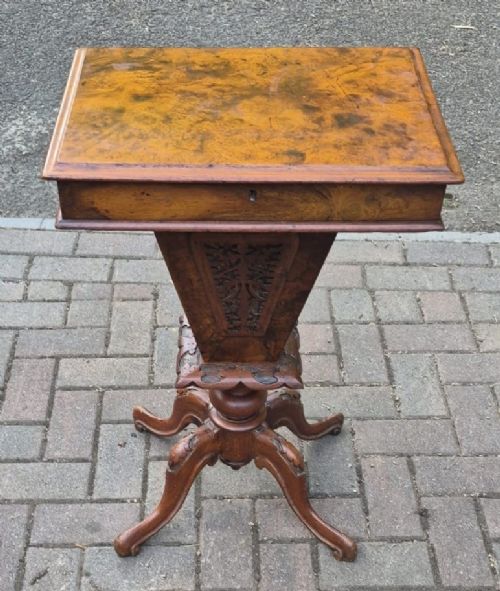
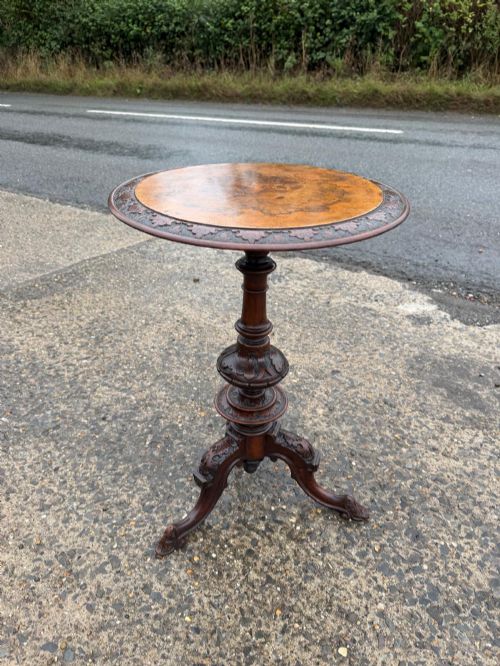
Pedestal bases frequently incorporate heavy carved walnut columns supported by tripod or quadrapod feet, sometimes fitted with castors. Secondary timbers such as oak and mahogany appear in internal drawer framing and structural supports.
Secret compartments in Victorian sewing tables once hid small wooden spools and ivory bobbins.
Assessing craftsmanship
The distinction between ordinary and exceptional pieces lies in the choice of veneer and the precision of the joinery. Superior examples display densely figured burr walnut with seamless matching across the top, while lesser pieces rely on plain timber or show hurried veneer laying.
Carved details on the pedestal base and feet indicate the skill of the original workshop. Crisp, deep hand-carving elevates a piece far above standard machine-tooled or simplified moulding found in later reproductions.
Maple and Co·Heals and Son London·Shoolbred
The Victorian Walnut Pedestal Table Glossary
- Burr walnut
- A veneer sliced from the knotty growth of a walnut tree, prized for its swirling, highly decorative grain patterns.
- Tilt-top
- A hinged tabletop mechanism allowing the surface to fold vertical when not in use, saving floor space.
- Marquetry
- The art of applying decorative pieces of veneer to a structure to form intricate pictorial designs or patterns.
- Loo table
- A large Victorian card and conversation table, circular or oval, designed for the nineteenth-century card game of loo.
- Quadrapod
- A four-legged pedestal base providing substantial stability for large dining and breakfast tables.
Victorian Walnut Pedestal Table: Frequently Asked Questions
What is a tilt-top table used for?
Tilt-top tables served as versatile furniture that could be pushed against a perimeter wall when the room needed to be cleared for entertaining.
In daily Victorian life, the mechanism allowed the polished walnut surface to remain protected from dust and damage when the piece was inactive.
How do I identify burr walnut?
Burr walnut is immediately recognisable by its dense, swirling patterns filled with small dark eyes and intricate knots. This distinctive appearance comes from excrescences on the tree rather than straight grain timber.
Cabinet makers reserved these highly decorative veneers for the primary visual surfaces of finer tables and desks.
Were these tables used for dining?
Large circular and oval pedestal tables frequently served as breakfast or dining tables in Victorian homes, often accommodating up to six people. Their central pillar construction offered the practical advantage of avoiding corner legs that could obstruct seating.
Smaller variants were strictly intended for lamps, sewing, or social card games rather than family meals.
What distinguishes a centre table?
Centre tables were finished equally on all sides because they stood freely in the middle of a room rather than against a wall. They acted as visual focal points for displaying books, lamps, or decorative objects.
Many feature elaborate marquetry or inlaid borders designed to be appreciated from any angle in the apartment.