

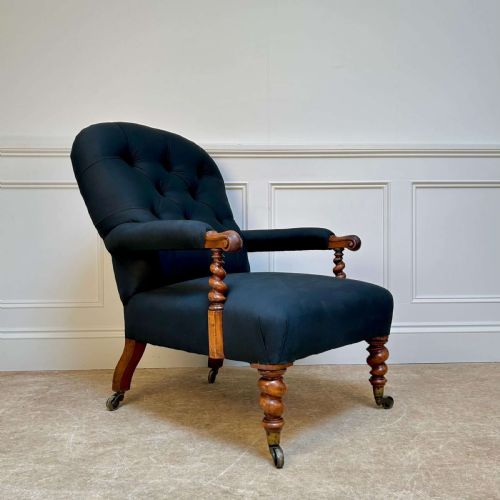
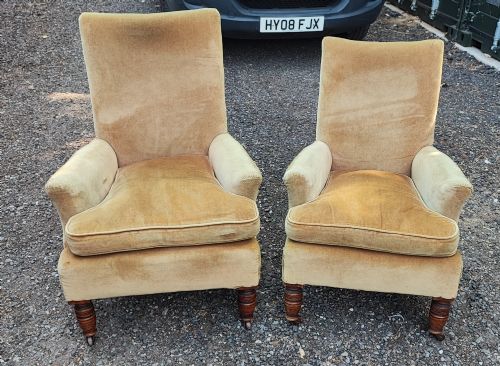
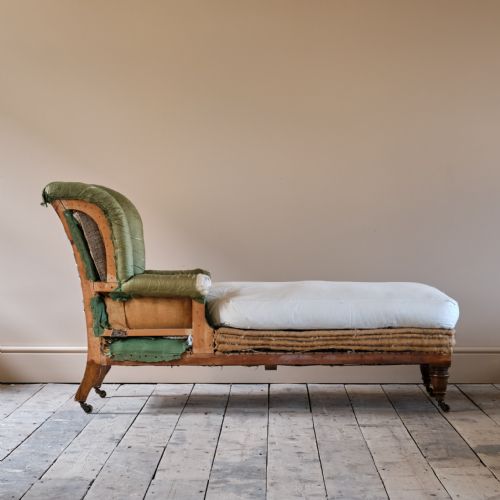
Victorian Walnut Lounge Chair
A victorian walnut lounge chair brings deep timber frames and sprung comfort together, offering a solid seat built for relaxed sitting in any room.
Victorian Walnut Lounge Chair
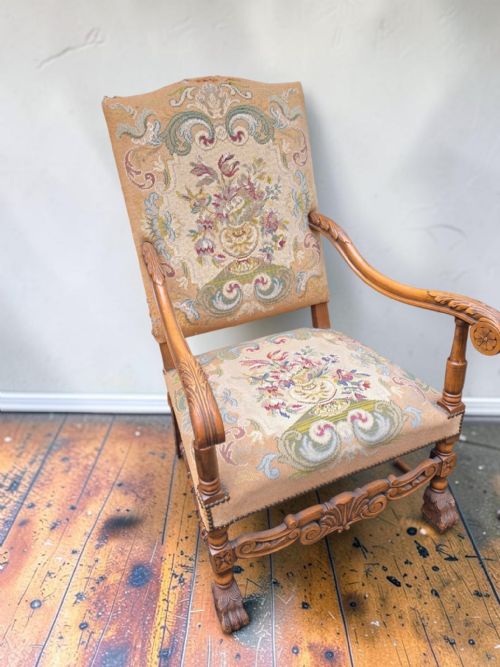
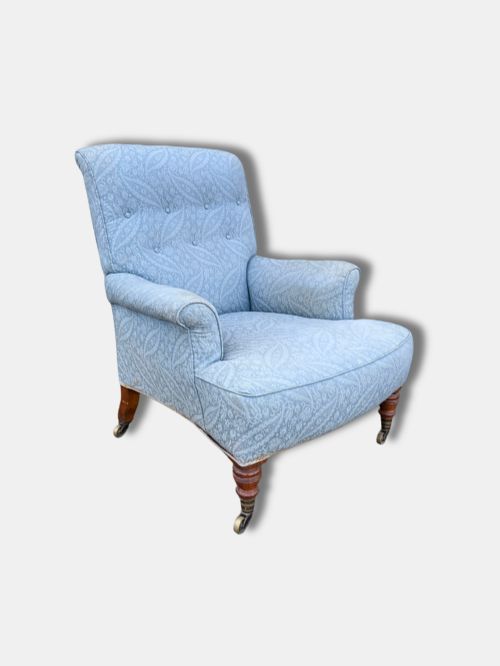
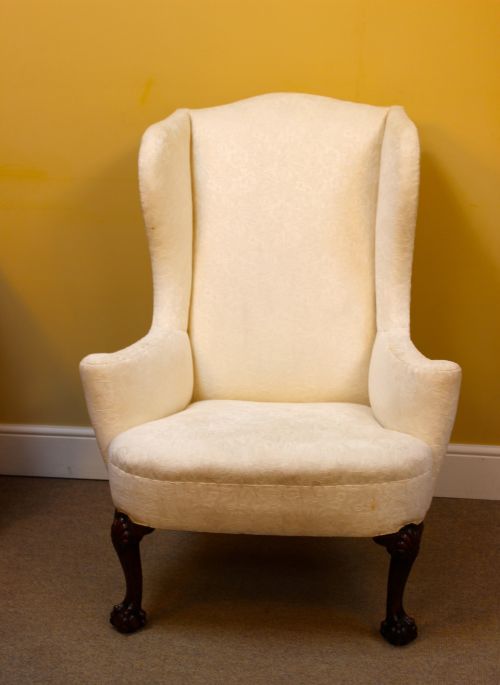
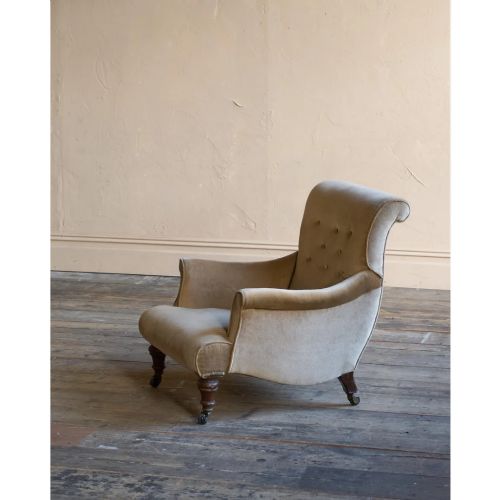
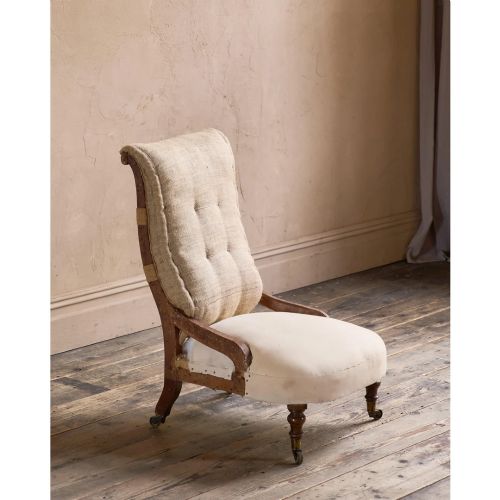
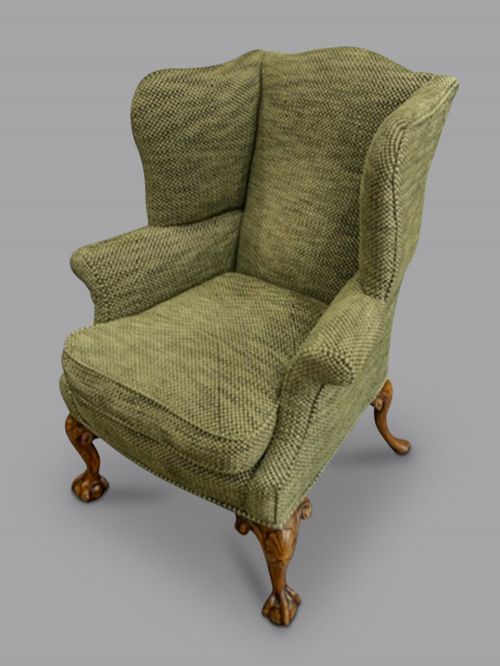
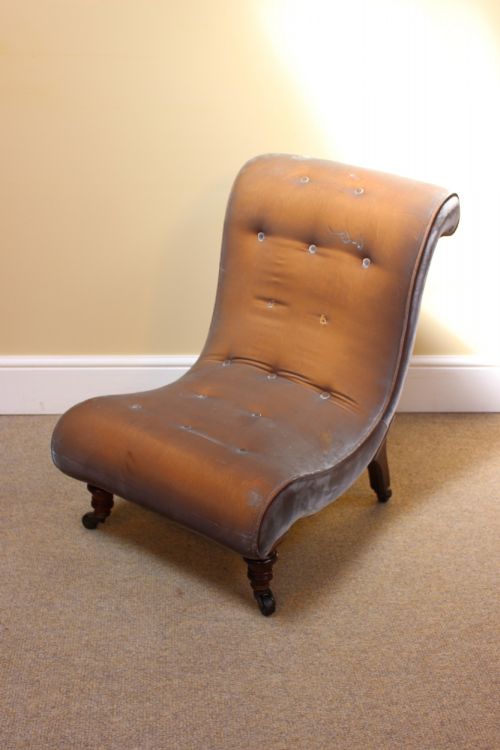
A victorian walnut lounge chair encompasses a range of comfortable seating built from the middle of the nineteenth century through to the early decades of the twentieth. These pieces appear in forms such as open armchairs, wing chairs, slipper chairs, and low club styles designed for ease. Makers utilised rich timber alongside various upholstered finishes to create seats suited to domestic parlours and country houses.
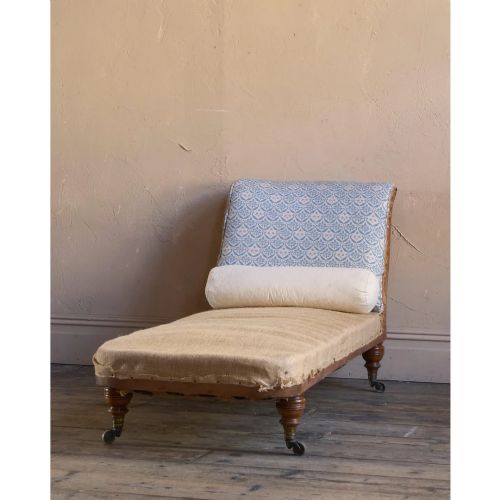
The selections recorded here span periods from the eighteen-fifties to nineteen-twenty, drawing on styles including English country house, Queen Anne revival, French rococo, and the aesthetic movement. Alongside standard armchairs, related forms like chaise longues, daybeds, and nursing chairs share the same walnut construction and upholstered character. Buyers meet both single chairs and matched pairs ready for interior settings.
Materials and construction
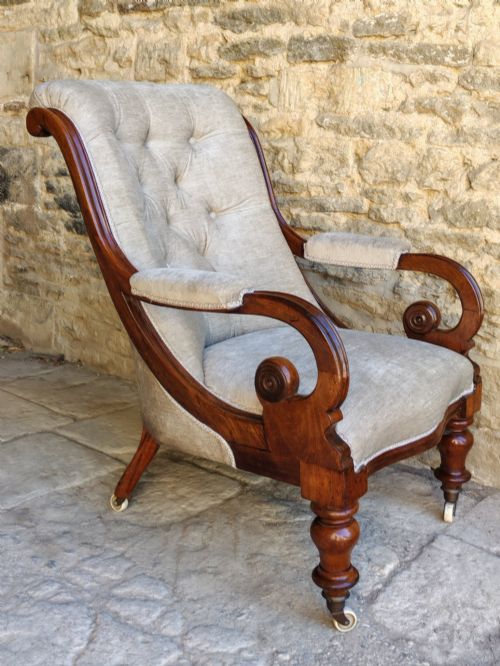
Frames are constructed from solid walnut, selected for its stable grain and deep natural colour, then shaped with carved details or smooth scroll backs. Timber components provide the structural skeleton that supports the weight and movement of daily use.
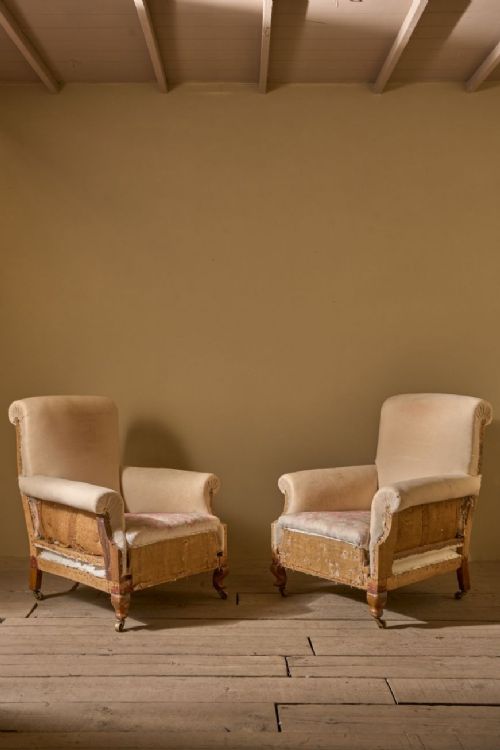
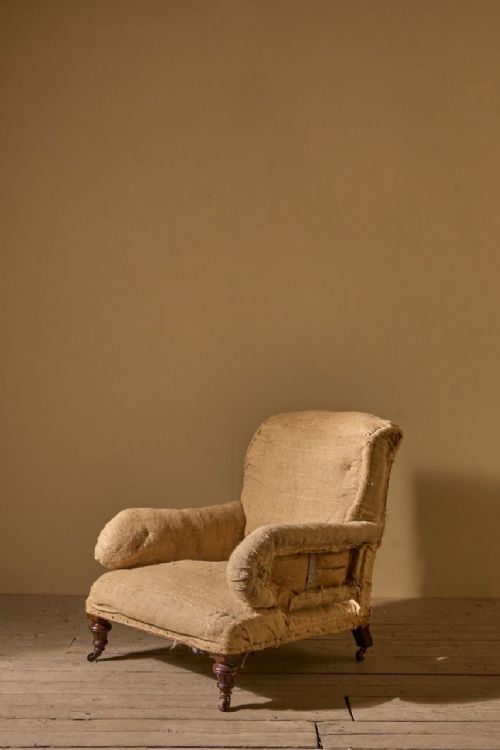
Upholstery relies on traditional stuffing layered over hessian webbing and internal springs, finished with fabrics such as velvet, wool tapestry, crewelwork, calico, or leather. Brass tacks and textile trims often secure the outer covering to the wooden frame.
Listings feature walnut frames paired with traditional textiles including velvet, crewelwork, and leather across nineteenth-century periods.
Distinctions in quality
The standard of carving and timber selection sets examples apart, where crisp mouldings and well-figured grain indicate superior cabinet work. Frames that retain their original structural integrity without excessive timber shrinkage or replacement parts hold greater integrity.
The execution of the upholstery build, from the resilience of the internal spring suspension to the neatness of hand-stitched borders and fabric matching, dictates the finish. Pieces retaining maker stamps or stamps on the castors or frame legs demonstrate documented provenance.
Howard and Sons·Hindley and Sons·Holland and Sons·Shoolbred
The Victorian Walnut Lounge Chair Glossary
- Walnut
- A hard timber prized for its rich dark brown tone and ability to take sharp carved details. It serves as the primary structural frame material across these seats.
- Hessian
- A coarse woven fabric made from jute plant fibres used as the foundational layer beneath upholstery stuffing. It provides a tight base to support internal springs and hair filling.
- Wing chair
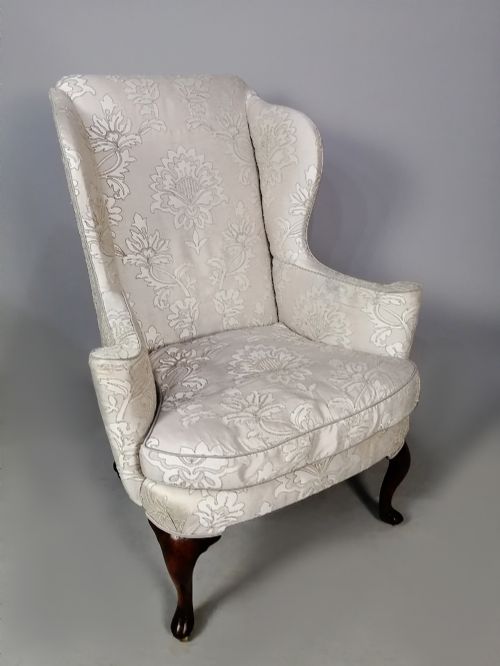
- An armchair featuring protective side panels attached to the backrest designed to shield the occupant from draughts. This form appears frequently in nineteenth-century country house settings.
- Chaise longue
- An elongated upholstered seat intended for reclining, combining elements of a chair and a daybed. These pieces share the walnut frames and aesthetic styles of standard armchairs.
- Slipper chair
- A low-seated upholstered chair originally designed for bedrooms to assist with putting on footwear. They typically feature short legs and a supportive padded back.
Victorian Walnut Lounge Chair: Frequently Asked Questions
How do I identify a true period frame?
Examine the construction joints and the underside of the walnut frame for traditional hand-cut joinery methods and age-appropriate timber patina. Period pieces display subtle tool marks and structural wear consistent with nineteenth-century cabinet making.
Check for maker stamps or stamps on the castors and webbing where applicable, as reputable workshops often marked their finished frames. Comparing the carved details against documented regional styles helps confirm the era of manufacture.
What styles are common in these chairs?
Common styles include English country house designs, Queen Anne revivals with distinct wing backs, and French rococo or Louis XV revivals featuring curved walnut frames. Aesthetic movement influences also appear through simpler linear forms and tailored upholstery.
These diverse styles reflect the changing domestic tastes across the Victorian and Edwardian periods, accommodating both formal reception rooms and relaxed private chambers.
How were these lounge chairs used originally?
These seats served as comfortable resting places in parlours, libraries, and bedrooms, offering relaxed seating for reading or social conversation. Low lounge chairs and slipper chairs were tailored for dressing rooms and private sitting spaces.
Larger club armchairs and daybeds provided substantial comfort for country house drawing rooms, accommodating extended periods of rest and leisure.
Can I use modern fabrics for re-upholstery?
Modern textiles work well for re-upholstering provided the weight and texture suit the traditional sprung frame construction. Selecting fabrics like heavy velvet, wool, or tight wovens ensures the piece retains its structural proportion and period character.
Preserving traditional stuffing methods during any reupholstery process maintains the correct seating height and firmness intended by the original maker.