
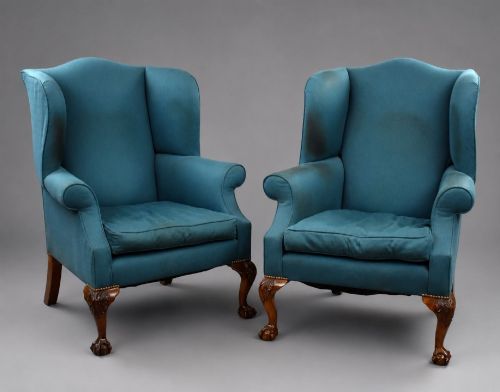
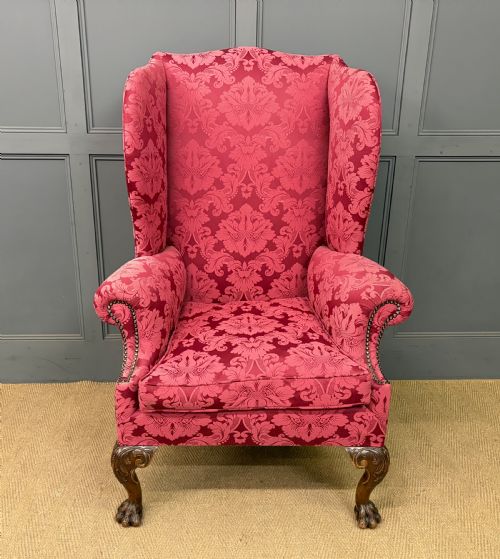


Queen Anne Easy Chair
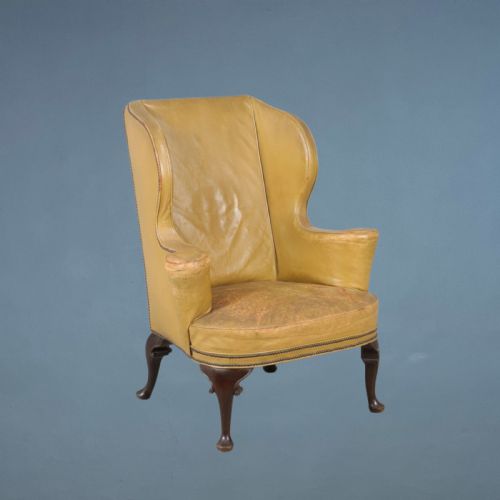
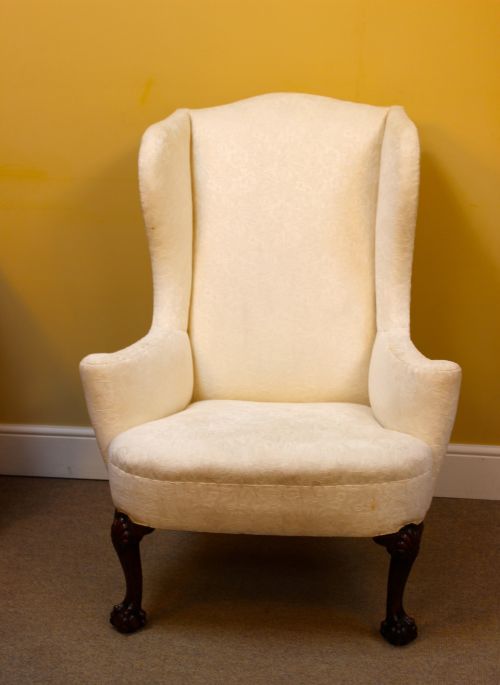
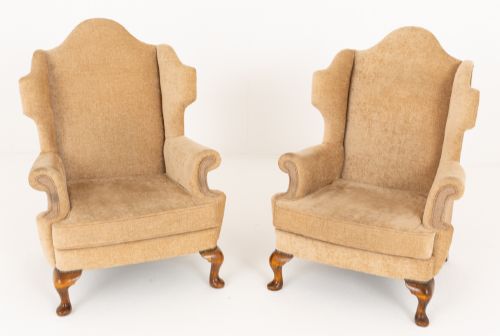
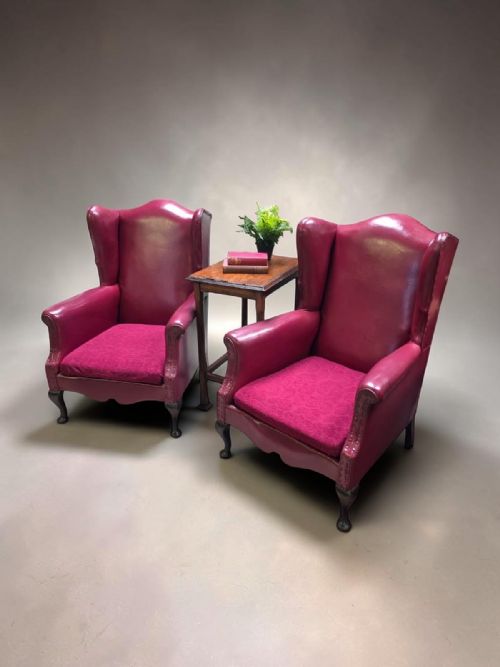
A queen anne easy chair offers deep upholstery and high side wings to keep the fire-side heat.
Queen Anne Easy Chair
A queen anne easy chair is primarily represented on this page by wing armchairs and fireside armchairs designed for comfort. These seating forms span genuine 18th century examples alongside later revivals from the Victorian, Edwardian, and 1920s periods.
The buyer will find pieces framed in walnut and mahogany, often upholstered in various textiles, fabrics, and damask. Styles range from original Queen Anne and early Georgian forms to Victorian, late Victorian, and Georgian revival interpretations.
Materials and construction
Cabinet makers constructed the foundational frames using timber such as walnut and mahogany, shaping supports that often included brass accents where appropriate. These woods provided the structural strength necessary for deep-seated armchair designs.
Upholstery completed the piece, utilising textiles, fabrics, and damask to cover the padding and enclose the high wings. Skilled hands secured these materials over internal webbing and stuffing to achieve the characteristic silhouette.
The wings were originally engineered to trap the heat of a coal fire and keep your ears pleasantly warm on a drafty evening.
Assessing quality and proportion
The integrity of the timber frame and the crispness of the revival style dictate the upper tier of these armchairs. Original 18th century examples demonstrate superior joinery compared to later 19th or 20th century interpretations.
Proportion and the handling of the wings define the visual balance of the seating. Finer examples maintain harmonious lines between the upholstered body and the exposed wooden elements.
The Queen Anne Easy Chair Glossary
- Wing armchair
- An upholstered chair with high side panels designed to shield the sitter from drafts. These wings are characteristic of fireside seating from the 18th century onwards.
- Damask
- A reversible figured fabric traditionally woven on a jacquard loom. It frequently appears as the outer upholstery material on period and revival seating.
- Walnut
- A dense hardwood utilised extensively for furniture frames during the 18th century and later revival periods. Its grain provides a rich visual texture to exposed legs and framework.
- Georgian revival
- A design movement recreating the architectural and decorative styles of the 18th century. Pieces in this manner appear frequently among early 20th century listings.
Queen Anne Easy Chair: Frequently Asked Questions
Are these chairs comfortable for daily use?
The deep upholstery and high backrest provide substantial physical support for reading or resting near a hearth.
Modern users often find their generous proportions well-suited for relaxation in a contemporary living space.
How do I spot an 18th century original?
Original pieces display period-specific joinery techniques and timber ageing consistent with eighteenth-century cabinet making.
Revival pieces from the Victorian era and the 1920s typically exhibit machine-cut elements and standardised framing methods.
Can I reupholster a vintage frame?
Many frames survive in a condition that permits stripping back old fabric for complete textile replacement.
Upholsterers can refresh the internal webbing and padding while preserving the underlying wooden structure.