

Victorian Walnut Library Chair
A victorian walnut library chair brings domestic comfort and fine timber work together, offering solid support for reading rooms and studies.
Victorian Walnut Library Chair
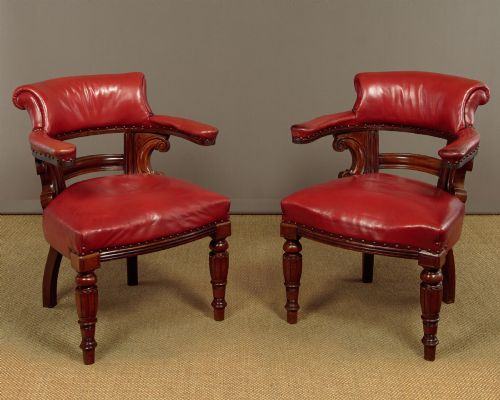
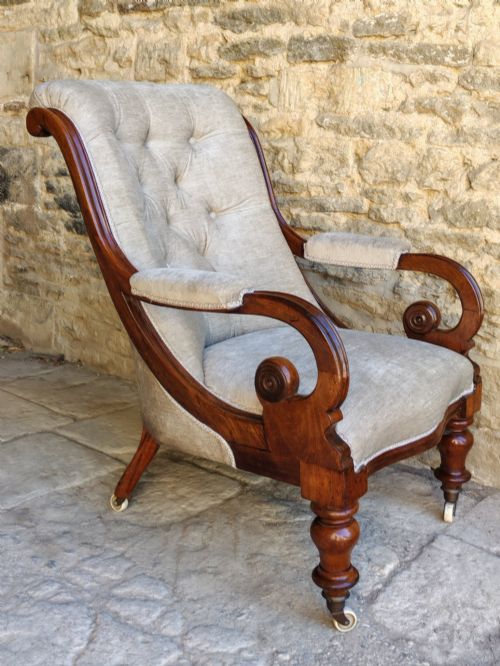
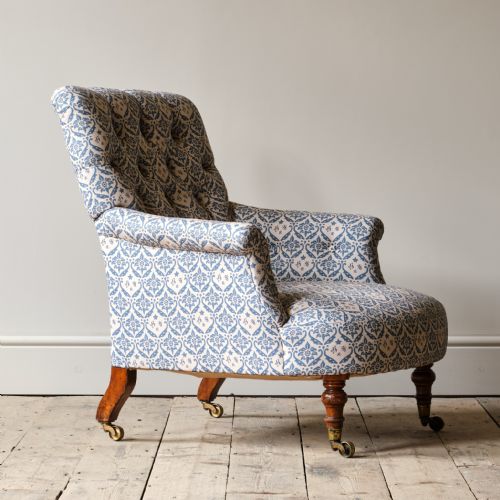
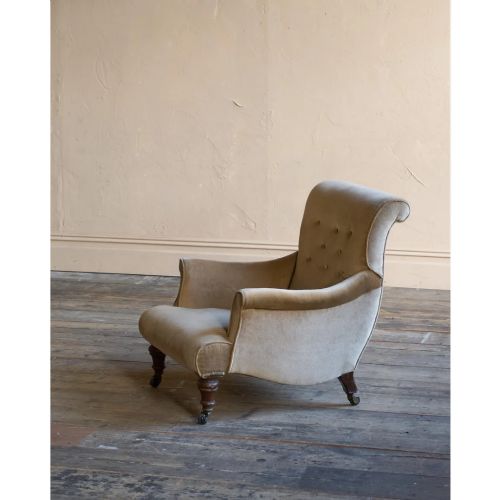
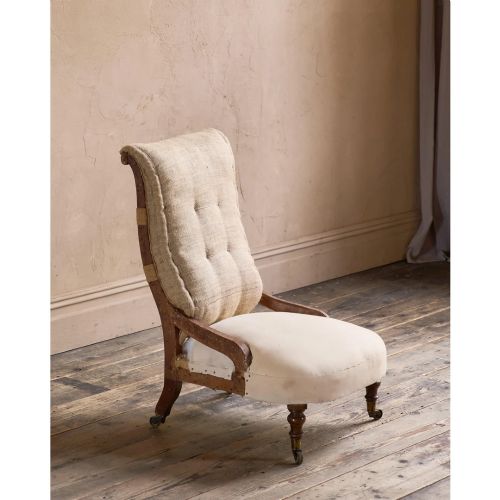
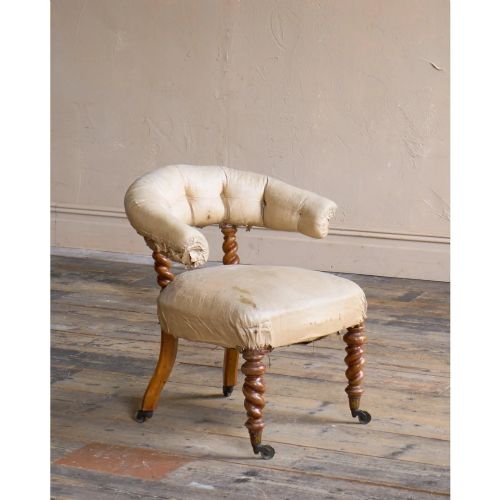
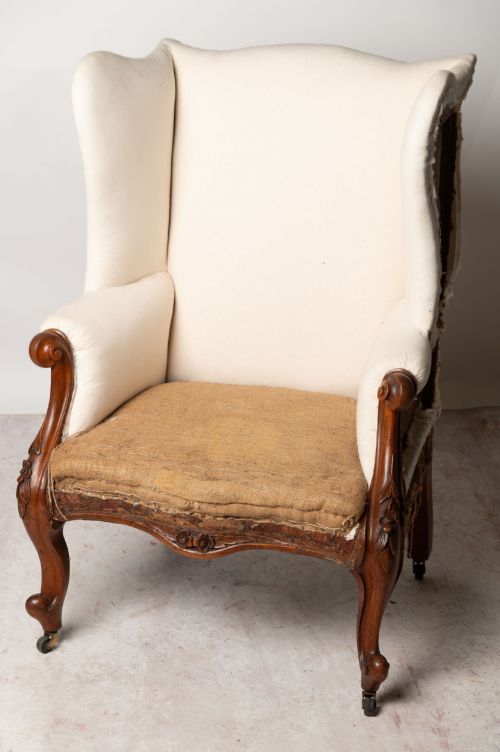
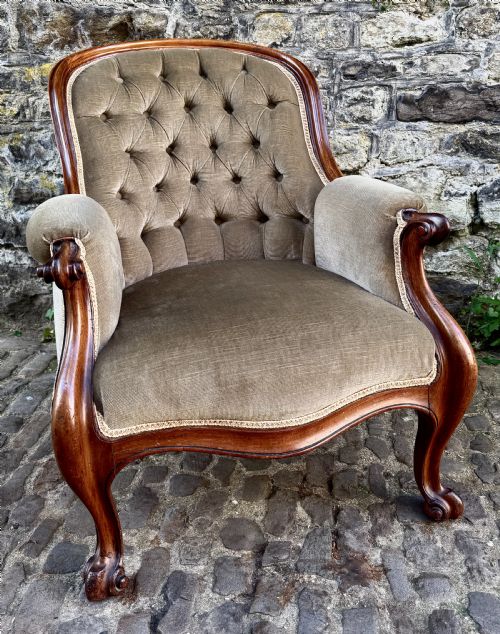
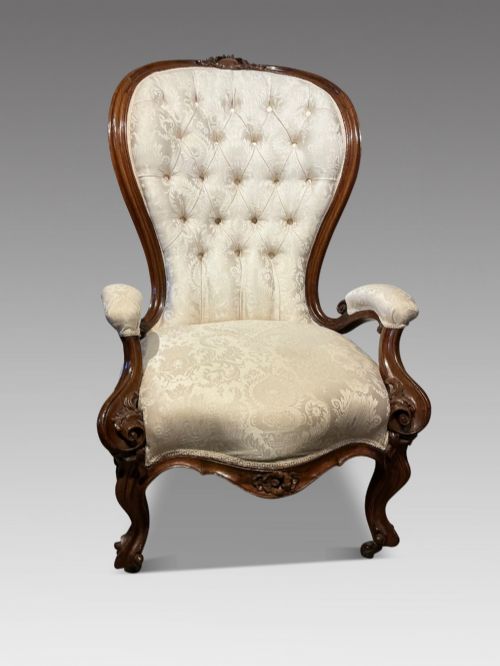
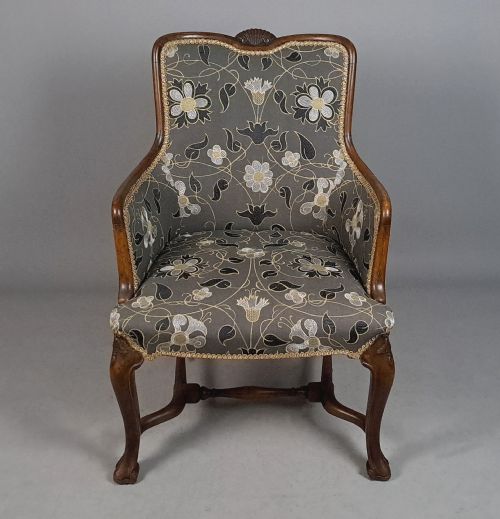
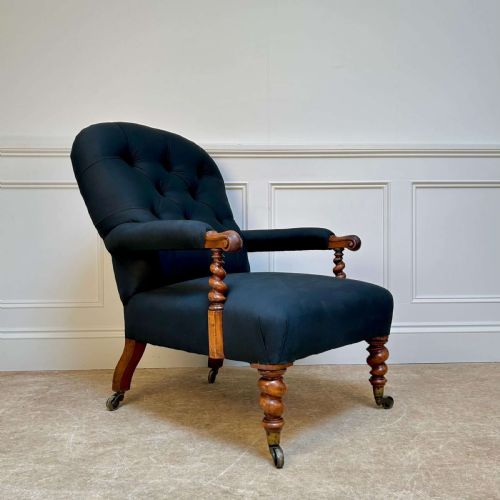
A victorian walnut library chair combines the rich grain of walnut timber with sturdy upholstered seating designed for studies, libraries, and parlours. These seats appear in various forms, from open armchairs to button-backed easy chairs and revolving desk seats.
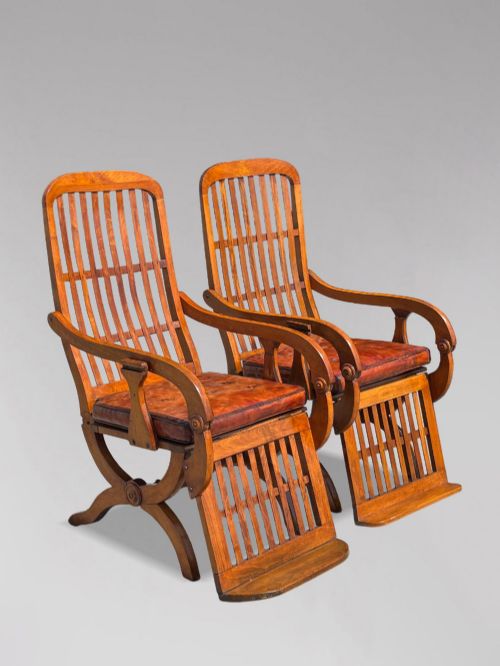
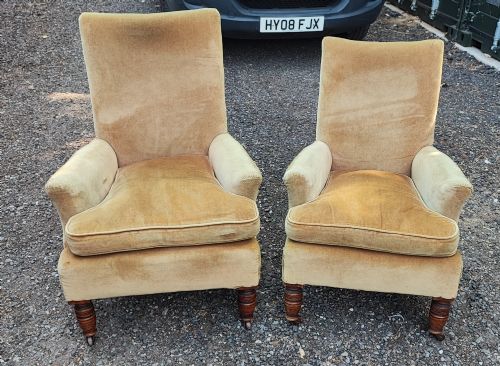
Most examples originate from the nineteenth century, spanning early Victorian eras through to late Victorian and Edwardian periods. Makers produced them in matched pairs as well as single pieces, often following revival styles such as Queen Anne or Rococo.
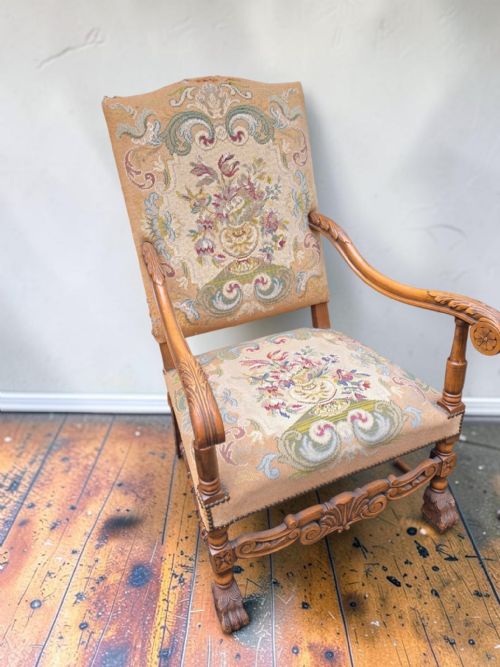
The search phrase encompasses desk armchairs, reading chairs, and heavy gentleman's library chairs upholstered in leather, velvet, or tapestry. Buyers encounter robust frames resting on cabriole legs or casters, intended for sustained use.
Materials and construction
Cabinet makers utilised solid walnut for the exposed wooden frames, carving crest rails, scroll arms, and cabriole legs by hand. This dense timber accepted deep carving while maintaining structural integrity under daily weight.
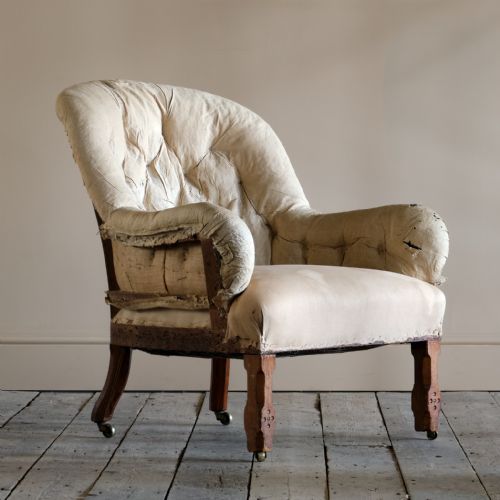
Upholstery techniques involved durable internal webbing, horsehair stuffing, and heavy textiles secured with brass tacks or piping. Finished pieces featured full leather hides, textured wool tapestries, or rich velvet covers nailed directly to the walnut frame.
Listings feature walnut frames paired with leather, velvet, tapestry, and calico across mid-Victorian, late Victorian, and Edwardian periods.
Assessing craftsmanship and proportion
Superior examples display crisp, deep hand-carving along the walnut frame and robust joinery that prevents structural movement. Lesser pieces show simpler turnings and thinner timber scantlings.
Proportion and scale distinguish finer workshop output, where the rake of the back and height of the armrests provide genuine ergonomic support. The quality of the secondary timbers and the retention of original leather or textile upholstery further separate standard production from exceptional cabinet work.
Howard and Sons·C. Hindley and Sons·Gillows·J. and T. Scott
The Victorian Walnut Library Chair Glossary
- Cabriole leg
- A furniture leg that curves outward at the knee and tapers inward toward the foot, often ending in a scroll or pad. This shape gained popularity during revival periods referencing eighteenth-century design.
- Button back
- An upholstery style where depressions are formed in the padding by pulling buttons deep into the stuffing in a diamond pattern. It provides firm tension across the backrest.
- Horseshoe library chair
- An armchair featuring a continuous curved back and armrest rail forming a semi-circle around the user. These wrap-around forms suited long hours of desk work or reading.
- Fauteuil
- An open-framed armchair with upholstered seat and backrest and exposed wooden arms. Nineteenth-century makers adopted this French term for decorative parlour and library seating.
- Bobbin armchair
- A chair whose wooden framework is turned on a lathe to resemble a string of rounded bobbins or spools. This decorative turning style appeared frequently on mid-nineteenth-century seating.
Victorian Walnut Library Chair: Frequently Asked Questions
How do I date a victorian walnut library chair?
Examine the construction methods, secondary woods, and styling cues within the frame and upholstery foundation. Early examples from the mid-nineteenth century often display heavier proportions and detailed carving.
Later nineteenth-century pieces may incorporate machine-turned elements or stylistic revivals such as Queen Anne or William and Mary. Comparing the turnings and joinery to dated pieces helps narrow the decade of production.
Are these chairs comfortable for daily modern use?
These seats were built for long hours of reading and study, offering robust lower back support and generous proportions. Many retain traditional horsehair stuffing which provides a firm, supportive sit.
Buyers intending to use them daily should check the internal webbing and padding condition. Professional reupholstery can restore original comfort levels while preserving the historic wooden frame.
What is the difference between a library chair and a desk chair?
Library chairs generally feature lower, wider seats and upholstered arms designed for relaxed reading and comfort. They often stand on cabriole legs or castors suitable for static placement in a study.
Desk chairs frequently incorporate swivel mechanisms, revolving bases, or upright backs intended for active writing tasks. Both types utilise walnut framing and leather or fabric upholstery.
How should I care for the walnut frame and leather?
Maintain the walnut wood by keeping it away from direct heat sources and applying appropriate furniture wax sparingly. Dust carved details regularly with a soft brush to prevent grime buildup.
Nourish leather upholstery with specialised balms to keep the hide supple and prevent cracking. Avoid harsh chemical cleaners on both the wood finish and the antique textiles.