


Victorian Wall Sculpture
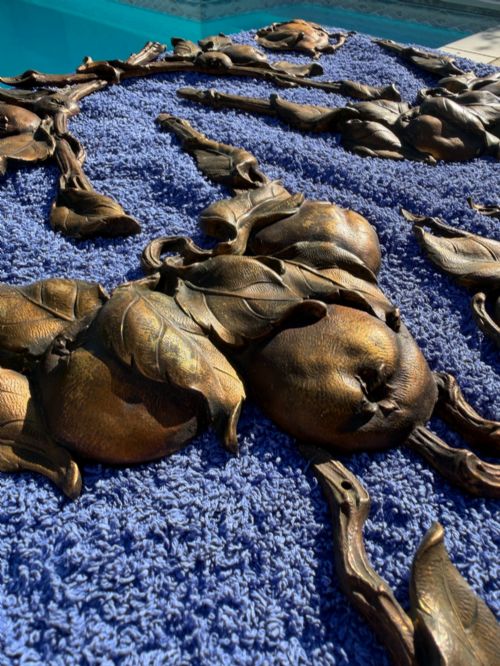
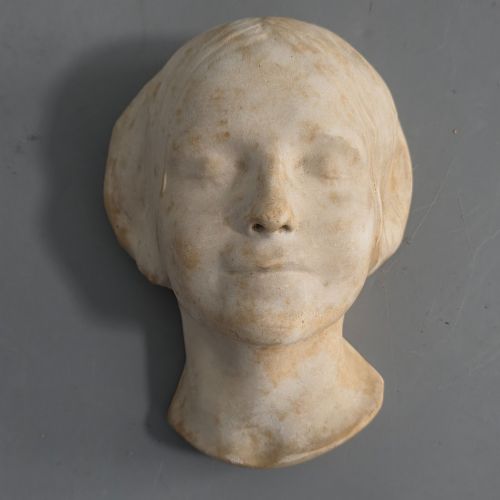
A victorian wall sculpture brings three-dimensional relief and architectural weight into a room, offering bronze plaques, carved wood masks, and plaster panels for interior display.
Victorian Wall Sculpture
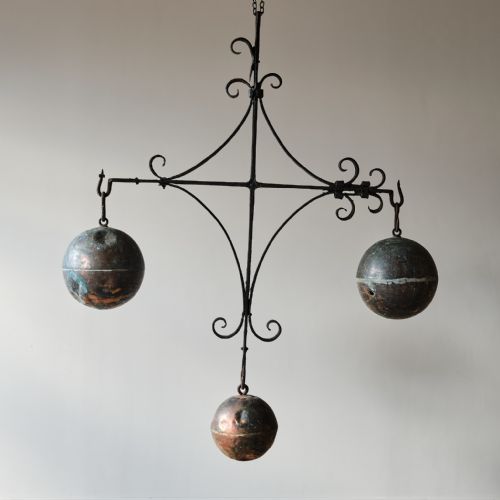
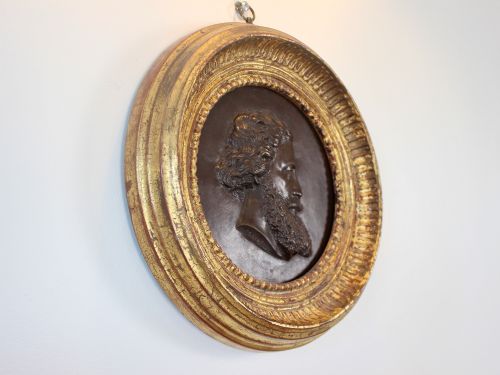
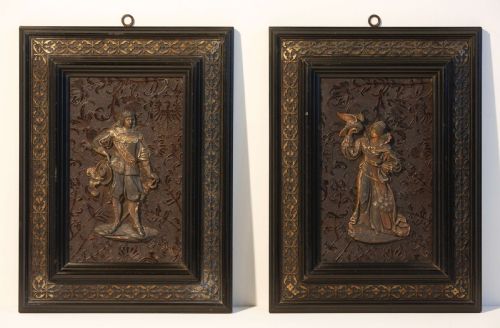
A victorian wall sculpture encompasses a diverse array of decorative relief works, ranging from cast bronze portrait plaques to deeply carved wooden hunting trophies. Buyers encounter wall panels, architectural brackets, and trade signs originating primarily through the nineteenth century.
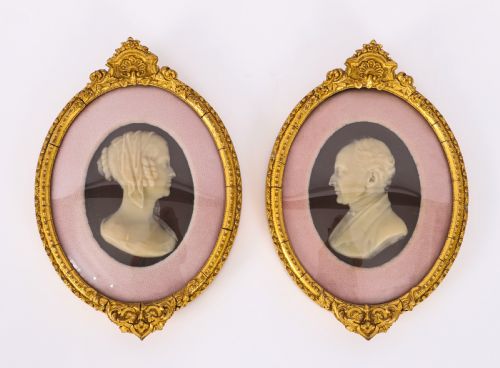
Figural subjects dominate the category, including classical deities, literary figures like Charles Dickens, and animal carvings such as lions and dogs. These works function as focal points on panelled walls or above mantelpieces.
Materials and Method
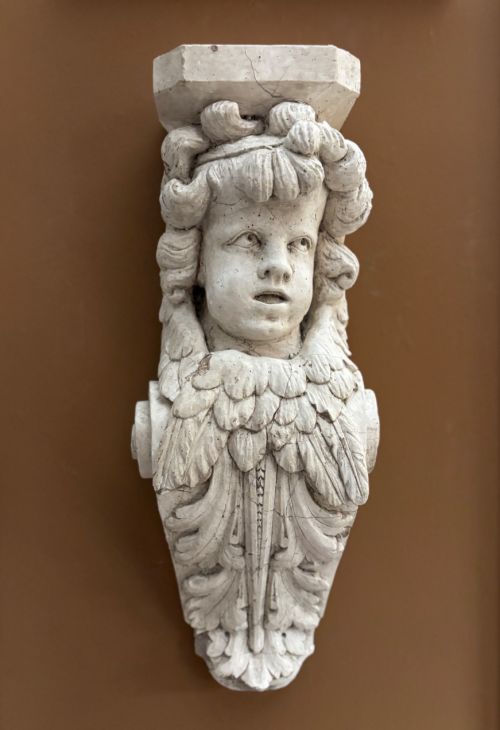
Wood sculpture relies on skilled hand carving in tiger oak, walnut, and pine, often utilising deep relief techniques to create dynamic animal heads and architectural cherubs. Makers of Black Forest pieces carved intricate hunting scenes and botanical motifs directly into domestic timber.
Metalworks involve bronze casting, gilt finishes, and bronzed copper, frequently utilising traditional foundry methods to capture fine portrait details on plaques and coats of arms. Plaster and terracotta items provide alternative moulded reliefs modelled after Renaissance masters and classical subjects.
The listed materials span organic timbers such as walnut and oak alongside metals including bronze, copper, and iron.
Distinctions in Execution
The degree of crispness in the chisel work or casting defines the upper tier of these pieces, where facial expressions and musculature remain sharp and legible. Finer examples display careful hand-chasing on bronzes and deeply undercut foliage on carved wooden panels.
Surface finish and original patination dictate the visual presence of each piece, distinguishing items with undisturbed age from those heavily restored. Signatures from recognised foundries or makers elevate the standing of metal plaques and portrait reliefs.
Poix Blin·Mainfroy·Carlhian and Corbiere·Coalbrookdale
The Victorian Wall Sculpture Glossary
- Relief
- Sculpture technique where figures project from a flat background. High relief elements emerge significantly from the plane, creating strong shadow play.
- Applique
- An ornamental bracket or decorative mount fixed to a vertical surface. These metal or wooden items accent architectural mouldings.
- Patina
- The surface sheen and colour developed on wood, metal, or stone through age and handling. Good patination reflects unpolished historical wear.
- Corbel
- A structural or decorative bracket projecting from a wall to support weight. Victorian examples often take the form of carved putti or foliage.
Victorian Wall Sculpture: Frequently Asked Questions
How were these wall sculptures originally displayed?
Victorian wall sculptures hung in libraries, halls, and dining rooms to display classical learning, literary taste, or sporting pursuits. Heavier wooden panels and bronze plaques often anchored wood-panelled interior schemes.
Smaller reliefs and framed portrait plaques occupied private studies and boudoirs. Trade signs and architectural crests served exterior or commercial purposes before entering domestic collections.
What woods appear most often?
Carvers utilised walnut, oak, and pine for the majority of wooden wall plaques and corbels. Tiger oak and walnut predominate in Black Forest animal carvings and architectural panels.
Pine served for lighter architectural decorations and religious figures like archangels. Hardwoods allowed for the intricate undercutting seen in hunting trophies and foliage.
Are these pieces signed by makers?
Certain bronze portrait plaques and gilt appliques bear foundry stamps, retailer labels, or artist signatures. Pieces originating from prominent foundries or specialised London firms carry clear marks of attribution.
Many decorative carvings and provincial trade signs remain unsigned, reflecting workshop production rather than individual studio output. Signatures assist in dating but unsigned pieces often equal them in carving skill.