



Victorian Wall Platter
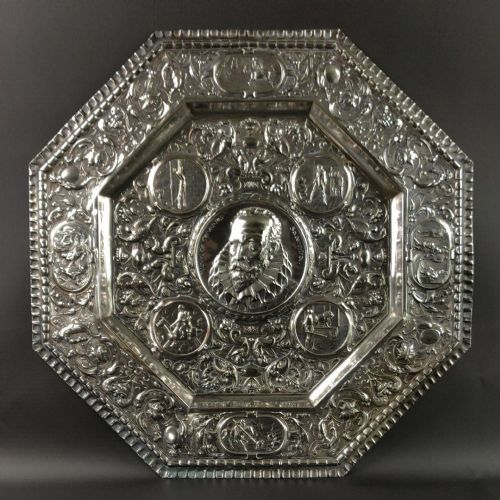
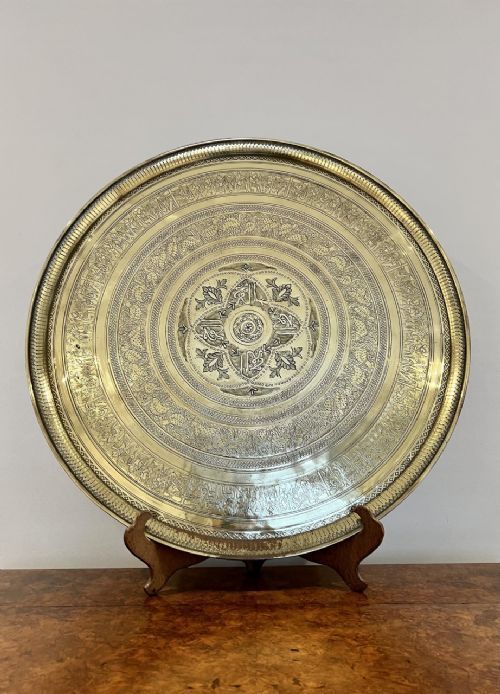
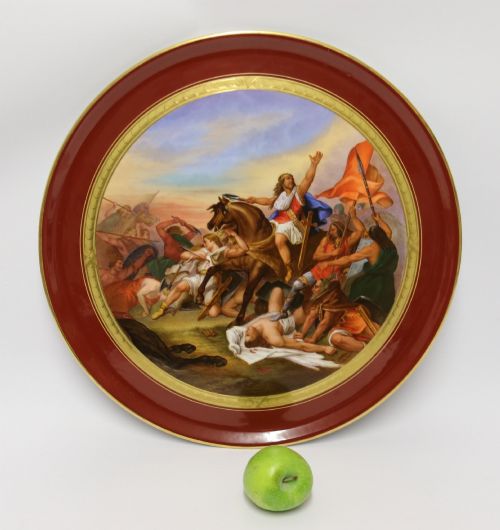
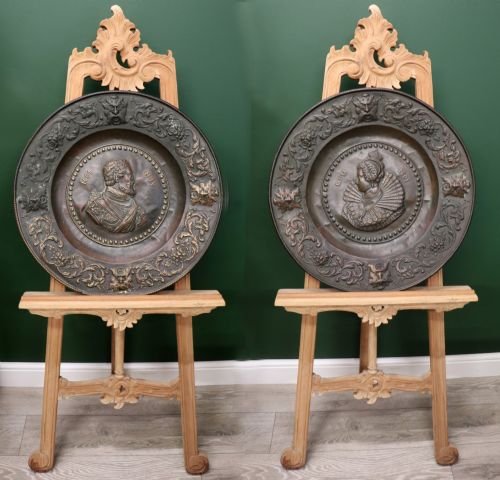
These Victorian wall platter examples span heavy metal repoussé chargers and painted ceramic plates intended for display.
Victorian Wall Platter
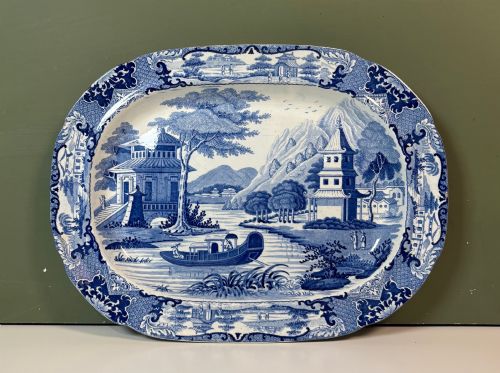
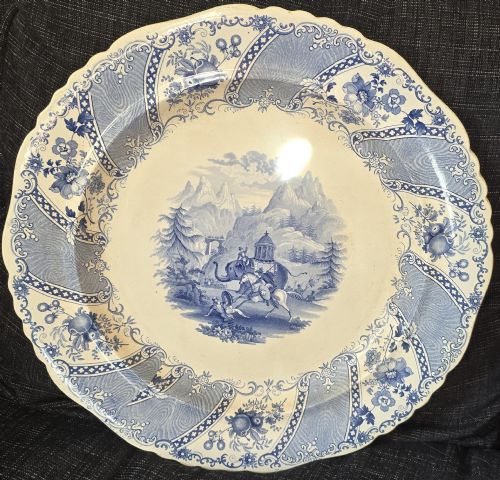
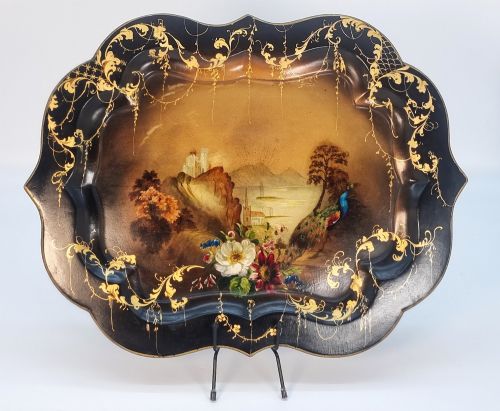
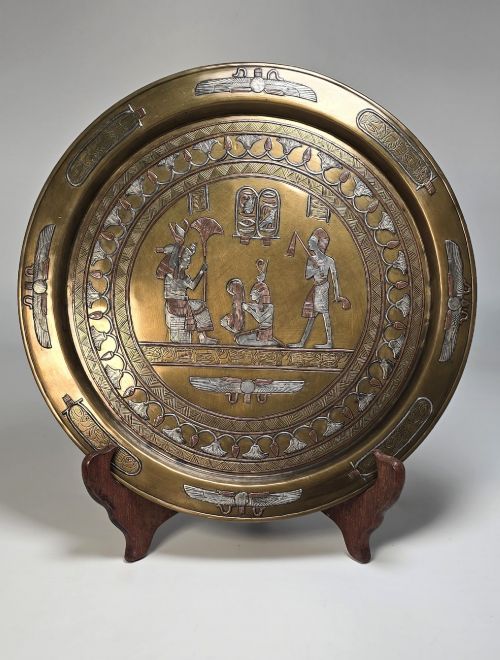
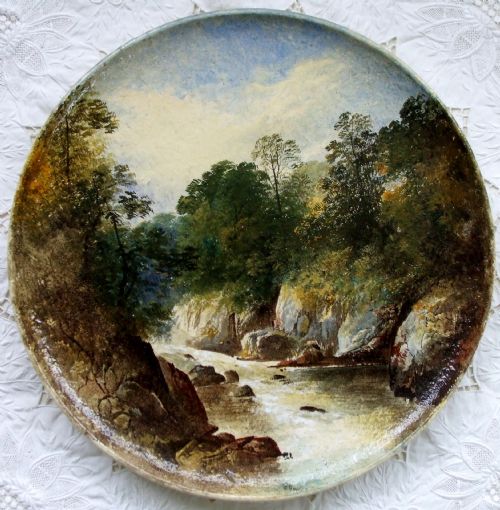
A victorian wall platter selection encompasses large ceramic chargers, brass and copper wall plaques, and papier-mâché trays adapted for suspension. You will frequently encounter heavy metal dishes bearing figural scenes alongside blue and white transfer-printed earthenware.
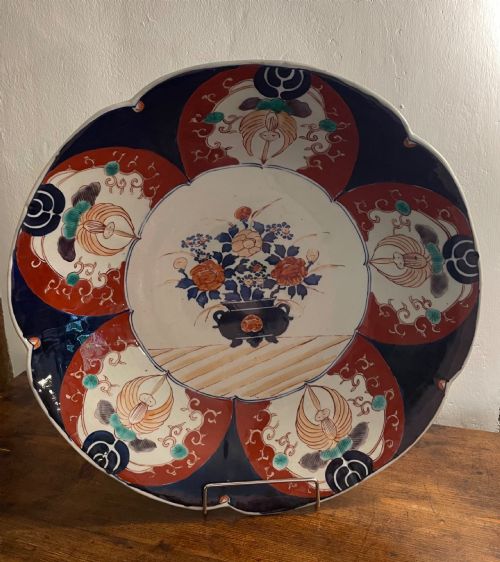
The objects derive from various global influences, ranging from Japanese Imari and Anglo-Indian metalwork to Gothic Revival and Neoclassical European styles. Makers utilised these decorative items to transform plain domestic wall space into elaborate artistic displays.
Materials and Construction
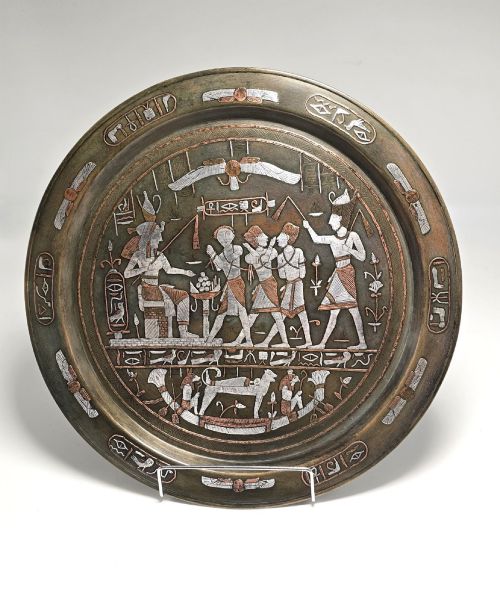
Metal items rely on hand-beating, repoussé, and engraving techniques applied to copper, brass, and mixed metals, often enhanced with silver plating or silver inlay. Ceramic versions combine earthenware or porcelain bodies with hand-painted polychrome decoration, transfer printing, and glazed finishes.
Papier-mâché examples employ layered paper pulp formed into rigid trays and finished with lacquer, while electrotyping allowed manufacturers like Elkington to produce complex metal reliefs.
Victorian Wall Platter Retail Price Guide 2026
Typical asking prices for victorian wall platter among the pieces listed under this phrase on Sellingantiques today, from the lower quarter to the upper quarter. They describe what is for sale here now, not the wider market.
Listings feature nineteenth-century materials including copper, brass, porcelain, earthenware, and papier-mâché alongside silver plating.
Assessing Quality and Execution
Quality rests in the crispness of the hand-hammered relief work on metal chargers and the precision of brushwork on hand-painted porcelain plaques. Finer metalwork displays deep, well-defined chasing rather than shallow, mechanical pressing.
Ceramic quality is judged by the depth of the glaze, clarity of transfer printing, and sophistication of painted figural details such as historical portraits or mythological scenes.
Royal Bonn·Pucher Deroche·Coalport·John Ridgway·Elkington and Co·Mintons
The Victorian Wall Platter Glossary
- Repoussé
- Metalworking technique where the design is hammered into relief from the reverse side. This method creates three-dimensional figural scenes and decorative borders on copper and brass chargers.
- Charger
- A large decorative plate intended for display on a sideboard or wall rather than for everyday dining. These pieces often feature elaborate historical or mythological narratives.
- Imari
- Japanese ceramic style characterised by underglaze blue and iron red highlights, widely imitated by European potteries during the nineteenth century. The palette relies on contrasting primary tones and gilt accents.
- Papier-mâché
- Composite material made from paper pulp mixed with adhesive, pressed into moulds, and dried. It forms a lightweight base for lacquered and painted trays.
Victorian Wall Platter: Frequently Asked Questions
How do I hang a heavy brass charger safely?
Heavy metal and ceramic chargers require sturdy adjustable wall brackets or spring-tension wire hangers designed to distribute weight evenly across the rim. Ensure the fixture anchors directly into wall studs rather than plaster alone.
Position the display at eye level to appreciate the engraved details and repoussé depth without risking accidental knocks from passing foot traffic.
Are these wall platters meant for serving food?
Most nineteenth-century wall platters and decorative chargers function primarily as visual ornaments rather than functional tableware. Their delicate painted surfaces or protruding metal reliefs make them unsuitable for culinary use.
Displaying them on walls or sideboard stands preserves the fragile glazes and polished metal finishes from daily wear and tear.
How do I clean antique brass and copper wall pieces?
Dust metal chargers gently with a soft dry cloth to prevent grime accumulation in recessed engraved lines. Avoid harsh abrasive polishes that strip away the aged patina built up over decades.
Preserving the natural oxidation highlights the hand-tooled depth of repoussé work and maintains the historical character of the piece.
What is the difference between a platter and a charger?
A platter typically serves a functional role for presenting food at the table, while a charger is significantly larger and designed purely for ceremonial display or decorative accent. Nineteenth-century examples often blur this distinction through added wall hanging attachments.
Examining the reverse side often reveals whether a piece was fitted with an early suspension loop or intended solely for flat placement.