




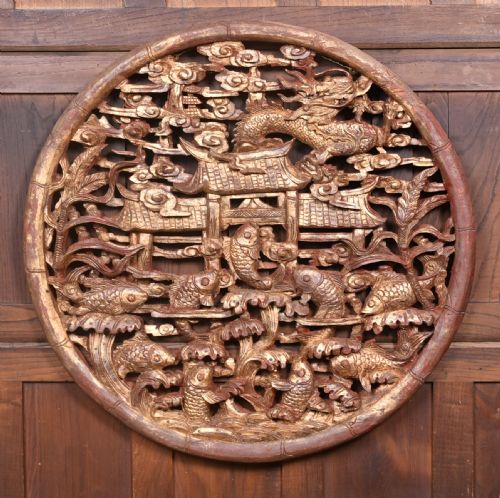

19th Century Wooden Plaque
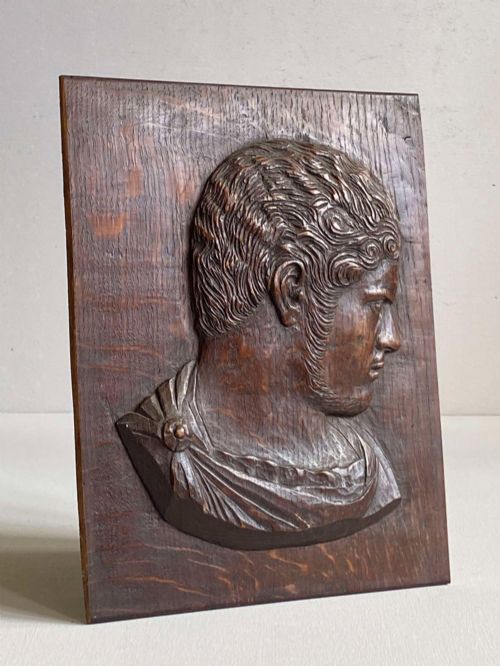
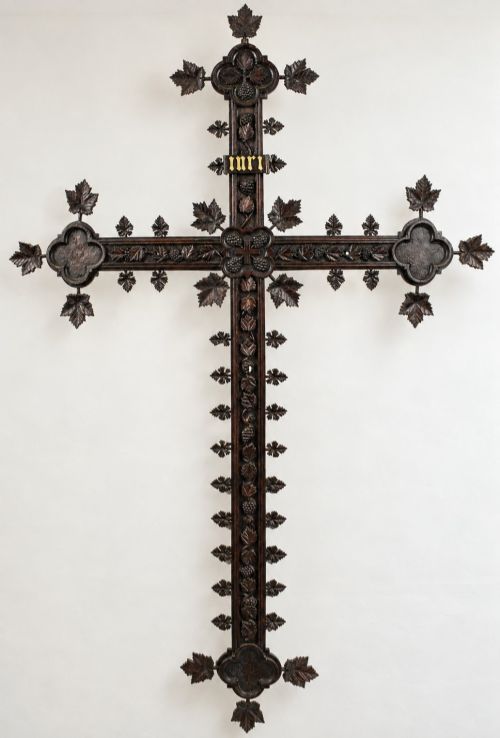
A 19th century wooden plaque brings deep-relief carving and rich timber grain directly to a wall, offering instant period character.
19th Century Wooden Plaque
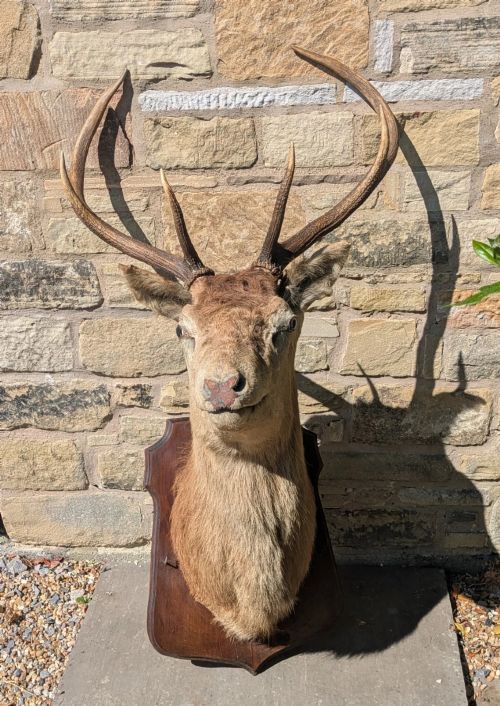
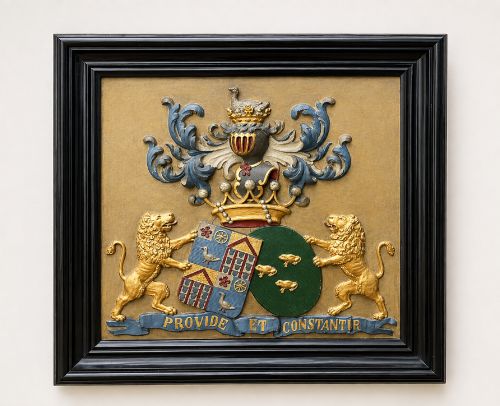
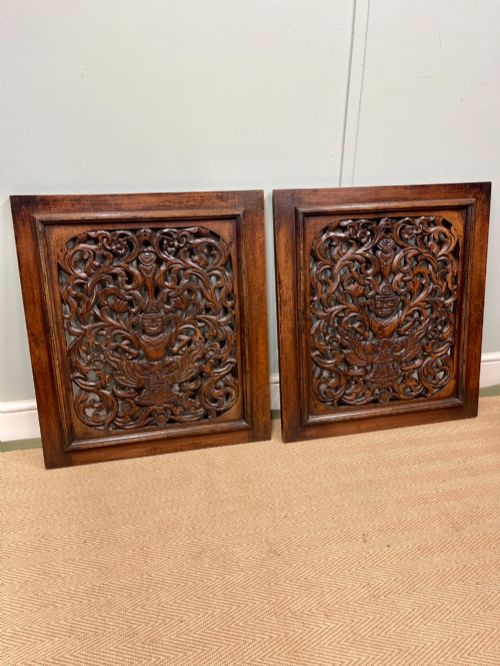
When you search for a 19th century wooden plaque, you encounter carved panels, armorial shields, and heraldic markers designed for interior display. These pieces originate from diverse European and Asian traditions, spanning Dutch marriage boards, British Gothic revival panels, and Swiss hunting trophies.
How they were made
Carpenters and carvers shaped these pieces using native hardwoods including oak, walnut, mahogany, and kingwood. Artisans deployed chisels and gouges to build deep, multi-layered reliefs directly into the timber.
Surface finishes include applied paint, gold leaf highlights, and plain wax polish to protect the grain. Brass mounts and iron reinforcements occasionally provide structural support or hanging mechanisms.
19th Century Wooden Plaque Retail Price Guide 2026
Typical asking prices for 19th century wooden plaque among the pieces listed under this phrase on Sellingantiques today, from the lower quarter to the upper quarter. They describe what is for sale here now, not the wider market.
A painted wooden jester's head grins from a turned mahogany wall tray.
What varies in quality
The choice of timber and the preservation of the original surface finish dictate the overall integrity of the piece. Crisp edges on armorial bearings and heraldic crests indicate superior workshop origin.
The 19th Century Wooden Plaque Glossary
- Armorial panel
- A carved or painted wooden plaque displaying a family coat of arms or heraldic crest. These items often commemorate marriages, alliances, or lineage.
- Black Forest
- A regional Swiss and German style known for deeply carved wooden animals, foliage, and hunting trophies. Production peaked during the Victorian era.
- Pyrography
- A technique of decorating wood by burning designs with heated tools. This method is sometimes called pokerwork.
- Dummy board
- A flat, painted wooden figure cut to simulate a real person or object. These decorative items date back centuries and often sat on floors or hung on walls.
19th Century Wooden Plaque: Frequently Asked Questions
How were wooden plaques displayed?
These plaques hung directly on interior walls, often arranged in pairs or grouped alongside hunting trophies and paintings.
Heavier panels utilised integrated iron brackets or rear mounting battens to support their substantial weight safely.
What subjects appear on these plaques?
Common motifs include heraldic crests, family coats of arms, religious scenes, and forest animals like stags and foxes.
Regional variations introduce Dutch marriage histories, Asian panels, and folk art portraits.
How do I care for antique wood?
Keep carved wooden plaques away from direct sunlight and steady heat sources to prevent timber from splitting.
Apply a light microcrystalline wax occasionally to nourish the dry grain without building up heavy residues.
How are periods identified?
Period attribution relies on tool marks, timber selection, stylistic cues like Gothic Revival or Napoleon III, and documented heraldry.
Comparing known workshop practices helps separate mid-century examples from later Victorian reproductions.