



Victorian Wall Frame
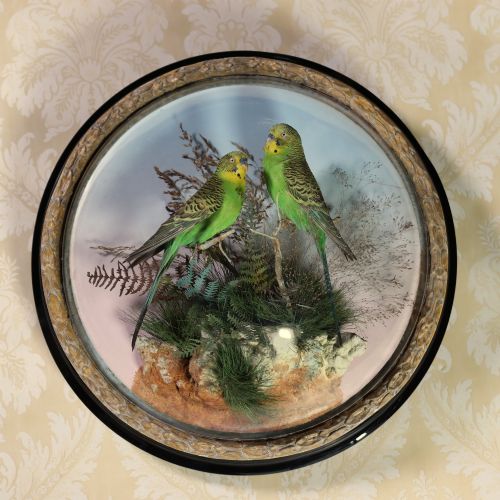
These nineteenth-century wall pieces bring together timber framing and decorative glass, holding everything from oil paintings to overmantel mirrors.
Victorian Wall Frame
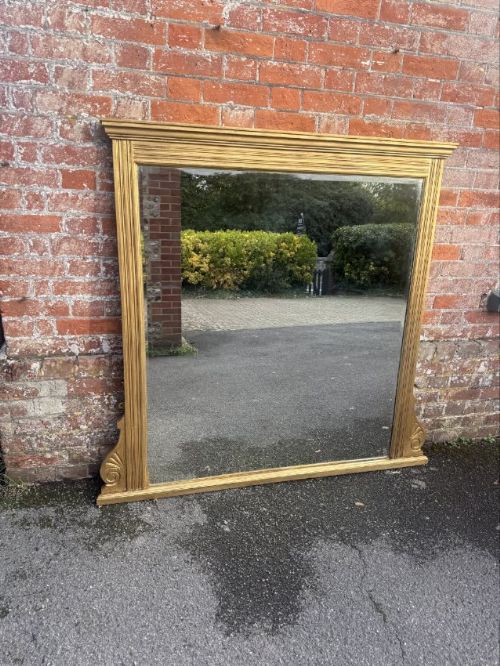
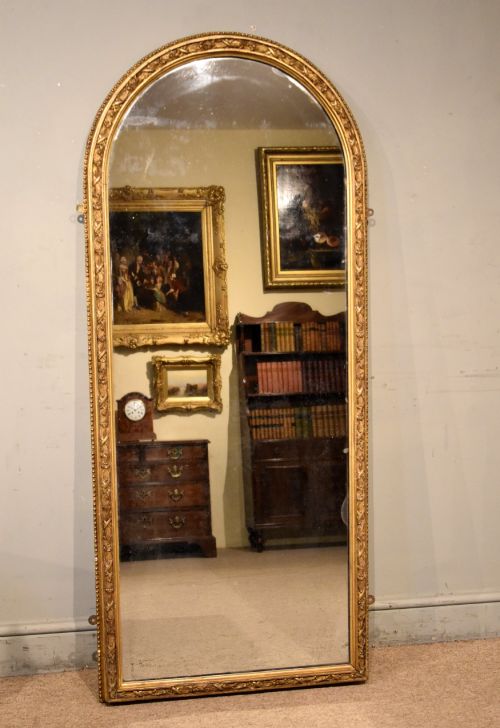
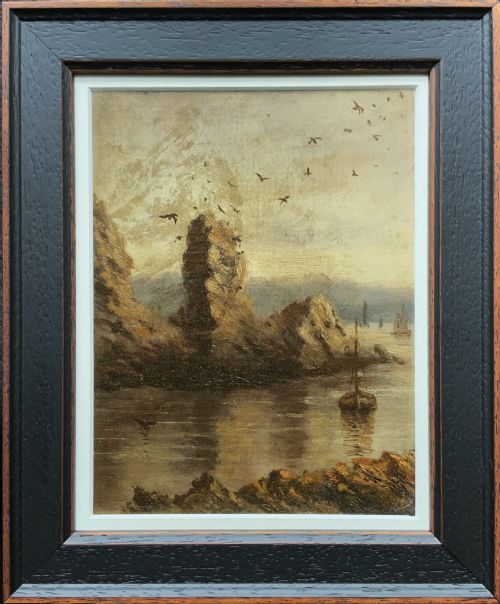
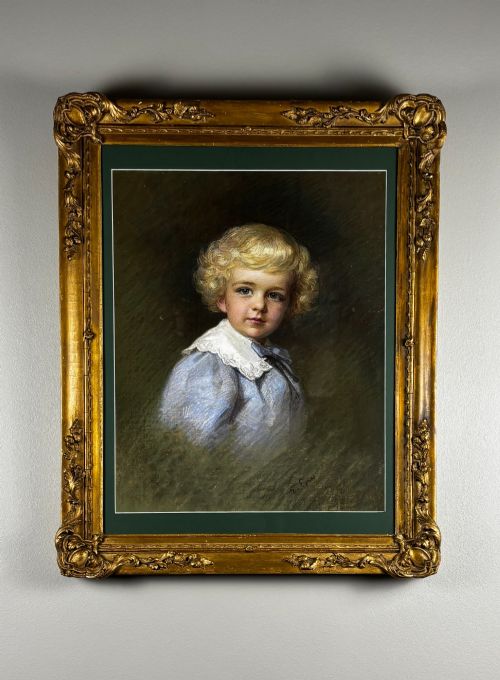
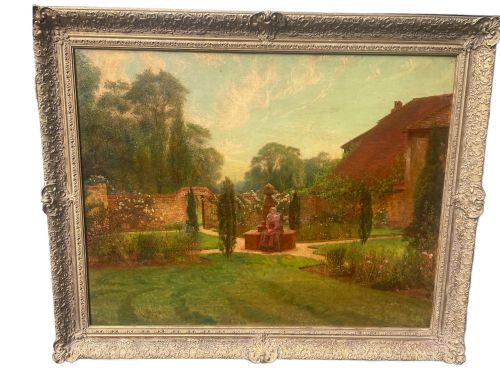
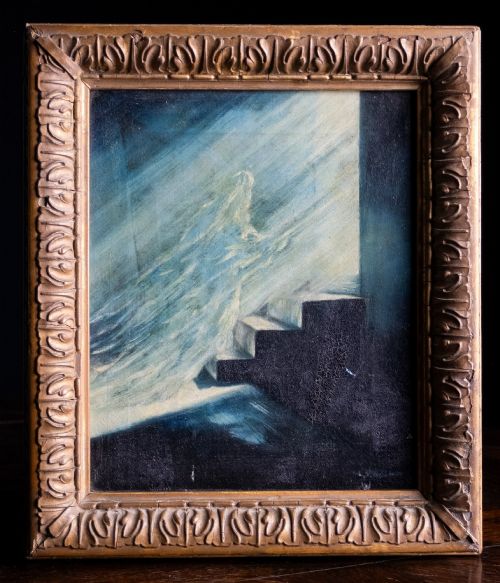
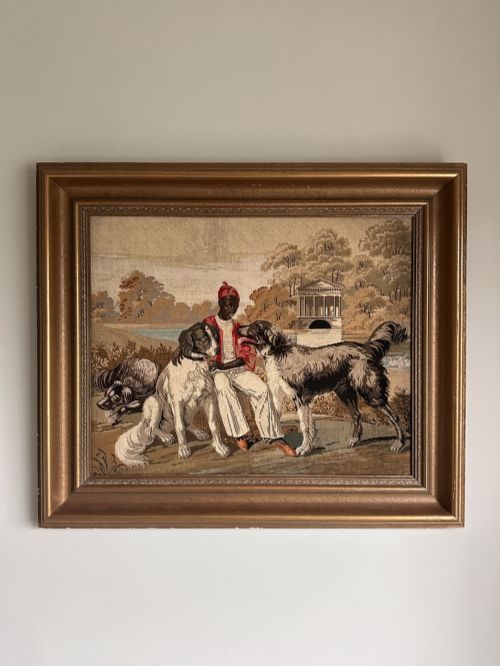
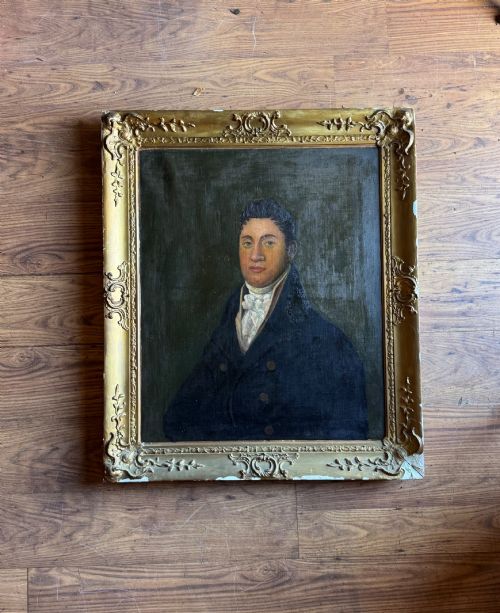
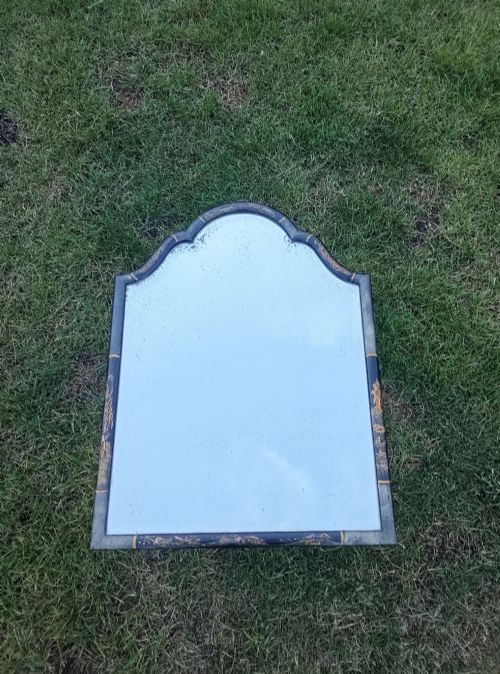
A victorian wall frame typically houses oil paintings on canvas, watercolours on paper, or mirrored glass designed for interior display. The selections encompass large architectural overmantel mirrors alongside domestic portraits, landscapes, and still-life scenes.
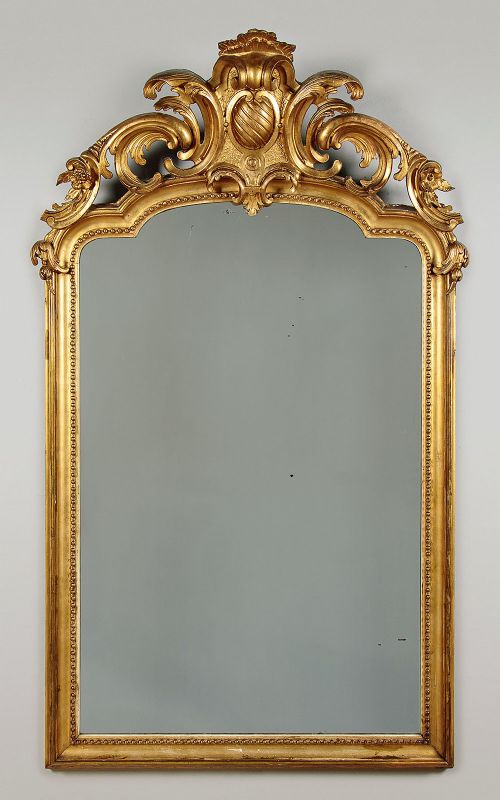
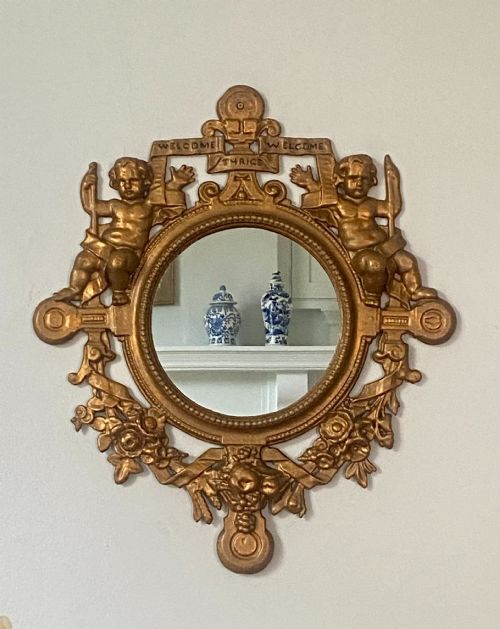
The objects appearing most frequently are timber-framed looking glasses and nineteenth-century canvas paintings spanning maritime, equestrian, and pastoral subjects. Many items combine heavy giltwood moulding with hand-carved gesso ornamentation.
Origins stretch across English, French, and broader European workshops from the 1860s through the early twentieth century. Buyers encounter both circular walnut surrounds and expansive arched frames built for principal reception rooms.
How they were made
Makers constructed the structural supports primarily from solid pine, oak, walnut, rosewood, and maple. Timber mouldings frequently received layers of gesso before applying gold leaf or liquid gilt paint to achieve reflective surfaces.
Mirrors utilise thick glass plates secured with wooden backing boards, while canvas works employ stretched linen primed for oil pigments. Carved wooden ornaments rely on traditional joinery and applied composition material moulded onto the timber base.
Victorian Wall Frame Retail Price Guide 2026
Typical asking prices for victorian wall frame among the pieces listed under this phrase on Sellingantiques today, from the lower quarter to the upper quarter. They describe what is for sale here now, not the wider market.
Listings include timber frames made from pine, oak, walnut, rosewood, and maple alongside gilded gesso finishes.
What varies in quality
The depth and crispness of the hand-carved gesso ornament separate standard production frames from exceptional bespoke commissions. Superior giltwood pieces retain their original burnished gold leaf rather than later overpainting.
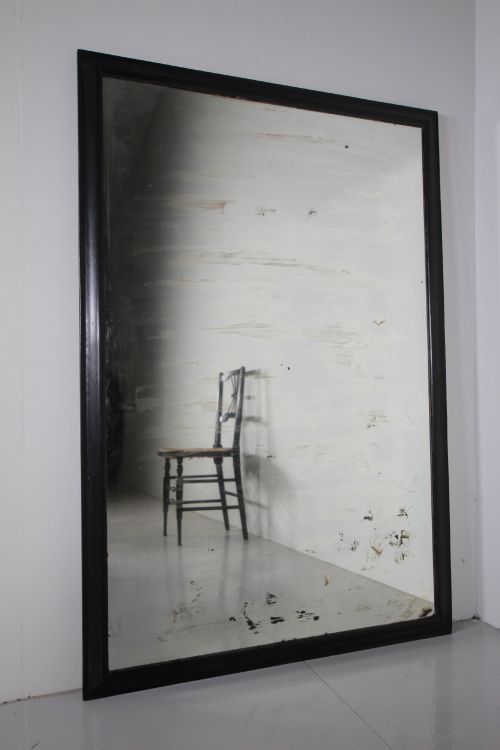
Canvas works and watercolours depend upon the precision of the artist's brushwork and the preservation of the original pigments. Mirror plates show variation through the presence of period foxing and the integrity of the silvered backing.
Douglas Cameron·William Shayer·Charles Bilger Spalding·Samuel Joseph Clark·Sir Thomas Lawrence·Henry Barraud·William Manners·Margaret Sarah Carpenter
The Victorian Wall Frame Glossary
- Gesso
- A plaster mixture applied to wood frames to create a smooth surface for gilding. This compound takes detailed moulding before the application of leaf.
- Giltwood
- Timber coated with gold leaf or metal powder. This finish provides a bright reflective surface common on nineteenth-century looking glasses.
- Overmantel
- A large mirror or painting designed to hang directly above a fireplace mantelpiece. These fixtures often feature arched crests and substantial proportions.
- Foxing
- Brown spots and discolouration appearing on antique mirror glass or paper over time. This chemical reaction occurs as the silver backing ages.
- Parcel gilt
- Woodwork finished with selective gilding on carved highlights while leaving the natural timber grain exposed elsewhere. This technique accentuates specific decorative details.
Victorian Wall Frame: Frequently Asked Questions
How do I hang a heavy overmantel mirror safely?
Large nineteenth-century frames require direct fixing into structural wall studs using heavy-duty brackets suited to the weight of the timber and glass. Professional installation prevents strain on the original frame joints.
Ensure the hanging wire or integrated metal loops connect securely to weight-bearing points on the back rather than relying on decorative moulding.
Should I clean the antique glass on a wall mirror?
Cleaning should involve only a dry microfibre cloth or a mild, non-ammonia glass cleaner applied sparingly. Avoid harsh scrubbing that might damage aged silvering.
Original mirror plates often display age spots and minor distortion which form part of their historical character and should be preserved.
How do I care for nineteenth century oil paintings in frames?
Keep canvas works away from direct sunlight and fluctuating humidity to prevent the paint surface from cracking. Dust the carved wooden frames gently with a soft dry brush.
Avoid using moisture or chemical sprays near the oil pigments or the delicate gilt gesso surfaces.
What is the difference between an overmantel and a wall mirror?
Overmantel mirrors are proportioned specifically to sit above fireplace surrounds, often featuring wider horizontal formats or arched tops designed for mantel displays. Standard wall mirrors focus on vertical or circular formats for general room placement.
Both types utilise similar nineteenth-century timber and gesso construction methods.