
Victorian Wall Art Painting
When you search for a victorian wall art painting, you are seeking framed canvases and watercolours from the nineteenth century.
Victorian Wall Art Painting
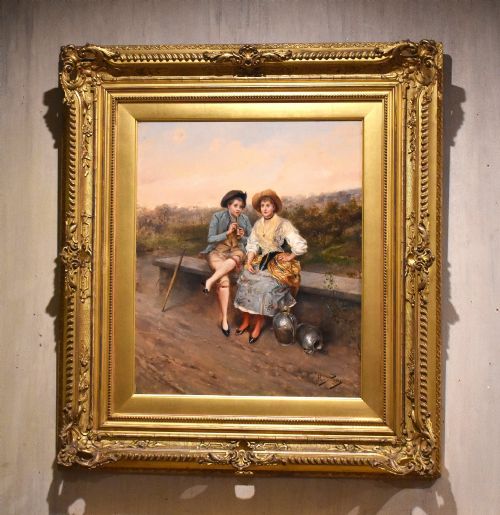
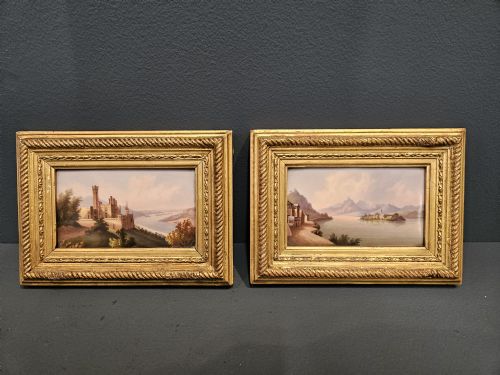
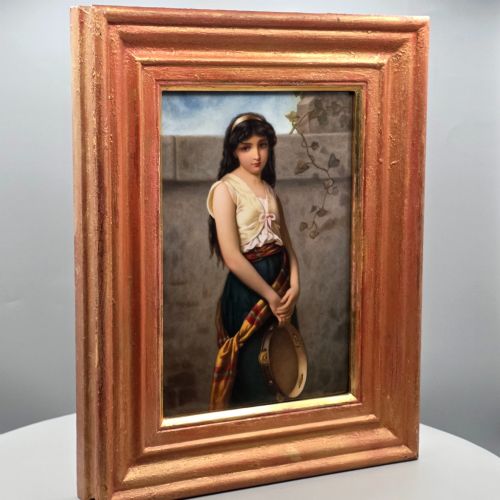
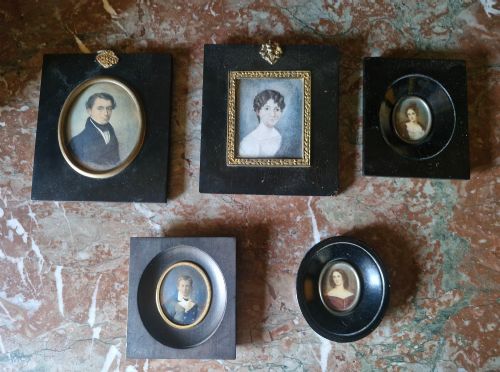
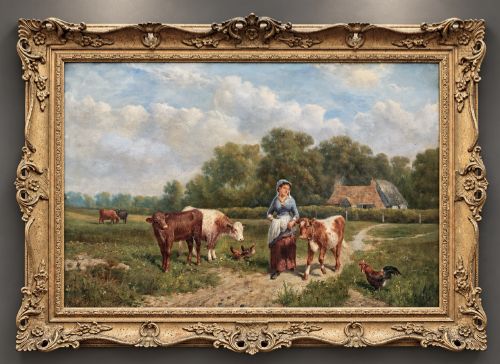
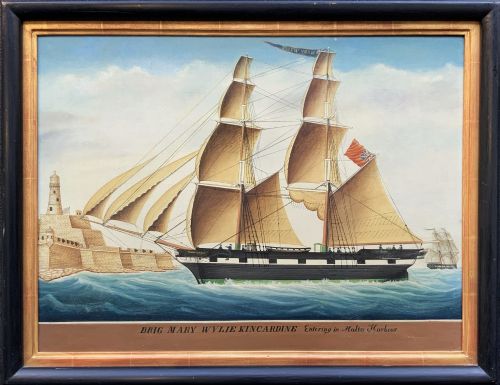
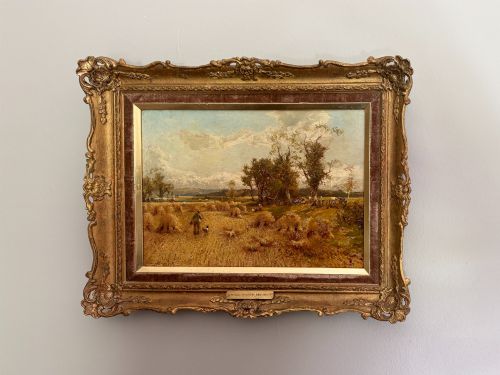
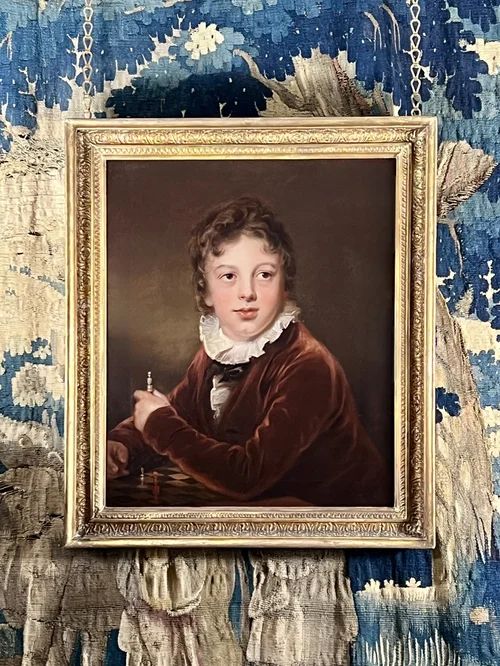
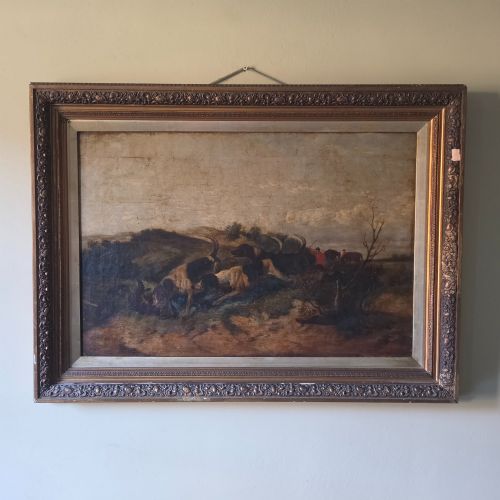
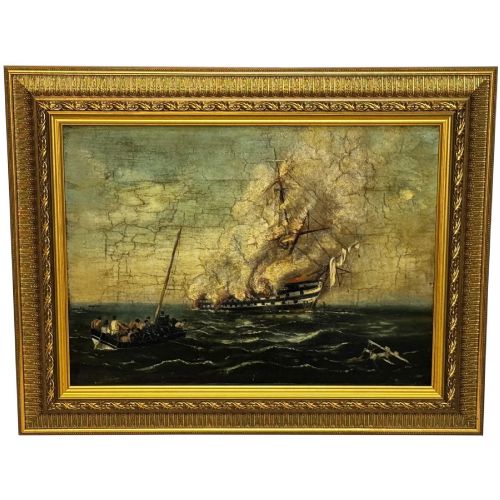
A victorian wall art painting encompasses framed oil paintings, watercolours, and portrait miniatures created during the nineteenth century. The versions most commonly met on this page include landscapes, maritime scenes, and animal portraits rendered in oils or watercolours.
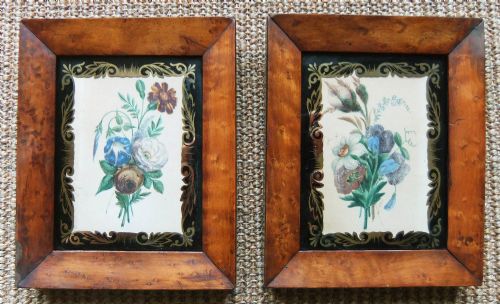
Makers and artists of this period produced works ranging from intimate botanical studies to monumental social history pieces and heraldic panels. These artworks frequently reflect academic, realist, maritime, and sporting styles of nineteenth-century British and European art.
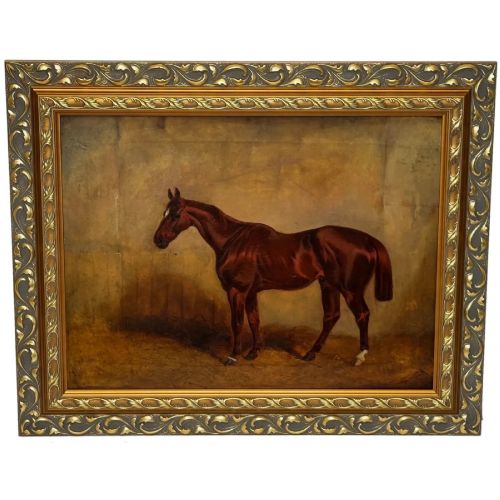
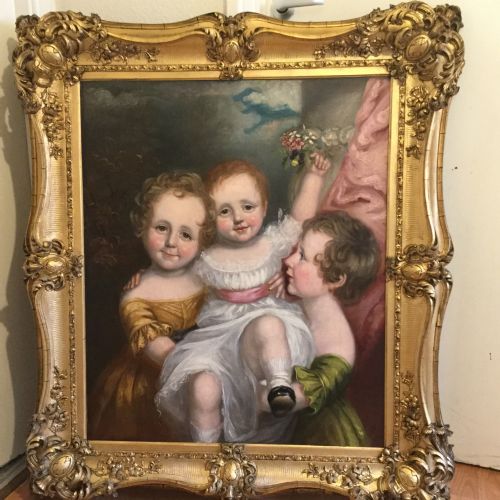
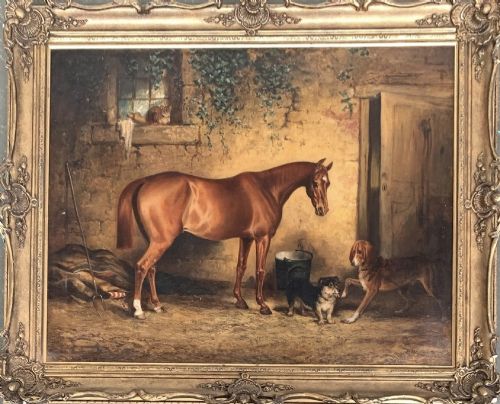
Surviving examples span various specific forms such as board paintings, canvas works, and paper watercolours, often housed within their original frames. Subjects extend from domestic interiors and pastoral landscapes to detailed portraits of people, horses, dogs, and cats.
How They Were Made
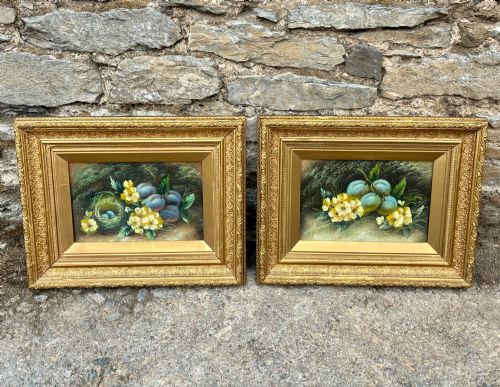
Artists of this era typically applied oil paint onto stretched canvas or prepared wooden boards, while watercolour works utilised paper mounted behind glass. Giltwood and wood frames frequently complemented these pieces, sometimes incorporating rosewood elements.
Techniques relied on traditional academic methods involving layered pigments, careful brushwork, and varnishing for oil mediums, alongside controlled washes for watercolours.
Several canvases capture sharp-eyed cats, alert dogs, and even a solitary fox keeping watch over still life arrangements.
What Varies in Quality
Quality in these paintings rests upon the dexterity of the brushwork, the precision of anatomical or architectural drawing, and the depth of the composition. Masterful handling of light and atmospheric perspective distinguishes finer academic and realist pieces from more conventional studio output.
The integrity of the original materials, including the preservation of the canvas, board, or paper surface and the condition of the accompanying giltwood frame, influences the overall standard of the surviving artwork.
Richard Sebastian Bond·William Beattie Brown·George Fotherly Hargitt·Thomas Miles Richardson Jnr·James Orrock·Henri Fradelle·Felix Stone Moscheles·Alfred Young Nutt·John Maler Collier·Dumini Leopoldo·John Horace Hooper·William McAlpine·Edward Mills·William Banks Fortescue·Stephen Samuel Lewin·John Rose Miles·Thomas W Lascelles·Robert A Nottingham·Mark William Langlois·David Bates·William Broome·Thomas Smythe·Albert Clark
The Victorian Wall Art Painting Glossary
- Oil on Canvas
- Pigment bound in a drying oil applied to a woven fabric support. This surface allows for rich blending and textured impasto techniques.
- Watercolour
- A paint consisting of water-soluble pigments applied to paper. It produces translucent washes and delicate tonal gradations.
- Giltwood
- Wood carved and coated with a thin layer of gold leaf. It is commonly found on ornate antique picture frames.
- Portrait Miniature
- A small, highly detailed painting depicting a person. These works were often executed on ivory, vellum, or paper during the nineteenth century.
- Genre Painting
- Art depicting scenes from everyday life. These works frequently feature domestic interiors, social history subjects, or ordinary people engaged in daily activities.
Victorian Wall Art Painting: Frequently Asked Questions
What subjects appear in these paintings?
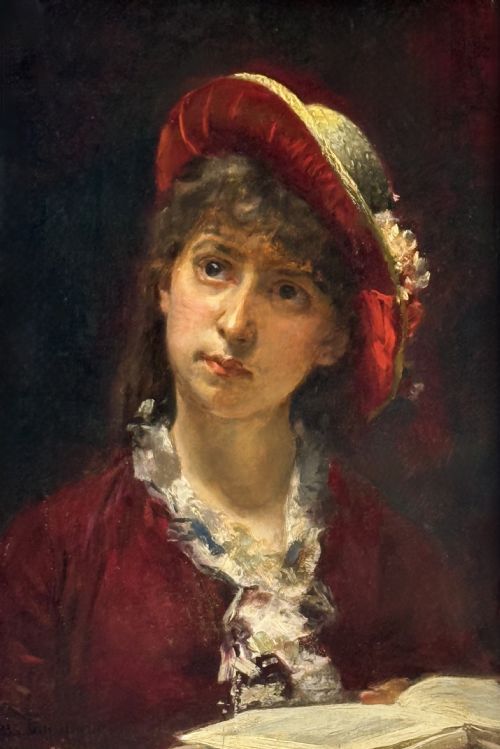
The subjects include sweeping landscapes, coastal maritime scenes, and detailed animal portraits featuring dogs, horses, and cats. Other common themes encompass botanical studies, domestic interior scenes, and human portraits.
Many works also record historical subjects, sporting events, and social history narratives from the nineteenth century.
Were these artworks always framed?
Most pieces survive within period frames, frequently constructed from giltwood or wood, which complement the aesthetic of the nineteenth century. Original frames help maintain the historical context and structural integrity of the artwork.
Some works on board or canvas occasionally circulate without their initial surrounds, though matching frames remain standard for display.
How are periods identified?
Periods are determined through stylistic analysis, artist signatures, dated inscriptions, and the physical composition of the materials. Nineteenth-century academic, realist, and romantic revival styles display distinct technical conventions typical of the era.
Documentary evidence such as biographical dates of the makers and framing techniques further assist in confirming the exact decade of creation.