
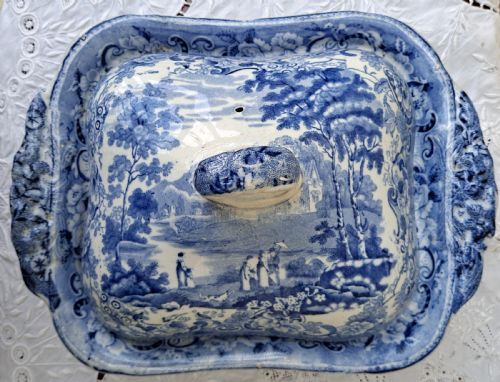


Victorian Vegetable Dish
These pieces of a victorian vegetable dish are practical serving vessels from the nineteenth century that bring period character to any dining table.
Victorian Vegetable Dish
A victorian vegetable dish comprises lidded tureens, entree dishes, and serving vessels intended for the formal dining table. The selection spans robust ironstone pottery, transfer-printed earthenware, and heavy silver plate.
Makers produced these items in various styles including blue and white transfer prints, imari patterns, and plain silver plate. Buyers frequently encounter nineteenth-century examples alongside Edwardian pieces designed for heavy daily use.
Serving vessels range from large soup tureens and covered vegetable dishes down to smaller sauce tureens and asparagus dishes. Each form reflects the elaborate dining habits of the period.
Materials and manufacture
Potters utilised durable earthenware and ironstone, often applying blue and white transfer printing or hand-painted enamel highlights. Gold leaf and gilt details occasionally complemented the ceramic bodies.
Metalworkers built silver plated serving dishes on strong base metals, sometimes incorporating Sheffield plating techniques. Makers applied crisp hallmarks or maker marks to the base of metal items.
Some nineteenth-century potters shaped sturdy ironstone into cabbage leaves, turning humble greens into permanent tableware.
Indicators of quality
Quality rests on the crispness of the transfer print and the clarity of the ceramic body, particularly in ironstone and earthenware pieces. Crisp mouldings and well-defined patterns distinguish superior items.
Silver plated items show distinction in the weight of the metal and the preservation of the plating over the base metal. Maker stamps from prominent firms indicate higher standards of production.
James Wallace and Co·Masons Ironstone·Hamilton and Inches·Doulton Burslem·Walker and Hall·Elkington·William Hutton and Sons·Copeland and Garrett·Edward and John Barnard·Hukin and Heath
The Victorian Vegetable Dish Glossary
- Tureen
- A deep covered bowl used for serving soups, sauces, or vegetables at the table. These vessels usually include matching covers to retain heat.
- Ironstone
- A heavy, durable type of ceramic developed as a tougher alternative to porcelain. It resists chipping and formed the body of many nineteenth-century serving dishes.
- Transfer Print
- A decoration technique where an engraved copper plate transfers a design onto paper and then onto the ceramic surface. This method allowed intricate blue and white patterns to be produced consistently.
- Silver Plate
- A base metal coated with a thin layer of silver to give the appearance of solid silver. This technique provided sturdy dining wares for middle and upper-class households.
Victorian Vegetable Dish: Frequently Asked Questions
What is a victorian vegetable dish used for?
These covered vessels kept cooked vegetables warm at the dining table before individual plating became common.
They also served as decorative centrepieces during formal nineteenth-century meals.
How do I clean silver plated dishes?
Wash silver plate gently in warm soapy water using a soft cloth, avoiding harsh abrasive cleaners.
Dry thoroughly immediately afterwards to prevent water spots and preserve the plated surface.
Are ironstone dishes dishwasher safe?
Modern dishwashers use strong detergents that can damage historic glazes, ironstone, and delicate transfer printing.
Hand washing remains the safest method for preserving antique ceramics.
How do I date a ceramic tureen?
Look for maker marks, registration diamonds, and registry numbers stamped or printed on the underside.
Style, glaze colour, and body weight also help narrow down the period of manufacture.