



Victorian Two Seat Settee
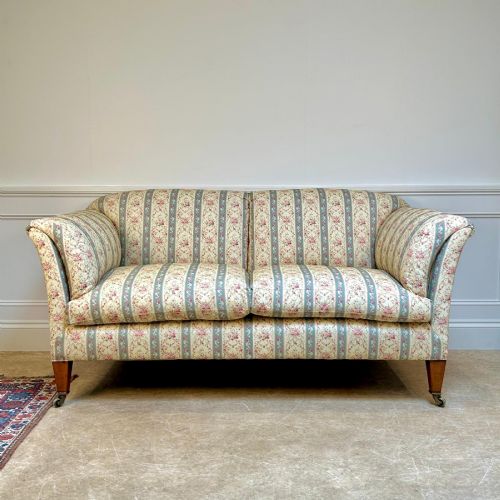
A victorian two seat settee brings compact nineteenth-century comfort to a room through upholstered seating designed for two.
Victorian Two Seat Settee
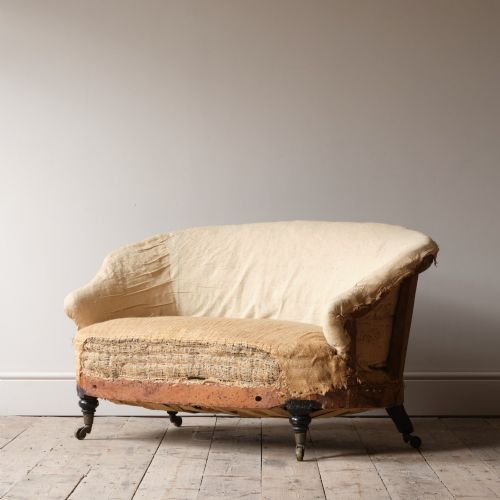
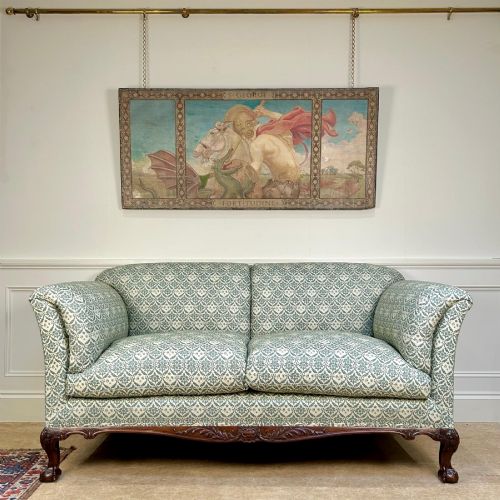
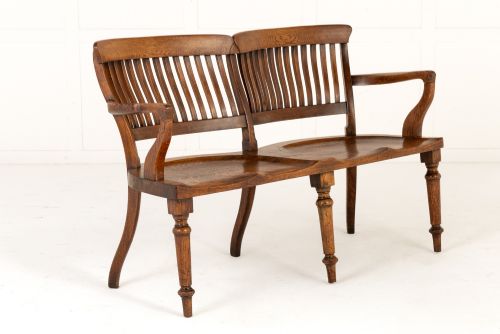
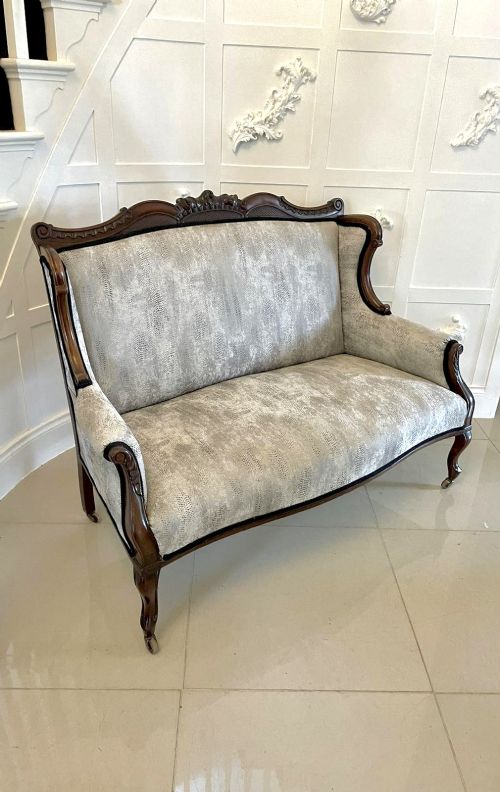
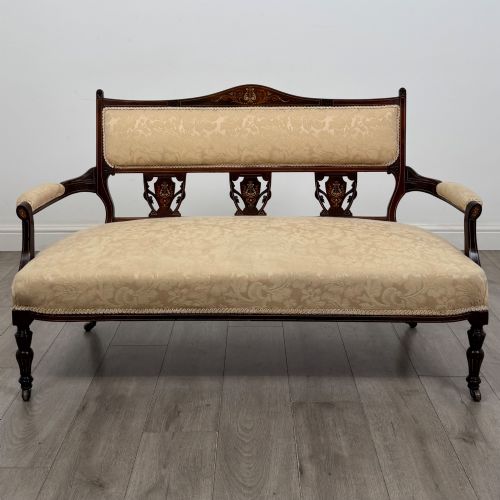
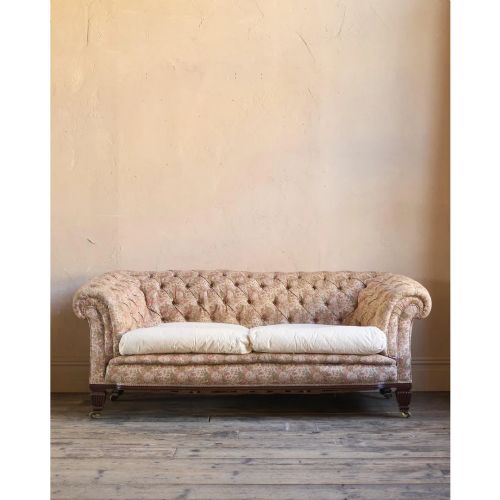
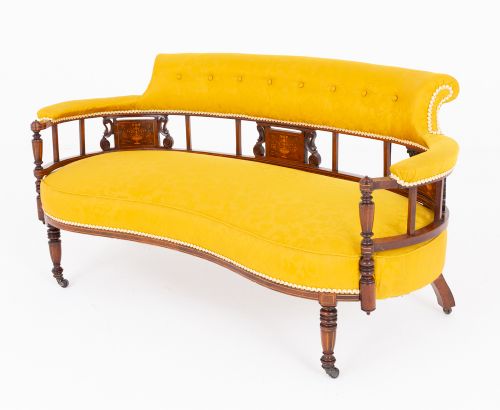
A victorian two seat settee is a compact upholstered seating form designed to accommodate two people comfortably within a nineteenth-century domestic interior. These pieces appear frequently in walnut, mahogany, and rosewood, often featuring buttoned backrests or detailed frame inlays.
The selection ranges from traditional parlor pieces and small Chesterfields to revival designs influenced by Chippendale and Louis XV styles. Many examples originate from the Victorian period, alongside pieces from the Edwardian era and surrounding decades.
Makers such as Howard and Sons and Butlers of Dublin appear in the record, alongside pieces finished in damask, leather, and original ticking upholstery. Forms extend from standard settees and love seats to window seats and curved couches.
How they were made
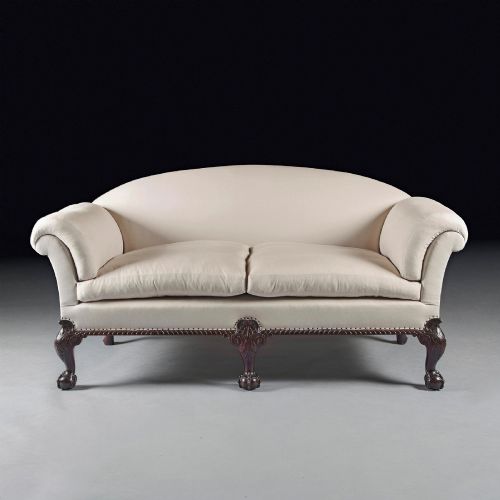
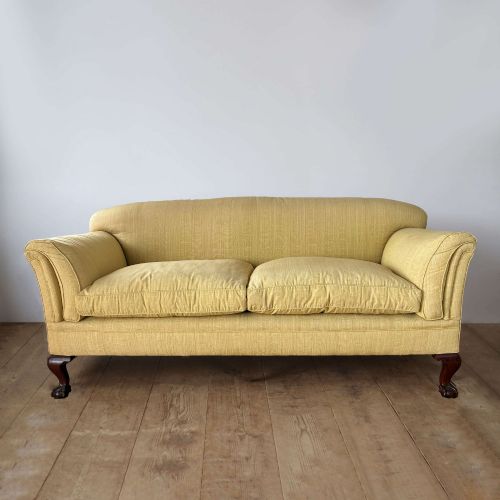
Frames are constructed from hardwoods including mahogany, walnut, and rosewood, sometimes accented with delicate inlay work or hand-carved floral details. Structural support often rests on wooden legs, which can include ball and claw feet.
Upholstery techniques involve fabrics such as damask, leather, and traditional ticking, frequently paired with deep buttoning for texture and structural support. Brass hardware and wooden frames complete the construction of these nineteenth-century seats.
Victorian Two Seat Settee Retail Price Guide 2026
Typical asking prices for victorian two seat settee among the pieces listed under this phrase on Sellingantiques today, from the lower quarter to the upper quarter. They describe what is for sale here now, not the wider market.
Several pieces come equipped with ball and claw feet, giving these upholstered seats a surprisingly fierce stance.
What varies in quality
The standard of a victorian two seat settee depends upon the precision of the timber frame joinery and the execution of carved or inlaid details. Pieces retaining original upholstery materials or bearing documented maker attributions demonstrate distinct craftsmanship.
Proportion and scale distinguish individual examples, with smaller love seats and refined revival forms showing particular attention to silhouette. The integration of high-grade upholstery fabrics and supportive sprung interiors elevates the overall construction.
Howard and Sons·Butlers of Dublin
The Victorian Two Seat Settee Glossary
- Chesterfield
- A deeply buttoned upholstered sofa style traditionally featuring arms and back of the same height. This form appears frequently in nineteenth-century seating.
- Settee
- A small upholstered bench or sofa designed for multiple occupants. The term is used interchangeably with couch and two-seater across period listings.
- Inlay
- A decorative technique where contrasting woods or materials are set flush into the surface of the primary timber frame. Mahogany and rosewood pieces often incorporate this detail.
- Button back
- An upholstery method where tufting pulls the fabric deep into the padding using buttons, creating a patterned diamond effect. This treatment is common on salon settees and love seats.
- Ball and claw
- A furniture foot design representing a bird's talon grasping a ball, frequently carved into the wooden legs of period seating.
Victorian Two Seat Settee: Frequently Asked Questions
What is a victorian two seat settee?
A victorian two seat settee is a compact nineteenth-century seating option built to seat two people.
These pieces use wood frames like mahogany or walnut paired with upholstered seats.
How do I use a love seat?
A love seat serves as a small sofa suited for intimate seating areas or bedrooms.
Its compact footprint allows it to fit into window bays and smaller reception rooms.
What materials were used?
Frames are built from hardwoods including mahogany, walnut, and rosewood.
Upholstery consists of materials like leather, damask, and traditional ticking fabric.
How do I identify a period piece?
Period pieces display nineteenth-century construction methods, timber selections, and traditional upholstery styles.
Maker signatures or revival design traits also help indicate the era of manufacture.