

Victorian Turned Wood Legs
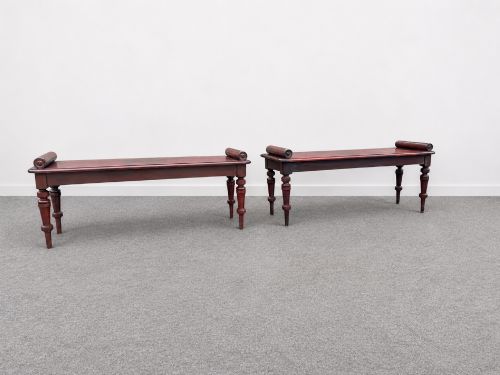
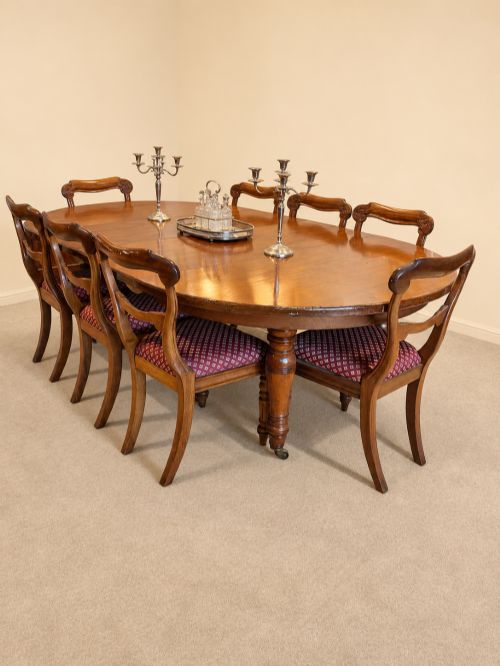
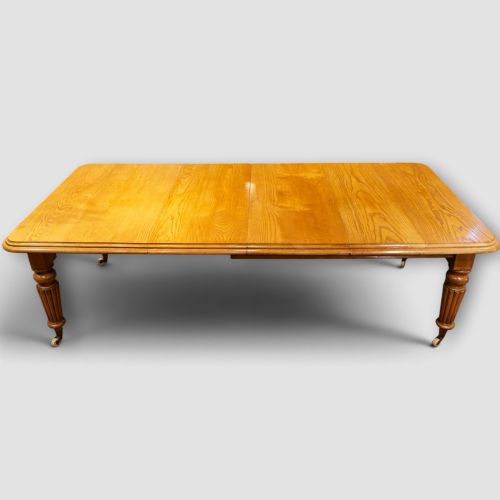
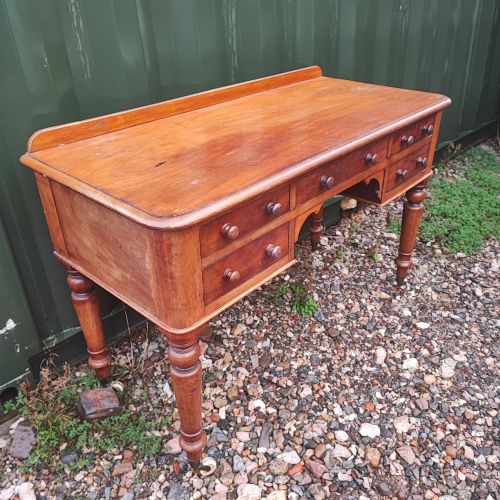
Victorian turned wood legs anchor heavy mahogany dining tables, walnut writing desks and kitchen Windsor chairs from the nineteenth century.
Victorian Turned Wood Legs
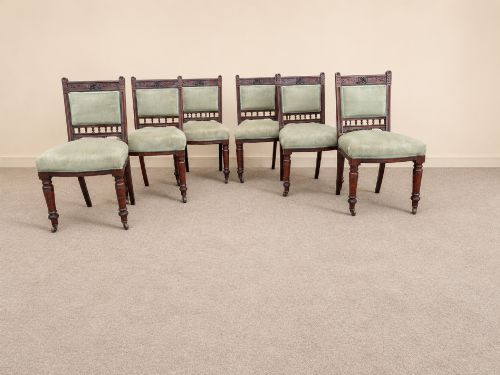
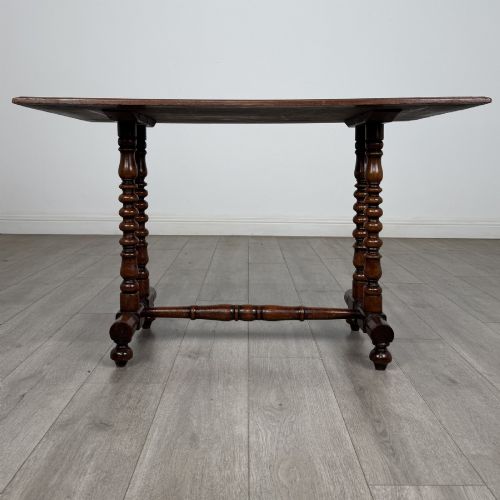
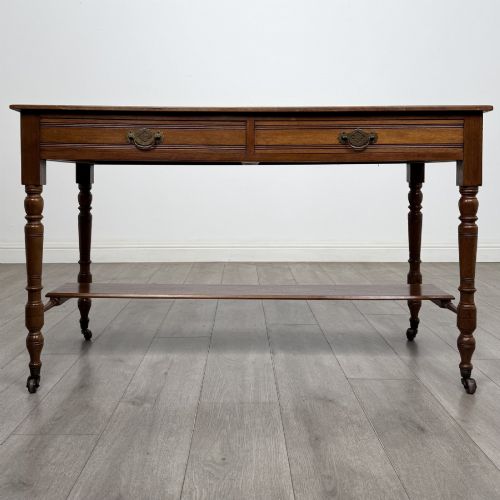
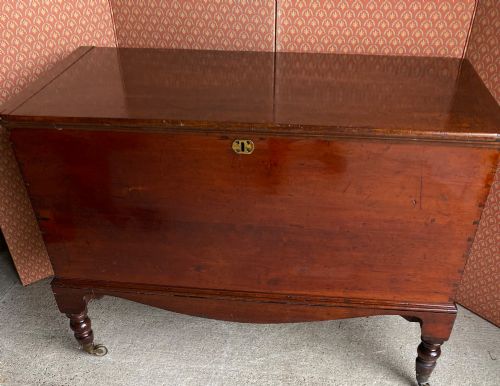
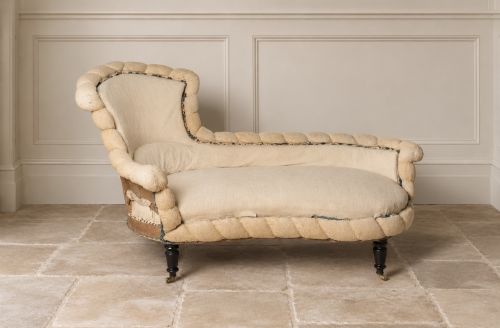
Victorian turned wood legs appear on dining tables, writing desks, side tables and seating across this page. Buyers searching for victorian turned wood legs encounter substantial furniture built for nineteenth-century domestic use, carrying spindle or bobbin forms beneath mahogany, walnut and oak tops.
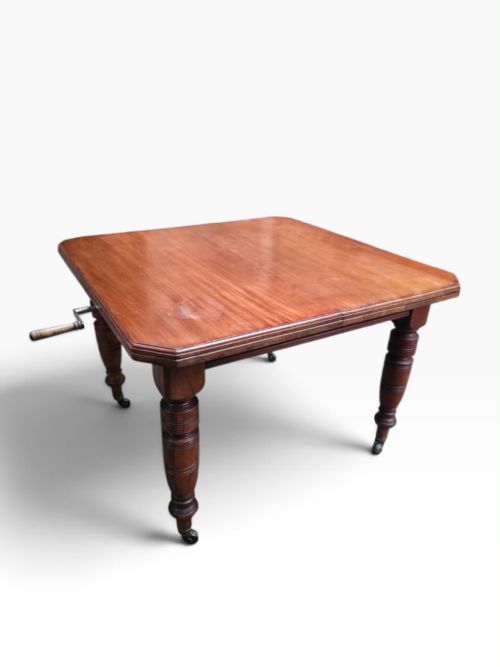
The selection ranges from extending dining tables with winding handles to tripod occasional tables, side tables and kitchen armchairs. Most examples date from the Victorian period, though adjacent nineteenth-century eras and styles also contribute pieces resting on lathe-turned supports.
Makers and workshops utilised these turned elements to add rigidity and architectural character to functional objects. Whether supporting a large extension table or a compact Sutherland drop-leaf table, the turned leg defines the structural silhouette.
Materials and Construction
Makers turned dense hardwoods on lathes to shape the structural legs and supports found across these listings. Mahogany, walnut, oak, elm, beech and ash provide the primary timbers, selected for their strength and ability to hold crisp lathe-turned profiles.
Joining techniques rely on mortise and tenon joints, threaded winding mechanisms for extending dining tables, and solid brass fittings. Turned stretchers frequently tie the legs together beneath tables and chairs to increase stability under daily load.
Victorian Turned Wood Legs Retail Price Guide 2026
Typical asking prices for victorian turned wood legs among the pieces listed under this phrase on Sellingantiques today, from the lower quarter to the upper quarter. They describe what is for sale here now, not the wider market.
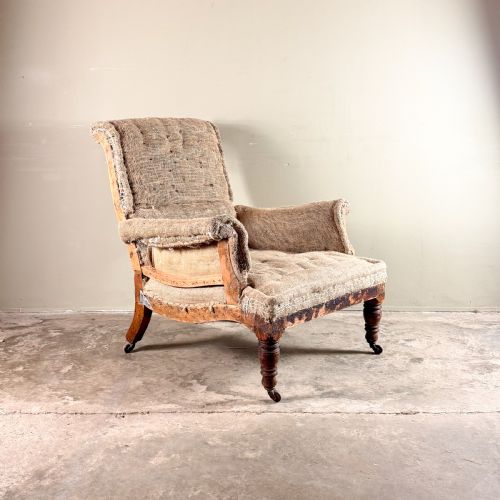
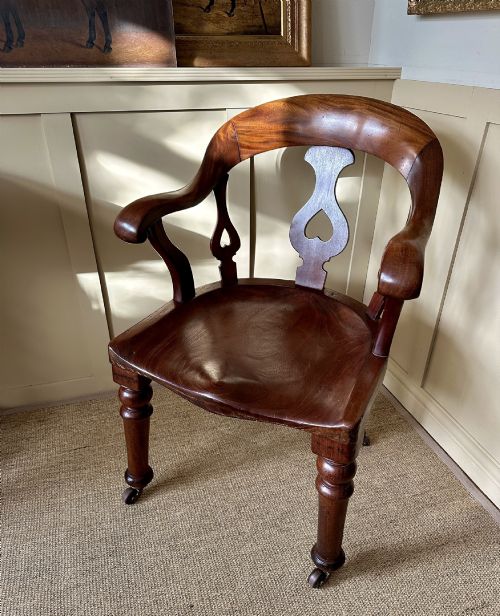
One persistent armchair was caught keeping secrets with pierced heart splats.
Distinctions in Quality
Quality rests in the precision of the turning and the selection of timber figures, such as burr elm or figured mahogany. Finer pieces demonstrate crisp symmetry in the lathe work and careful grain matching across table leaves and tops.
Substantial proportions and original mechanical elements, such as winding handles on extending tables or brass castors, separate superior examples from simpler utilitarian items. The integration of the turned leg with the main frame dictates the overall integrity of the piece.
C Hindley and Sons·Heals of London·Gillows·Howard and Sons
The Victorian Turned Wood Legs Glossary
- Turned leg
- A wooden support shaped by rotating timber against a cutting tool on a lathe. This process creates cylindrical profiles with rings, coves and beads.
- Bobbin turning
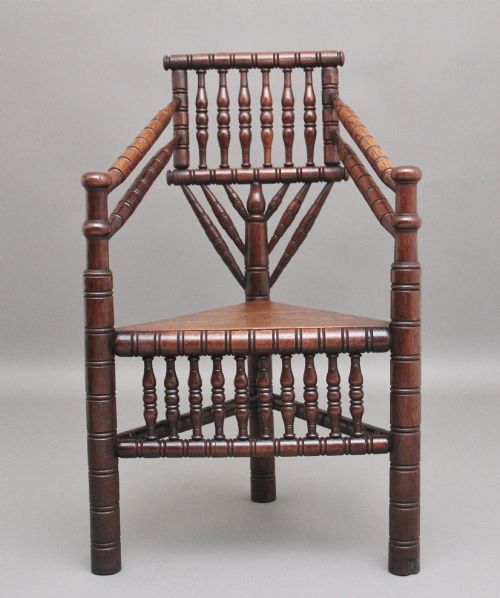
- A specific style of lathe work resembling a string of spools or bobbins. It appears frequently on nineteenth-century side tables and occasional furniture.
- Extending dining table
- A large table fitted with internal mechanisms and loose leaves to expand seating capacity. Many Victorian examples utilise winding handles for adjustment.
- Tripod table
- A small occasional table supported by a central pillar above three spreading legs. They often feature tilt-top mechanisms for storage.
- Windsor chair
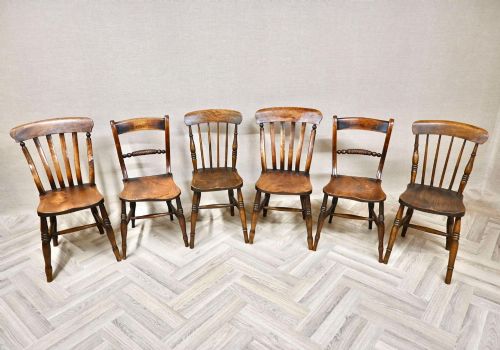
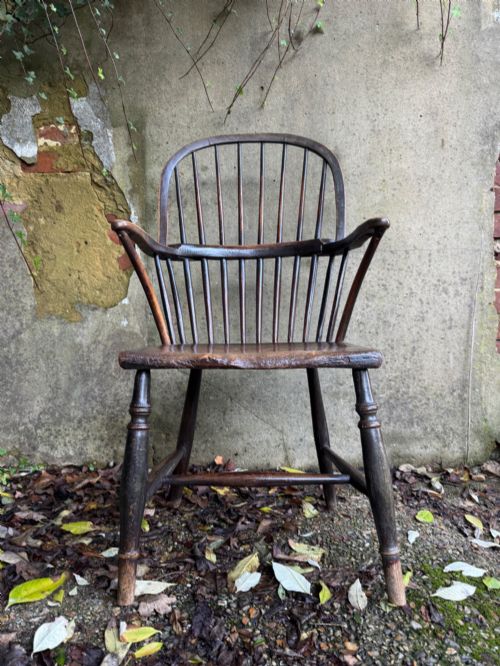
- A traditional seating form featuring a solid wooden seat into which legs and spindles are wedged. Elm and ash commonly form these country chairs.
Victorian Turned Wood Legs: Frequently Asked Questions
How do I date a turned leg?
Dating relies on timber selection, tool marks, and the overall style of the piece. Nineteenth-century examples often display deeper lathe profiles in dense hardwoods like mahogany or walnut.
Compare the turned elements against documented pieces from the same era, noting how proportions shifted between the early and late Victorian decades.
Were these legs made by hand?
Cabinetmakers shaped these components using pole lathes or mechanical lathes driven by foot treadles or early workshop power. Hand guidance created subtle irregularities that distinguish antique turnings from modern mass production.
Examine the surface for tool friction marks and consistency within sets of four or more legs.
How should I care for turned wood?
Maintain the timber by dusting regularly with a dry cloth and applying natural beeswax periodically to nourish the grain. Avoid placing furniture near direct heat sources to prevent timber shrinkage.
Protect finished surfaces from moisture by using coasters and mats beneath objects placed on table tops.
What woods were used most?
Makers selected dense native and imported hardwoods capable of holding sharp turning details. Mahogany, walnut, oak, beech, elm and ash dominate the historical record.
Choice of timber often reflects regional availability and the intended function of the furniture, from formal dining tables to farmhouse seating.