

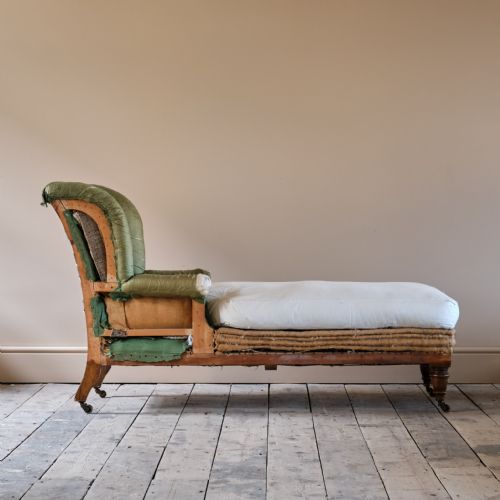


Antique Green Chaise Longue
An antique green chaise longue offers an inviting spot for afternoon rest, bringing refined nineteenth-century seating and rich upholstered tones into a modern interior.
Antique Green Chaise Longue
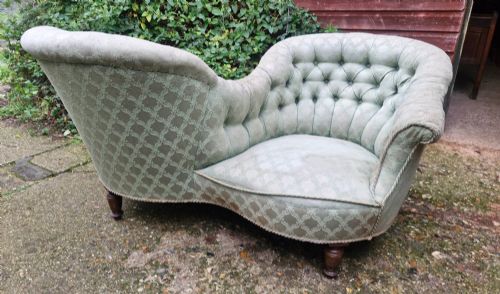
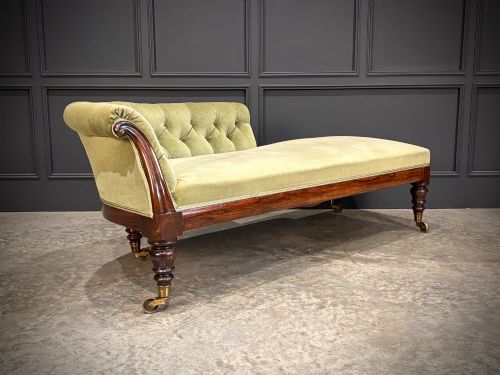
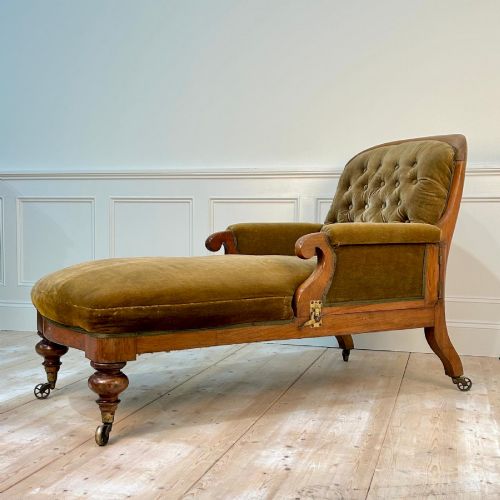
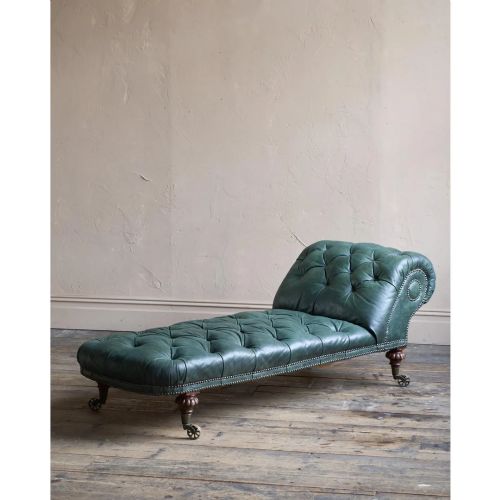
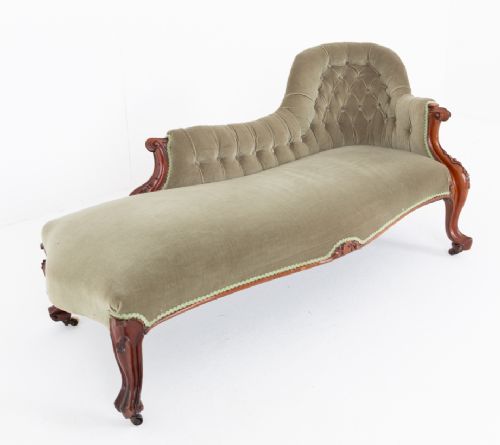
An antique green chaise longue is a long seat designed for reclining, typically featuring an elevated backrest at one end and upholstered in shades of green fabric, velvet, or damask. Buyers searching for this phrase encounter nineteenth-century daybeds, conversation seats, and multi-piece duchesse brisee designs.
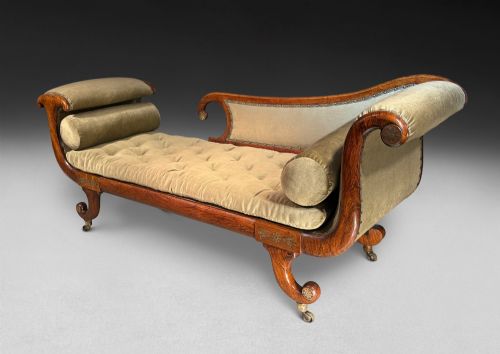
The pieces listed on this page span the Regency, Victorian, and Arts and Crafts periods, incorporating styles such as French Rococo and Victorian Rococo Revival. Most examples originate from the nineteenth century, including specific dates from the 1860s through to 1900.
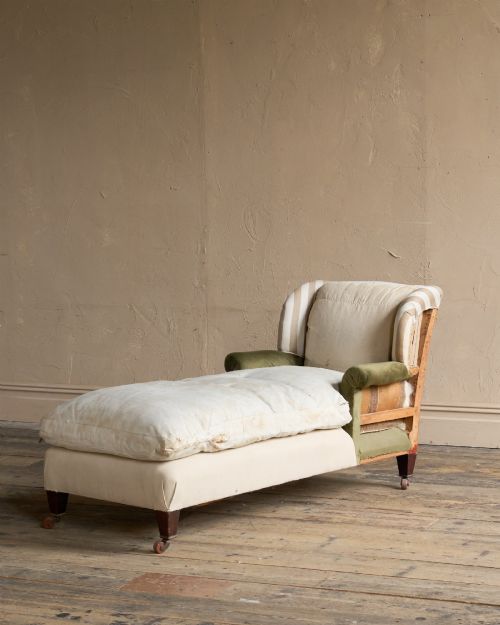
In addition to standard single-ended chaises, the selections include daybeds and Howard style seating in walnut, mahogany, rosewood, and simulated rosewood. Green upholstery unifies these diverse forms, appearing across leather, velvet, and patterned textiles.
Materials and construction
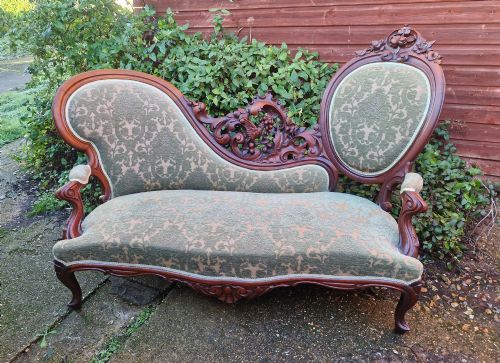
Frames are constructed from dense timbers like mahogany, walnut, and rosewood, alongside simulated rosewood finishes and brass inlay details. Craftspeople shaped these hardwoods to support sweeping scroll ends and carved wooden backs.
Upholstery relies on traditional textiles including velvet, damask fabric, and leather, often secured over sprung bases or box ottoman storage compartments. Decorative elements range from gilded wood frames to detailed carved wooden motifs.
Antique Green Chaise Longue Retail Price Guide 2026
Typical asking prices for green chaise longue among the pieces listed under this phrase on Sellingantiques today, from the lower quarter to the upper quarter. They describe what is for sale here now, not the wider market.
The listings span the Regency, Victorian, and Arts and Crafts periods, constructed from mahogany, walnut, rosewood, and brass.
Factors of quality
Quality rests in the crispness of the timber carving and the architectural balance of the frame, where fluid lines on Victorian Rococo Revival or Regency pieces demonstrate superior joinery. Finer examples display carefully figured rosewood or mahogany veneers alongside precise brass inlay work.
The integrity of the structural frame and the selection of covering material elevate certain pieces above standard production. Original upholstery textiles like aged leather or heavy damask contribute to the distinct character of the better specimens.
William Birch
The Antique Green Chaise Longue Glossary
- Chaise Longue
- A long upholstered chair for reclining, literally translating from French as long chair. These pieces typically feature one raised end for head support.
- Duchesse Brisee
- A multi-part daybed consisting of a chair and an ottoman, or two chairs separated by a low stool. This French form allows for flexible lounging arrangements.
- Conversation Seat
- A upholstered double seat designed so two people can sit facing opposite directions while conversing. These circular or S-shaped forms appear in nineteenth-century interiors.
- Simulated Rosewood
- Painted or stained timber finished to mimic the rich grain of genuine rosewood. This technique was frequently utilised during the Regency period.
- Box Ottoman
- A daybed design incorporating an internal storage compartment beneath the seat cushion. It combines lounging utility with concealed household storage.
Antique Green Chaise Longue: Frequently Asked Questions
What is an antique green chaise longue?
An antique green chaise longue is a nineteenth-century reclining seat upholstered in green fabric, velvet, or leather. These pieces range from Victorian mahogany frames to Regency simulated rosewood designs.
They serve as decorative daybeds and statement seating for living rooms or bedrooms, combining functional length with historic woodwork.
How do I date a Victorian chaise longue?
Dating relies on stylistic shifts, timber choices, and structural forms recorded across the nineteenth century. Regency examples often feature brass inlay, while later Victorian pieces show heavier carved walnut or rosewood.
Specific construction methods, such as box ottoman frames or Howard style upholstery, also help narrow down the production era.
Where should I place a daybed?
These long seats suit generous reception rooms, studies, or large bedrooms where adequate floor space allows the timber frame and upholstery to be viewed from multiple angles. Position them against a wall or floating in a room to showcase the carved backrest.
Daybeds function well as reading spots or alternative places for daytime rest.
What is a duchesse brisee?
A duchesse brisee is a multi-piece French daybed formation, often split into two or three sections like a chair and a stool used together. These pieces provide an extended surface for reclining.
French giltwood examples demonstrate more elaborate craftsmanship than standard single-piece chaises.