


Victorian Travel Coffer
A victorian travel coffer is a robust portable container built for journeys by land and sea, offering practical storage with distinct period character.
Victorian Travel Coffer
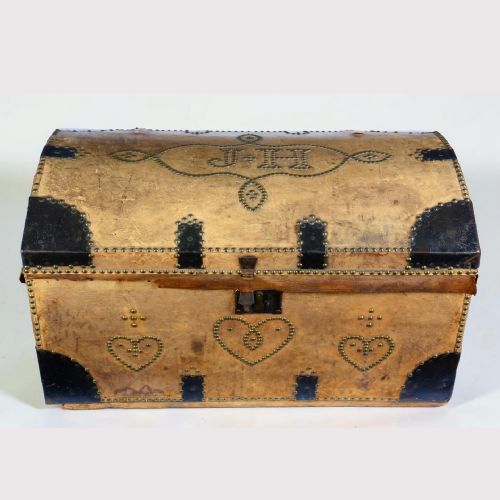
A victorian travel coffer serves as a sturdy storage trunk designed for the rigours of transit during the nineteenth century. These pieces encompass military campaign chests, steamer trunks, and coaching chests built to endure long voyages.
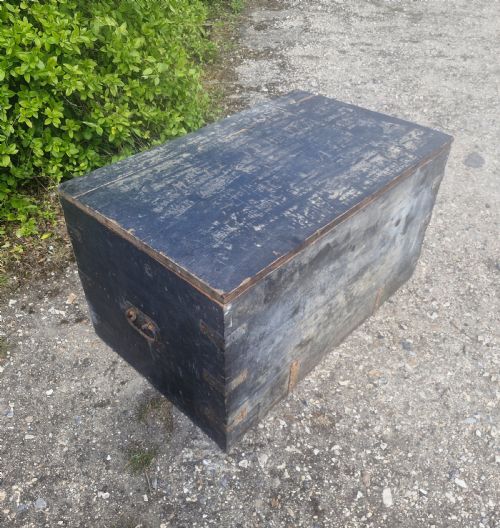
Camphorwood, pine, oak, and teak form the primary bodies of these trunks, frequently reinforced for heavy usage. Many examples display the practical hallmarks of military transport or maritime relocation.
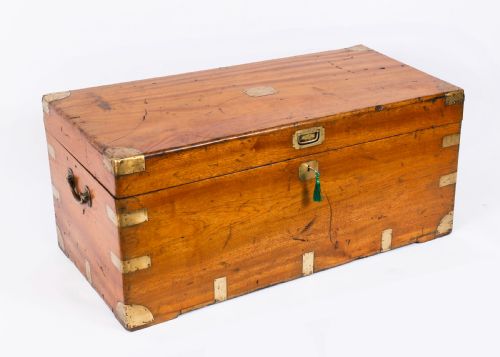
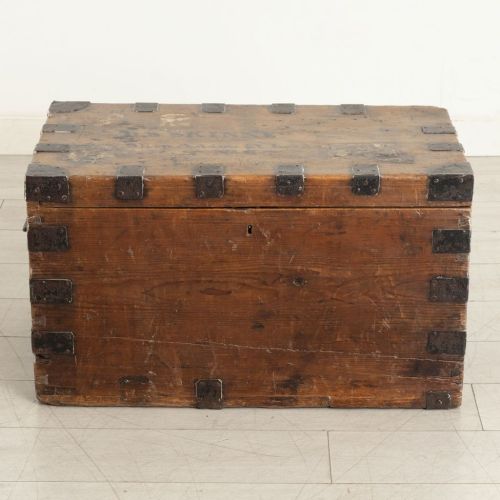
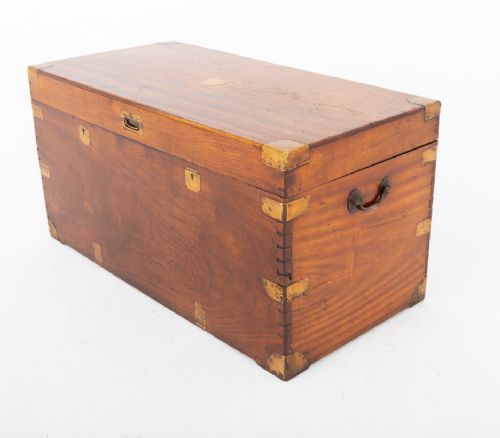
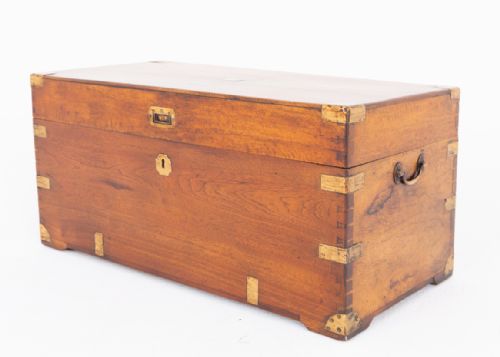
The version most commonly encountered on this page is the campaign or travelling trunk constructed from camphorwood or pine, often banded with brass or iron for added resilience on the road.
Materials and Construction
Cabinet makers utilised durable timbers such as camphorwood, teak, oak, and pine to build these travel coffers, selecting woods that resisted humidity and insect damage during colonial service.
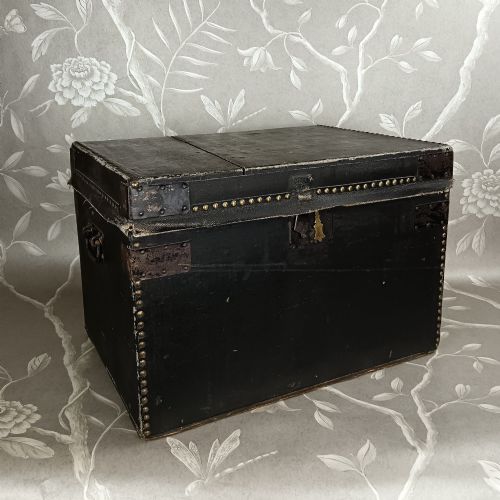
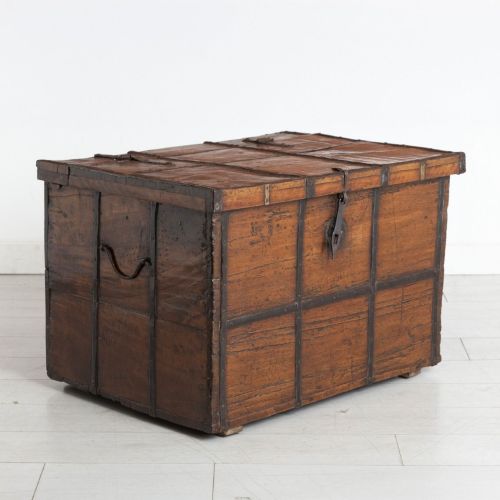
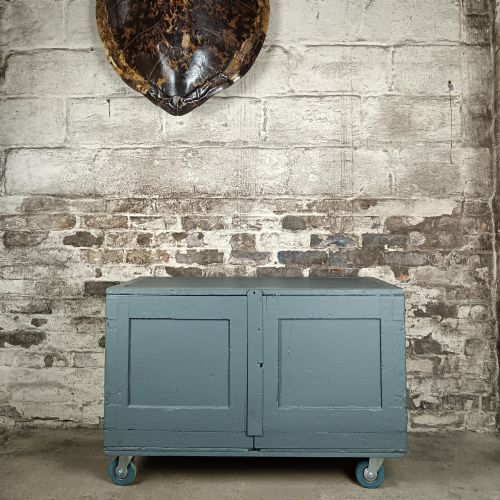
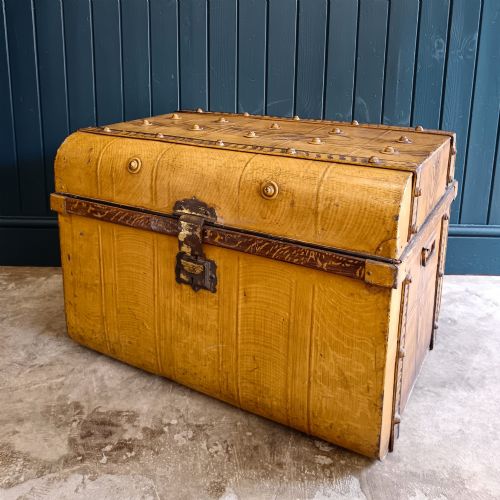
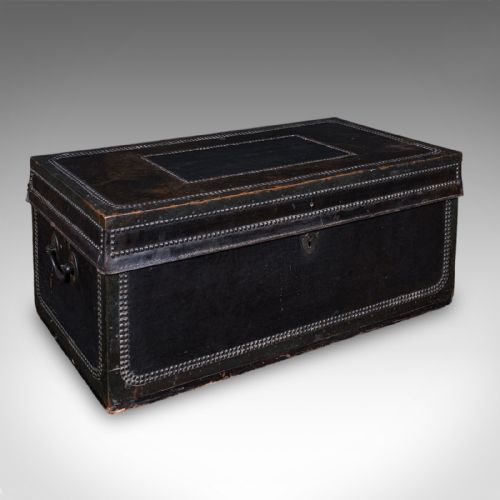
Metal reinforcement defines the construction, with brass and iron corner plates, strapwork, and studwork protecting vulnerable edges from rough handling in transit. Leather coverings and painted finishes provide further weather resistance.
Dovetailed joints and internal fittings secure the structure, while recessed brass drop handles allow the heavy boxes to be lifted and stowed efficiently within ships and carriages.
Camphorwood trunks retain their sharp, medicinal scent after more than a century to deter pests.
Distinctions in Quality
The caliber of a victorian travel coffer rests on the selection of timber, the integrity of its internal structure, and the quality of its metal mounts. Solid camphorwood and dense teak command attention for their durability and aromatic grain.
Original hardware, including maker-stamped locks, inset brass handles, and heavy binding, elevates the standing of a trunk. Secondary pine painted pieces rely on the preservation of their surface finish and structural soundness.
Wm. Insall of Bristol·Arthur Wannop·Elkington
The Victorian Travel Coffer Glossary
- Campaign chest
- A portable chest built in sections with recessed handles, designed for military officers on the move. These pieces dismantle easily for transport on pack animals or wagons.
- Steamer trunk
- A lower-profile trunk engineered to fit beneath a ship berth during ocean voyages. They often feature domed or flat tops covered in canvas, leather, or painted metal.
- Coaching trunk
- A heavy leather or wood chest secured to the outside of a stagecoach for long-distance travel. Such trunks frequently display brass studwork and strong iron bindings.
- Camphorwood
- An aromatic timber prized in military and maritime trunks for its insect-repellent properties. The wood releases a distinct scent that protects stored textiles.
- Brass bound
- A method of reinforcing trunk edges and corners with metal strips and brackets. This technique adds structural rigidity while protecting the wood from impact.
Victorian Travel Coffer: Frequently Asked Questions
How were these trunks used?
These trunks served military officers, colonial administrators, and civilian travellers who needed to move their possessions safely over vast distances. Officers packed uniforms and documents in camphorwood chests, while passengers utilised steamer trunks for extended voyages.
The robust construction ensured that contents remained secure against moisture, dust, and impacts during transit in cargo holds and on carriage roofs.
How do I clean camphorwood?
Camphorwood requires gentle maintenance to preserve its natural oils and characteristic aroma. Wipe the surfaces with a soft, dry cloth to remove dust without stripping the wood.
Avoid harsh chemical cleaners or excessive water, which can damage the grain. Light sanding on the interior can occasionally refresh the scent if it fades over time.
Where should I place a trunk?
These trunks function well as coffee tables, blanket boxes, or end-of-bed storage units in modern interiors. Their sturdy lids and internal space make them practical for hiding clutter while adding texture to a room.
Keep them away from direct heat sources and strong sunlight to prevent the timber and leather bindings from drying out or warping.