

Victorian Toilet Table
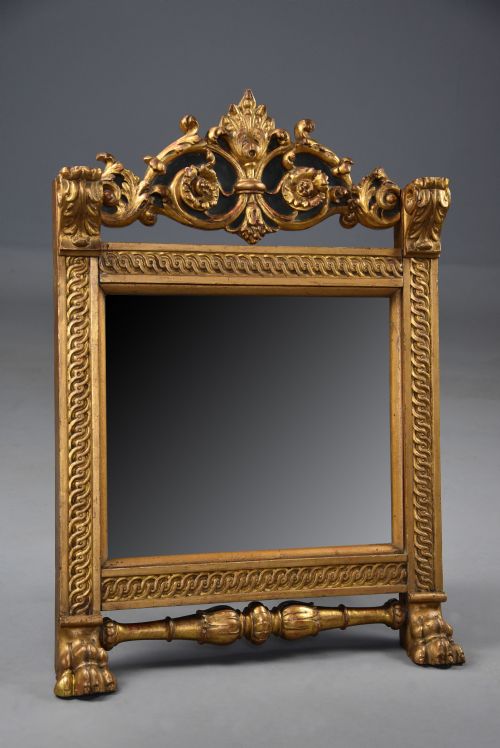
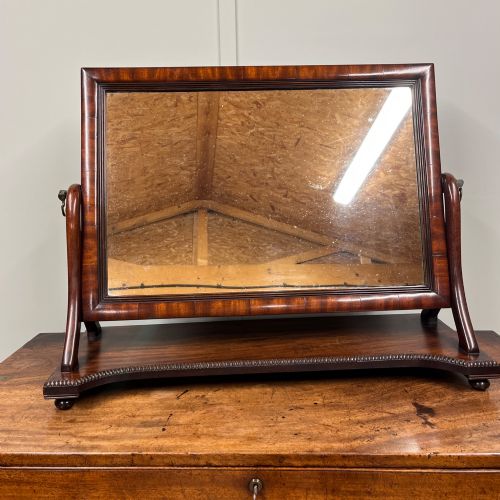
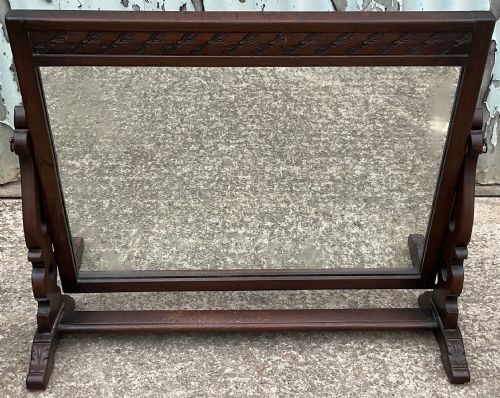
When you search for a victorian toilet table, you enter a world of fine timber swing mirrors and compact dressing furniture designed for the bedroom.
Victorian Toilet Table
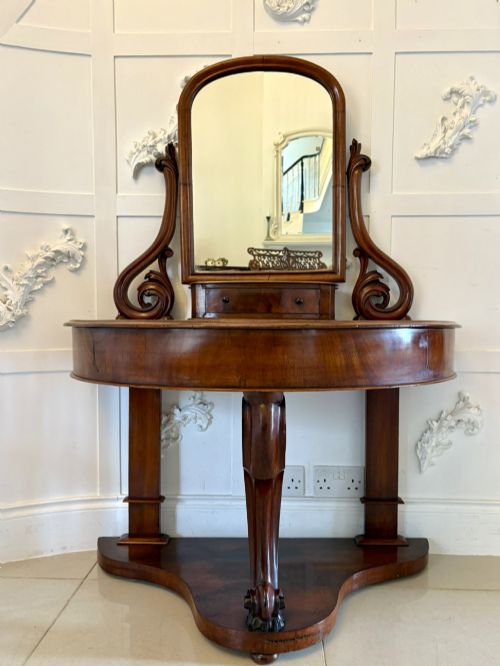
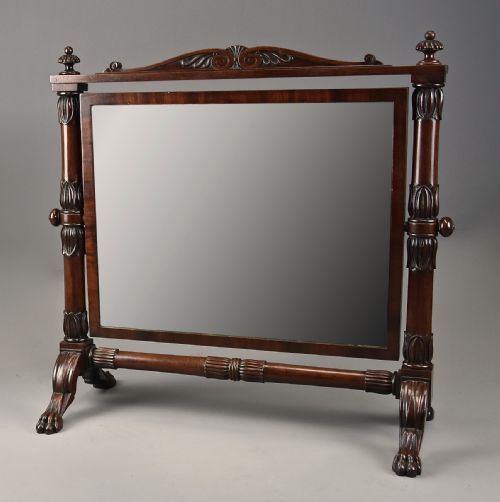
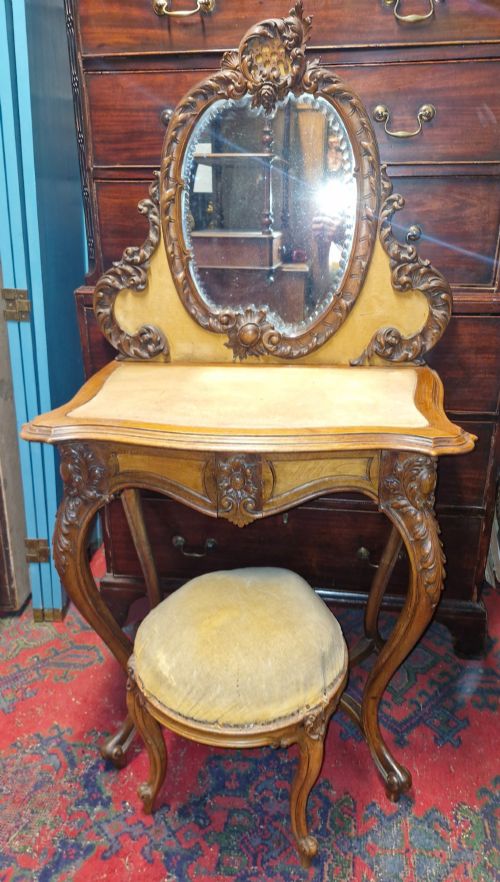
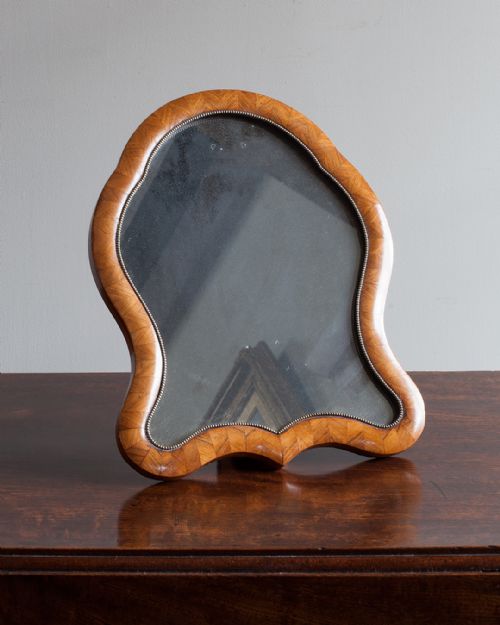
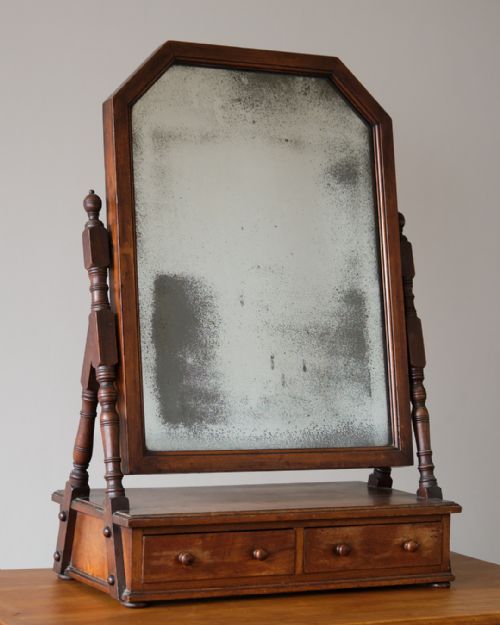
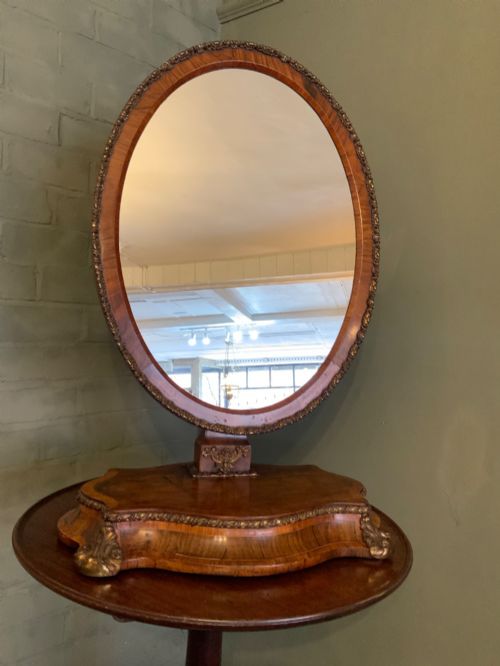
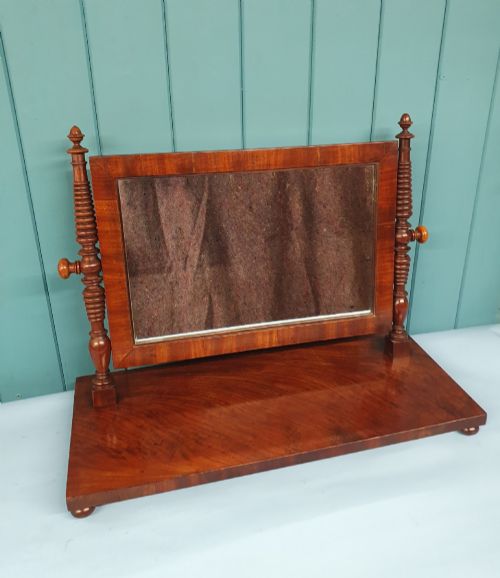
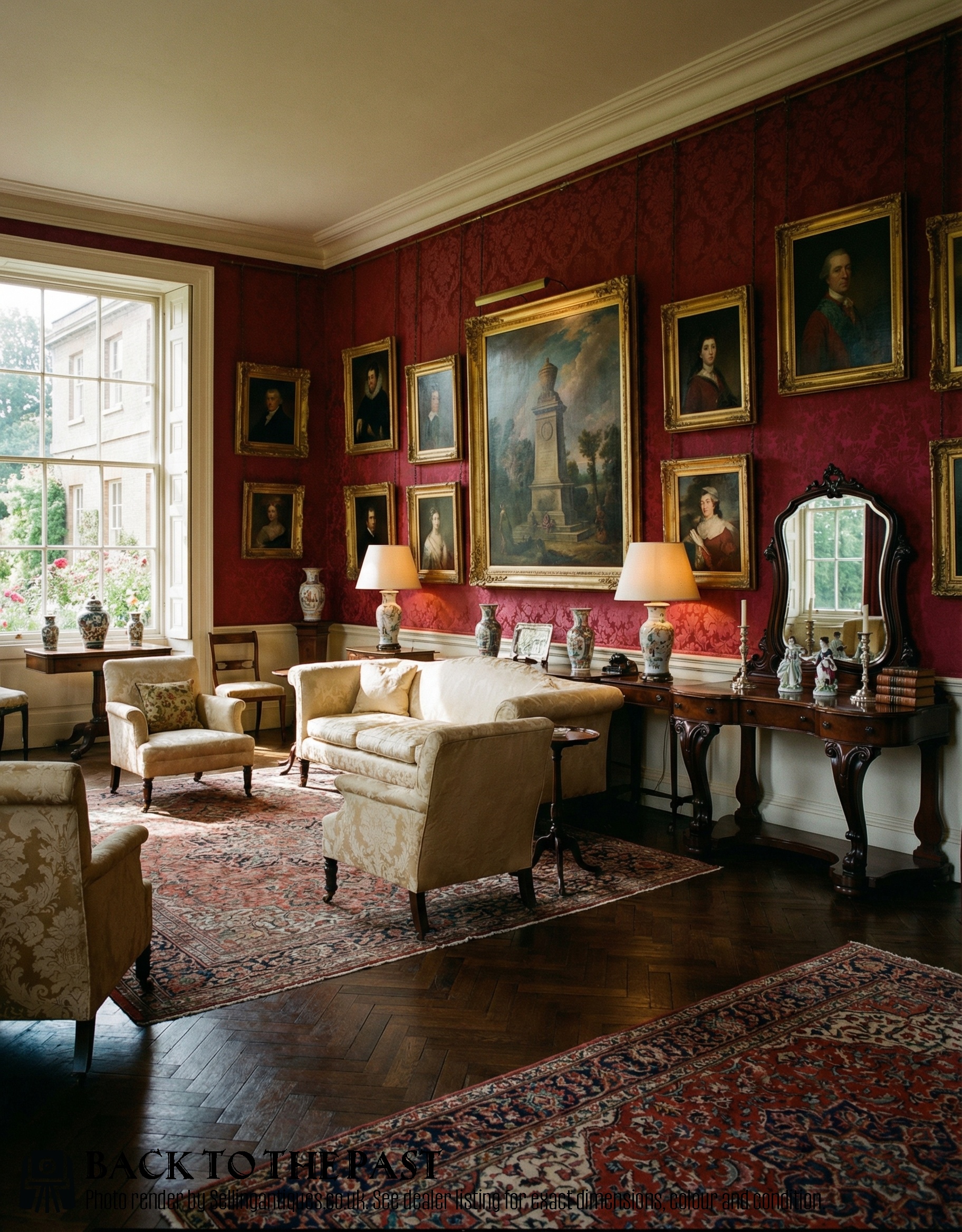
A victorian toilet table typically takes the form of a dressing table mirror or a swing mirror designed to sit atop a larger chest or stand. These pieces belong to a lineage spanning the nineteenth century, with mahogany remaining the dominant timber alongside walnut, oak, and occasional painted pine.
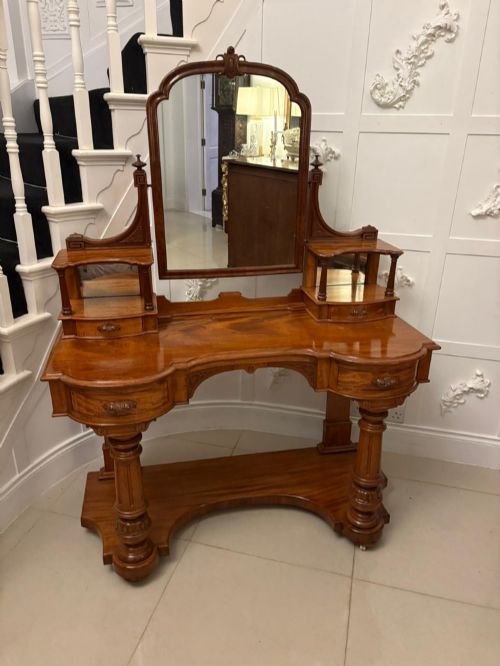
Beyond the standard tabletop swing mirror, the selection includes larger dressing tables, gentleman's shaving stands on tripod bases, and vanity boxes. Many incorporate small drawers at the base or bureau fitments for storing personal items.
The objects reflect a range of revival influences, from Regency and Rococo to Renaissance and Gothic styles. Makers such as Heal & Sons and H Mitchell appear in the record, alongside Scottish regional variations.
How They Were Made
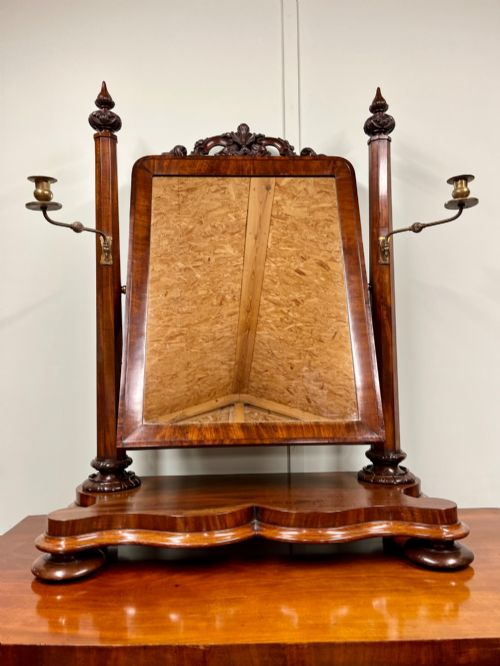
Makers utilised dense hardwoods like mahogany and walnut, frequently selecting figured or flame grain veneers for the primary visual surfaces. Brass pivots, hinges, and candle sconces provided the functional hardware for adjustable swing mirrors.
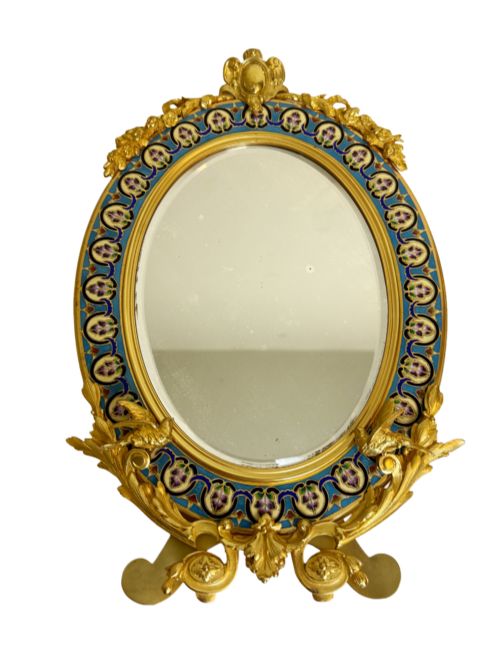
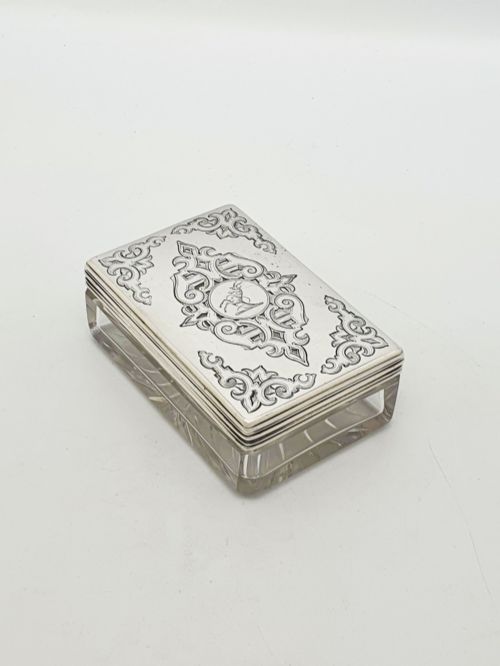
Construction techniques combined traditional joinery with decorative carving, gilding, and occasional champleve enamel work. Smaller items integrated glass mirrors, enamel plaques, and cut glass fitted inside trinket boxes.
Victorian Toilet Table Retail Price Guide 2026
Typical asking prices for victorian toilet table among the pieces listed under this phrase on Sellingantiques today, from the lower quarter to the upper quarter. They describe what is for sale here now, not the wider market.
Object forms range from simple tabletop swing mirrors and shaving stands to elaborate duchess dressing tables and fitted vanity boxes.
What Varies in Quality
The standard of timber selection largely defines the upper tier of these pieces, particularly where flame grain mahogany or figured walnut is employed. Superior examples demonstrate crisp carving, balanced proportions, and integrated drawer structures that operate smoothly.
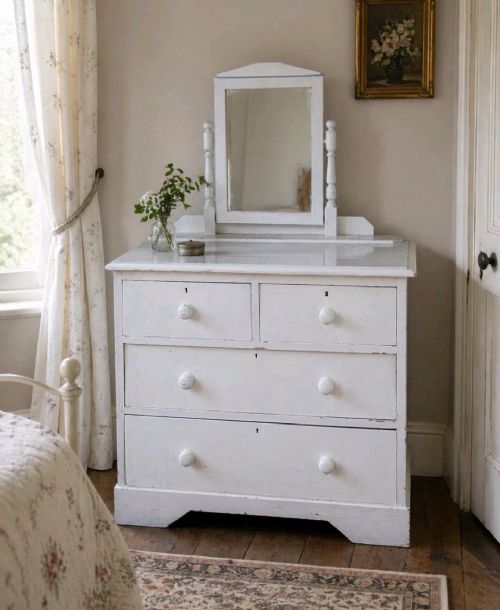
Workmanship extends to the quality of the glass silvering and the robustness of the brass swing pivots. Simpler pine or painted versions sit at the utilitarian end, whilst elaborate champleve bronze, ormolu mounts, and documented maker attributions elevate the piece.
Heal And Sons·H Mitchell
The Victorian Toilet Table Glossary
- Swing mirror
- A glass plate mounted on upright pivots within a frame, allowing the user to tilt the reflection. This form constitutes the majority of toilet table items.
- Cheval mirror
- A full-length dressing mirror supported on a free-standing frame with four legs. These larger pieces permit a complete view of attire.
- Champleve
- An enamelling technique where recessed cells are gouged into a metal surface and filled with vitreous enamel. It appears on decorative late nineteenth-century mirror frames.
- Flame grain
- A distinctive ripple pattern found in certain timber veneers, notably mahogany. It is prized for its decorative movement across the wood surface.
- Bureau fitment
- A small compartmentalised interior built into the base of a mirror stand. It provides hidden storage for letters and personal sundries.
Victorian Toilet Table: Frequently Asked Questions
What is a toilet table?
A toilet table or toilet mirror is a piece of bedroom furniture designed for grooming and dressing. They usually feature an adjustable swing glass mounted on a small timber stand or set atop a dedicated table.
Historically placed on chests of drawers or dressing surfaces, these items held personal accessories, cosmetics, and brushes for daily routines.
How do I date a mirror?
Dating relies on timber choices, construction methods, and stylistic revival cues. Mahogany and walnut dominate the mid-nineteenth century, while later decades introduce distinct brass and bronze mountings.
Examining the backboards, screw types, and mirror glass bevelling helps confirm the period of manufacture alongside any maker labels.
What is a shaving stand?
A shaving stand is a specialised form designed for gentlemen's morning grooming. These often feature an adjustable mirror mounted on a compact tripod base or a dedicated small cabinet.
Unlike standard dressing mirrors meant for tabletops, these stands frequently incorporate height adjustments and specialised trays for shaving equipment.
Are these pieces fragile?
While constructed from durable hardwoods like mahogany and oak, the moving parts require careful handling. The brass pivots that hold the swing mirror can loosen over time if adjusted too forcefully.
Original glass plates and delicate decorative carvings also benefit from stable room environments away from excessive moisture and direct heat.
How do I fit one into a room?
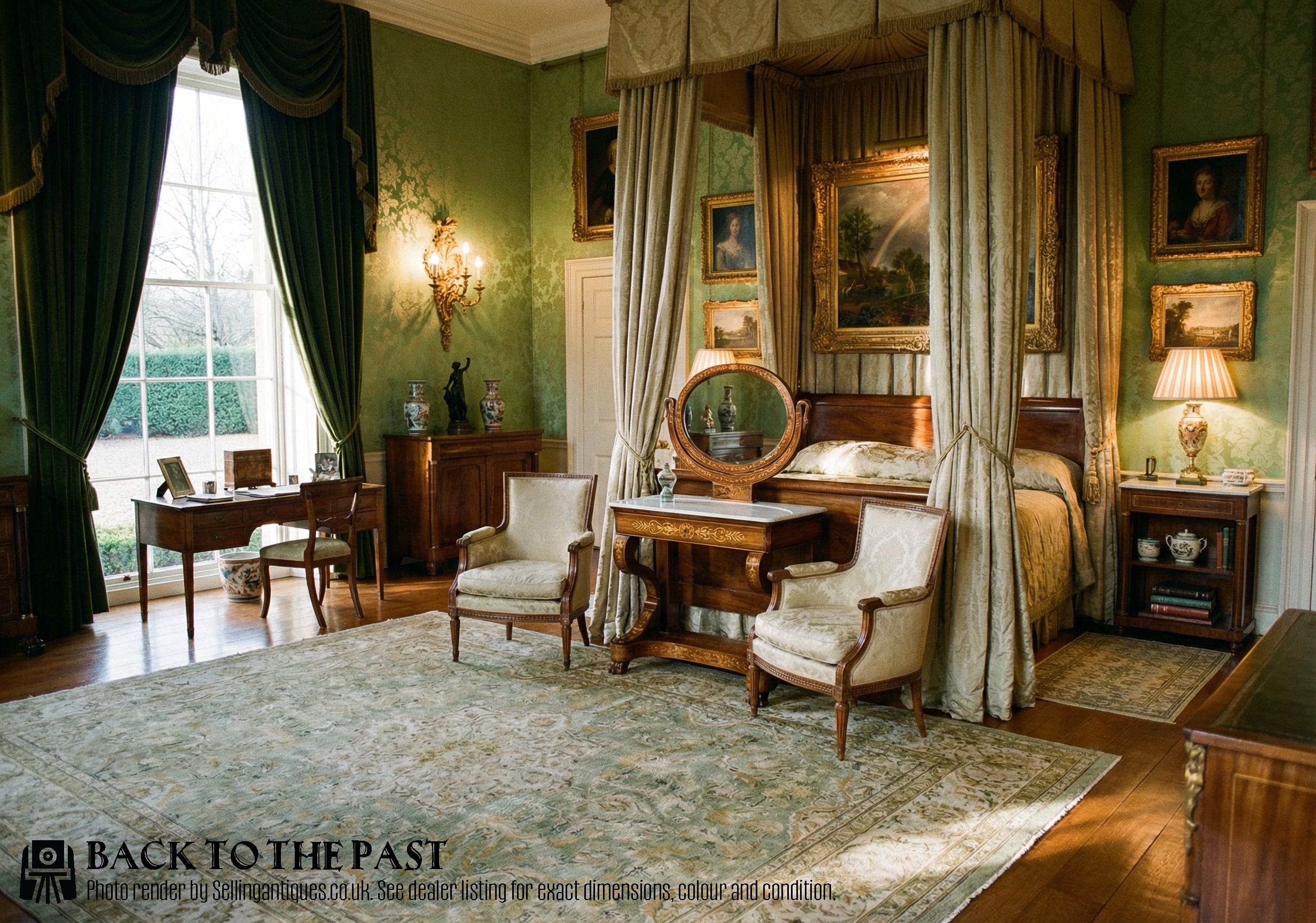
Tabletop mirrors sit comfortably on deep chests of drawers, sideboards, or dedicated dressing desks. Their compact footprints make them adaptable surfaces for bedroom or hallway display.
Floor-standing cheval models require open floor space where the frame can tilt freely without obstruction from surrounding furniture.