






Victorian Tobacco Humidor
These Victorian tobacco humidors are practical smoking accessories designed to keep cigars and pipe tobacco fresh, combining period craftsmanship with gentleman's lounge utility.
Victorian Tobacco Humidor
A victorian tobacco humidor is a dedicated container designed to store pipe tobacco and cigars safely, appearing in various forms throughout the nineteenth and early twentieth centuries. The pieces collected under this search phrase include tobacco jars, cigar boxes, and smoking cabinets.
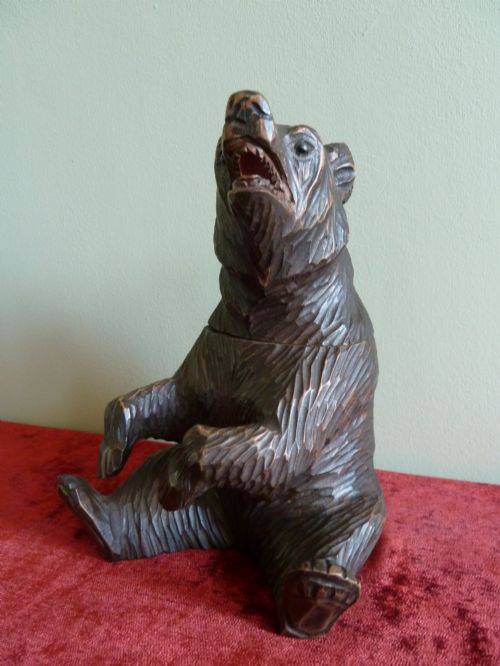
Most examples originate from the Victorian and Edwardian eras, spanning timber cabinets, carved wooden animal figures, and ceramic jars. Buyers frequently encounter Black Forest carved wooden bears and dogs alongside burr walnut locking cabinets.
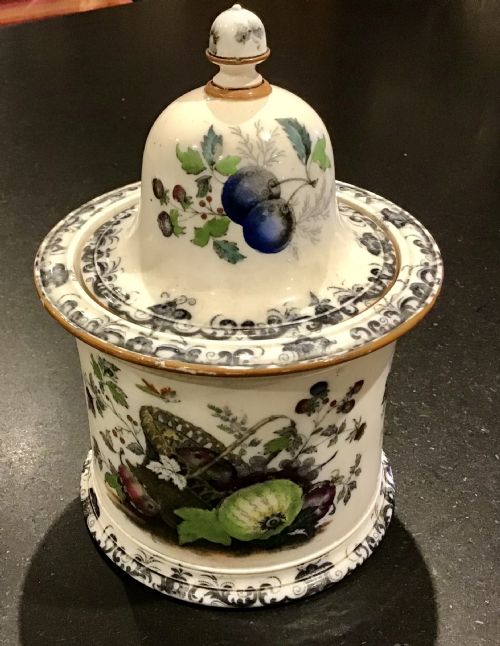
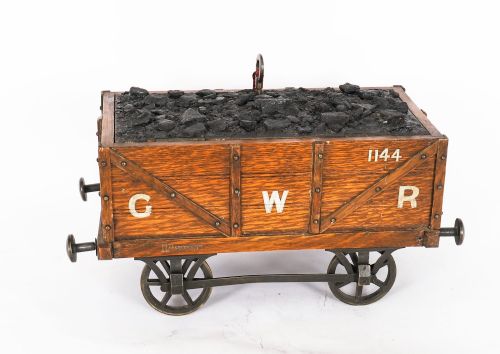
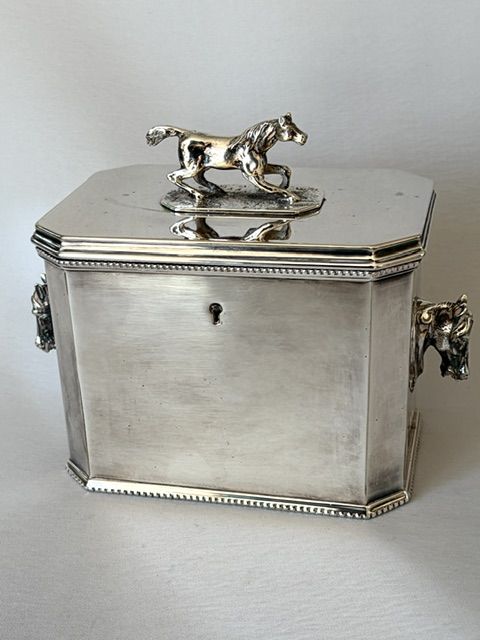
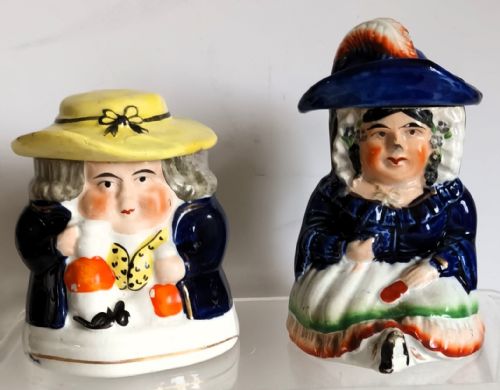
Forms range from novelty railway coal wagons and equestrian boxes to traditional Staffordshire pottery jars with covers. These items reflect the domestic smoking habits and gentleman's club culture of the period.
Materials and construction
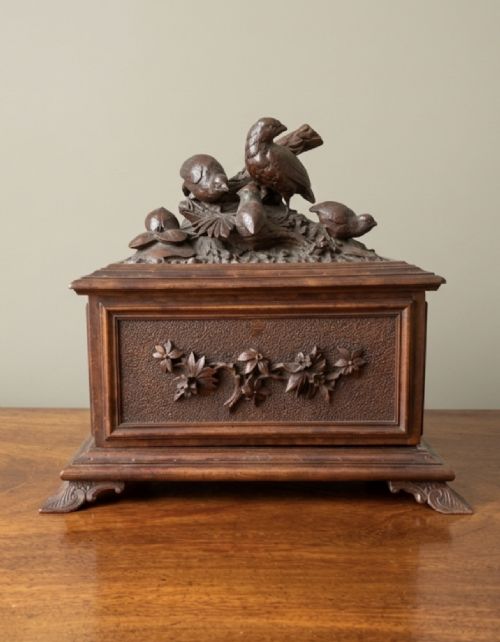
Craftsmen utilised native and exotic timbers such as oak, burr walnut, and linden wood to construct sturdy boxes and cabinets. Carved wood pieces demonstrate intricate hand-carving techniques, particularly evident in Black Forest animal representations.
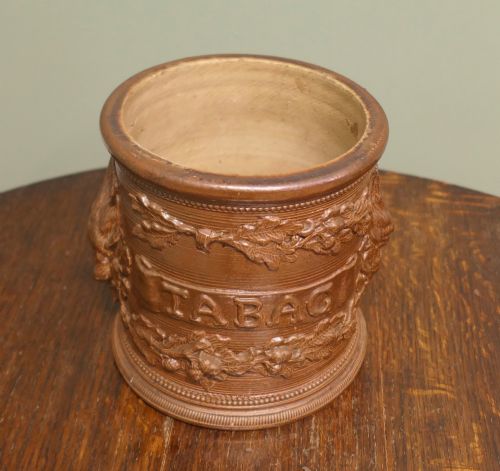
Metals including brass and silver plating provide structural mounts, hinges, and locking mechanisms for secure storage. Ceramics and earthenware appear in moulded pottery jars, often hand-painted with figural designs.
Glass and porcelain components integrate into jars and internal fittings, while enamel adds decorative detail to metal surfaces.
Victorian Tobacco Humidor Retail Price Guide 2026
Typical asking prices for victorian tobacco humidor among the pieces listed under this phrase on Sellingantiques today, from the lower quarter to the upper quarter. They describe what is for sale here now, not the wider market.
Listings feature items from the nineteenth century up to the Edwardian period, constructed from oak, burr walnut, brass, and earthenware.
Evaluating quality
Selection of timber grain dictates visual appeal in cabinet pieces, with figured burr walnut commanding attention for its rich patterning. High-grade construction relies on robust internal joinery, working locks with original keys, and well-fitted lids that maintain closure.
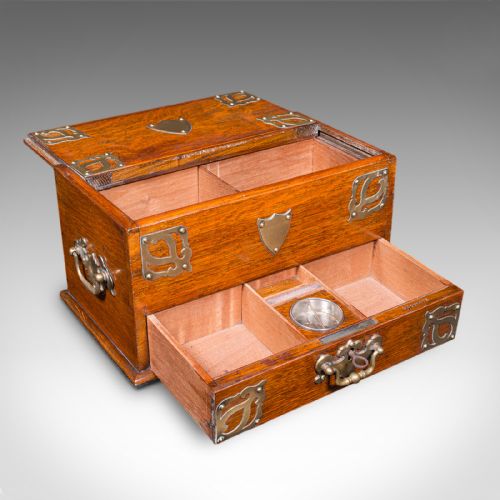
Material combination elevates certain items, such as oak cabinets mounted with heavy brass hardware or silver-plated fittings. The artistic quality of painted ceramics and the inclusion of musical movements or porcelain liners further separate standard items from superior specimens.
The Victorian Tobacco Humidor Glossary
- Humidor
- A specialised container designed to maintain a controlled humidity level for storing cigars and tobacco. These boxes often feature internal linings and tight-fitting lids to preserve leaf moisture.
- Black Forest
- A style of wood carving originating from the mountain region of Germany and Switzerland during the nineteenth century. These pieces predominantly depict bears, dogs, and forest flora in linden or walnut.
- Burr Walnut
- Timber taken from a walnut tree growth featuring swirling, knotty grain patterns prized for decorative veneer. Cabinet makers utilised this figured wood on luxury cigar boxes and writing slopes.
- Staffordshire
- Pottery produced in the pottery towns of Staffordshire, England, encompassing glazed earthenware figures and jars. Many nineteenth-century tobacco jars from this region feature colourful figural subjects.
- Smoker's Box
- A self-contained box or cabinet holding accessories such as pipes, tobacco, and cigars for domestic use. They frequently incorporate divided compartments and matchholders.
Victorian Tobacco Humidor: Frequently Asked Questions
How do I date a humidor?
Dating relies on examining the timber species, construction methods, and hardware styles characteristic of nineteenth-century manufacturing. Locks, hinges, and stylistic cues such as Black Forest carving or Victorian Staffordshire pottery help narrow the production period.
Makers' marks or silver hallmarks on mounted metal parts provide exact year and location data where present. Comparing the form to documented nineteenth and early twentieth-century examples confirms the era.
Can I still store cigars in them?
Many antique humidors retain tight-fitting lids and wooden interiors suitable for holding cigars, though original seals may require modern adjustment. Historic boxes were built to keep tobacco fresh using traditional joinery rather than modern humidification systems.
Collectors often inspect the internal timber condition and lining integrity before placing active cigars inside. Some delicate or porous ceramic jars serve better as decorative display pieces rather than active storage.
What is Black Forest carving?
Black Forest carving refers to highly detailed wooden sculptures and boxes produced in Central Europe during the nineteenth century. Animals such as bears and dogs feature prominently in these dramatic, life-like designs.
Carvers utilised local linden and walnut woods, employing hand-chiselling techniques to create textured fur and expressive faces. These pieces often doubled as functional tobacco holders or umbrella stands.
Why did they make novelty tobacco jars?
Victorian manufacturers produced novelty jars to add humour and conversation to domestic smoking customs and gentlemen's lounges. Everyday objects and characters, from railway coal wagons to literary figures, inspired ceramic and wooden designs.
These whimsical containers reflected the lighter side of Victorian material culture while performing a practical household function. Owning a novelty piece allowed smokers to display personal interests through their smoking accessories.