

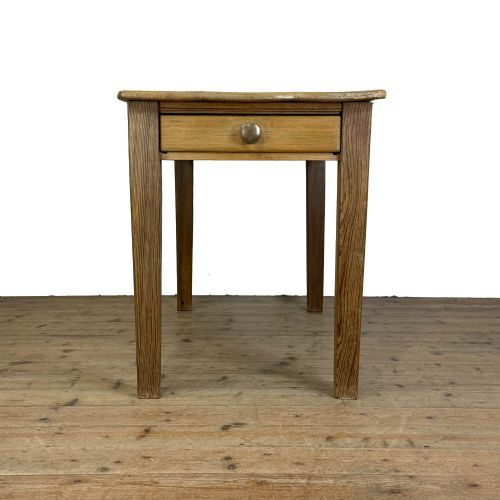


Victorian Timber Side Table
A victorian timber side table brings reliable nineteenth-century utility and rich mahogany, walnut, or pine grain into any room.
Victorian Timber Side Table
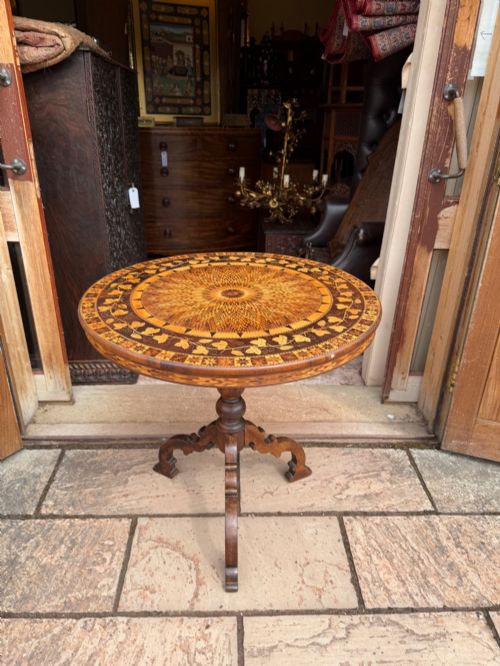
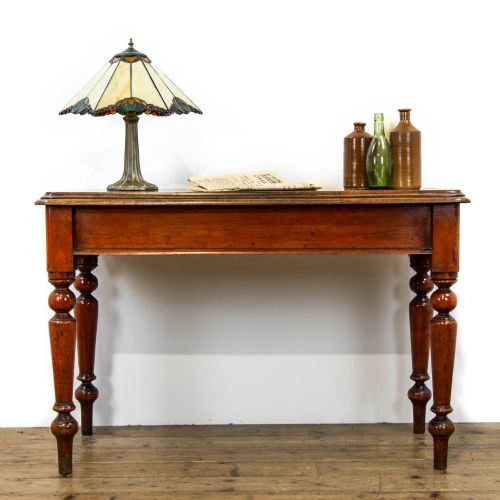
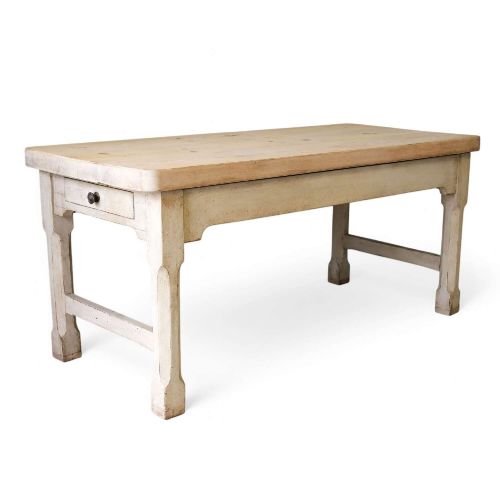
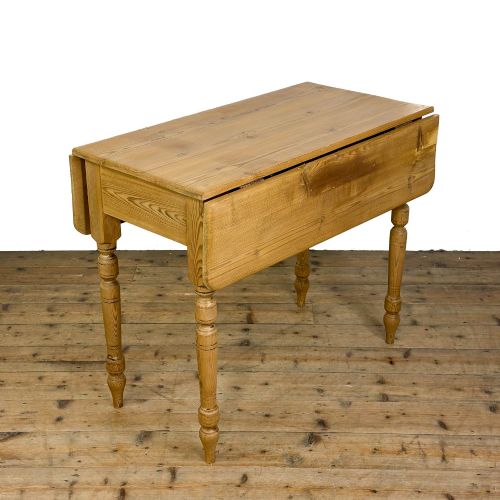
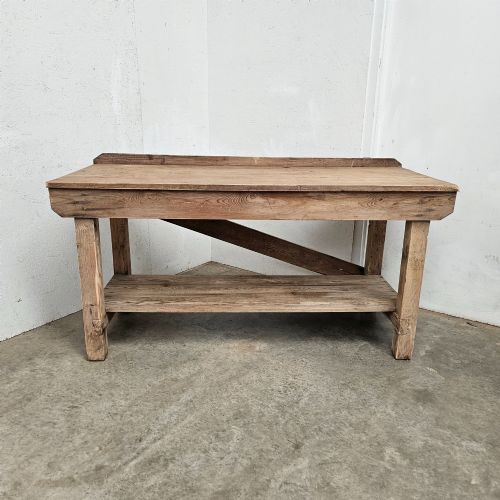
A victorian timber side table encompasses a range of nineteenth-century occasional tables, console tables, and Pembroke worktables designed for functional domestic use. The pieces appearing in this selection reflect diverse regional influences and workshop traditions, spanning from formal mahogany writing tables to rustic pine farmhouse furniture.
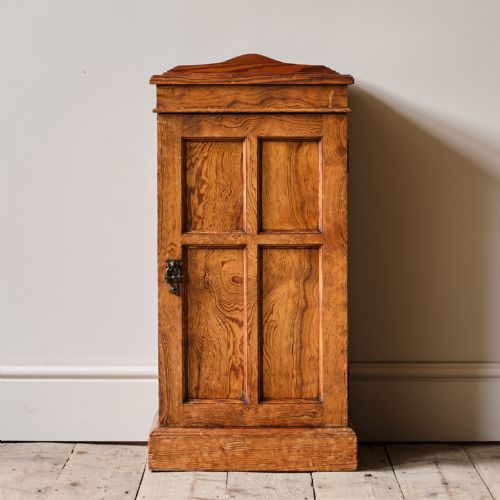
Buyers will encounter various forms, including tilt-top tables, barley twist occasional pieces, and architectural console tables framed in pitch pine or rosewood. Many examples serve specific historical domestic roles, such as bedside pot cupboards, hallway stands, and compact centre tables meant for smaller sitting rooms.
Materials and Construction
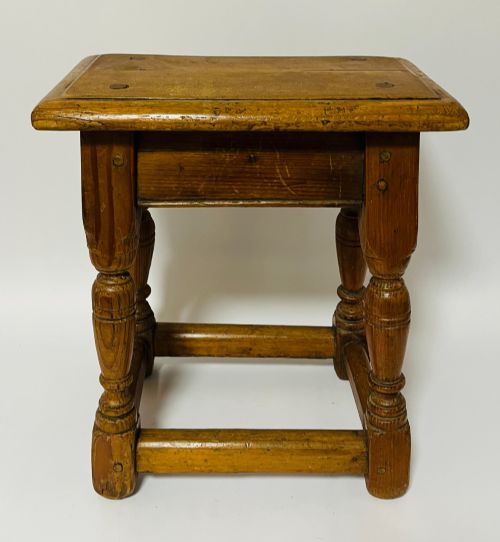
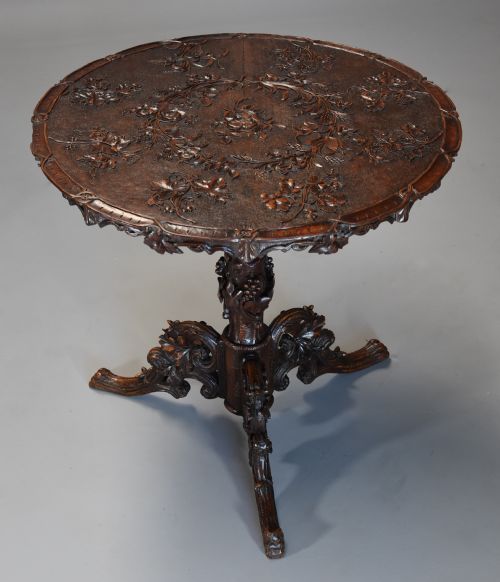
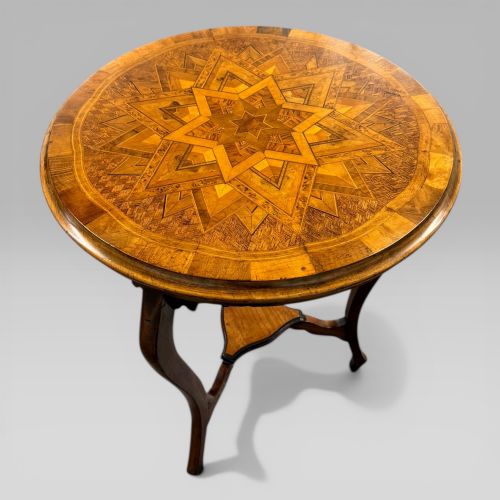
Cabinetmakers constructed these tables using a variety of native and imported timbers, pairing dense hardwoods like mahogany, walnut, and padouk with softer woods such as pine and ash. Decorative surfaces frequently feature intricate marquetry, specimen wood sunburst veneers, or profuse hand-carving executed in linden wood and other accessible mediums.
Structural integrity relies on traditional joinery techniques appropriate to the period and form, ranging from sturdy turned legs to complex drop-leaf mechanisms and drawer construction. Surface finishes vary from polished rosewood and mahogany to later painted treatments or rustic patinated wood left untreated through decades of use.
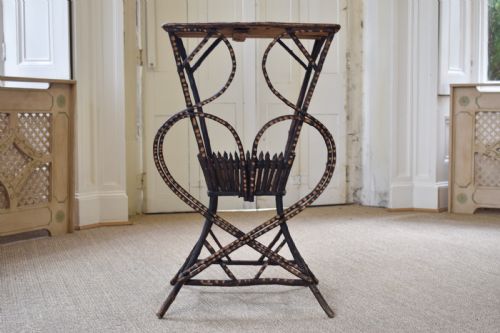
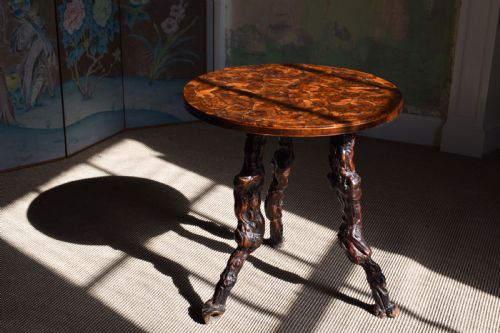
Several tables lean into playful craftsmanship, featuring crouching figures, carved Blackamoor stands, and rustic twig forms.
Assessing Quality
Quality in these tables is determined by the selection of timber and the precision of decorative detail, such as fine marquetry patterns or deeply carved figural elements. Tables featuring exotic specimen woods, complex turning like barley twist supports, or integrated drawer construction demonstrate superior cabinetmaking skill.
The integrity of the original material surface and the subtlety of proportion distinguish standard utility pieces from exceptional workshop creations. Finer examples maintain crisp carving edges and harmonious wood grain matching across the top surfaces.
Anton Seuffert
The Victorian Timber Side Table Glossary
- Pembroke worktable
- A small table featuring hinged drop leaves on two opposing sides and one or more small drawers underneath. These versatile pieces gained popularity during the eighteenth and nineteenth centuries for needlework and writing.
- Marquetry
- The art of applying small pieces of wood veneer to a structure to form decorative patterns or pictures. Specimen marquetry utilises multiple contrasting timber species to create tonal depth.
- Barley twist
- A type of turning resembling a rope or a twisted column used on furniture legs and supports. This decorative technique became prominent during revival periods in nineteenth-century design.
- Console table
- A table designed to be fixed against a wall, frequently supported by ornamental brackets or front legs. These tables often served as architectural display surfaces in hallways and formal rooms.
- Pot cupboard
- A small bedside cabinet or enclosed stand originally built to house a chamber pot. They typically feature a single door and sometimes an interior shelf.
Victorian Timber Side Table: Frequently Asked Questions
What rooms suit a Victorian timber side table?
These compact tables fit comfortably into hallways, beside seating areas, or as secondary surfaces in bedrooms and studies. Their modest proportions allow them to integrate easily without overwhelming smaller spaces.
Depending on the specific form, such as a Pembroke worktable or an occasional table, they provide practical display or writing space while adding period character to domestic interiors.
How do I care for nineteenth-century wood?
Keep wooden surfaces away from direct heat sources and strong sunlight to prevent the timber and veneers from drying out or splitting. Dust regularly with a dry, soft cloth and avoid modern silicone polishes.
Applying a traditional beeswax occasionally helps nourish older polished surfaces like mahogany and walnut without building up heavy residue. Treat painted or rustic pine surfaces with gentle cleaning methods suited to the finish.
What is a specimen wood table?
A specimen wood table incorporates multiple distinct varieties of timber arranged in geometric patterns, sunbursts, or topographical displays. Cabinetmakers used these pieces to showcase their skill and the wide array of available global woods.
The natural contrasting colours of the various timbers create striking visual patterns across the tabletop without relying on painted decoration.