






Victorian Textile Artwork
These Victorian textile artwork pieces bring needlework samplers, wool work, and framed silk pictures into your home with authentic 19th-century charm.
Victorian Textile Artwork
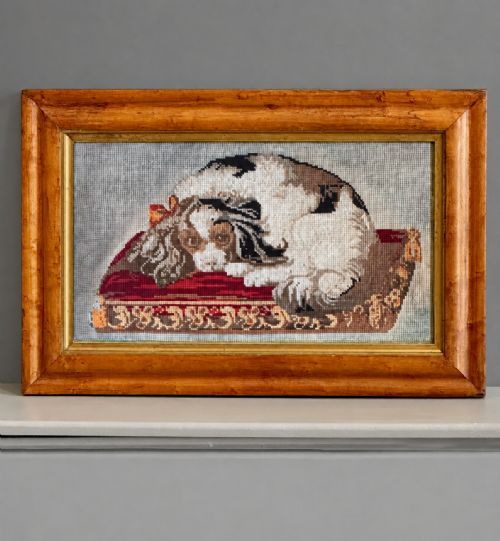
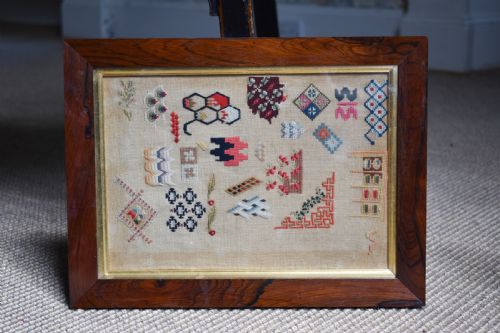
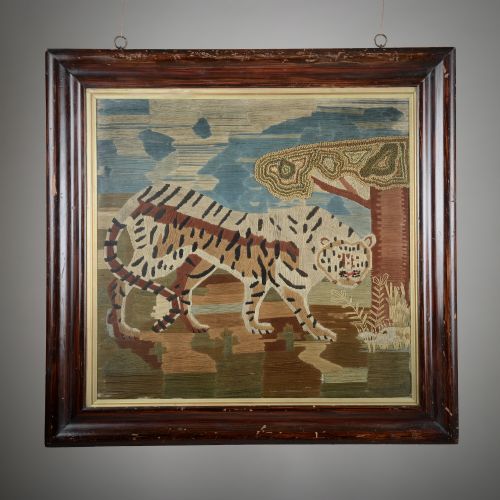
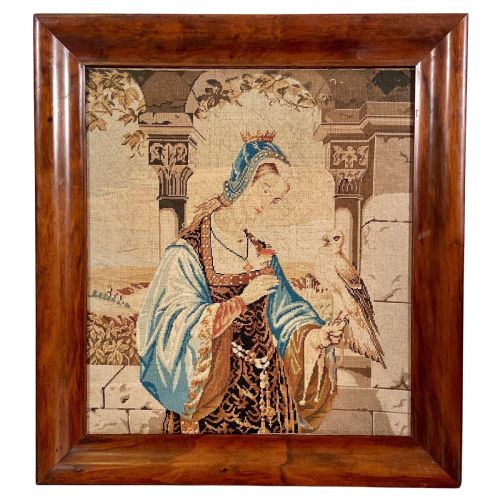
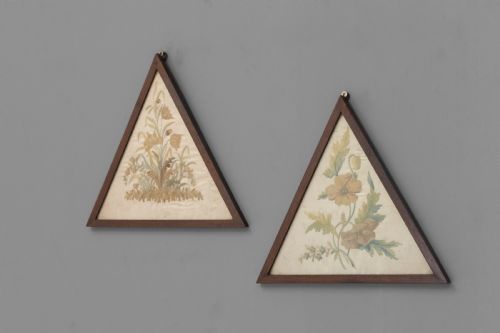
Victorian textile artwork encompasses framed needlework pictures, samplers, and embroidered panels produced across the nineteenth century. These pieces record domestic craft through various stitch techniques on canvas, linen, and silk.
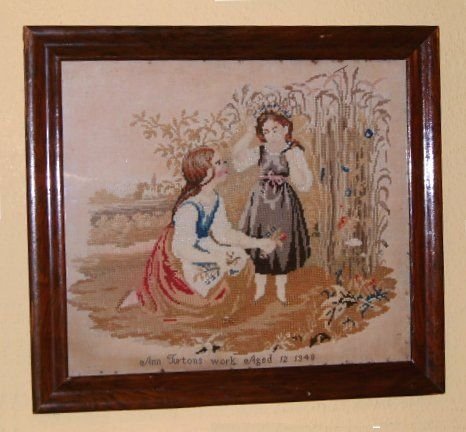
You are most likely to encounter nineteenth-century needlework pictures and samplers housed in period frames of burr maple, oak, or rosewood. English and continental examples dominate, alongside specific items like American beadwork and Italian needlepoint.
How they were made
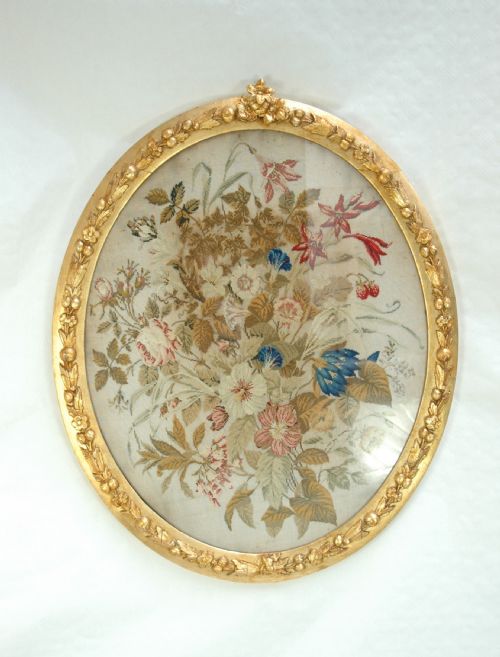
Craftsmen and hobbyists created these works using wool, silk, and glass beads stitched onto canvas or linen grounds. Needlepoint techniques such as Gros Point and Berlin work provided dense, textured surfaces for pictorial designs.
Makers mounted completed embroideries into wooden frames made from rosewood, oak, burr maple, and gilded wood, often protecting the textiles behind glass.
Victorian Textile Artwork Retail Price Guide 2026
Typical asking prices for victorian textile artwork among the pieces listed under this phrase on Sellingantiques today, from the lower quarter to the upper quarter. They describe what is for sale here now, not the wider market.
Materials recorded across the inventory include wool, silk, linen, canvas, glass, oak, rosewood, burr maple, and gilded wood.
What varies in quality
Quality rests on the intricacy of the stitchwork, the clarity of the pictorial subject, and the preservation of the fibres. Fine examples display skilled handling of wool and silk threads to render complex details like portraits or animal subjects.
The integration of the piece with its original frame, such as burr maple or rosewood, influences the overall integrity of the object.
The Victorian Textile Artwork Glossary
- Berlin work
- A style of needlepoint embroidery popular in the nineteenth century that used charted patterns and brightly coloured wools. It allowed makers to produce elaborate pictorial designs.
- Samplers
- Practice pieces of embroidery showcasing alphabets, numbers, or decorative motifs worked by hand. They often record the maker's name and date.
- Gros Point
- A coarse needlepoint stitch worked on canvas that creates a durable, textured surface. It is frequently seen in nineteenth-century tapestry pictures.
- Needlework
- General term for decorative sewing and textile arts created with a needle. This includes embroidery, tapestry, and canvas work.
- Burr maple
- A decorative timber showing characteristic swirling knot formations, frequently utilised for nineteenth-century picture frames.
Victorian Textile Artwork: Frequently Asked Questions
What is a needlework sampler?
A needlework sampler is a historic piece of cloth worked with alphabets, numbers, and motifs to demonstrate sewing proficiency. These often include names and dates.
Makers mounted them as decorative wall art, preserving domestic needlework traditions from the nineteenth century.
How should I hang these textiles?
These framed textile artworks require placement away from direct sunlight to protect delicate silk and wool threads from fading. Maintaining stable indoor humidity prevents damage to the fabric grounds.
Most pieces arrive with original wooden frames made from rosewood, oak, or maple, ready for wall display.
Are these pieces dated?
Many samplers and embroidered panels bear stitched dates or names, while others are attributed to periods like the nineteenth century based on style and materials. Framed works often reflect mid-Victorian design preferences.
Documentation on individual listings provides the specific era associated with each artwork.
What materials are used in these works?
These artworks incorporate wool, silk, and linen threads stitched onto canvas or linen backings. Some pieces also feature glass beads and are mounted in wooden frames.
Protective glass is common across framed textile panels to shield the fabric from dust and handling.