





Victorian Tea Storage Chest
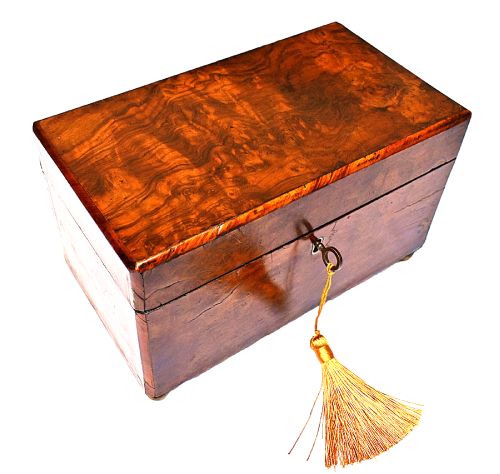
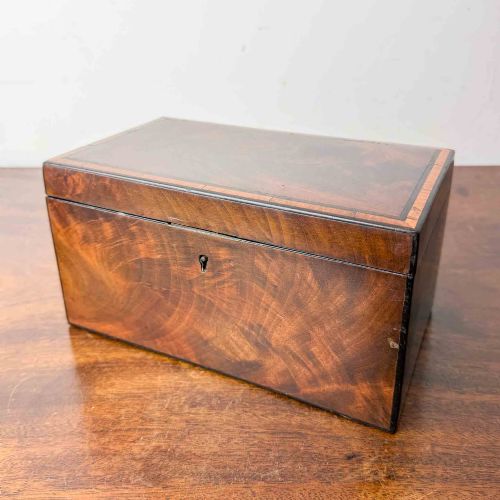
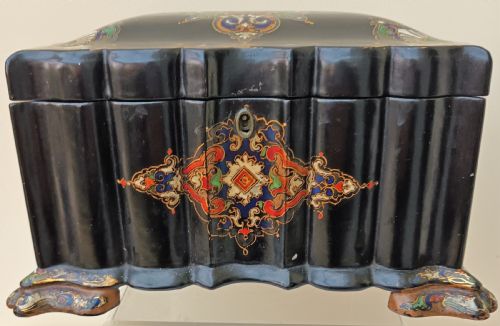
A victorian tea storage chest is a tight timber box for preserving dry leaves, most often seen in rosewood or mahogany with fitted interior compartments.
Victorian Tea Storage Chest
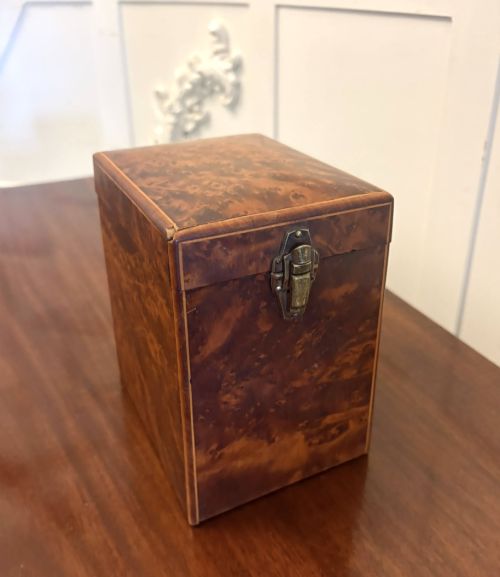
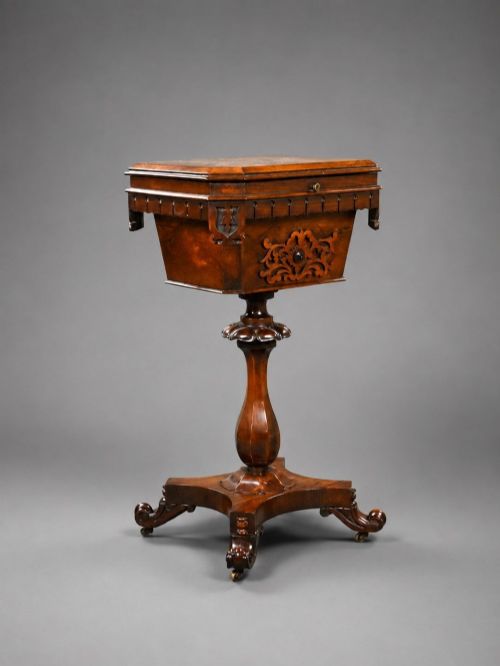
When you search for a victorian tea storage chest, you encounter tea caddies, tea poys, and storage boxes spanning the nineteenth century. These containers served to lock away precious tea leaves in the parlour, safe from damp air and household theft.
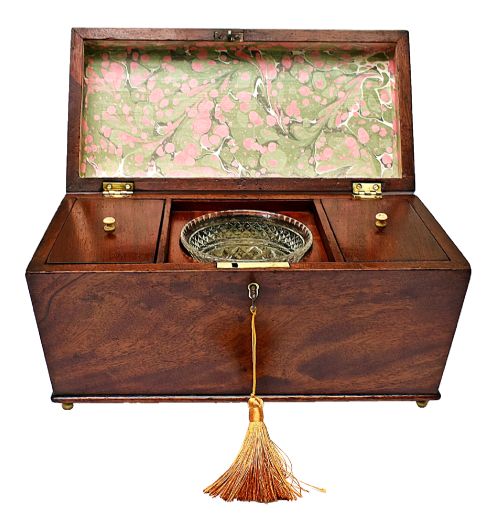
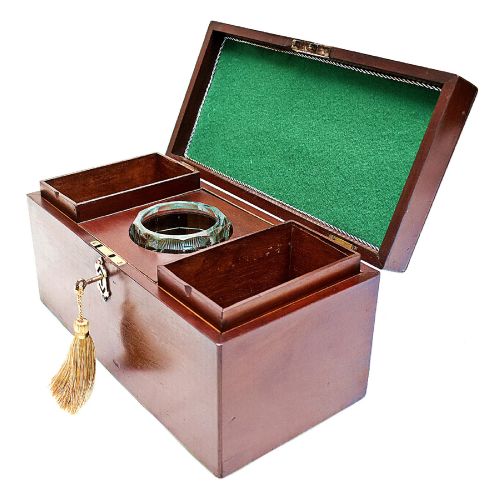
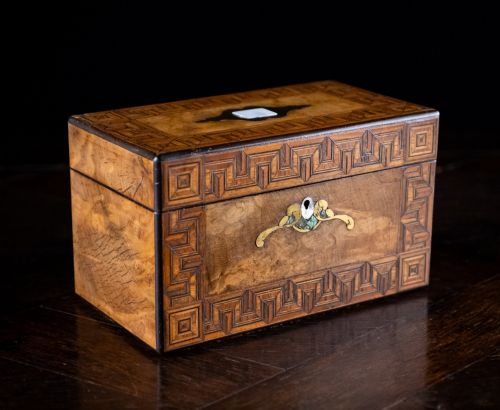
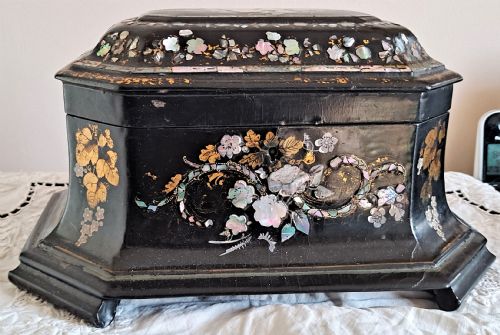
The most common version on this page is the wooden tea caddy in rosewood or mahogany, alongside papier-mâché examples and larger floor-standing tea poys. Certain pieces incorporate internal lidded canisters and mixing bowls made of glass.
Originating largely from British workshops of the Victorian and Regency eras, these chests reflect the high social value placed on tea during the period. Their forms range from simple rectangular boxes to sarcophagus shapes and dome tops.
How they were made
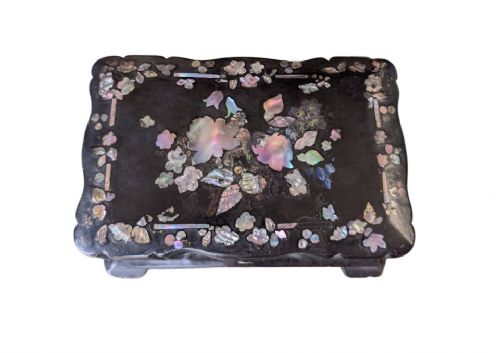
Cabinet makers utilised dense hardwoods such as rosewood, mahogany, walnut, and oak as the structural basis for these boxes, often applying fine veneers. Surfaces received decorative embellishments including mother-of-pearl inlay, brass stringing, parquetry, and detailed Tunbridge Ware mosaics.
Papier-mâché pieces required layers of paper compressed, lacquered, and painted or inlaid to form rigid, glossy bodies. Interiors typically featured secondary softwoods fitted with foil linings or individual wooden lids to seal in aromatic flavours.
Victorian Tea Storage Chest Retail Price Guide 2026
Typical asking prices for victorian tea storage chest among the pieces listed under this phrase on Sellingantiques today, from the lower quarter to the upper quarter. They describe what is for sale here now, not the wider market.
What varies in quality
Quality rests upon the precision of the cabinet work, the complexity of the surface decoration, and the survival of internal fittings. Superior examples display intricate parquetry, tightly fitted brass escutcheons, and original interior mixing bowls rather than empty compartments.
The choice of timber creates a distinct tier in execution, with burr woods, coromandel, and partridge wood marking out more ambitious commissions. Boxes that retain their working locks and keys demonstrate a higher degree of original preservation.
Tahan of Paris
The Victorian Tea Storage Chest Glossary
- Tea caddy
- A small box designed for storing loose tea leaves securely. The word derives from catty, a Chinese unit of weight.
- Tea poy
- A tea caddy mounted on a central pillar and claw feet or a small table stand. They often contain internal canisters for different leaf varieties.
- Tunbridge Ware
- Small decorative wooden objects ornamented with mosaic patterns made from tiny wood blocks. These form pictorial or geometric designs.
- Sarcophagus form
- A box shape featuring a domed or steep-sided lid resembling an ancient stone coffin. This profile enjoyed popularity during the Regency and early Victorian periods.
- Papier-mâché
- A composite material made from paper pulp or layers of paper mixed with glue, then moulded and dried. It provides a smooth base for lacquer and inlay.
Victorian Tea Storage Chest: Frequently Asked Questions
What is a tea poy?
A tea poy is a container for tea leaves raised on a pedestal stand rather than resting directly on a table. These pieces frequently incorporate internal compartments and mixing bowls.
Victorian examples often take the form of small occasional tables with fitted storage beneath the lid.
Why did tea boxes have locks?
Tea was an expensive and heavily taxed commodity during the nineteenth century, making it a valuable household commodity. Servants and guests were routinely excluded from accessing the supply without permission.
Locking the storage chest ensured precise control over daily consumption in the home.
How do I date a tea caddy?
Dating relies on observing timber choices, construction methods, and decorative styles characteristic of specific decades. Regency and early Victorian pieces often feature sarcophagus silhouettes, while later Victorian items favour parquetry and mother-of-pearl.
Interior layout and hardware style also offer clues to the period of manufacture.
How do I use a tea chest today?
These chests function well for storing jewellery, small accessories, or modern tea bags within their original compartments. Their sturdy construction and decorative surfaces suit placement on sideboards or dressing tables.
Care should be taken to keep them away from direct sunlight and excessive humidity to protect the wood and veneer.