

Victorian Tea Plate
These Victorian tea plate selections bring functional elegance to the table, offering a glimpse into the refined hospitality of past centuries.
Victorian Tea Plate
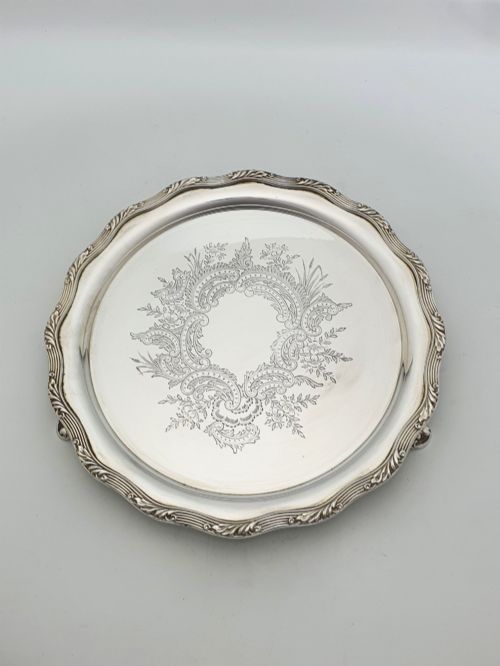
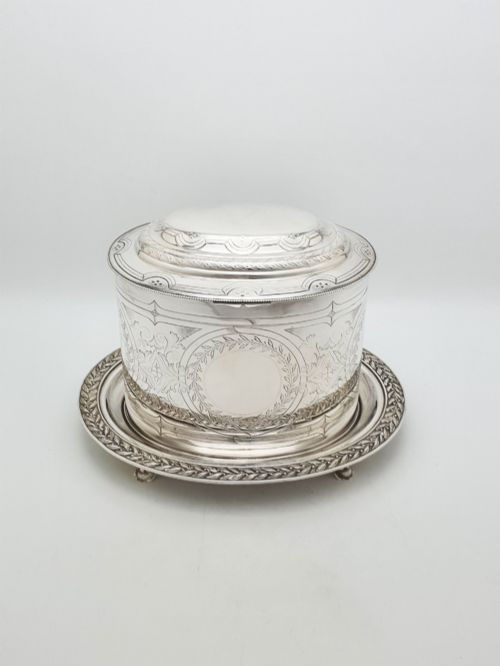
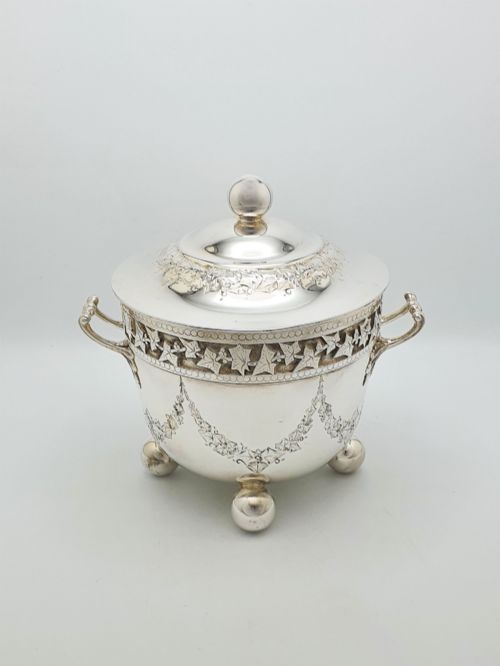
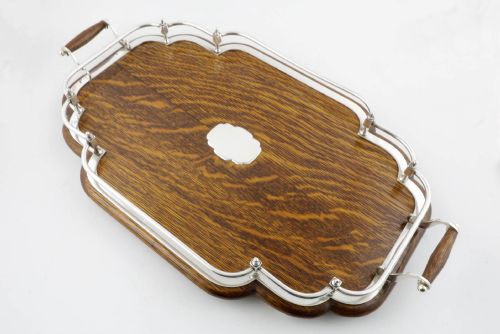
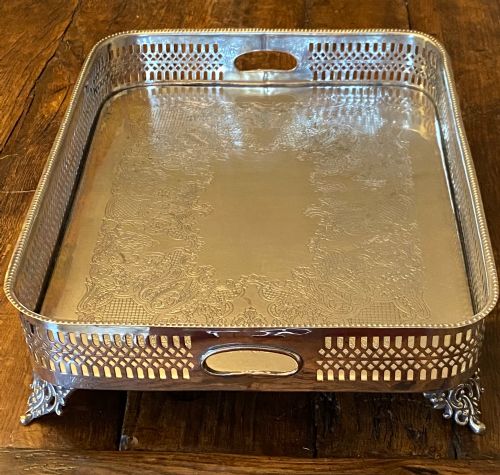
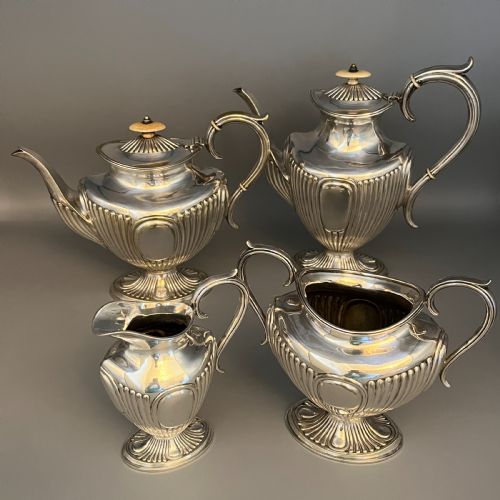
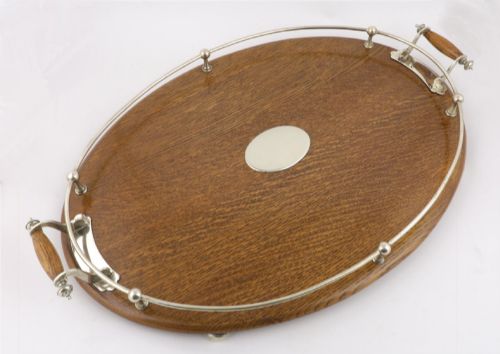
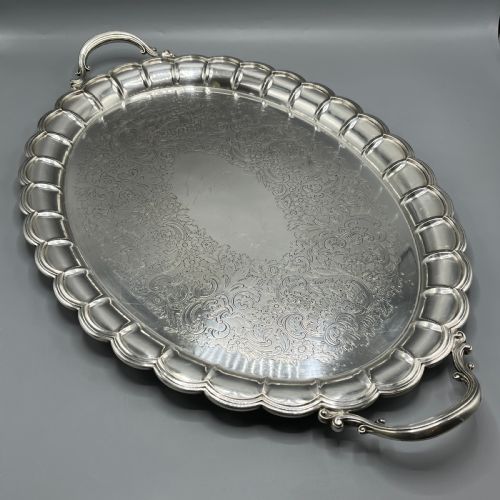
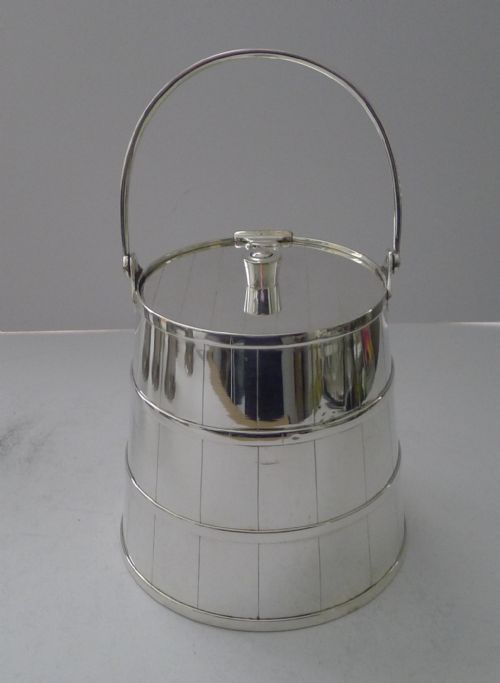
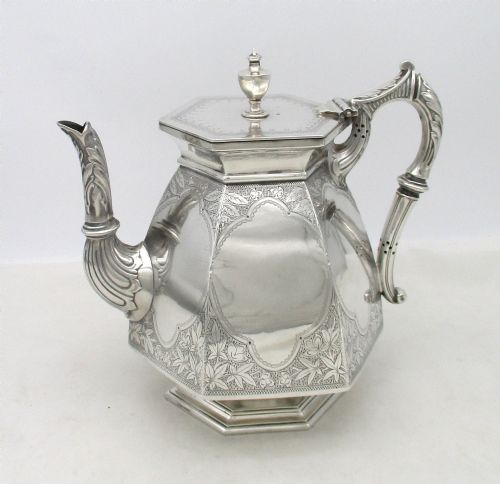
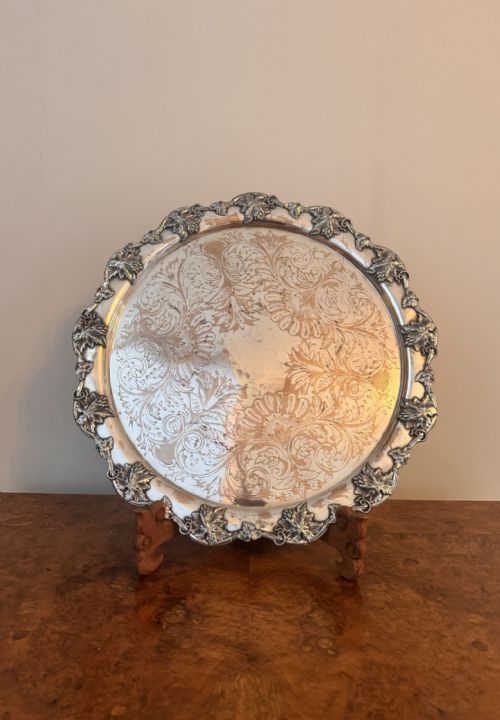
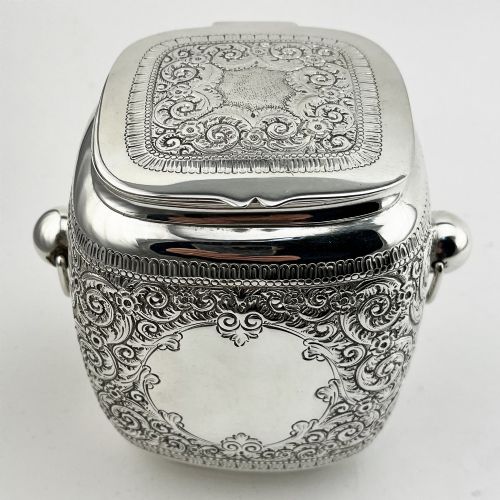
A victorian tea plate search brings up a variety of serving wares, trays, and tea service accessories originating mostly from the Victorian, Edwardian, and Georgian periods. While the phrase suggests a simple small plate, the available items span a broader range of dining and entertaining pieces including silver plated trays, biscuit barrels, tea pots, and spirit kettles.
The objects frequently incorporate mixed materials like silver plate, bone, ebonised wood, copper, and ceramics from makers such as Doulton Lambeth, Coalport, and Carlton Ware. Most items stem from the nineteenth and early twentieth centuries, reflecting the high regard for formal afternoon tea service during those eras.
Buyers will find that items associated with tea and beverage service dominate the selection, including samovars, kettles on stands, and large presentation platters. These pieces demonstrate the intricate metalwork and ceramic craftsmanship typical of late Victorian and Edwardian domestic life.
Materials and Techniques
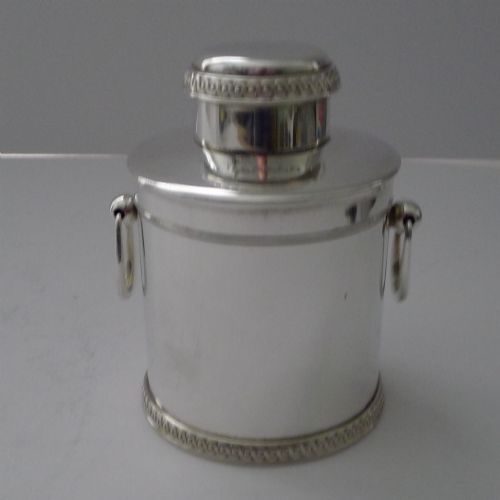
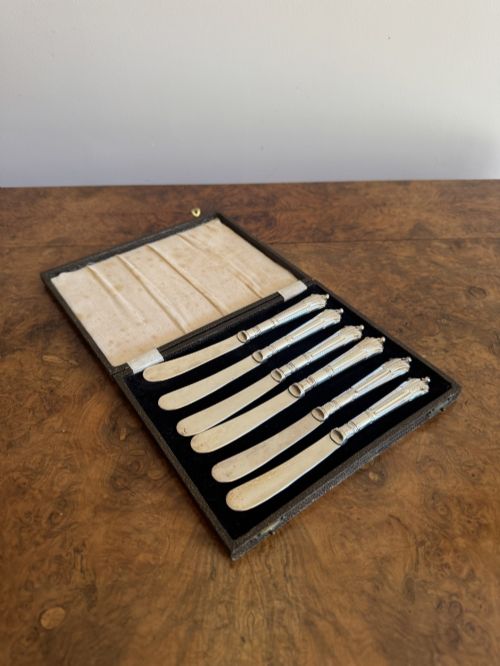
Silver plate and electroplated nickel silver form the primary structural basis for the metal items, providing the appearance of solid silver through durable plating techniques. Artisans also utilised base metals alongside copper, bone, and ebonised wood to construct items like butlers trays, fruit knives, and campaign canisters.
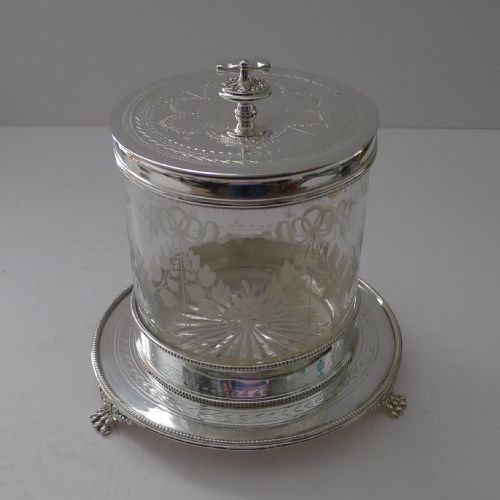
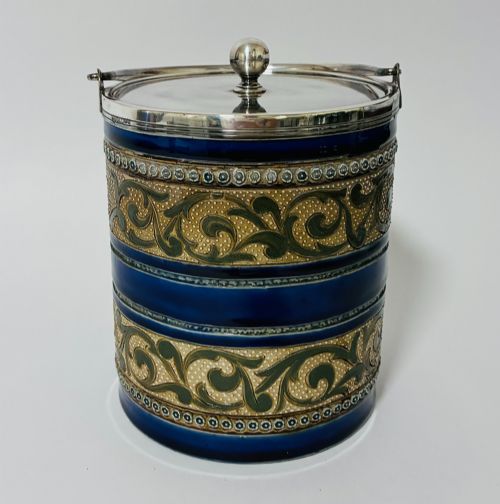
Ceramic bodies paired with silver plated mounts appear frequently, seen in biscuit barrels featuring Doulton Lambeth or Carlton Ware pottery alongside hand painted porcelain elements from makers like Coalport. Metal components often display detailed engraving and scalloped edging achieved through skilled hand tooling.
Victorian Tea Plate Retail Price Guide 2026
Typical asking prices for victorian tea plate among the pieces listed under this phrase on Sellingantiques today, from the lower quarter to the upper quarter. They describe what is for sale here now, not the wider market.
Listings feature items spanning the Georgian, Victorian, and Edwardian periods, constructed from silver plate, base metal, bone, and ebonised wood.
Assessing Quality
Quality in these pieces rests on the weight and crispness of the metalwork, the depth of the engraving, and the preservation of the silver plating over base metal or electroplated nickel silver. Superior items display robust construction in materials like English oak or mahogany, paired with well-defined chased decoration.
The integration of secondary materials such as bone handles, ceramic bodies, or porcelain inserts distinguishes standard production items from finer presentation pieces. Maker marks from established firms indicate a higher standard of workshop execution and material selection.
Mappin & Webb·Martin Hall & Co·Thomas Bradbury & Sons·Walker & Hall·John Harrison·Doulton Lambeth·Coalport·Carlton Ware
The Victorian Tea Plate Glossary
- Silver Plate
- A thin layer of silver bonded to a base metal or electroplated nickel silver. This technique allowed domestic items to achieve a bright metallic finish without the cost of solid silver.
- Biscuit Barrel
- A covered ceramic, glass, or metal container designed for storing dry biscuits. These often featured silver plated lids, swing handles, and mounts.
- Spirit Kettle
- A water kettle mounted on a metal stand above a small spirit burner. They were used to keep water hot for tea service at the table.
- Samovar
- A heated metal urn traditionally used to boil and heat water for tea. Large examples often incorporate taps and rest on secure stands.
- Aesthetic Movement
- A late nineteenth-century design style that emphasised visual beauty over narrative or moral themes. Items in this style often incorporate stylised natural motifs.
Victorian Tea Plate: Frequently Asked Questions
What is a silver plated samovar?
A samovar is a large metal urn fitted with a tap, designed to heat and dispense water for tea service. These pieces often rest on dedicated stands and date from the Victorian and Edwardian periods.
They served a central role in large household gatherings, providing a continuous supply of hot water for guests.
How were biscuit barrels used?
Biscuit barrels functioned as covered containers kept in the dining room or drawing room for storing dry sweet biscuits. They were frequently brought out during afternoon tea.
Many examples combine ceramic bodies with silver plated mounts, lids, and swing handles for easy transport.
What is electroplated nickel silver?
Electroplated nickel silver is a composite material created by bonding a thin coating of pure silver onto a nickel silver alloy base. This method became popular in the nineteenth century for producing durable tableware.
It provided the lustrous appearance of solid silver while remaining accessible for broader domestic use.
How do I care for silver plated items?
Silver plated items require gentle cleaning with non-abrasive cloths and dedicated silver care products to protect the underlying plating. Regular dusting and careful handling prevent unnecessary wear.
Storing pieces in dry environments helps maintain the metal finish and prevents tarnishing over time.