
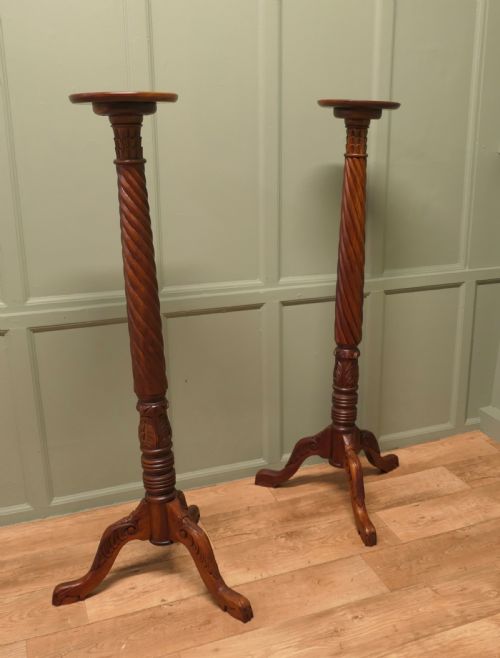
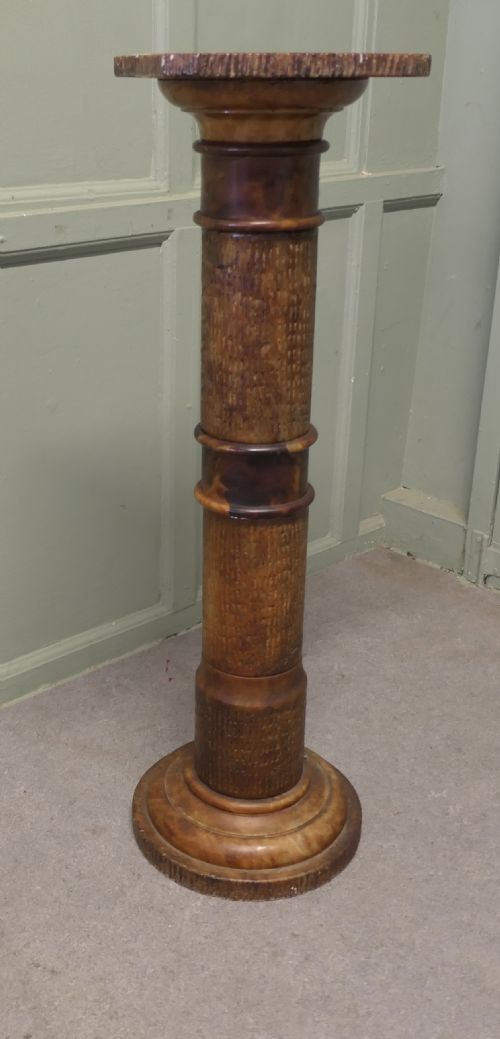
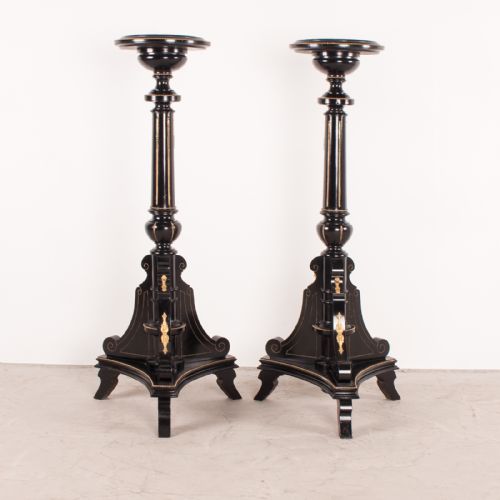
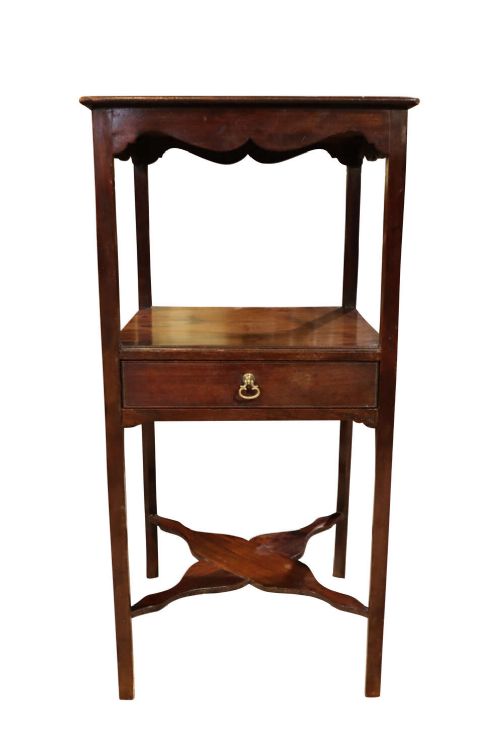
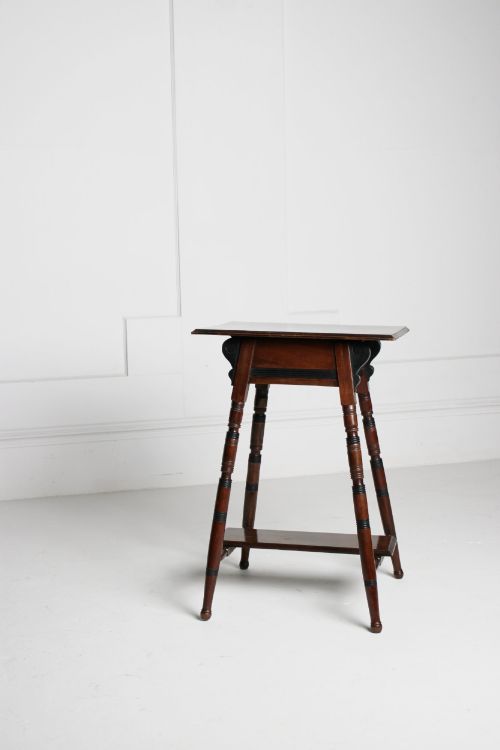

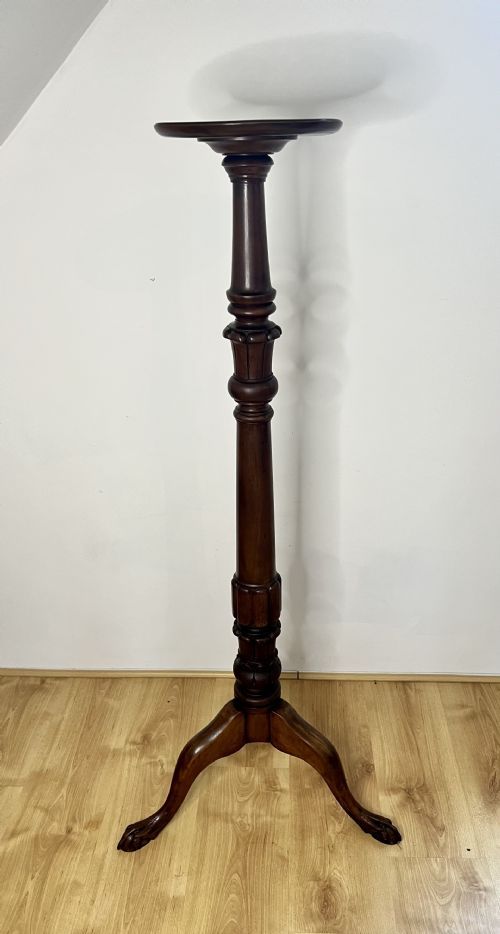
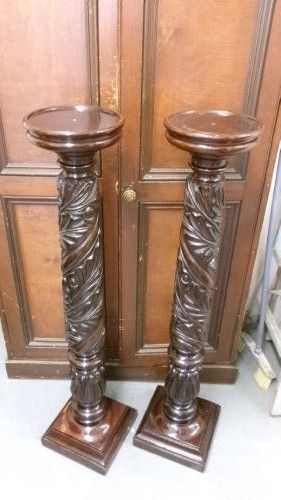

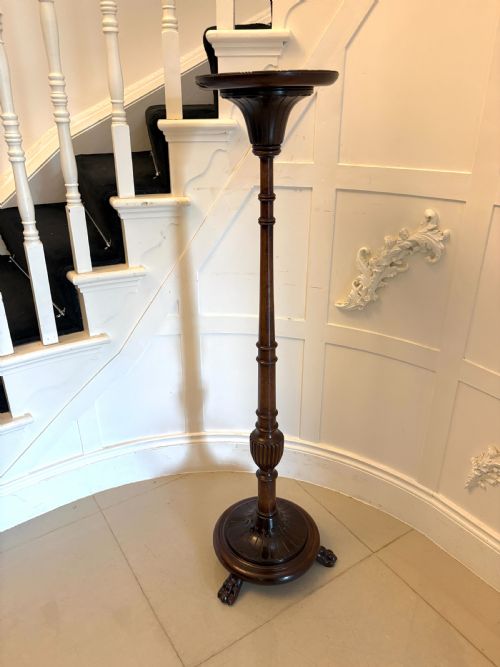
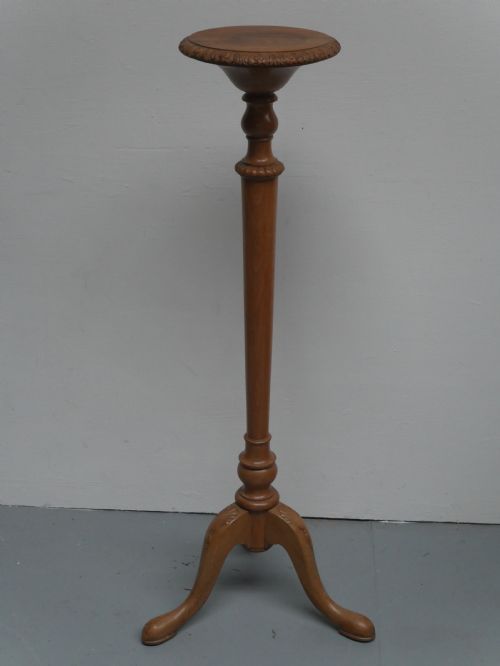

Victorian Tall Plant Stand
A victorian tall plant stand elevates greenery to catch the light, offering slender proportions and decorative presence.
Victorian Tall Plant Stand
A victorian tall plant stand encompasses columns, torcheres, and pedestals designed to display foliage or sculpture at height. These items originate predominantly from the nineteenth century, including specific dates across the eighteen sixties, eighties, and nineties.
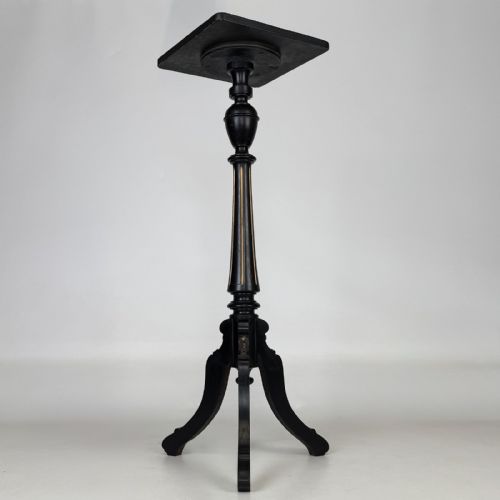
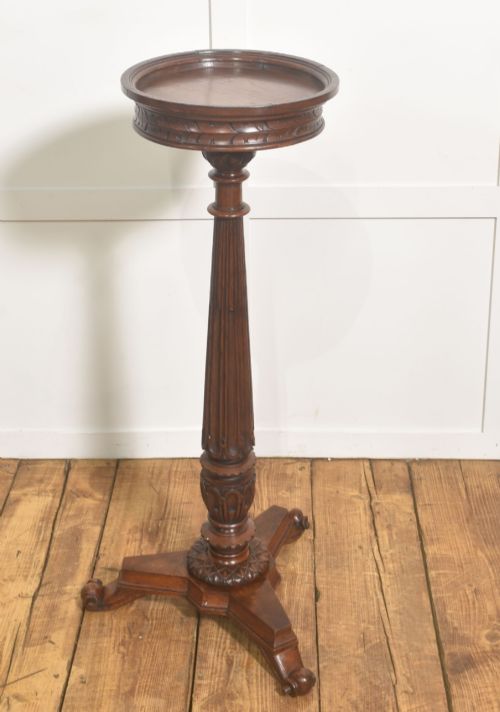
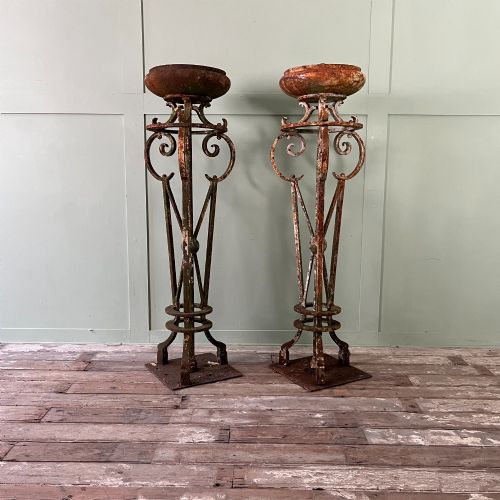
The pieces appear in various forms such as tripod based stands, jardiniere supports, and marble top columns. Buyers encounter mahogany and walnut constructions alongside iron examples intended for conservatories or interior display.
Materials and Construction
Timber selection forms the basis of many pieces, utilising mahogany, walnut, satinwood, and hardwood shaped through carving and turning. Brass and wrought iron provide structural integrity and decorative detail for metal and mixed media examples.
Surface treatments involve polishing woods, hand painting satinwood, ebonising surfaces, and applying paint finishes to mimic marble. Alabaster and marble tops insert directly into stone or wood columns to create stable display surfaces.
Several stands double as birdcages or incorporate cast iron bird figures atop their columns.
Evaluating Craftsmanship
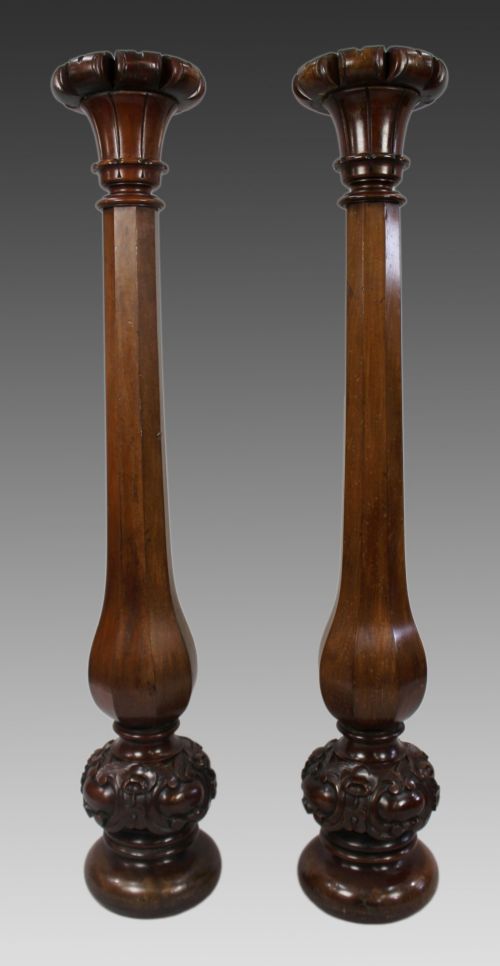
Quality rests upon the depth and crispness of carved details on wooden shafts and capitals. Fine specimens display precise joinery and balanced tripod or pedestal bases that support heavy stone tops without sway.
Material selection dictates finish longevity, where dense hardwoods and genuine marble supersede softer painted pine or basic ironwork. Maker attribution through stamps or established workshop origins elevates certain pedestals above standard production items.
Druce And Co London·Shoolbred·Burmantofts Art Pottery
The Victorian Tall Plant Stand Glossary
- Torchere
- A tall ornamental stand originally designed to carry a torch or candle, later adapted for lamps, busts, and plants. These slender columns often feature carved wooden shafts.
- Pedestal
- A structural support or column used to elevate a plant, urn, or sculpture. They appear in marble, ceramic, and timber variants.
- Jardiniere
- A decorative pot or stand for holding plants and flowers. The term often describes the elevated framework designed to display them.
- Ebonised
- Wood finished to resemble ebony through dark staining or painting. This technique creates a formal, uniform appearance on nineteenth century furniture.
Victorian Tall Plant Stand: Frequently Asked Questions
What is a torchere stand?
A torchere is a tall, slender support traditionally used for lighting and later adapted for displaying plants or decorative objects. Their elevated design draws the eye upward and suits corners or empty wall spaces.
These pieces feature wooden columns, metal frames, or ceramic pillars. They provide a vertical accent in rooms while holding heavy pots or stone tops securely.
Where should I place a tall stand?
Tall plant stands function effectively in corners, near windows to catch natural light, or flanking doorways. Their narrow footprint allows them to occupy minimal floor space while adding height to interior arrangements.
Consider the weight of the plant or object relative to the base stability. Tripod designs and heavy marble columns offer reliable support for heavier specimens.
How do I care for wooden stands?
Wooden surfaces require dusting with a soft cloth and occasional treatment with appropriate furniture wax to preserve the polish. Avoid placing wet pots directly on polished wood to prevent water rings.
Using saucers or protective liners beneath plants prevents moisture damage. Keeping timber away from direct heat sources maintains the stability of glued joints and veneers.
Are these stands suitable for gardens?
Certain examples constructed from wrought iron or cast iron suit conservatory and garden environments. Painted iron and specialised plant stands endure sheltered outdoor conditions better than fine polished hardwoods.
Wooden and alabaster pieces remain best suited for indoor placement where humidity and temperature fluctuate less. Checking the material composition helps determine the appropriate setting.