


Victorian Table with Leaves
A victorian table with leaves brings generous hospitality and adaptability to a room through clever expanding mechanisms.
Victorian Table with Leaves
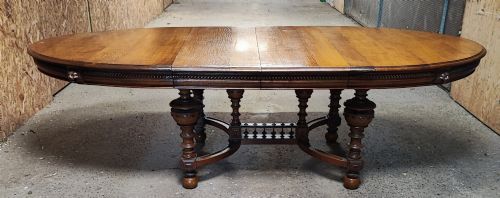
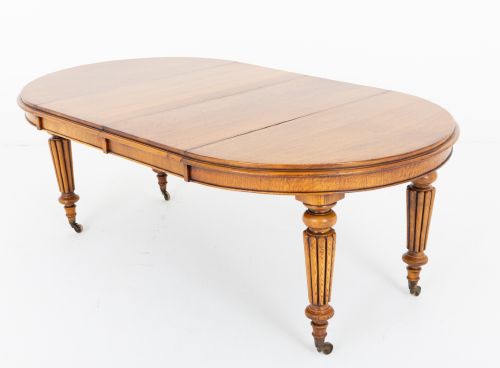
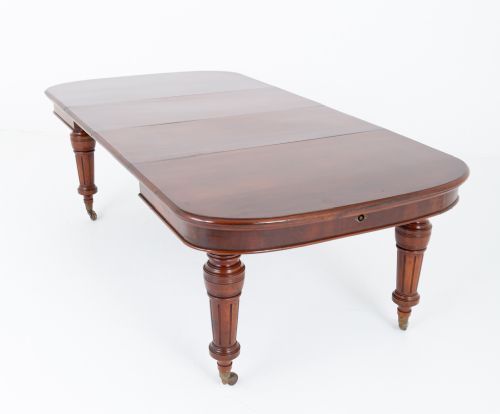
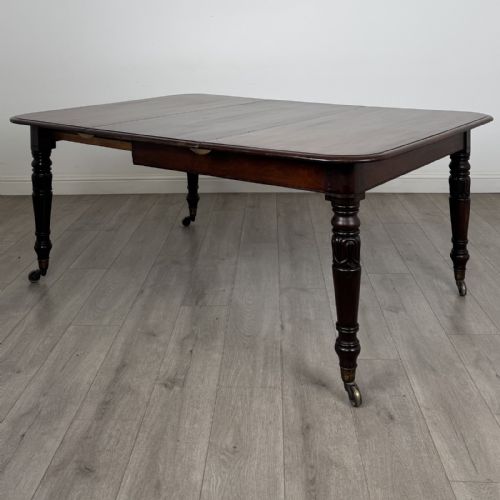
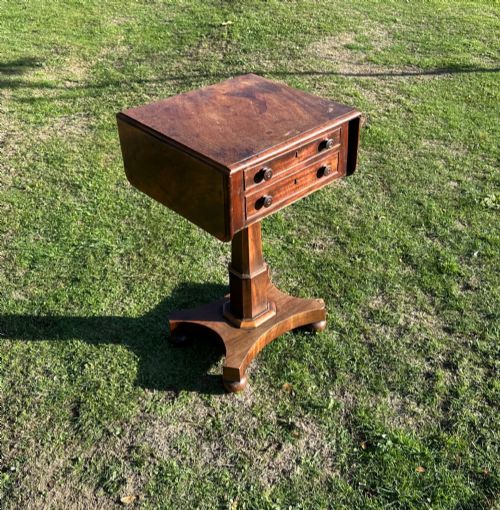
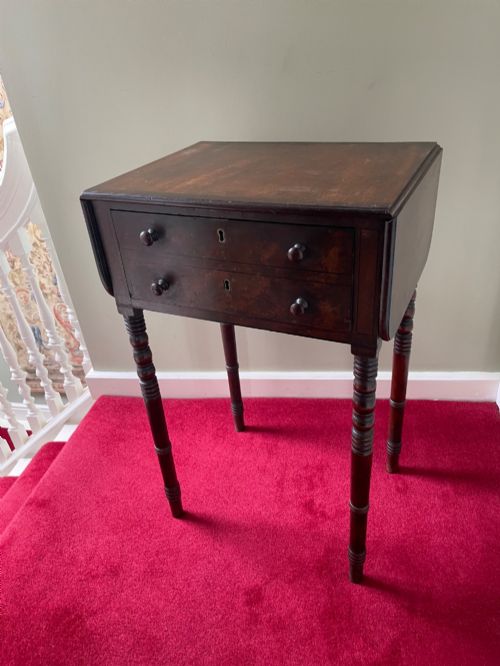
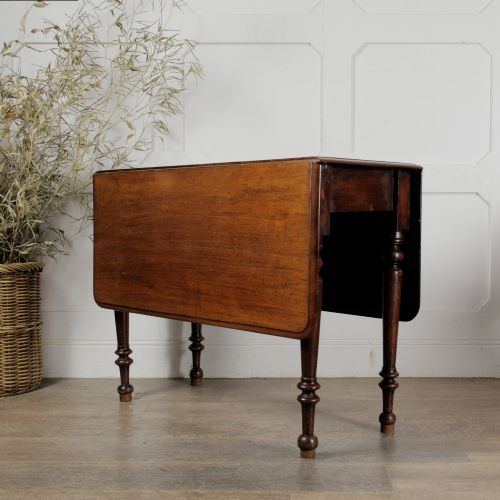
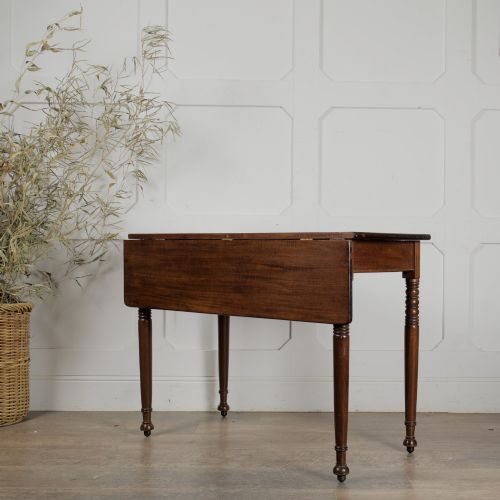
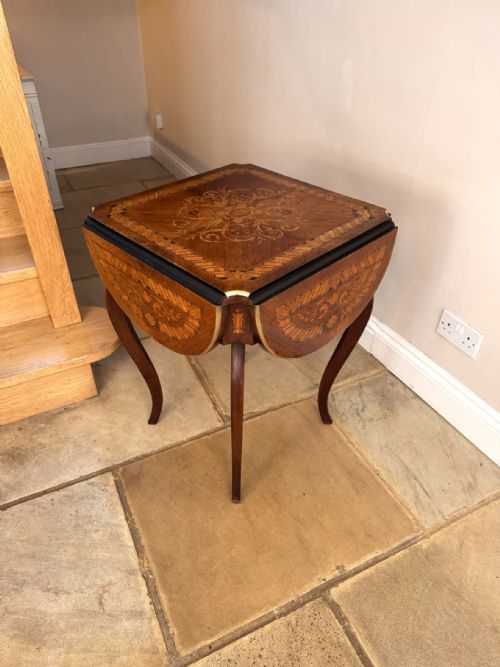
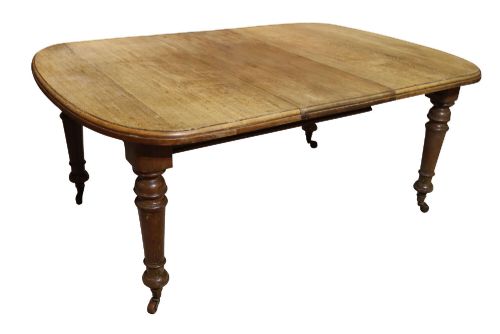
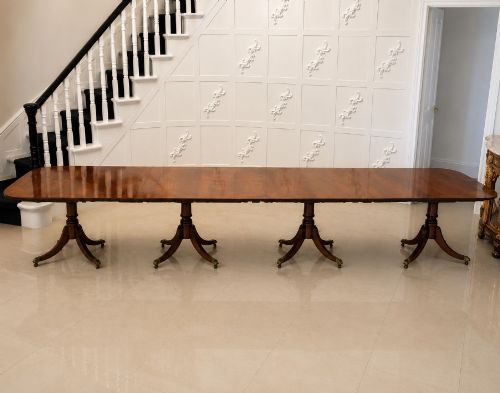
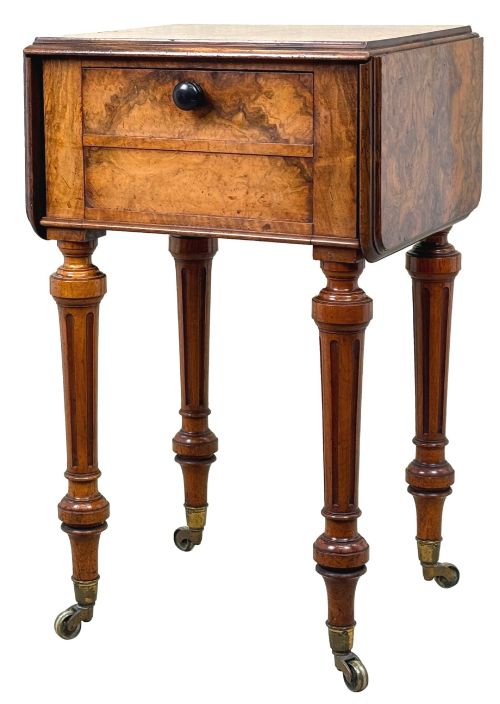
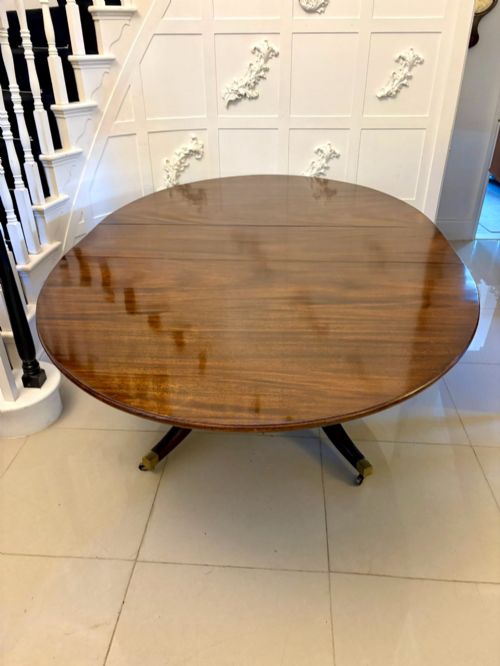
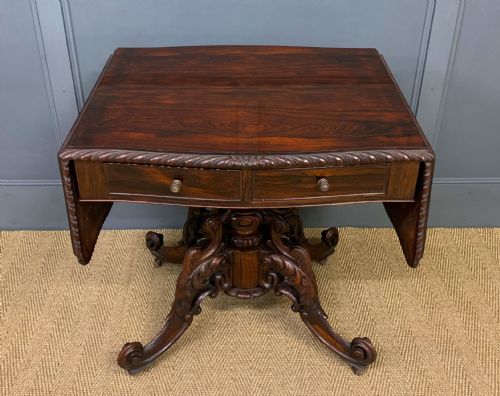
When you search for a victorian table with leaves, you encounter diverse timber furniture designed to expand or fold according to domestic needs. The selections span major dining pieces with multiple extra leaves alongside smaller Pembroke, Sutherland, and drop-leaf occasional tables.
Dining examples typically feature D-ends or pedestal bases paired with removable timber leaves, while smaller tables rely on drop flaps supported by swinging gate legs. Origins range from utilitarian pine kitchen items to elaborate walnut and mahogany pieces displaying Regency or Rococo revival styles.
Evaluating Construction
Quality rests in the selection of timbers and the precision of the extending mechanism. Superior dining tables maintain alignment and stability across all inserted leaves without sagging.
Refinement appears in secondary details such as original brass fittings, hand-carved supports, and cleanly matched veneer grains on table tops and drop flaps.
Victorian Table with Leaves Retail Price Guide 2026
Typical asking prices for victorian table with leaves among the pieces listed under this phrase on Sellingantiques today, from the lower quarter to the upper quarter. They describe what is for sale here now, not the wider market.
Dated examples span the nineteenth century, ranging from early Georgian survivals to pieces made around nineteen ten in Rococo Revival and Aesthetic Movement styles.
William and Gibton·Johnstone and Jeanes·Jenks and Woods·Liberty and Co
The Victorian Table with Leaves Glossary
- Drop leaf
- A table featuring hinged side flaps that lower when not in use. This mechanism allows the furniture footprint to shrink or expand rapidly.
- Sutherland table
- A narrow occasional table with exceptionally wide drop leaves supported by swinging gate legs. It folds into a very compact profile.
- Pembroke table
- A small rectangular table equipped with two hinged flaps and typically one or two drawers. It gained popularity during the eighteenth and nineteenth centuries as a versatile writing or breakfast piece.
- D-end
- A table end shaped in the semi-circular profile of the letter D. These sections detach or part to receive central leaves in extending dining formats.
- Aesthetic Movement
- A late nineteenth-century design style emphasising simplicity, art furniture principles, and often ebonised finishes. It rejected heavy Victorian ornamentation in favour of cleaner lines.
Victorian Table with Leaves: Frequently Asked Questions
How do extending dining leaves operate?
Extending dining tables typically use a pull-out wooden runner system hidden beneath the main top. Central leaves drop into the resulting gap and secure with brass clips.
Larger formats incorporate central pedestals or additional legs that slide outward to support the expanded weight safely.
Where were drop leaf tables used?
Drop leaf tables served flexible roles in kitchens, parlours, and smaller dining spaces throughout the home. Their folding flaps allowed them to sit flat against walls when floor space was limited.
Kitchen variants in pine provided robust surfaces for food preparation, while mahogany and rosewood versions functioned as Pembroke or Pembroke work tables.
How do I care for antique timber surfaces?
Protect antique mahogany, walnut, and rosewood surfaces from direct sunlight and extreme humidity fluctuations to prevent timber splitting. Regular dusting with a soft cloth maintains the polished finish.
Apply traditional beeswax periodically to nourish the grain without building up synthetic residues.
What distinguishes a Sutherland table?
A Sutherland table is recognised by its exceptionally narrow central top and two very wide drop leaves. When lowered, the flaps hang almost vertically.
Gate leg supports swing outward at sharp angles to hold the large leaves firmly in place.