



Victorian Table Decor
When gathering victorian table decor, you select functional accessories that brought personality and finish to nineteenth-century dining and entertaining spaces.
Victorian Table Decor
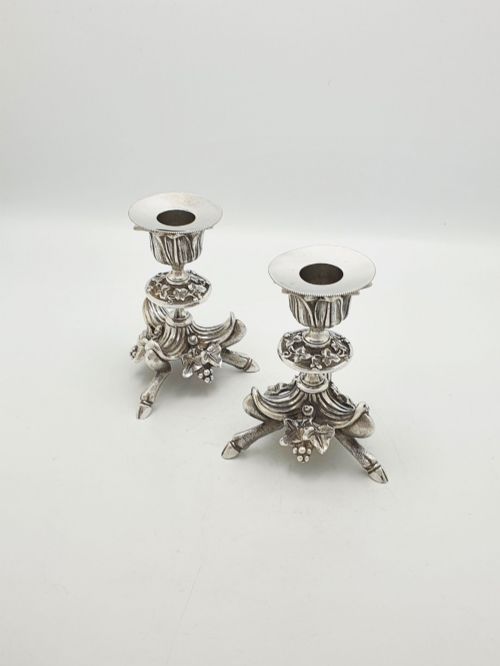
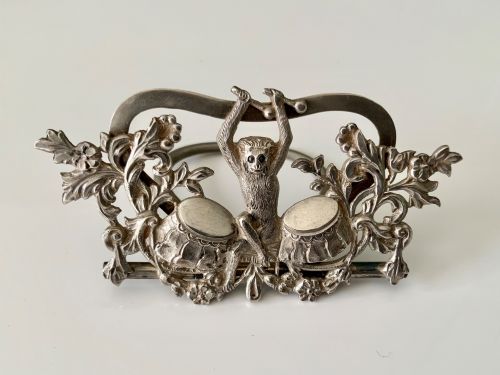
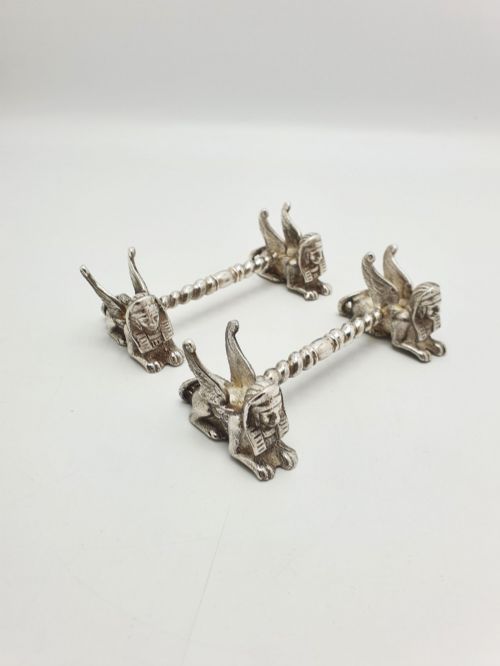
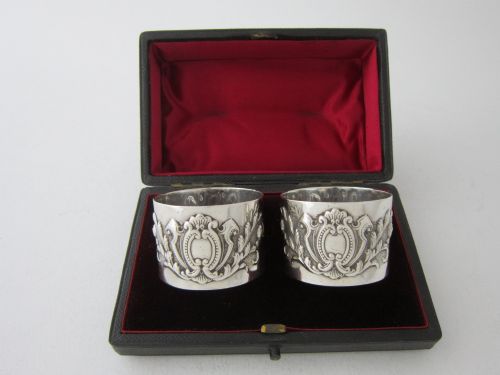
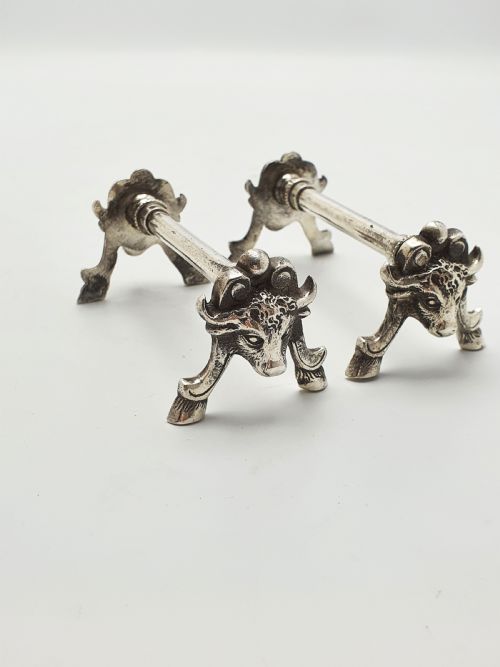
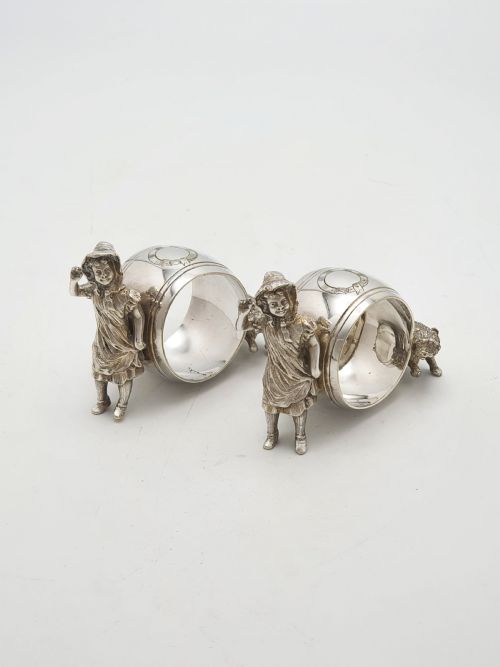
Victorian table decor encompasses the small objects and ornaments placed upon dining and occasional furniture to catch the eye and serve the company. You encounter items designed for specific tasks at the board, such as knife rests shaped as animals, figural napkin rings, and cruet sets for condiments.
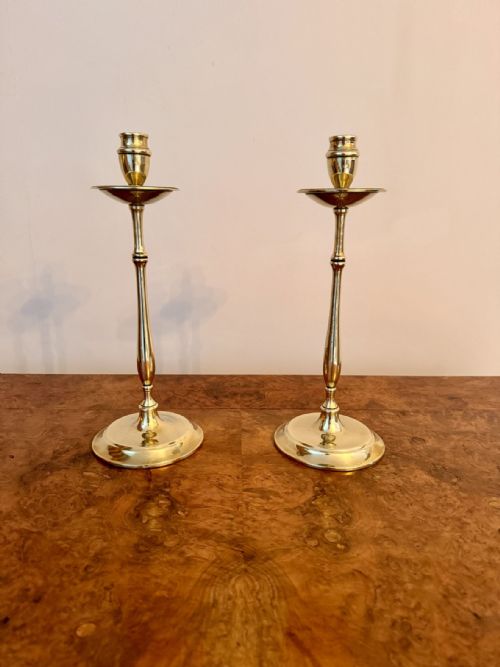
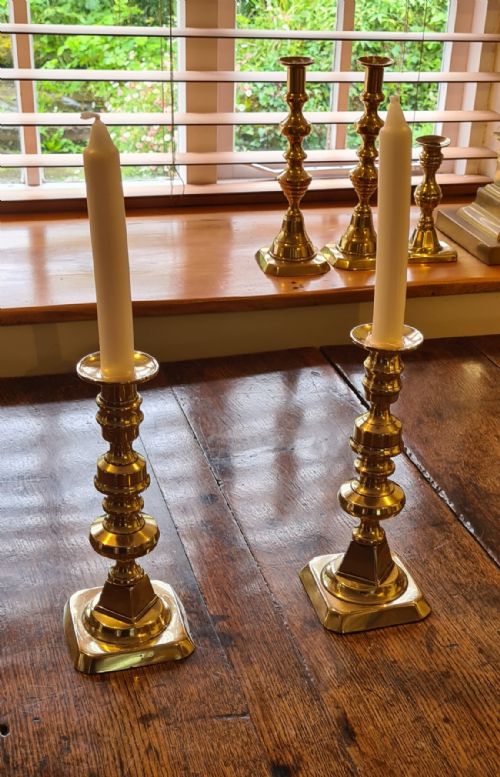
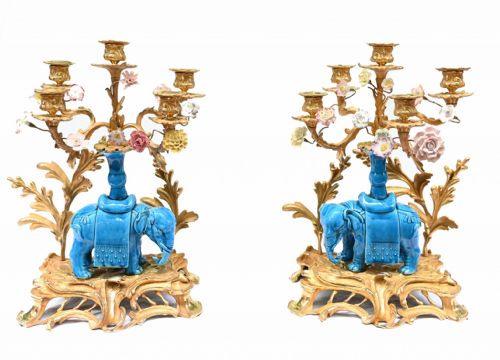
The selections also include larger focal points like brass oil lamps, candelabras, and glass lustres meant to illuminate the room. Pieces originating from the later nineteenth century frequently display novelty designs, drawing on contemporary fascination with exotic animals and classical revivals.
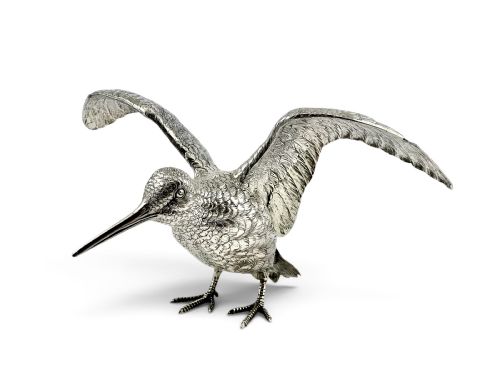
Makers utilised various mediums, ranging from sterling silver and plated metals to heavy brass and carved wood, ensuring every surface had a decorative finish. These objects reflect the Victorian appetite for ornament across daily domestic routines.
Materials and Technique
Metalwork dominates these items, with brass cast and turned into candlesticks or lamps, and sterling silver or silver plate fashioned into baskets, menu holders, and figural ornaments. Silversmiths employed chasing and engraving techniques to apply detailed patterns onto napkin rings and tea caddies.
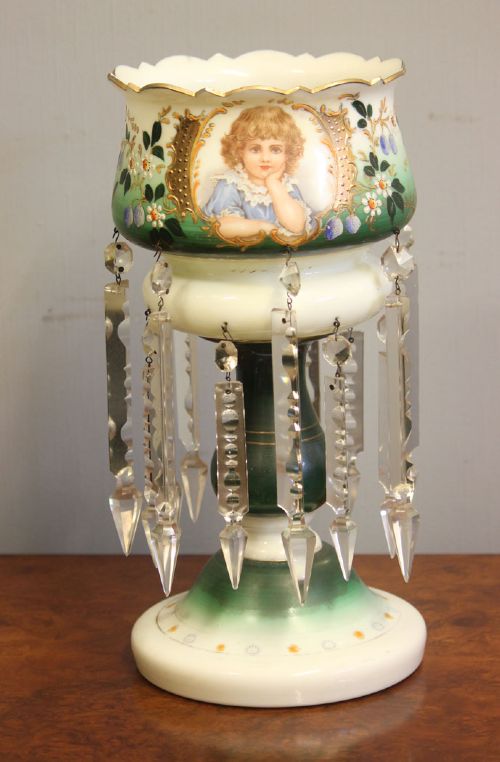
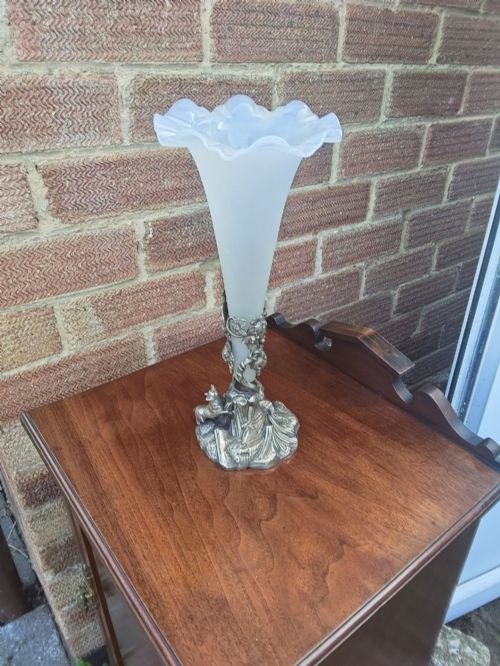
Glass production played a significant role, yielding opaque vessels for oil lamps, mantel lustres, and epergnes shaped with ruffled rims. Artisans combined these glass bodies with metal mounts, coloured enamels, and porcelain components to create textured objects.
Listings feature items spanning the Victorian, Edwardian, and William IV periods, executed in brass, sterling silver, silver plate, and glass.
Assessment of Quality
The standard of execution in cast metal pieces depends on the crispness of the detail in figural elements like animals or human figures. Superior items show careful hand-finishing after casting, whereas lesser examples retain soft edges and visible seams.
In silver and plated wares, the weight of the metal and the integrity of hallmarks or maker stamps indicate the grade of production. Well-preserved gilding on brass and porcelain also distinguishes finer decorative articles from routine commercial output.
Elkington and Co·Burgess Brothers
The Victorian Table Decor Glossary
- Lustre
- A decorative glass mantle ornament hung with cut glass prisms that catch the candlelight. These pieces stood on sideboards or mantelpieces during the nineteenth century.
- Cruet set
- A matched collection of glass bottles mounted in a silver-plated or metal frame for holding condiments at the table. They often featured elaborate carrying handles.
- Epergne
- A large table centrepiece featuring a central trumpet vase surrounded by smaller hanging baskets for fruit or flowers. They were frequently made from coloured glass and silver plate.
- Menu holder
- A small desk or table accessory designed to hold printed dinner menus upright for guests. Victorian examples often took whimsical figural forms.
- Pepperette
- A small table shaker for ground pepper, frequently modelled as birds or animals with pierced heads. These novelty items added amusement to formal dining.
Victorian Table Decor: Frequently Asked Questions
What is Victorian table decor?
These objects comprise ornamental and functional items placed on dining tables and sideboards during the nineteenth century. They range from small silver napkin rings to large brass candelabras.
Collectors look for pieces that combine practical utility with the ornate design typical of the period, reflecting how Victorians dressed their dining rooms.
How were silver knife rests used?
Knife rests kept carving and dining knives elevated above the tablecloth between courses. This prevented food residue from soiling the linen.
Craftsmen shaped them as animals, columns, or bar forms, often casting them in silver plate or solid silver during the late nineteenth century.
How do I identify a Victorian oil lamp?
Victorian oil lamps feature heavy brass, ceramic, or glass reservoirs designed to hold paraffin beneath a burner and glass chimney. Many carry registration marks or maker stamps on the metal collar.
Examples often incorporate decorative elements like coloured opaque glass vessels or cast metal pedestals supporting the fuel container.
What is a glass lustre?
Glass lustres are decorative mantel or table ornaments adorned with long cut-glass pendants suspended from the rim. When lit candles stood nearby, the prisms refracted the light across the room.
They appeared in pairs during the nineteenth century, often coloured in opaque white, pink, or green glass with hand-painted floral motifs.