
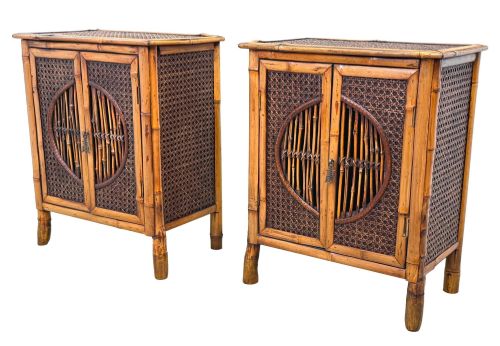
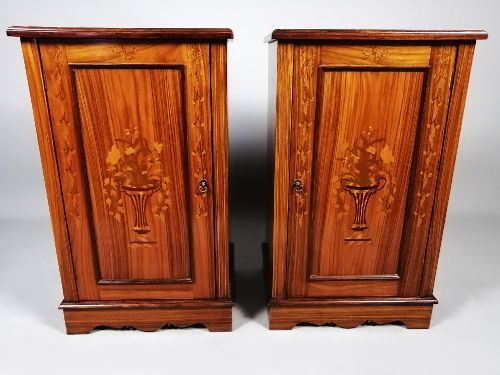
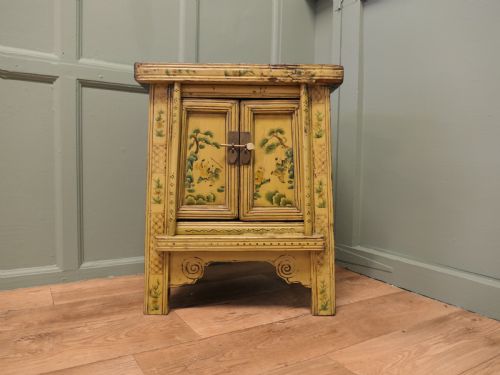
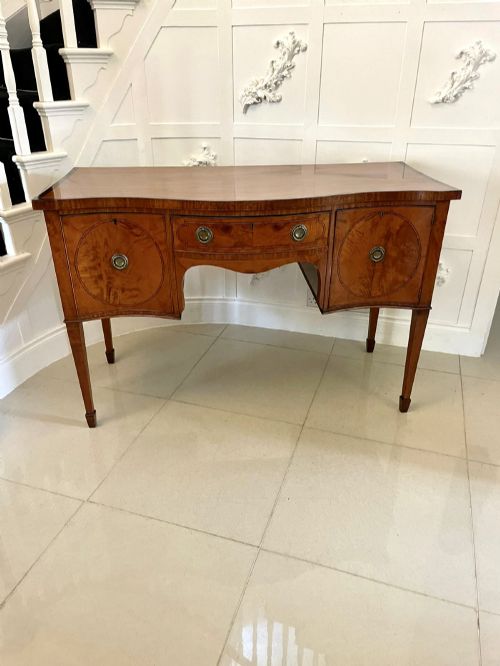

Victorian Table Cabinet
When you search for a victorian table cabinet, you encounter compact, elevated pieces designed to hold precious objects, documents, or specimens upon a larger surface.
Victorian Table Cabinet
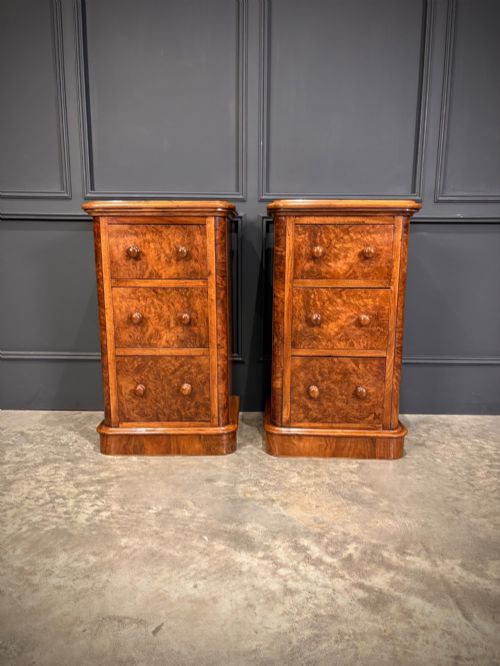
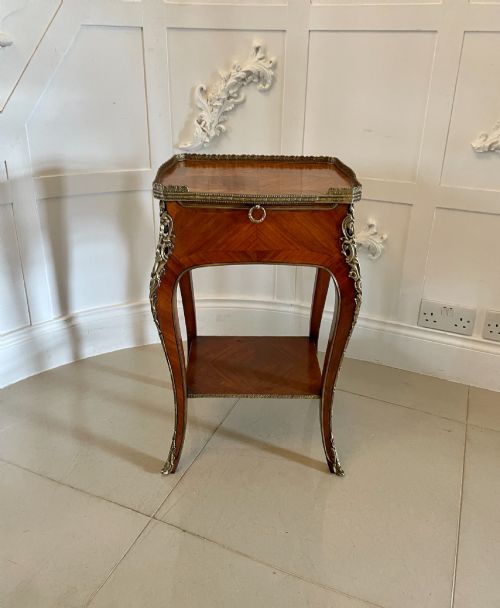
A victorian table cabinet encompasses miniature chests, collectors' cabinets, jewellery boxes, and display units designed to sit upon tables or desks rather than directly on the floor. These compact pieces typically date from the nineteenth century, emerging during periods spanning from the 1840s to the late Victorian era.
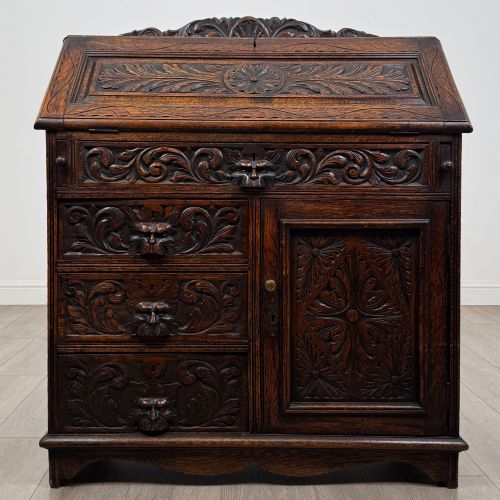
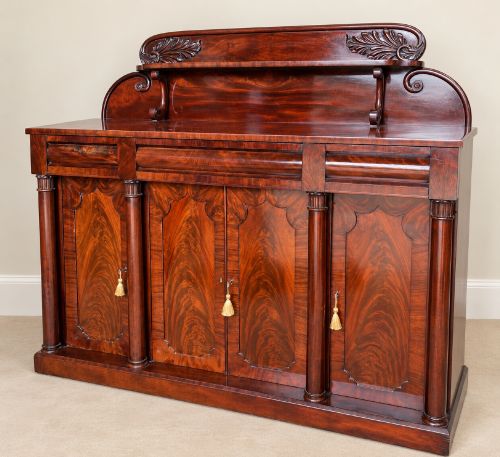
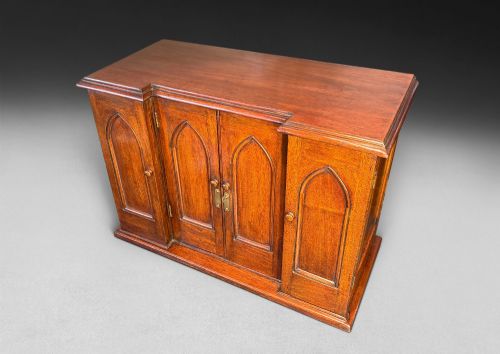
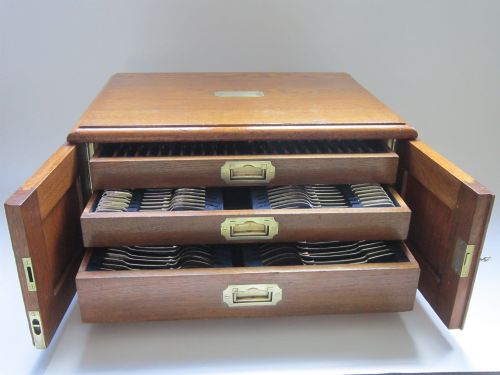
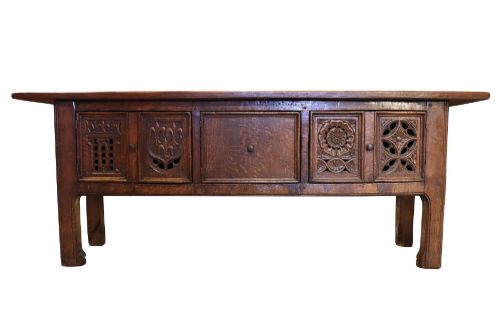
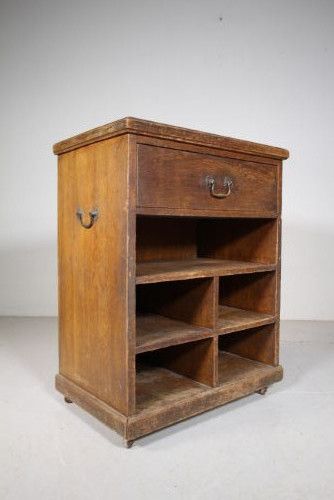
The form varies from glazed shop display counters and humidores to lockable oak or walnut specimens chests fitted with internal drawers. Many examples appear in burr walnut, mahogany, or oak, reflecting the domestic and commercial storage needs of the period.
How they were made
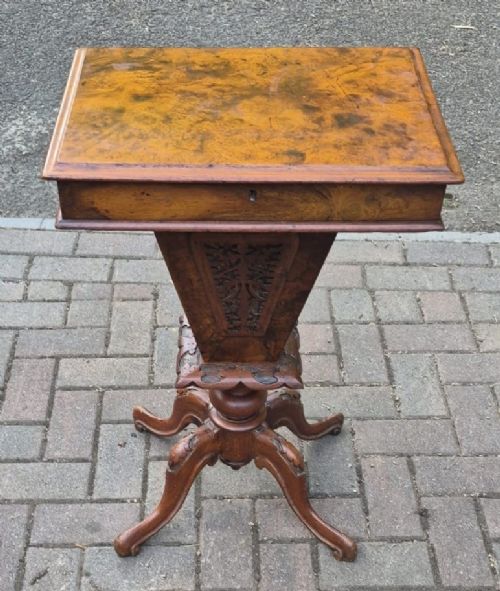
Cabinet makers utilised dense hardwoods such as mahogany and walnut, frequently employing burr walnut veneers to create highly figured decorative surfaces. Construction often involved dovetail jointing for internal drawers and solid timber carcasses built to withstand regular handling.
Many examples incorporate brass handles, locks, and ormolu mounts, whilst glazed doors utilise timber framing to secure glass panels for display purposes.
Listings feature woods including mahogany, burr walnut, rosewood, oak, and pine, alongside brass hardware and glass display panels.
What varies in quality
Quality rests upon the selection of timber veneers, the precision of the joinery within the drawer linings, and the integrity of the original hardware such as brass locks and hinges. Finer examples display meticulous grain matching across the front facades and superior interior fitted layouts.
Simpler pine or utilitarian pieces contrast with elaborately carved or inlaid specimens in burr walnut and rosewood, showing distinct tiers of craftsmanship from standard domestic production to fine cabinet making.
Warings Liverpool·Harrods·J Shoolbred
The Victorian Table Cabinet Glossary
- Burr walnut
- A highly figured wood grain obtained from the wart-like growths on walnut trees, prized for decorative veneering. It creates rich, swirling patterns across the front of cabinets and small chests.
- Specimen cabinet
- A small chest of drawers designed specifically for storing natural history collections, coins, or small artefacts. These feature numerous shallow internal drawers tailored for delicate items.
- Ormolu
- Gilt bronze mounts applied as decorative ornaments to furniture pieces. It adds metallic contrast against dark hardwoods like walnut and mahogany.
- Bijouterie table
- A glass-topped display table intended for showing small valuable ornaments and jewellery. They often feature hinged lids for easy access to the lined interior.
Victorian Table Cabinet: Frequently Asked Questions
What were table cabinets used for?
These compact pieces served primarily to store jewellery, documents, collectors' specimens, or small valuable items securely on top of larger furniture. Their enclosed shelving or drawers kept delicate objects protected from dust and light in nineteenth-century interiors.
Today, they function similarly on desks, sideboards, or chests of drawers, offering contained storage for modern collections or everyday personal items without occupying floor space.
Are table cabinets the same as bedside chests?
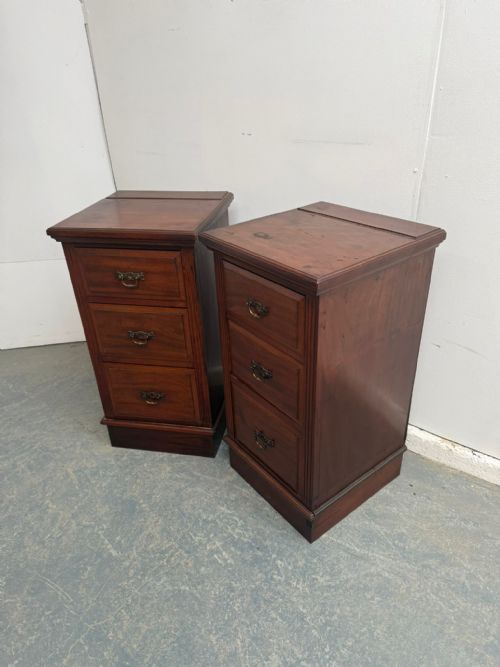
Whilst both types appear frequently from the nineteenth century, bedside chests stand on the floor to hold night-time necessities. Table cabinets are scaled down specifically to sit upon another surface.
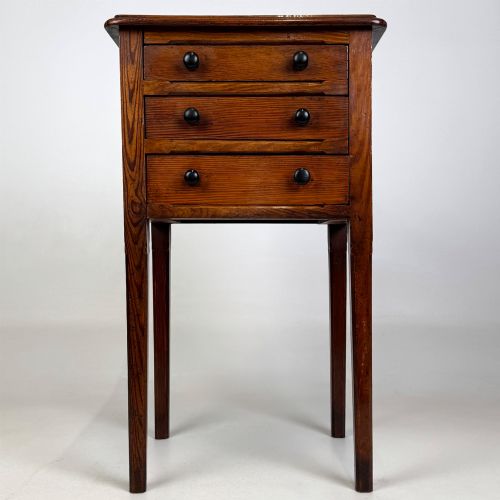
Some larger bedside cupboards share similar timber construction and drawer configurations, but true table cabinets lack floor-standing legs or plinths designed for bedside use.
How should I care for a nineteenth-century wooden cabinet?
Maintain stable indoor humidity and temperature levels to prevent the timber from warping or the delicate veneer from lifting. Avoid placing the piece in direct sunlight to protect the original polished finish.
Dust gently with a dry, soft cloth and occasionally apply a traditional beeswax polish to nourish the wood without building up heavy residue.