






Victorian Sugar Basin
A Victorian sugar basin brings nineteenth-century dining tables to life, offering a tactile centrepiece for afternoon tea.
Victorian Sugar Basin
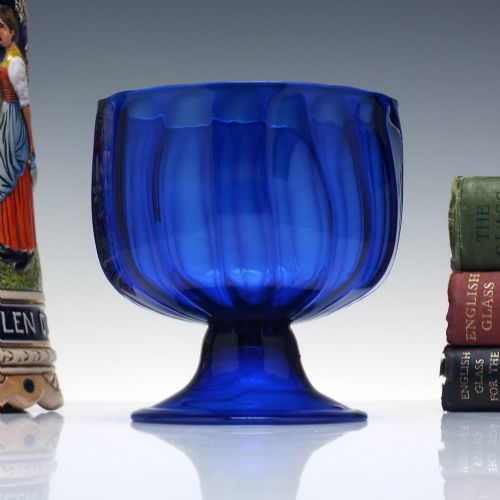
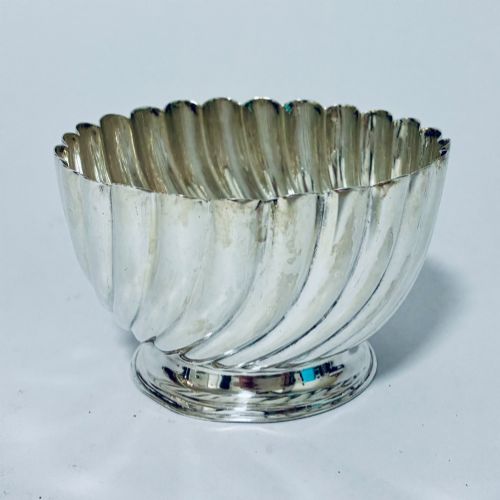
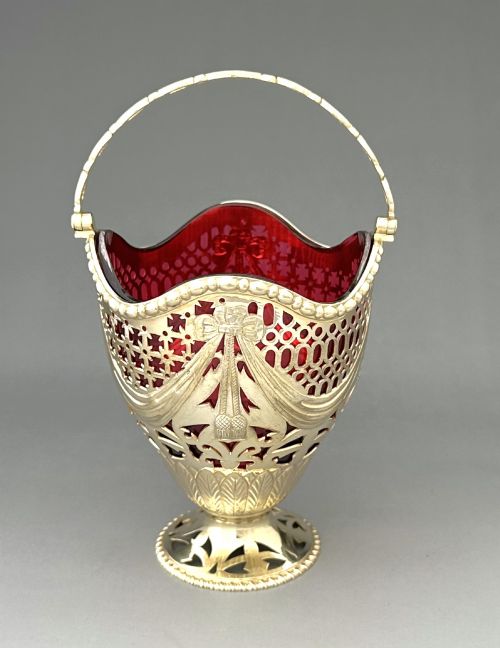
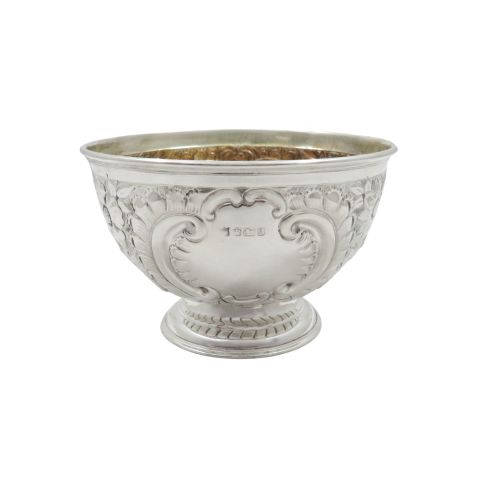
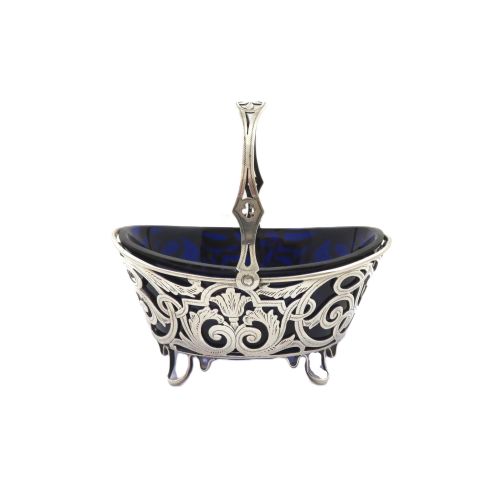
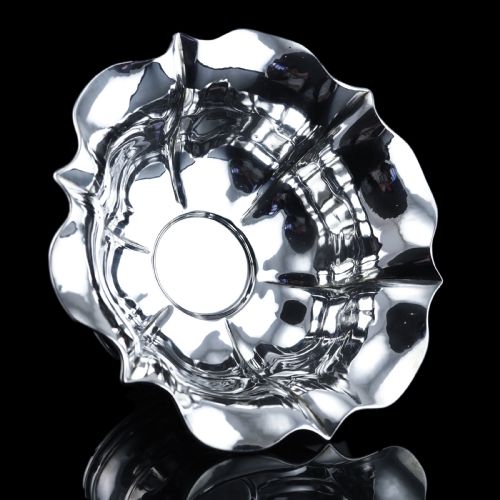
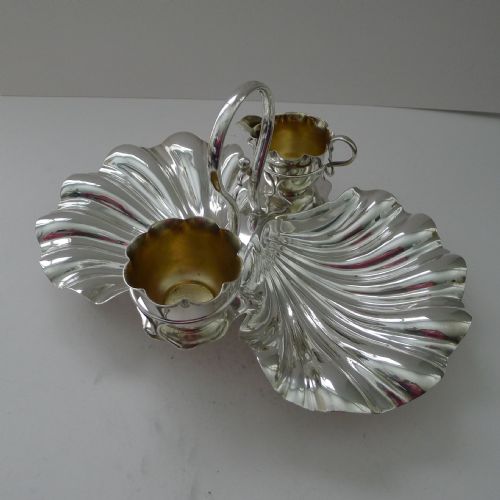
A Victorian sugar basin is a table vessel designed to hold sugar, appearing most frequently on this page as sterling silver bowls, footed baskets, and cranberry glass liners. These pieces span the mid-nineteenth century through to the Edwardian era, taking forms such as pedestal bowls, swing-handled baskets, and handled sets complete with sifter spoons.
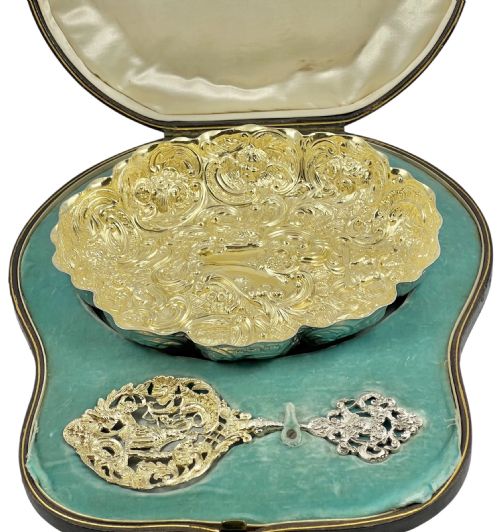
The objects originate from English workshops as well as continental makers, displaying styles that range from restrained Victorian forms to ornate Rococo Revival decoration and flowing Art Nouveau lines. Collectors encounter simple open bowls alongside fitted cased sets and combinations incorporating cream jugs and tongs.
Materials and Construction Methods
Metals dominate the selection, utilising sterling silver and silver plate shaped through hammering, repoussé work, and cast floral handles. Many sterling silver and silver gilt examples incorporate ruby-toned cranberry glass inserts or delicate pierced metalwork.
Alternative materials include stoneware, cut glass, and latticinio glass with blue cane rims, alongside fitted presentation cases lined in velvet and leather.
Victorian Sugar Basin Retail Price Guide 2026
Typical asking prices for victorian sugar basin among the pieces listed under this phrase on Sellingantiques today, from the lower quarter to the upper quarter. They describe what is for sale here now, not the wider market.
Listings feature sterling silver, silver plate, cranberry glass, and ceramic wares spanning the Victorian and Edwardian periods.
Evaluating Craftsmanship and Detail
Quality rests upon the crispness of the metal chasing and the weight of the silver, separating standard stamped production from pieces featuring heavy cast mounts and detailed repoussé work. Superior items often retain matching sifter spoons or original glass liners.
The integrity of applied decoration, such as cast floral handles and lion mask details, determines the distinction between ordinary tableware and exceptional cabinet pieces.
Daniel Arter·George Fox·ROBERT HENNEL
The Victorian Sugar Basin Glossary
- Repoussé
- Metalworking technique where the design is hammered into relief from the reverse side. This method creates tactile surface patterns on silver bowls and tea caddies.
- Silver Gilt
- Sterling silver coated with a thin layer of gold, often referred to as vermeil. This treatment protects the interior of sugar basins from tarnishing when exposed to damp sugar.
- Latticinio
- Glassware technique incorporating white or coloured threads embedded within clear glass. Pieces of this type display intricate geometric patterns.
- Sifter Spoon
- A perforated spoon designed to sprinkle caster sugar over fruit or desserts. These utensils frequently accompany sugar bowls and baskets in fitted presentation cases.
- Stoneware
- A dense, impermeable pottery fired at high temperatures. Examples include utilitarian and decorative vessels produced by potteries such as Doulton Lambeth.
Victorian Sugar Basin: Frequently Asked Questions
What were Victorian sugar basins used for?
These vessels held loose sugar for tea service on nineteenth-century dining tables. Hosts served the sugar using specialised sifter spoons provided with the bowls.
Many pieces formed part of larger matched tableware services that included cream jugs and matching tongs.
How do I care for a silver sugar basin?
Sterling silver and silver plated vessels require gentle cleaning with non-abrasive silver polishes to preserve the surface metal. Avoid harsh scrubbing that might damage engraved or repoussé decoration.
Glass liners and glass bowls wash safely in warm soapy water, keeping them separate from metal components during drying.
How can I date a sugar basin?
Hallmarks stamped on silver pieces indicate the assay office, standard of metal, and the specific year of manufacture. Stylistic indicators like Rococo Revival curves or Art Nouveau motifs further help narrow the period.
Associated items such as original velvet-lined presentation cases also provide clues to the production era.
Are cranberry glass liners original?
Many cranberry glass liners match the exact dimensions and period of their silver baskets, having been blown specifically for the mount. Close inspection reveals whether the glass sits flush within the pierced metalwork.
Replacement liners appear occasionally, though period examples display the characteristic deep red hue and minor bubbles typical of nineteenth-century glassmaking.