

Victorian Style Lighting
Victorian style lighting brings warmth and period character to a room through heavy metals and ornate glass.
Victorian Style Lighting
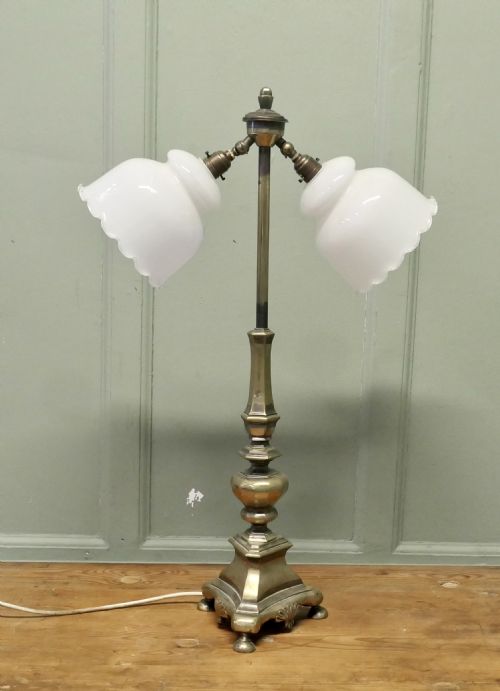
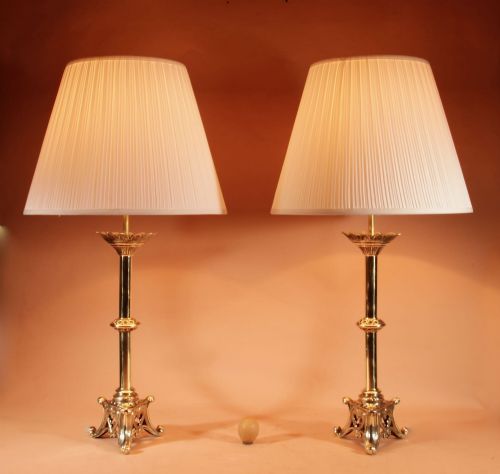
When searching for victorian style lighting, buyers encounter a mix of authentic nineteenth-century pieces and later interpretations spanning into the early twentieth century. The selection ranges from robust brass table lamps and converted oil lamps to large bronze and giltwood chandeliers.
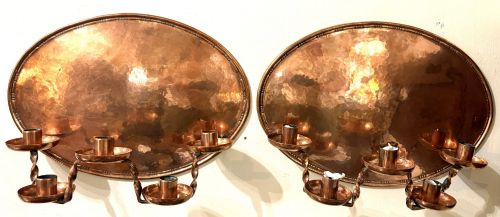
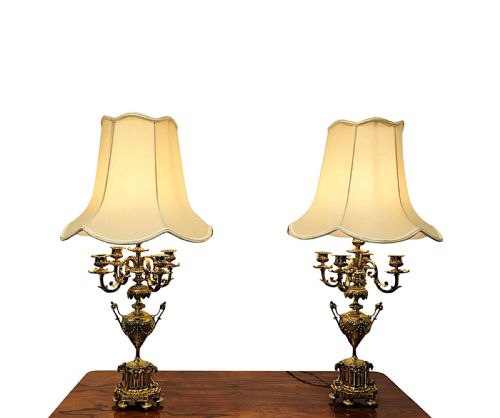
Table lamps, candelabras, and wall sconces dominate the offerings, often pulling from concurrent revivals like Gothic, Rococo, and Neoclassical styles. Most examples date from the late nineteenth century, reflecting the Victorian preference for ornate and heavy ornamentation.
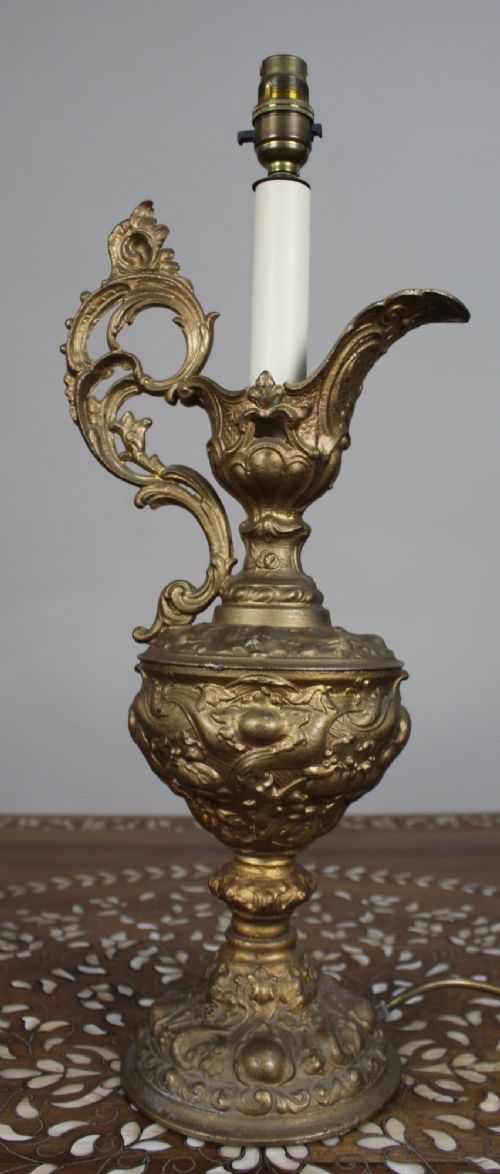
The objects serve both decorative and functional roles in modern interiors, frequently adapting historic oil lamps and candlesticks for electrical use. Buyers will find that solid brass and cast bronze forms appear most frequently among the surviving inventory.
Materials and construction
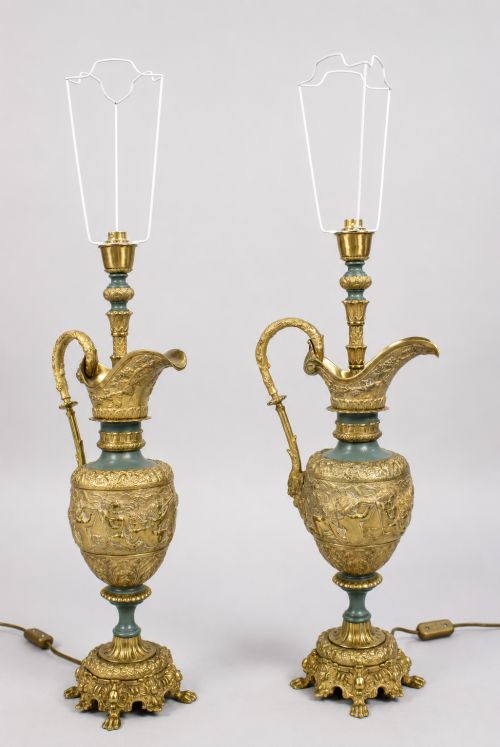
Metals form the core of these pieces, utilising cast brass, bronze, copper, and gilt metal shaped through traditional foundry methods. Ormolu and silver plating frequently provide surface richness on candelabras and candlesticks.
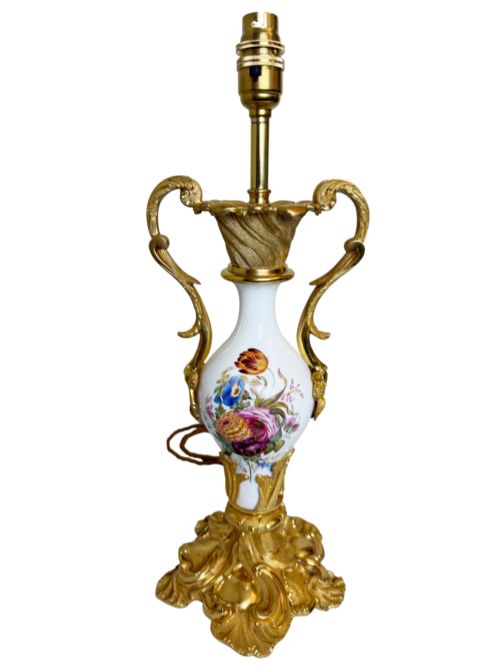
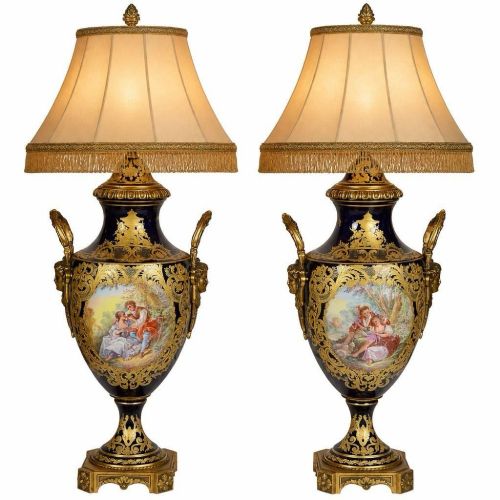
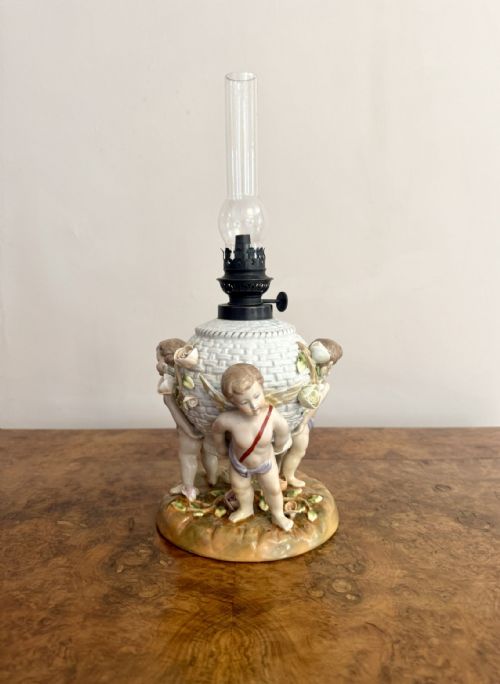
Glass and porcelain integrate into chandeliers and lamp bodies, often combining cut crystal prisms with painted porcelain figures or floral designs. Timber and gesso appear on floor lamps and wall brackets, finished with gilding or painted surfaces.
Listings incorporate brass, bronze, porcelain, and copper across table lamps, chandeliers, and wall sconces spanning the nineteenth and early twentieth centuries.
Assessing quality
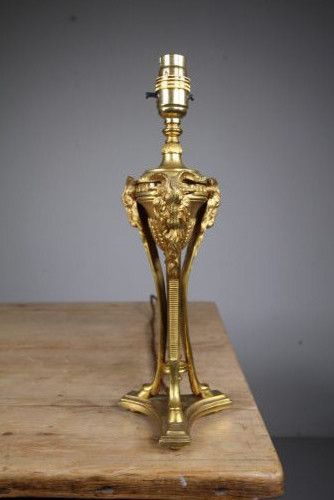
The refinement of the casting separates standard production from superior examples, visible in the crispness of chased details and lion masks on brass and bronze. Heavier gauge metalwork and robust structural joints indicate better workshops.
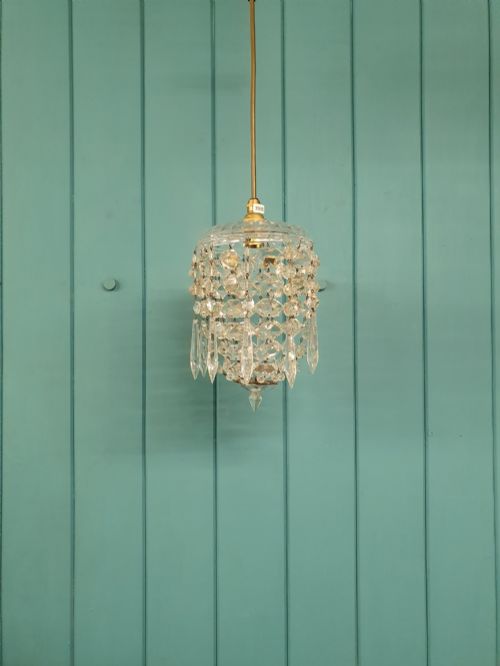
The integration of secondary materials defines the top tier, such as hand-cut crystal drops on chandeliers or finely painted porcelain sections. Original patination and intact mercury gilding or ormolu preserve the intended visual depth of the maker.
Smith & Sissons & Co
The Victorian Style Lighting Glossary
- Ormolu
- Gilded bronze, where a gold amalgam is applied to a bronze base through heat processing. This technique creates a rich golden surface found on nineteenth-century French and English mounts.
- Candelabra
- A branched candlestick designed to hold multiple candles. Many historical examples later undergo conversion to electrical table lamps.
- Gesso
- A plaster-like mixture applied to wood surfaces as a base for paint or gilding. It allows for intricate moulded relief work on frames and floor lamps.
- Champlevé
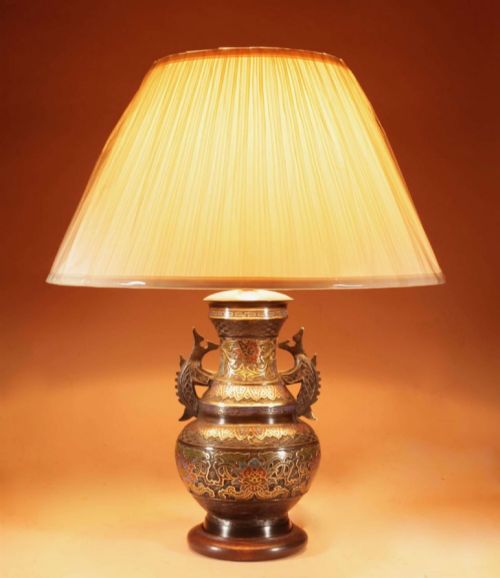
- An enamelling technique where troughs are sunk into a metal surface and filled with vitreous enamel. It appears on decorative bronze table lamps.
- Verdigris
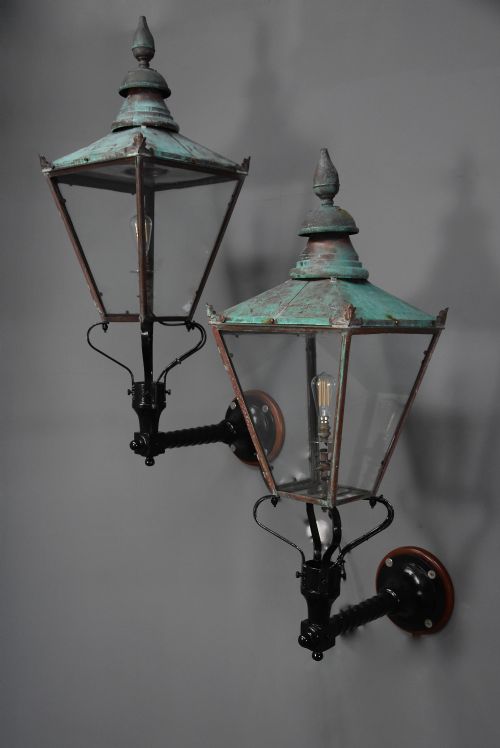
- A green patina formed naturally on copper, brass, or bronze through atmospheric oxidation. On coach-house lanterns, it indicates age and exposure to elements.
Victorian Style Lighting: Frequently Asked Questions
How do I safely wire an antique oil lamp?
Most converted lamps require a qualified electrician to inspect internal wiring and ensure the brass or bronze body is properly earthed.
Modern fittings should respect the original collar and burner threads without altering the historic metalwork permanently.
Can I use standard LED bulbs in these fixtures?
LED bulbs work well in most chandeliers and table lamps because they generate minimal heat, protecting fragile cut glass and painted porcelain.
Choose warm white tones to replicate the softer output of historical lighting sources.
How do I clean nineteenth-century brass lighting?
Dust gently with a dry microfibre cloth to preserve the natural aged patina built up over decades of handling.
Avoid aggressive metal polishes that strip away original surface character and age darkening.
What is the difference between a chandelier and a pendant?
Chandeliers feature multiple branched arms designed to hold several light sources in a decorative arrangement.
Pendants hang from a single suspension point without the branching arm structure characteristic of larger Victorian pieces.