


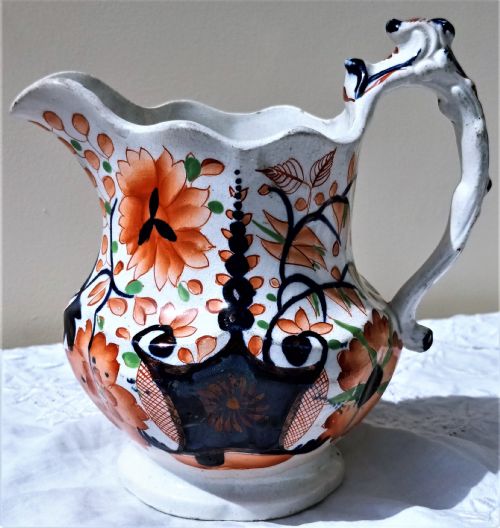
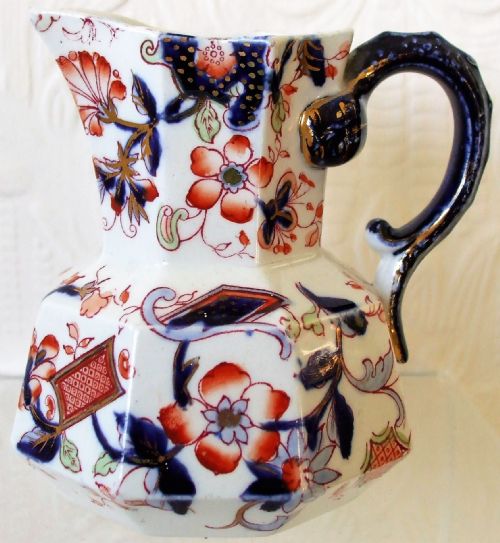


Victorian Style Jug
A victorian style jug brings substance to a table, offering solid earthenware, gleaming silver plate, and patterned ceramic forms shaped across the nineteenth century.
Victorian Style Jug
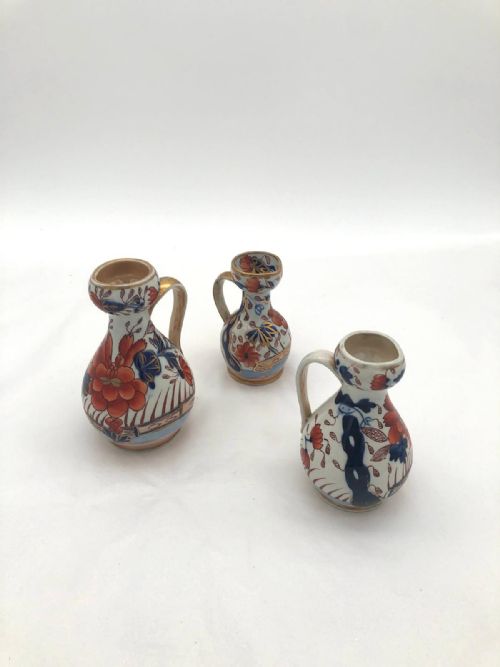
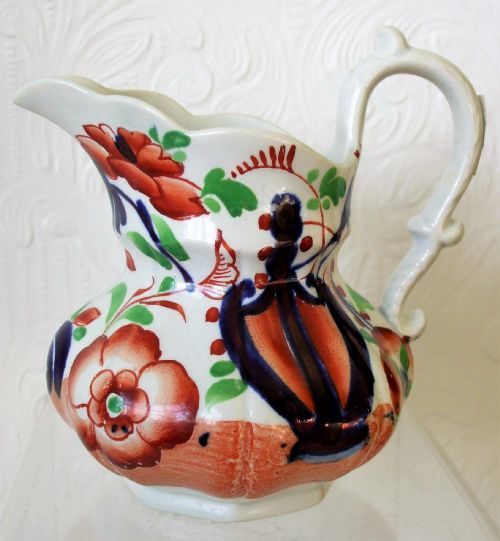
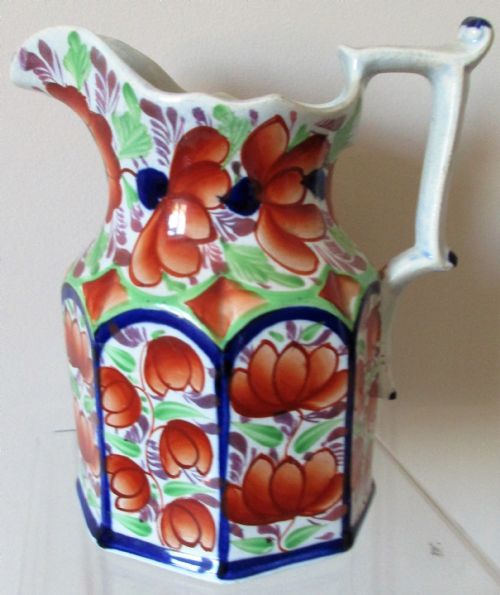
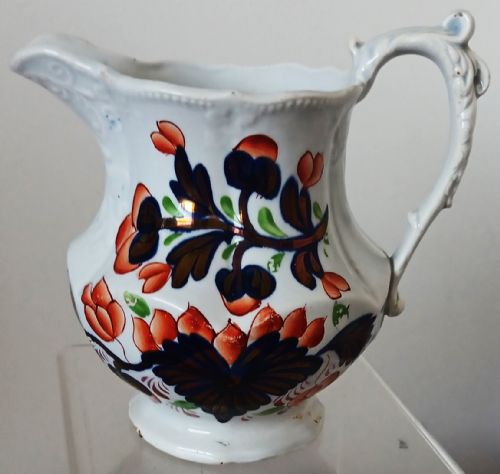
A victorian style jug covers a broad variety of domestic and decorative vessels, ranging from sturdy ironstone basins and milk jugs to ornate claret jugs and ewers. When exploring this selection, buyers encounter pieces spanning the nineteenth century, including works from the Georgian period through to Edwardian interpretations.
The forms encompass traditional pitchers, sauce boats, and specialised drinking vessels moulded in earthenware, porcelain, and crystal glass. Many examples incorporate decorative movements such as neoclassical, rococo revival, and chinoiserie designs.
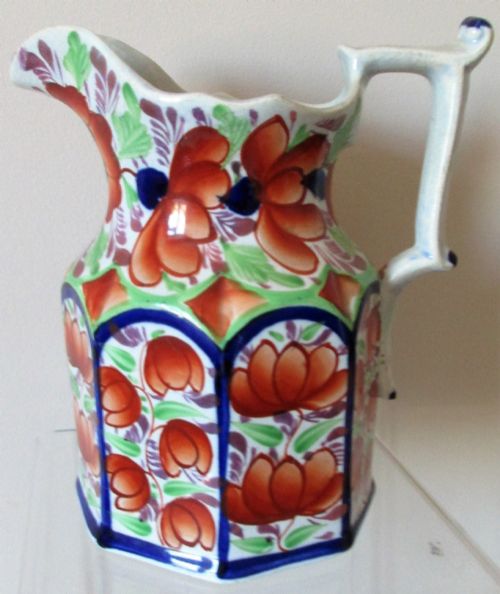
Makers and potteries utilise distinct regional styles, notably seen in Gaudy Welsh patterns or Doulton patent wares. These items function equally as display centerpieces and functional tableware.
Materials and methods
Potters constructed these vessels using ceramic, earthenware, ironstone, and porcelain, frequently applying detailed glazes, enamel, and gilt highlights to the surface. Salt-glazed stoneware provided a durable, textured body suited to heavy sprigged decoration.
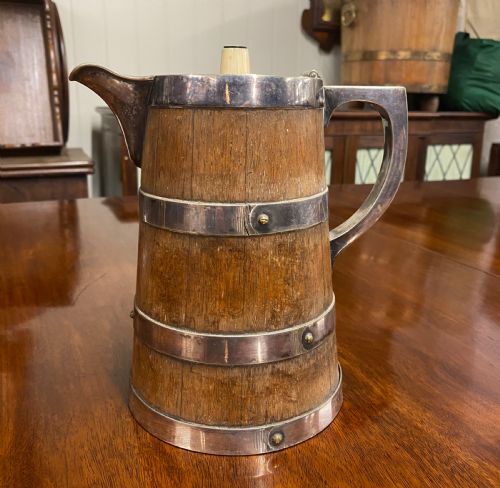
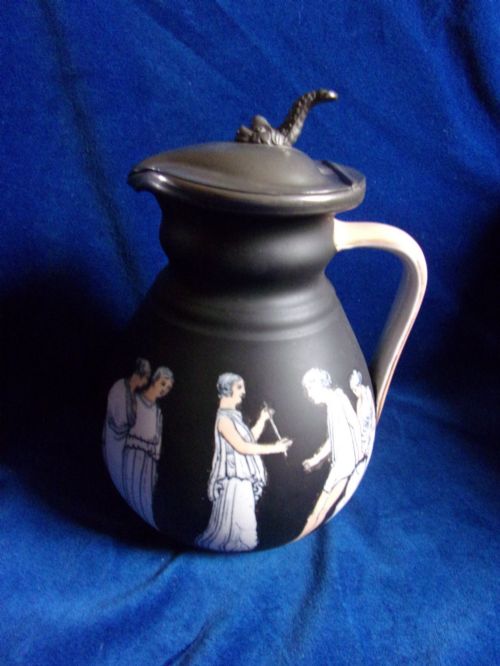
Metal components involved silver plating, pewter lids, and cast bronze mounts fixed to glass bodies. Crystal glass pieces employed wheel engraving and latticinio decoration techniques.
Potteries relied on hand-painted motifs, transfer printing, and moulding to achieve the distinct patterns seen on ironstone jugs and porcelain ewers.
Victorian Style Jug Retail Price Guide 2026
Typical asking prices for victorian style jug among the pieces listed under this phrase on Sellingantiques today, from the lower quarter to the upper quarter. They describe what is for sale here now, not the wider market.
Some nineteenth-century sporting enthusiasts purchased college presentation trophies that doubled as drinking vessels for celebratory university dinners.
Judging quality in nineteenth-century vessels
Quality rests in the crispness of the moulding and the execution of hand-painted or wheel-engraved details. Superior ironstone and porcelain pieces exhibit clean lines in transfer-printed patterns without blurring or smudging.
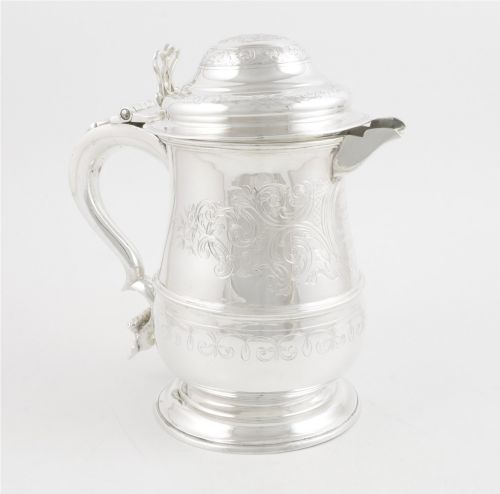
The integration of metal mounts, such as pewter lids on wine jugs or silver-plated collars on claret jugs, indicates the standard of assembly. Finer glass vessels show precise depth in wheel engraving and clarity in crystal bodies.
Keeling and Co·Elkington·Doulton Burslem·Davenport·Minton
The Victorian Style Jug Glossary
- Ironstone
- A heavy, durable type of earthenware patented in the nineteenth century. It provides a sturdy body for large jugs and basins.
- Ewer
- A large jug with a wide spout and flared base, often used for washing or decorative display rather than pouring table drinks.
- Claret jug
- A specialised container featuring a glass body paired with a metal lid and handle, designed for serving wine.
- Latticinio
- A glassmaking technique involving delicate white or coloured threads embedded within clear glass. It creates an intricate network pattern.
- Basalt
- A fine-grained, dark stoneware introduced in pottery production. It yields unglazed black vessels with a matte finish.
Victorian Style Jug: Frequently Asked Questions
What is the difference between a jug and an ewer?
Jugs generally serve a functional daily purpose for liquids at the table, featuring a standard handle and pouring lip. Ewers are typically larger, more ornamental vessels with classical proportions, historically designed for hand-washing or grand display.
In nineteenth-century production, ewers often accompanied wash stands or served as decorative mantel ornaments rather than practical beverage containers.
How do I care for antique ceramic and glass jugs?
These vessels require gentle hand washing in lukewarm water with mild soap, avoiding abrasive sponges that might damage delicate gilt or enamel highlights. Metal mounts on silver-plated or pewter-lidded pieces need dry polishing with appropriate cloths.
Sudden temperature changes can crack old glass or craze aged ceramic glazes, so these items should be kept away from extreme heat.
Were ironstone jugs used daily?
Ironstone was manufactured specifically for hard daily use because of its dense, durable body. Households utilised these sturdy vessels for milk, water, and general kitchen tasks.
Despite their practical origins, many survived in clean condition due to the resilience of the fired ceramic.
How are periods distinguished in these pieces?
Distinguishing periods relies on observing stylistic markers, material combinations, and manufacturing stamps. Georgian pieces often display restrained neoclassical lines, whereas Victorian items frequently embrace heavier ornamentation and revival styles.
Edwardian examples introduce lighter aesthetic influences and refined silver-plated mounts on cut glass bodies.