




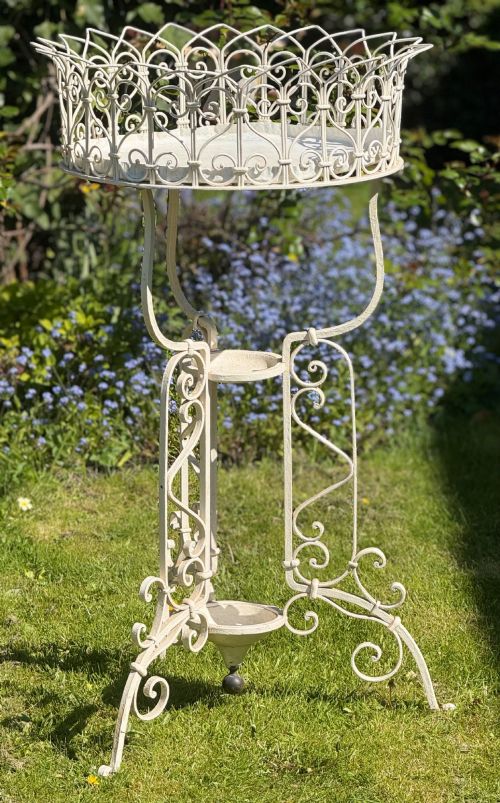


Victorian Style Jardiniere
These Victorian style jardiniere vessels and plant stands bring floral display indoors with 19th-century elegance.
Victorian Style Jardiniere
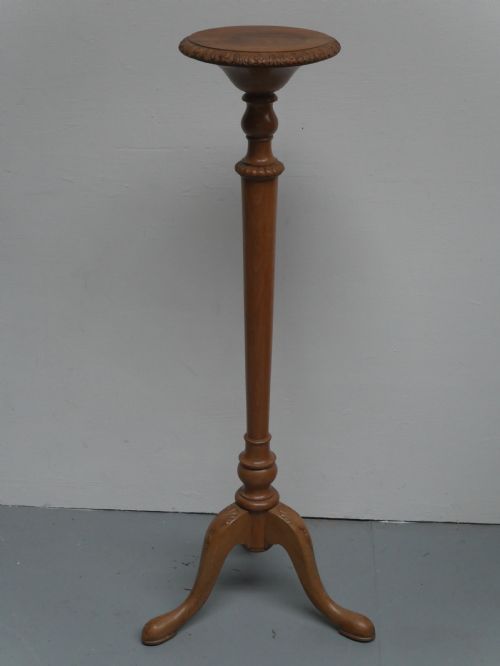
A Victorian style jardiniere serves as an ornamental container for growing plants or holding floral arrangements within the home. The forms span tabletop planters, heavy garden urns, and raised plant stands designed for conservatories and drawing rooms.
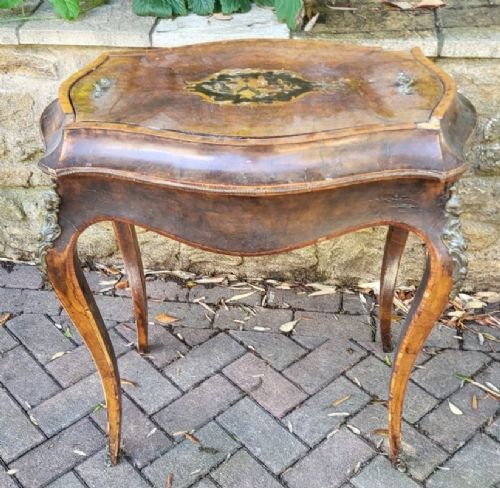
Most examples found here date from the nineteenth century, including pieces from the Victorian era alongside French and Gothic revival designs. Buyers frequently encounter combined forms such as jardiniere tables and wine coolers that feature lift-off lids or zinc liners.
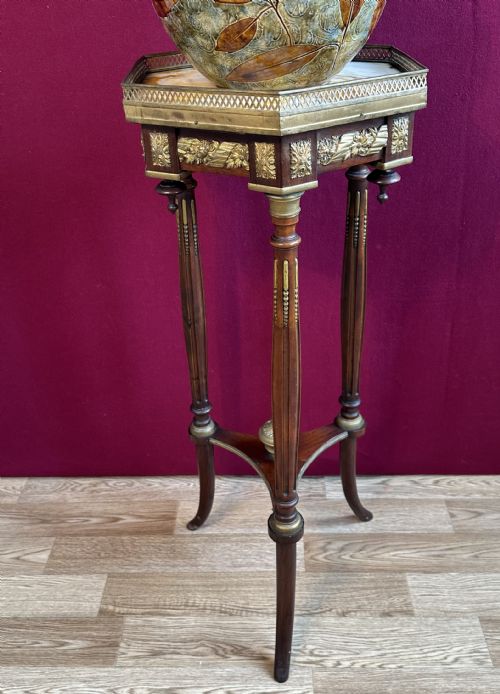
Materials range widely from cast iron and wrought iron for garden use to burr walnut, kingwood, and porcelain for interior spaces. Many incorporate brass mounts, marble tops, and painted ceramic plaques.
Materials and Construction
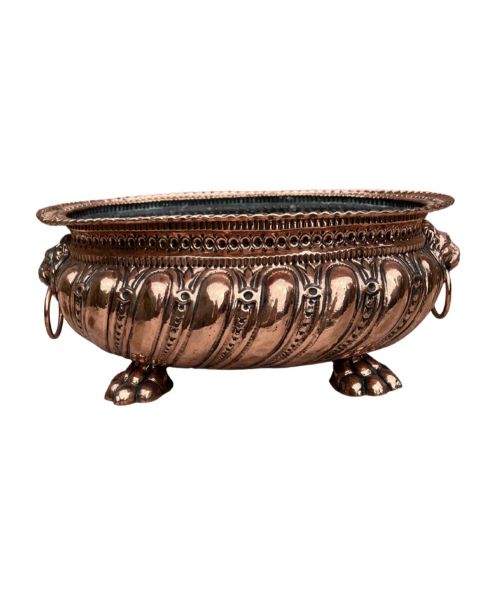
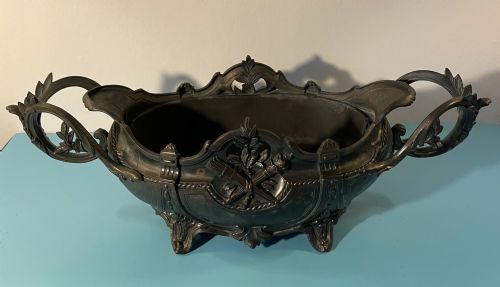
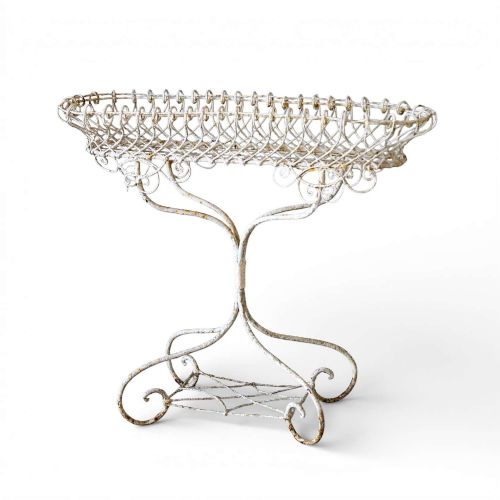
Metalwork dominates many pieces, utilising cast iron, wrought iron, brass, and ormolu mounts shaped into scrollwork, lattice baskets, and decorative stands. Artisans also employed wire work for conservatory plant stands and cast brass for Gothic style urns.
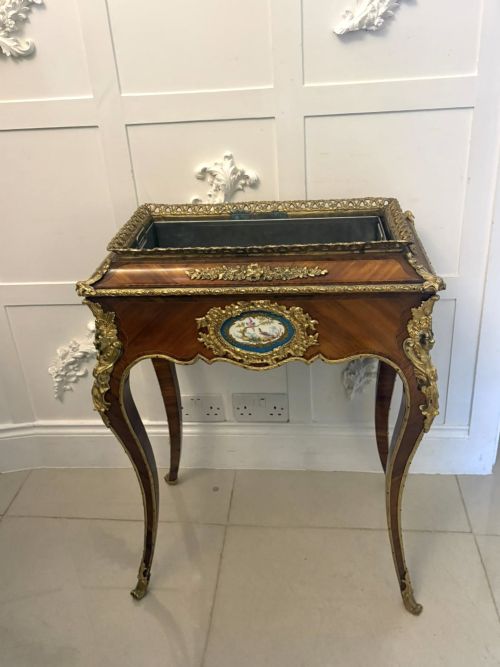
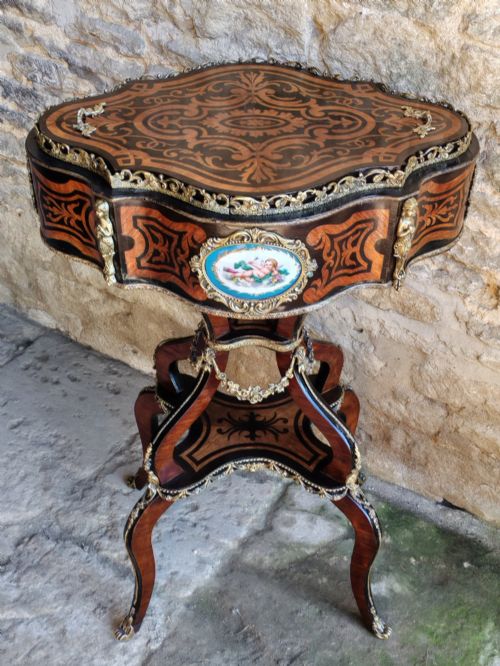
Cabinetmakers constructed fine interior tables and stands using hardwoods like walnut, kingwood, satinwood, and ebonised timber, often applying marquetry inlay, burr veneers, and lift-off lids.
Ceramic and stone elements feature prominently through Majolica pottery, hand-painted porcelain plaques, and inset marble tops, combining structural durability with decorative surface detail.
Victorian Style Jardiniere Retail Price Guide 2026
Typical asking prices for victorian style jardiniere among the pieces listed under this phrase on Sellingantiques today, from the lower quarter to the upper quarter. They describe what is for sale here now, not the wider market.
Listings feature wood, metal, and ceramic materials, spanning 19th-century walnut, kingwood, brass, cast iron, and Majolica pottery.
Assessing Quality
Quality rests in the material combination and the execution of decorative details, such as finely chased ormolu mounts, crisp cast iron scrollwork, and precise marquetry inlay on walnut or kingwood timbers.
The Victorian Style Jardiniere Glossary
- Jardiniere
- An ornamental pot or stand for holding plants or flowers. It often sits on a dedicated base or functions as part of a table.
- Ormolu
- Gilded bronze or brass mounts applied to furniture and decorative objects. This technique was popular in French and Victorian revival pieces.
- Majolica
- A type of earthenware coated with an opaque tin-glaze and painted with brightly coloured metal oxides. It appears frequently in Victorian plant holders.
- Marquetry
- The art of applying pieces of veneer to a structure to form decorative patterns. Craftsmen utilised timbers like kingwood and walnut for these inlays.
- Gothic Revival
- An architectural and decorative style drawing on medieval forms. Pieces often feature pointed arches and cast iron or brass tracery.
Victorian Style Jardiniere: Frequently Asked Questions
What is a jardiniere table?
A jardiniere table combines a display surface or side table with a central plant well, often featuring a removable metal liner for holding water and soil.
These pieces served functional roles in 19th-century drawing rooms, allowing greenery to be displayed alongside books and tea sets.
Were these used indoors or outdoors?
Usage depended entirely on the materials, with cast iron and wrought iron vessels built to withstand garden environments, while burr walnut, porcelain, and ormolu-mounted pieces remained strictly for interior display.
Conservatories often bridged this gap, housing wire work plant stands and Majolica pots alongside living plants.
How do I tell French pieces apart from English ones?
French examples often lean towards ebonised finishes with gilt mounts, kingwood veneers, and hand-painted porcelain plaques characteristic of the Napoleon III period.
English pieces more frequently display burr walnut construction, simpler joinery, or Gothic revival ironwork.
Can I plant directly into them?
Most antique pieces require an internal pot or liner to protect the wood, iron, or ceramic structure from moisture damage and soil corrosion.
Many surviving pieces retain their original metal liners for this exact purpose.