



Victorian Style Coffee Table
When you want a victorian style coffee table, you are looking at lowered occasional tables, tray tables, and adapted footstools that anchor a seating area.
Victorian Style Coffee Table
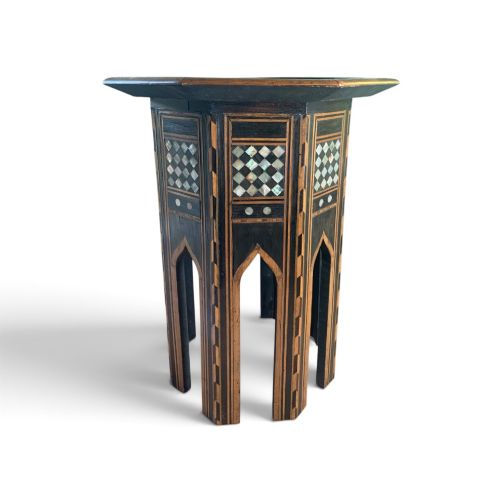
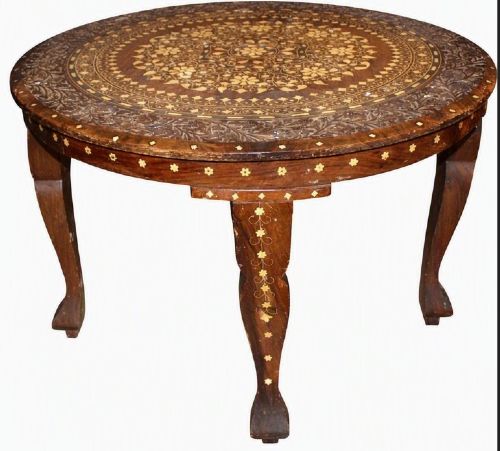
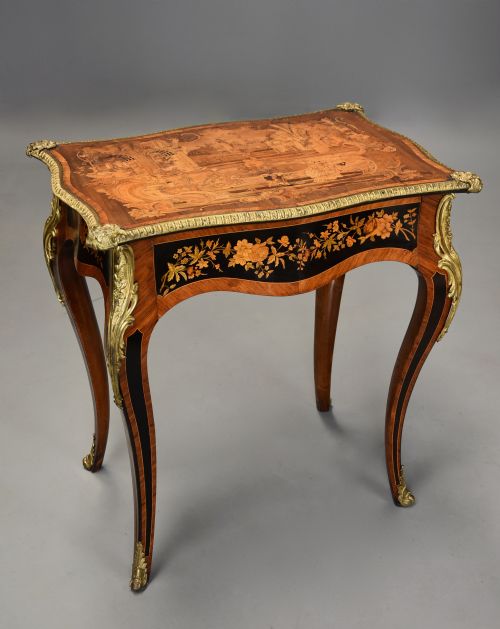
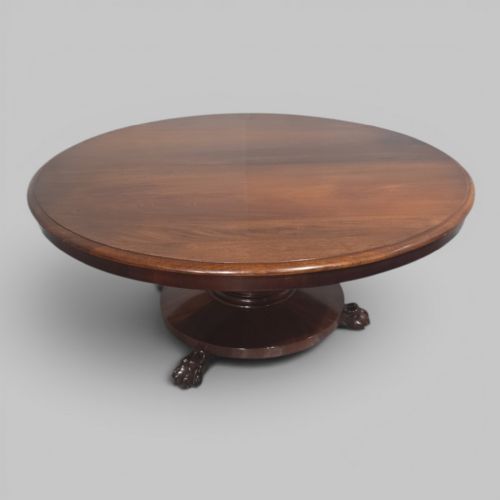
A victorian style coffee table encompasses low forms adapted from earlier centuries alongside occasional tables lowered for modern use, walnut and mahogany being typical timbers. Pieces span the nineteenth century into the early twentieth century, showing influences from Regency to Moorish design.
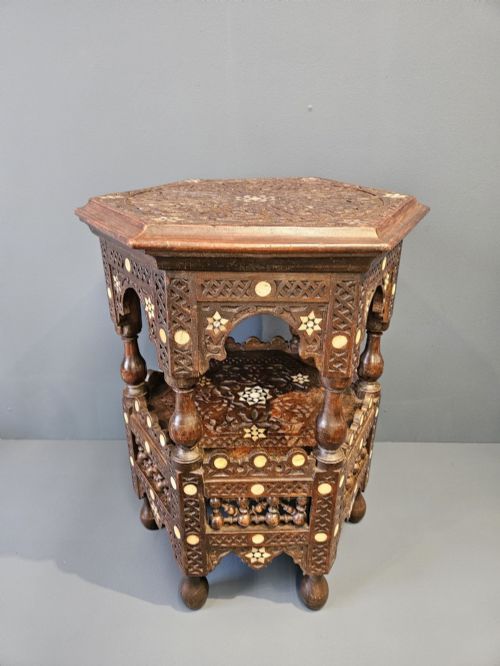
The selection frequently includes octagonal occasional tables, nests of tables, and buttoned leather stools repurposed as coffee tables. Cabinetmakers of the period utilised diverse styles including Chinoiserie, Anglo-Indian, and Aesthetic Movement motifs.
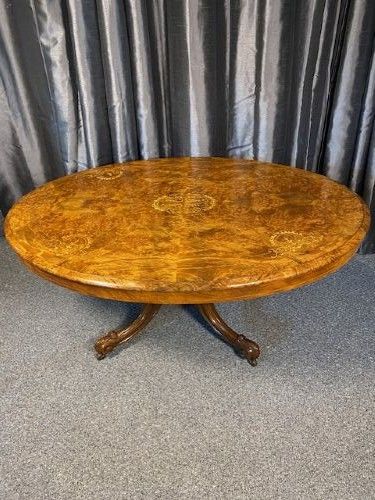
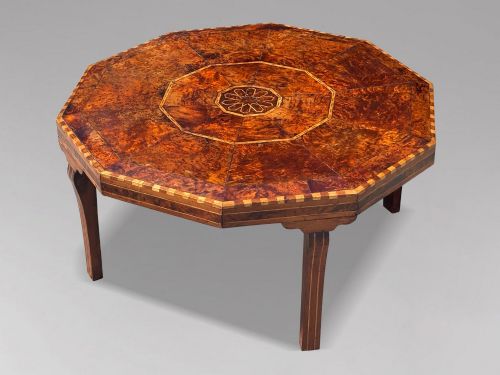
Buyers encounter variations such as inlaid burr yew wood, marble tops, and campaign trunks fitted with brass hardware. These low tables serve functional roles in contemporary reception rooms while retaining nineteenth-century craftsmanship.
Materials and Construction
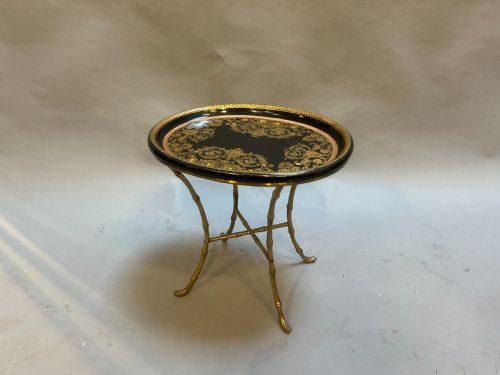
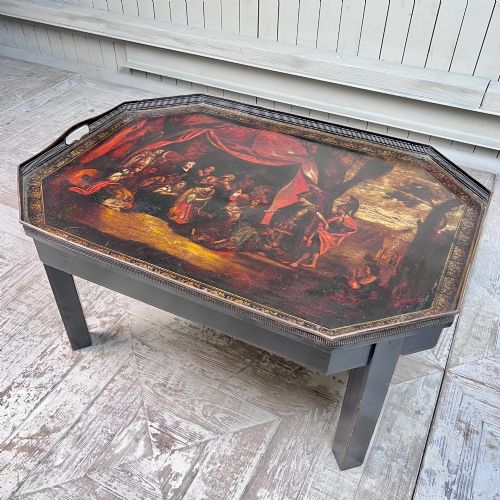
Construction relies heavily on hardwoods such as mahogany, walnut, oak, and kingwood, often enhanced with boxwood stringing, bone inlay, or brass mounts. Tray tables incorporate papier-mâché or lacquer surfaces over timber frames.
Upholstered coffee tables utilise hand-dyed English leather buttoned directly over sturdy timber foundations. Tables with stone surfaces feature Italian marble inserts fitted precisely into solid wood surrounds.
Periods represented span the nineteenth century, including Victorian, Regency, and Edwardian eras, with styles ranging from Chinoiserie to Moorish Revival.
Assessing Quality
Quality reveals itself in the precision of the timber joinery, the crispness of hand-carved details, and the integrity of any inlaid work. Finer examples display meticulous grain matching in burr walnut or yew wood rather than printed or superficial ornamentation.
The treatment of secondary materials dictates overall merit, from the thickness and depth of hand-dyed leather upholstery to the stability of turned legs and brass campaign mounts.
Liberty & Co
The Victorian Style Coffee Table Glossary
- Burr yew wood
- A figured timber obtained from the excrescences on yew trees, highly prized for its swirling grain patterns in nineteenth-century tabletops.
- Campaign trunk
- A portable storage chest constructed with brass corners and recessed handles for military transport, frequently adapted as a low coffee table.
- Quartetto nest
- A set of four graduating occasional tables designed to fit one beneath another, popular in nineteenth-century mahogany.
- Tole tray
- A painted or enamelled metal tray, often placed upon a folding stand to form an occasional table.
- Buttoned leather
- Upholstery secured with deep indentations held by buttons, commonly applied to nineteenth-century stools used as coffee tables.
Victorian Style Coffee Table: Frequently Asked Questions
Are these tables original nineteenth-century pieces?
The selection includes period pieces dating from the nineteenth century alongside items created in the early twentieth century. Many low coffee tables originate as taller occasional tables, wine tables, or stools lowered during later periods to suit modern seating heights.
Examination of the timber, fixings, and wear patterns helps determine the age and original function of each piece. Cabinetmakers of the era employed traditional joinery methods that persist across both authentic period tables and revival pieces.
How do I maintain a leather-topped table?
Leather surfaces benefit from regular dusting with a dry cloth and occasional treatment with appropriate leather balms to prevent drying. Avoid placing hot cups directly on the leather to protect the hand-dyed finish.
Keeping the table away from direct sunlight and heat sources preserves the colour and suppleness of the hide over time.
Can I use an antique stool as a coffee table?
Padded stools and ottomans with buttoned leather tops provide a stable surface for serving trays and books. Their solid timber frames withstand daily domestic use while introducing rich texture to a room.
These pieces integrate smoothly into various interior schemes, pairing well with traditional upholstery and contemporary seating arrangements.
What is the difference between a side table and a coffee table?
Period side tables stand at a taller height intended for placement beside chairs or against walls for lamps and decorative objects. Coffee tables sit lower to the ground to serve the centre of a seating area.
Many tables listed under this search phrase are nineteenth-century occasional or wine tables that function comfortably at coffee table height.