
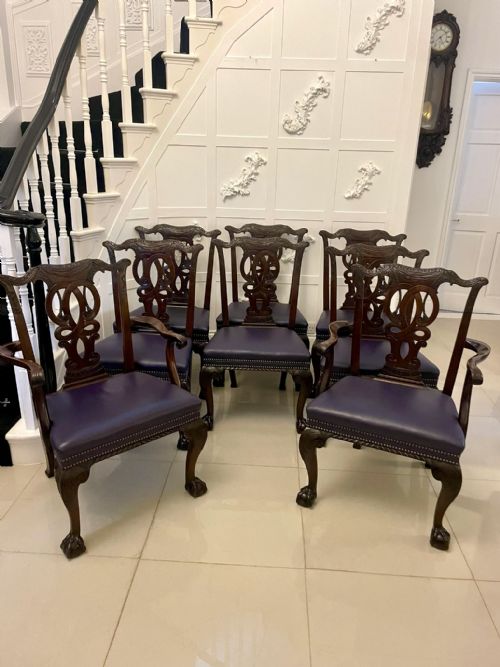
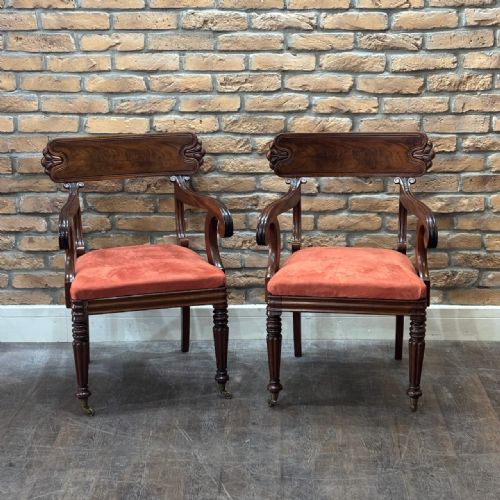
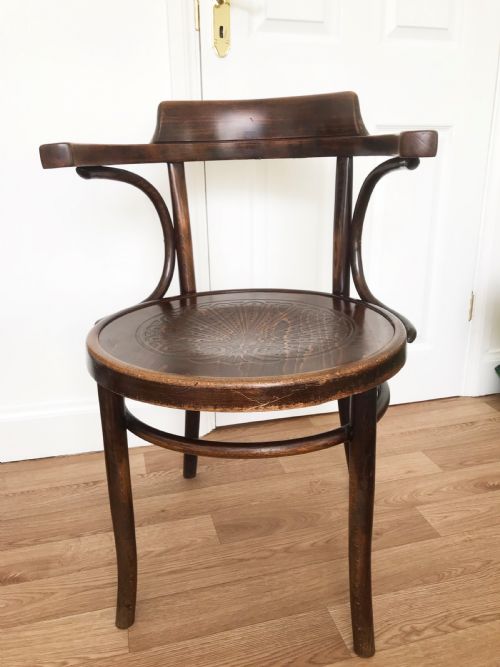
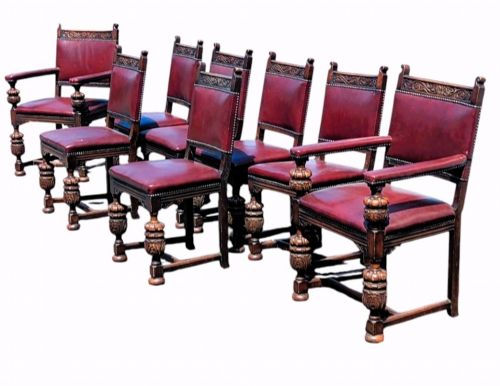
Victorian Style Carver Chair
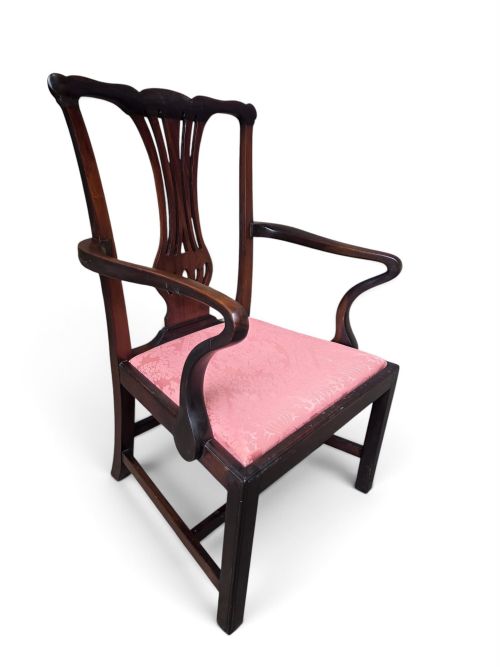
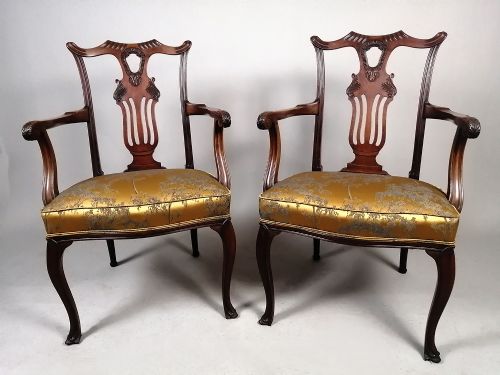
A victorian style carver chair brings generous proportions and carved timber details to a dining table or study desk.
Victorian Style Carver Chair
A victorian style carver chair provides open armrests designed to sit at the head of a dining table or function as a standalone desk seat. These pieces emerge primarily from the nineteenth century, spanning decades from the eighteen fifties to nineteen hundred.
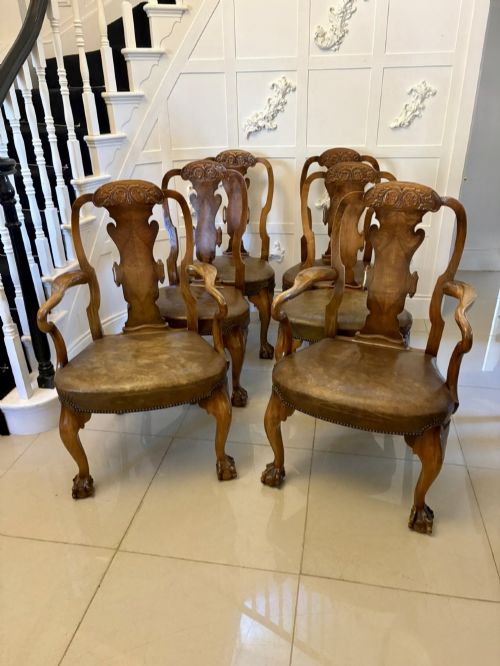
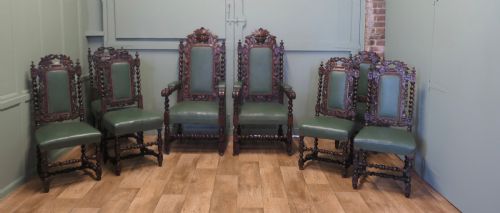
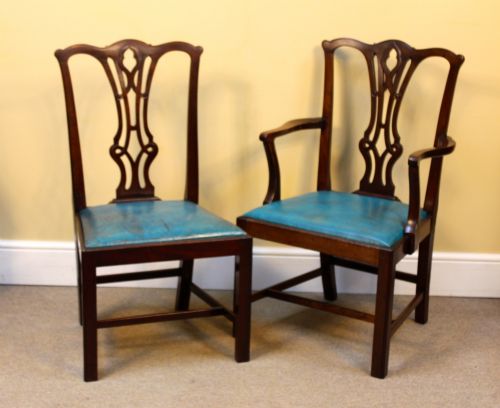
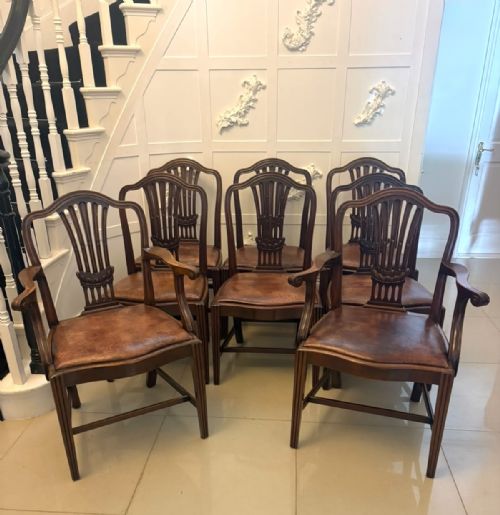
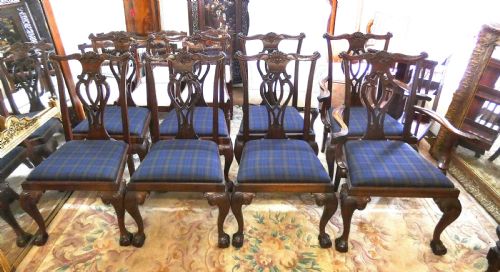
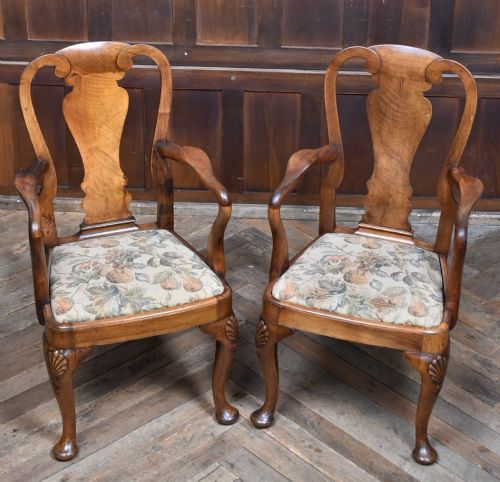
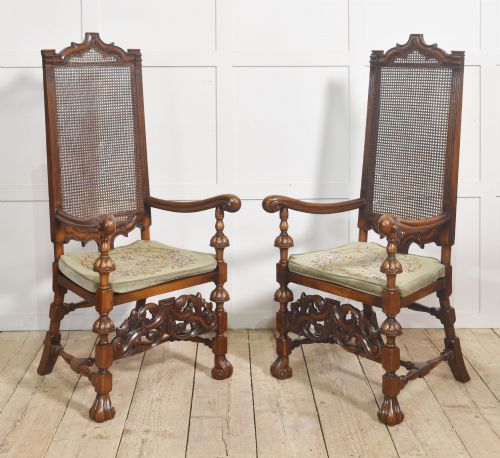
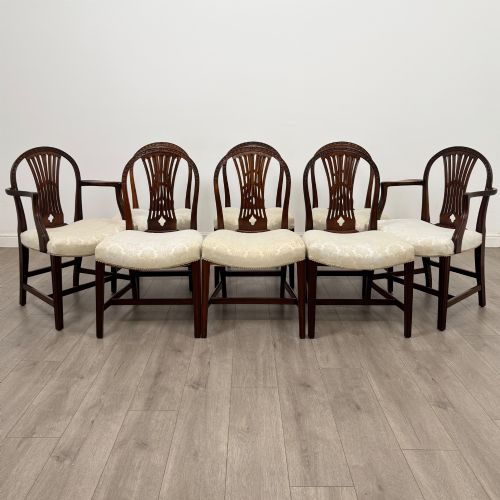
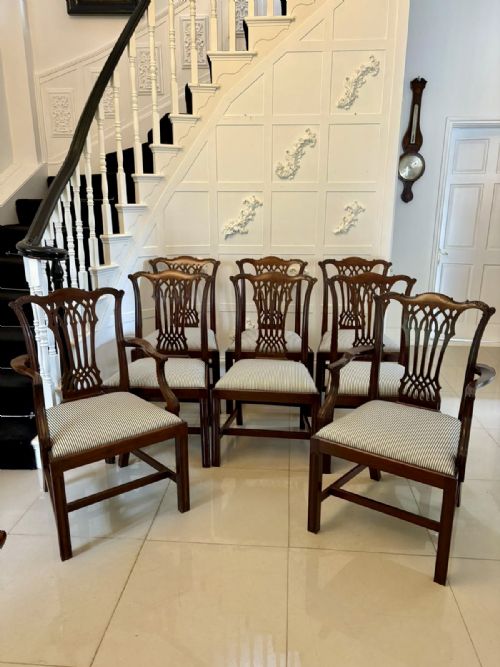
The selections recorded here encompass revival aesthetics including Chippendale and Hepplewhite influences alongside Gothic Jacobean interpretations. Formats range from single library armchairs to matched sets featuring two carvers and several side chairs.
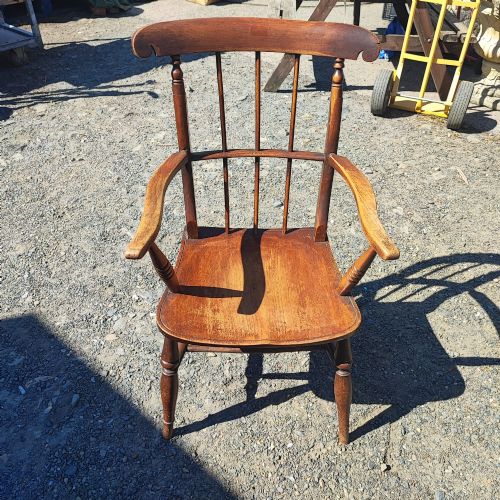
Makers of the period drew heavily on earlier eighteenth century vocabulary while adapting timber frames to Victorian comfort standards. Buyers encounter sturdy mahogany structures alongside country variations built from elm, ash, and oak.
How they were made
Cabinetmakers relied on dense hardwoods, principally mahogany and walnut, for formal revival models while utilising tougher timbers like elm and oak for country seating. Joinery techniques involved precise mortise and tenon joints to support the stress placed upon open arm structures.
Upholstery methods utilised traditional stuffing materials beneath coverings of leather, woven tapestry, velvet, or contemporary fabric. Decorative carving was executed by hand directly into the solid timber rails, splats, and scroll terminals.
Some nineteenth century carvers feature generously widened arms built specifically to accommodate the expansive crinoline skirts worn by Victorian ladies.
What varies in quality
The distinction between standard commercial seating and exceptional cabinetwork lies in the crispness of the hand carving and the selection of timber grain. Superior examples display deeply sculpted splats, robust underframing, and well proportioned scroll arms that integrate smoothly into the main structure.
Original upholstery survivals, such as early tan leather or period tapestry, elevate a piece compared to modern re-webbing. The weight of the timber and the tightness of the joinery further separate utilitarian dining seating from parlour showpieces.
The Victorian Style Carver Chair Glossary
- Carver chair
- An armchair designed to sit at the head of a dining table, featuring open sides to accommodate voluminous historical garments. These seats typically match a larger set of smaller side chairs.
- Chippendale style
- A decorative revival drawing on mid eighteenth century design principles characterised by interlaced ribbon splats and cabriole legs. Victorian interpretations often amplify the carved detail.
- Hepplewhite style
- A neoclassical aesthetic featuring shield back or wheel back contours combined with tapered legs and subtle floral motifs. Pieces from the nineteenth century reproduce these lighter proportions in solid mahogany.
- Elbow chair
- An alternative term for an armchair, referring specifically to the supportive wooden curves provided for the arms. They appear frequently in nineteenth century dining and library contexts.
- Scroll arm
- An armrest terminating in a rolled timber volute, providing both ergonomic hand support and decorative flourish. This feature appears widely across Victorian revival seating.
Victorian Style Carver Chair: Frequently Asked Questions
How do I use a carver chair today?
These armchairs serve effectively at the head and foot of a dining table or as standalone accent seating in a study. Their sturdy frames also suit placement beside a desk or fireplace.
Because the arms add physical width, measure your table clearance to ensure the chair slides underneath comfortably when not in use.
Are these chairs comfortable for daily seating?
Nineteenth century dining chairs offer solid back support, though padding levels vary according to original design and subsequent reupholstery. Formal parlour models prioritise upright posture over deep squabs.
Adding a loose cushion can adjust the seating height and comfort level for modern dining durations without altering the wooden structure.
How do I distinguish revival styles?
Chippendale revival forms generally feature pierced splats and claw and ball or Marlborough feet. Hepplewhite versions typically display characteristic shield shaped backs with slender tapered supports.
Examining the back splat shape and leg geometry clarifies which eighteenth century designer influenced the nineteenth century maker.
What woods were commonly used?
Mahogany and walnut dominated formal urban furniture production, offering dense grain suitable for intricate carving. Elm, ash, and oak appeared more frequently in regional country workshops.
Timber choice often indicates whether a chair was intended for a formal dining room or a domestic farmhouse kitchen.