

Victorian Storage Shelves
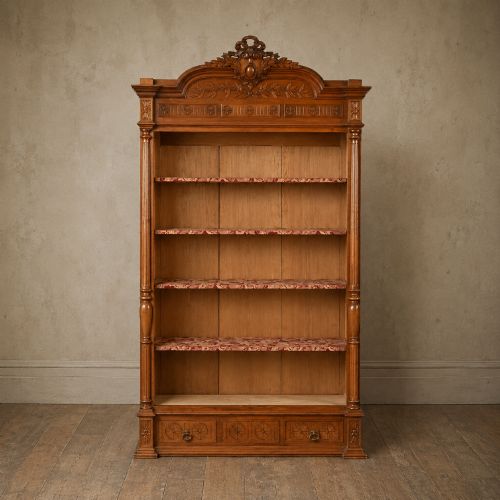
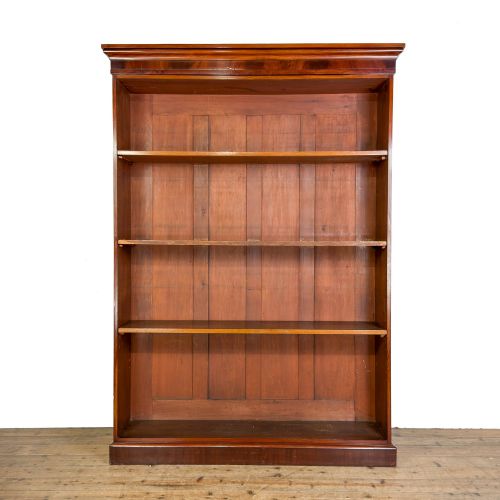
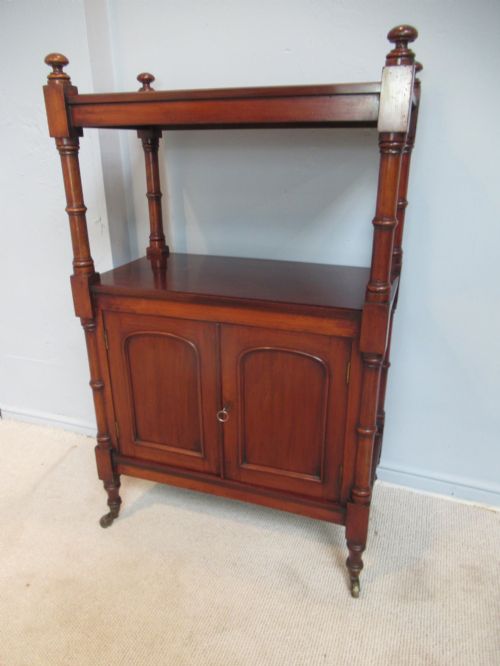
Victorian storage shelves bring timber character and practical display to a room, ranging from mahogany bookcases to pine pigeon holes.
Victorian Storage Shelves
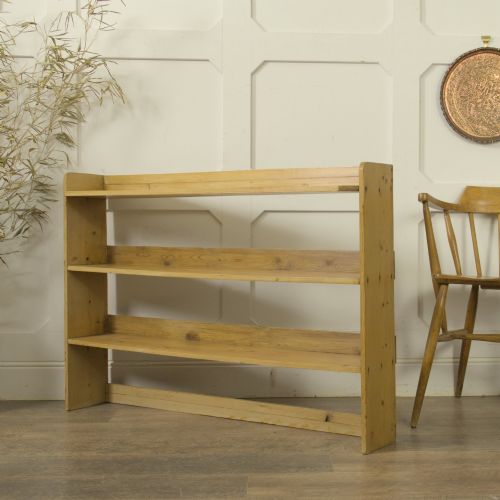
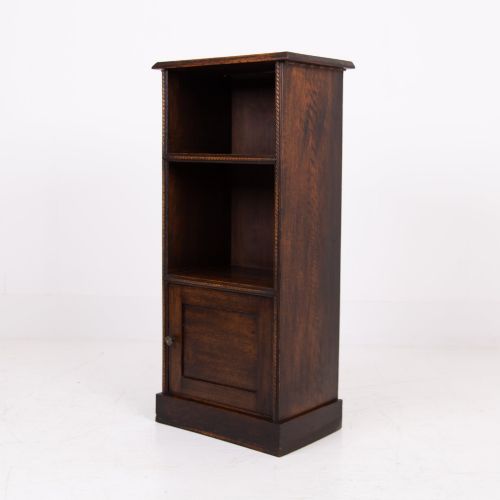
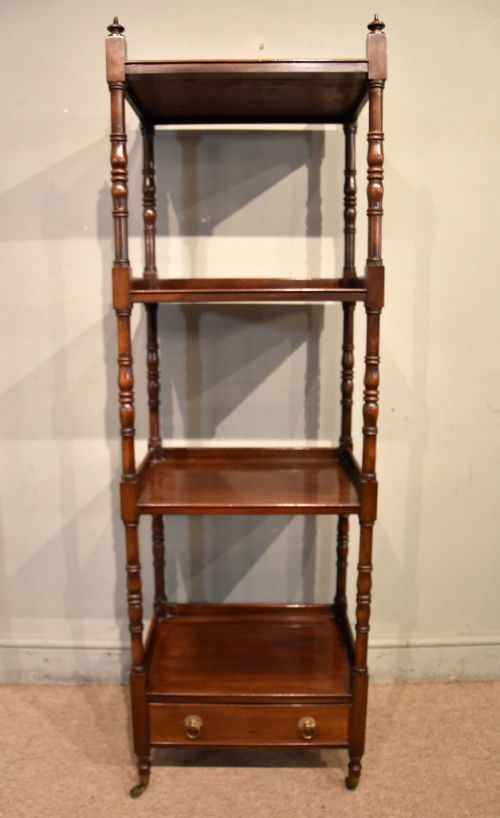
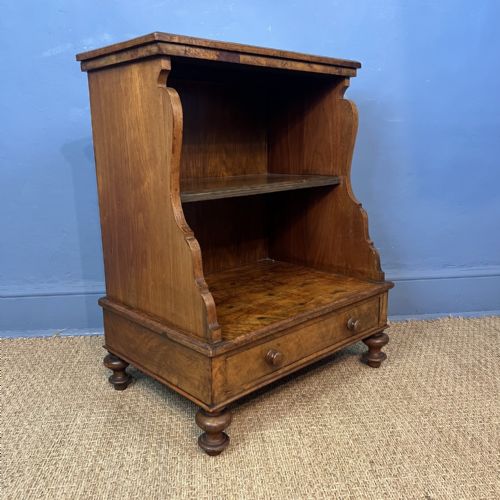
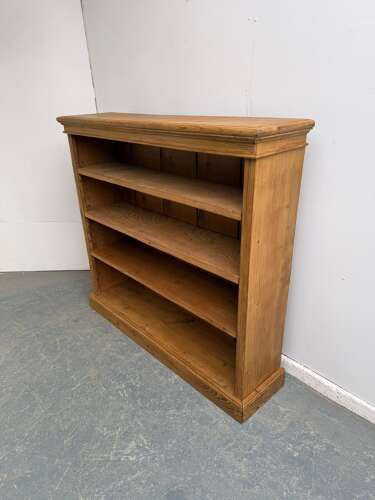
Victorian storage shelves encompass a varied group of utilitarian and display furniture designed to hold books, household objects, and ornaments. When you search for victorian storage shelves, you meet everything from open library bookcases and mahogany wall shelves to rustic pine pigeon holes and four-tier whatnots.
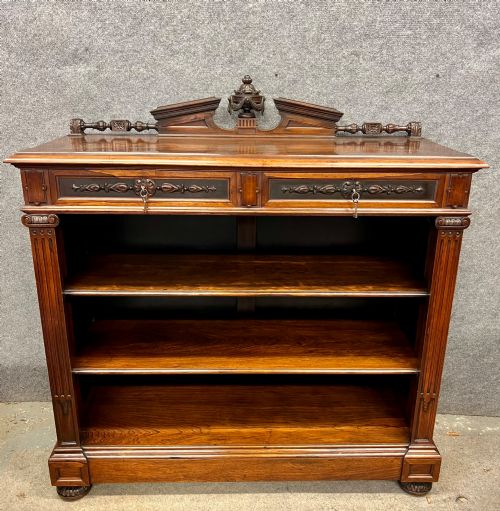
The pieces span open designs for frequent access and enclosed cabinets with glass or solid wooden doors. Makers of the period utilised domestic spaces efficiently, producing corner units, bedside cabinets, and multi-functional side cabinets that suited both grand libraries and modest parlours.
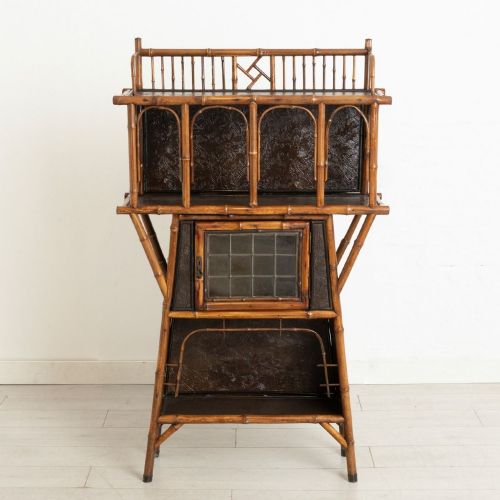
Early examples sit alongside late nineteenth-century pieces, showing shifts from heavy architectural proportions to lighter, aesthetic movement influences. Pine, oak, and mahogany form the backbone of these listings, often accompanied by specialist items like music cabinets, bamboo display cabinets, and iron pan stands.
How they were made
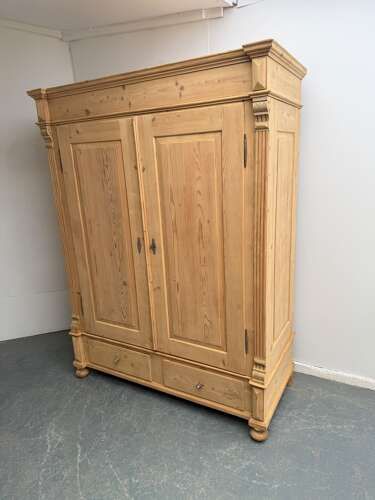
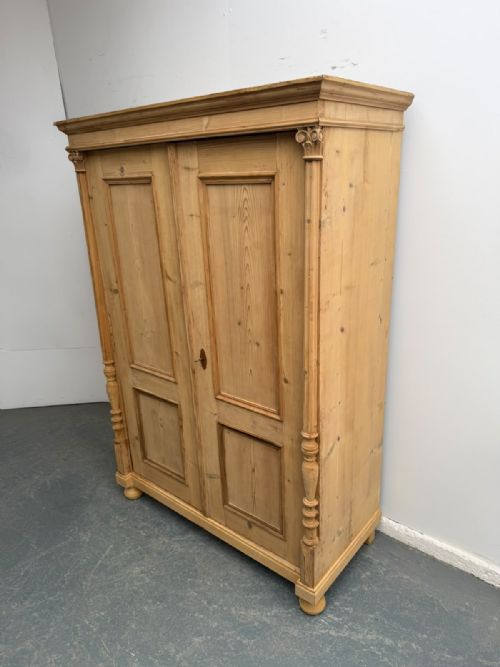
Cabinet makers relied on solid woods such as mahogany, oak, walnut, and burr walnut for formal pieces, while utility items like knockdown wardrobes and shoe racks leaned on pine. Construction methods included dovetailed joints, pegged frames, and carved solid wood details.
Surface treatments ranged from clear wax finishes and French polish to painted coatings and ebonising. Decorative elements incorporated inlay, brass hardware, glazed doors, and carved scroll-work, alongside alternative materials like bamboo and iron.
Among the heavy library timbers sits a Scottish pine shoe rack alongside an iron bakery rack.
What varies in quality
The hierarchy of quality rests on timber selection, such as figured burr walnut or dense mahogany versus utilitarian pine. Finer pieces display refined carving, well-matched grain patterns, and careful joinery by notable makers.
Proportion and execution separate standard commercial output from exceptional commissions. Structural integrity, original hardware, and uncompromised glazed or open tiers elevate a piece above simpler storage forms.
Gillows·Leonard Wyburd for Liberty and Co
The Victorian Storage Shelves Glossary
- Whatnot
- A set of open shelves standing on pillars, used for displaying ornaments or books. Late nineteenth-century examples often feature multiple tiers.
- Chiffonier
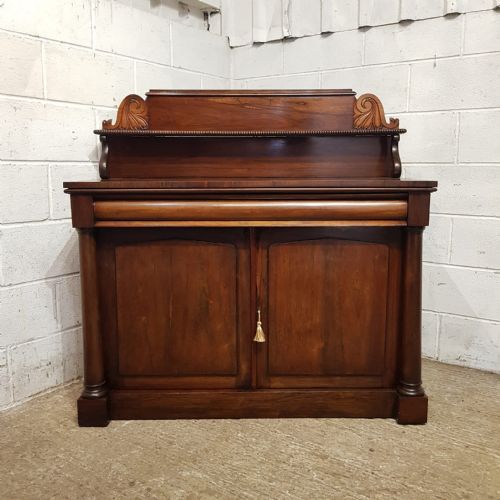
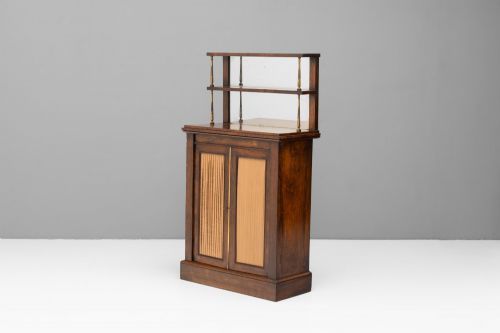
- A low sideboard fitted with drawers and enclosed shelves below. Early Victorian versions frequently pair rosewood with mirrored backs.
- Canterbury
- A low multi-tiered stand originally intended for sheet music or folios, often built with slatted wooden divisions and fitted drawers.
- Credenza
- A sideboard or display cabinet lacking legs, sitting flush to the floor. Walnut iterations often feature marquetry inlay and ebonised details.
- Pigeon holes
- Small, stacked open compartments designed for sorting papers, letters, or ledgers. Pine versions provide robust rustic storage.
Victorian Storage Shelves: Frequently Asked Questions
What woods are typical for these shelves?
Mahogany, oak, walnut, and pine dominate the selection, with burr walnut and rosewood appearing on finer parlour and library furniture.
Secondary woods and alternative materials like bamboo, iron, and brass also feature in specific functional pieces.
How do I spot an early Victorian piece?
Early Victorian items frequently showcase denser timbers like rosewood and heavy mahogany with classical architectural proportions.
Later nineteenth-century pieces often incorporate lighter woods, painted finishes, or aesthetic movement styling.
Are these shelves suitable for modern books?
Many open bookcases and library shelves accommodate standard modern volumes without adjustment, though older shelf depths can vary.
Adjustable shelving systems appear in select pine and hardwood bookcases from the period.
What is the difference between a chiffoniere and a bookcase?
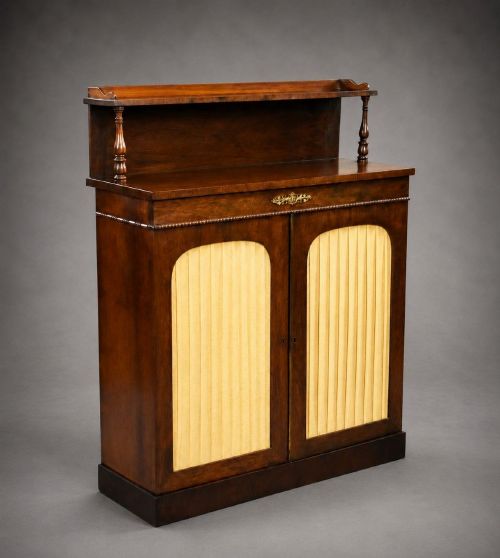
A chiffoniere combines lower storage cupboards with surface display space, often including a raised back or mirrored superstructure.
Bookcases focus primarily on open or glazed tiers designed specifically for holding collections of books.