


Victorian Storage Footstool
These Victorian storage footstool pieces combine hidden capacity with period upholstery, offering practical seating and concealed storage.
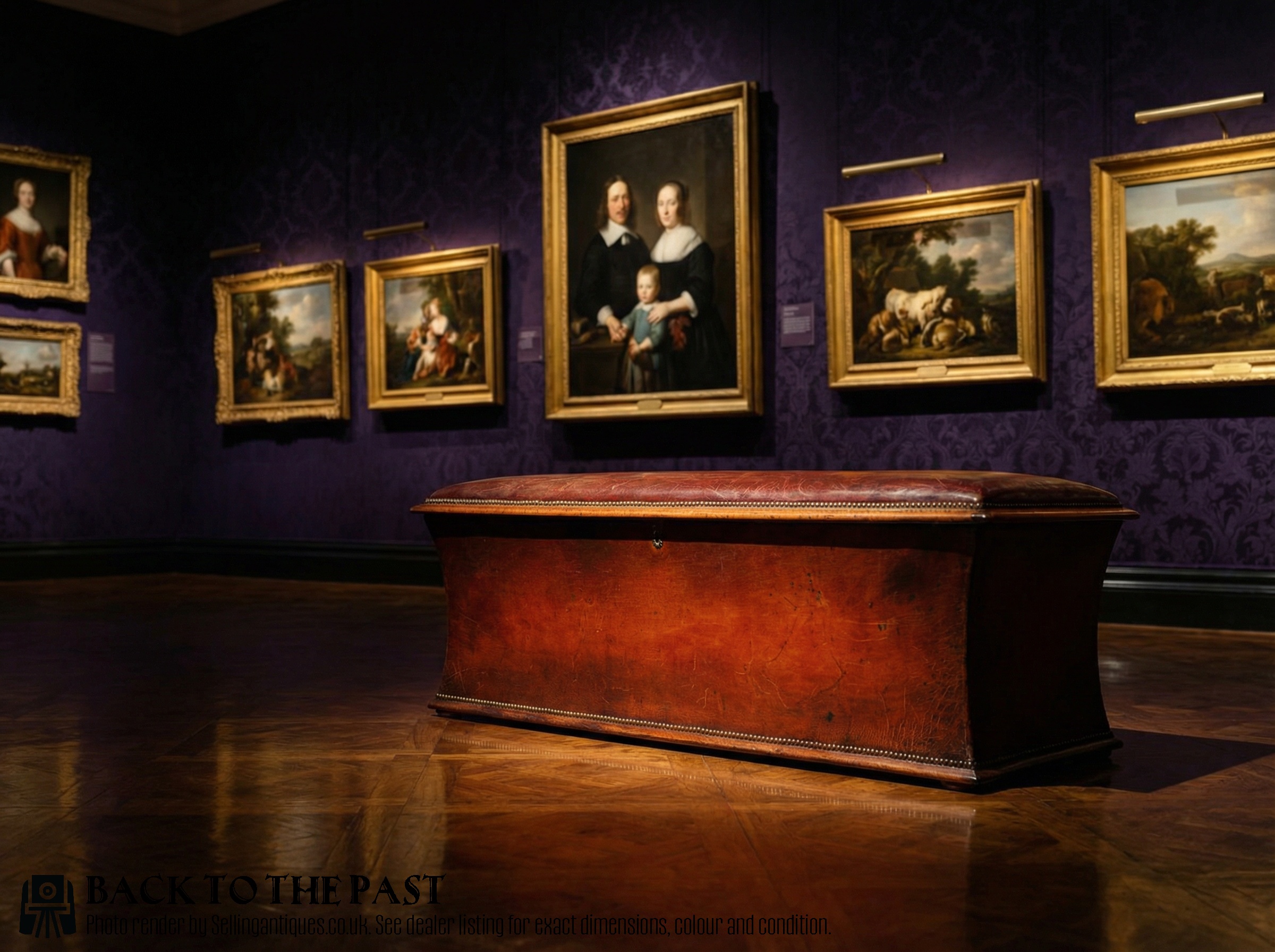
Victorian Storage Footstool
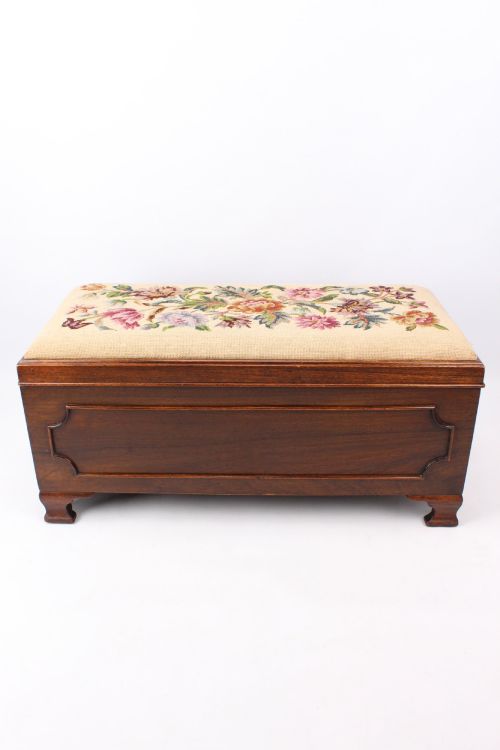
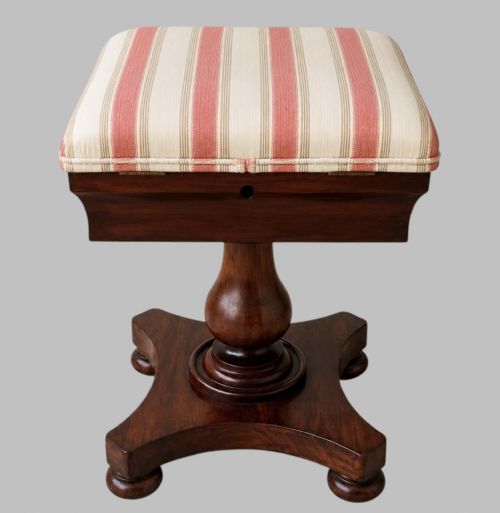
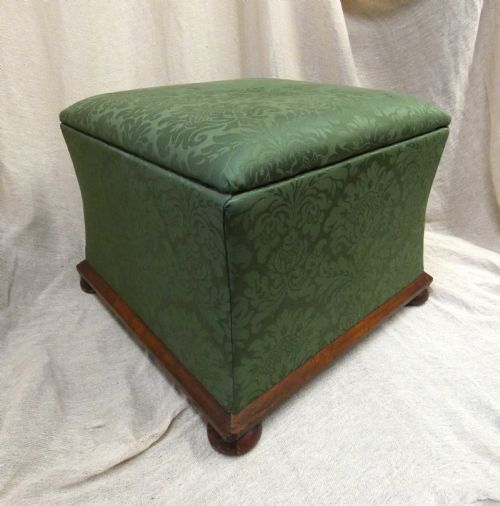
A victorian storage footstool combines the functions of a seat and a concealed container, often taking the form of an ottoman, box stool, or sewing box table. These pieces emerge primarily from the nineteenth century, spanning periods from Regency and William IV through Early and Mid-Victorian years.
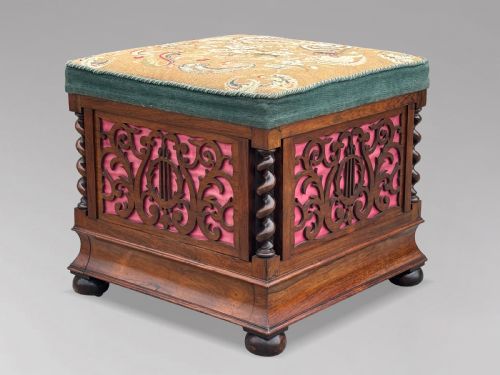
The most common versions on this page are mahogany and rosewood framed ottomans with hinged seats, alongside piano stools and blanket boxes. They range from large country house editions to more compact slipper boxes and dressing stools.
Makers and designers varied widely, from large firms like Hallett and Sons to pieces finished in fabrics such as Liberty material or needlework tops. Their utility spanned the drawing room, music room, and bedroom for keeping sewing supplies, linens, or sheet music out of sight.
What varies in quality
The choice of primary timber sets the structural tone, with finely grained rosewood and figured mahogany sitting at the upper end compared to simpler hardwoods or oak. Timber selection dictates both the visual weight of the piece and its long-term durability.
Surface execution and upholstery detail distinguish standard workshop output from exceptional examples. Original needlework, hand-dyed leather, or custom fabric coverings matched with precise cabinetwork separate modest seating from substantial country house pieces.
Some nineteenth-century makers concealed sheet music inside Canterbury stools so musicians could practice without cluttering the piano bench.
Hallett & Sons
The Victorian Storage Footstool Glossary
- Ottoman
- A padded seat without a back or arms, featuring a hinged top that opens to reveal internal storage space. These items serve as both footrests and practical containers for household textiles.
- Canterbury stool
- A low piece of furniture designed to hold sheet music or books underneath a seated top. They often incorporate slatted wooden divisions within the lower storage section.
- Needlepoint
- A type of canvas work embroidery used historically to cover seat tops in geometric or floral patterns. It provides a durable, textured surface for frequent use.
- Gros-point
- A coarse type of needlepoint stitch worked on canvas, often seen on nineteenth-century footstool upholstery. This technique creates a sturdy and resilient decorative panel.
- Slipper box
- A specialised low storage box or stool historically positioned near a fireplace or dressing area for footwear. They typically feature a slanted or hinged lid for easy access.
Victorian Storage Footstool: Frequently Asked Questions
What is a Victorian storage footstool?
A Victorian storage footstool is a dual-purpose seating item featuring a hollow interior accessed via a hinged lid. These pieces combine decorative timber frames with upholstered tops.
They were designed to provide comfortable foot support while keeping items like needlework, blankets, or music sheets neatly concealed inside.
How were these stools used historically?
In nineteenth-century homes, these items served multiple roles in drawing rooms, bedrooms, and music rooms. They offered a place to rest feet while seated or served as makeshift dressing stools.
The internal compartment kept domestic clutter out of sight, functioning as a sewing box, blanket chest, or music cabinet.
Where should I place an ottoman stool?
These versatile pieces fit well in living rooms as central coffee table alternatives or footrests beside armchairs. Their low profile ensures they do not obstruct sightlines in a room.
In bedrooms, they work well at the foot of a bed or near a dressing table, providing convenient storage for spare linens and pillows.