

Victorian Still Life Painting
When you search for a victorian still life painting, you enter a world of carefully arranged fruit, game, and flowers rendered with nineteenth-century observation.
Victorian Still Life Painting
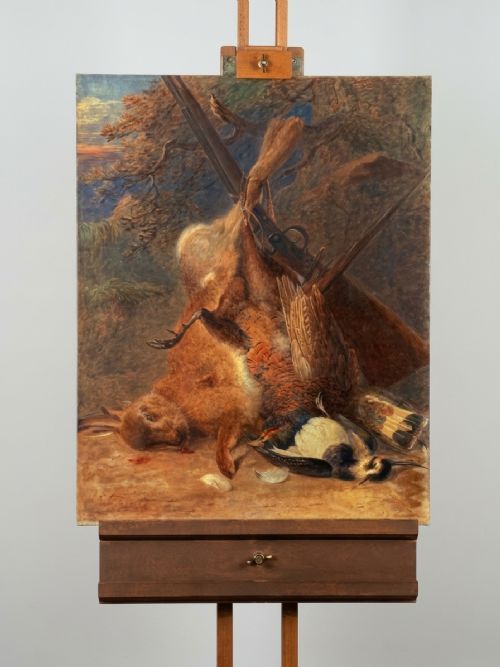
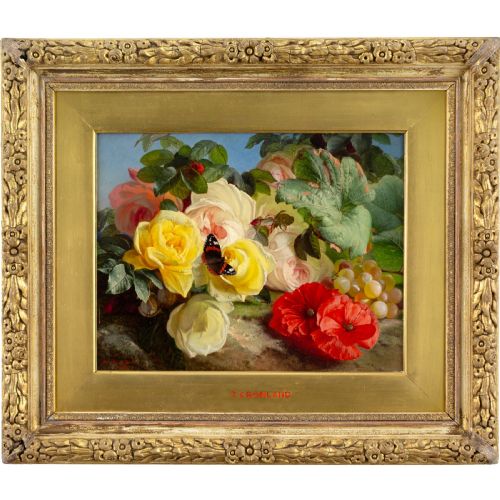
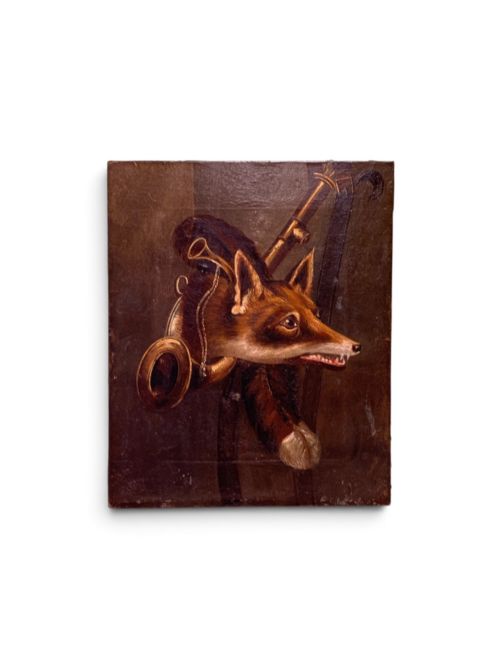
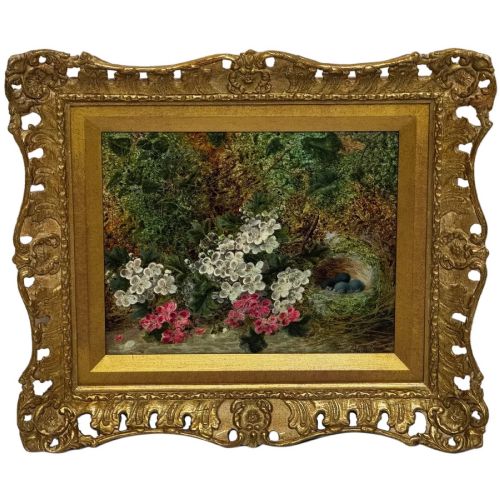
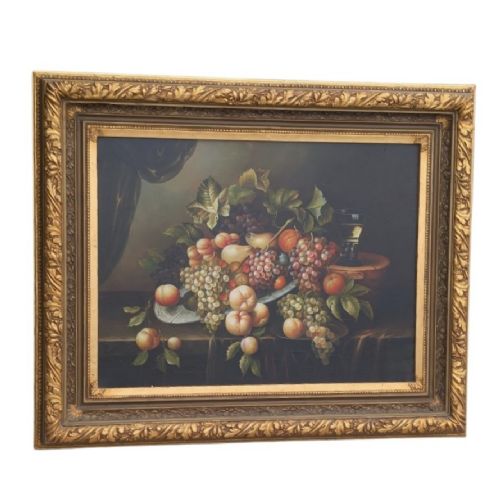
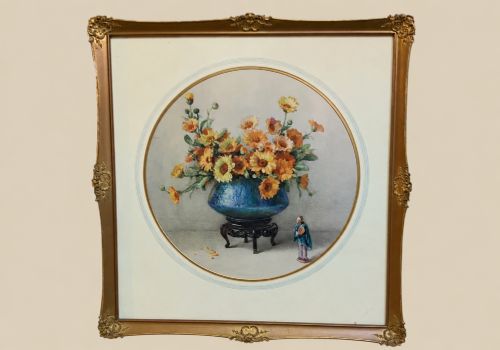
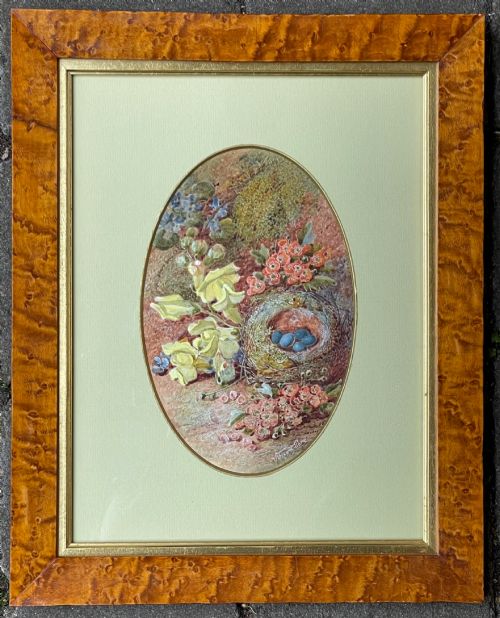
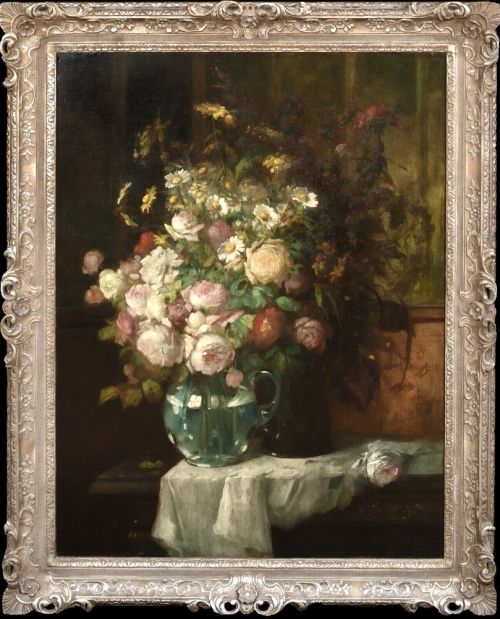
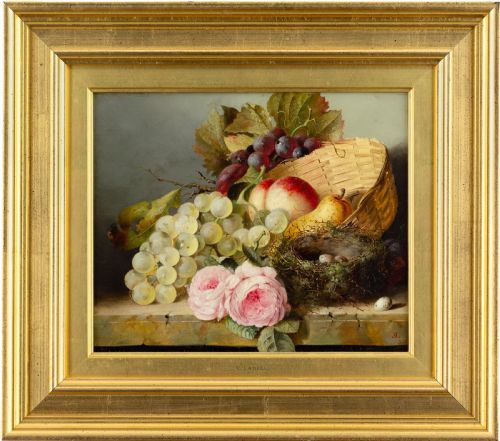
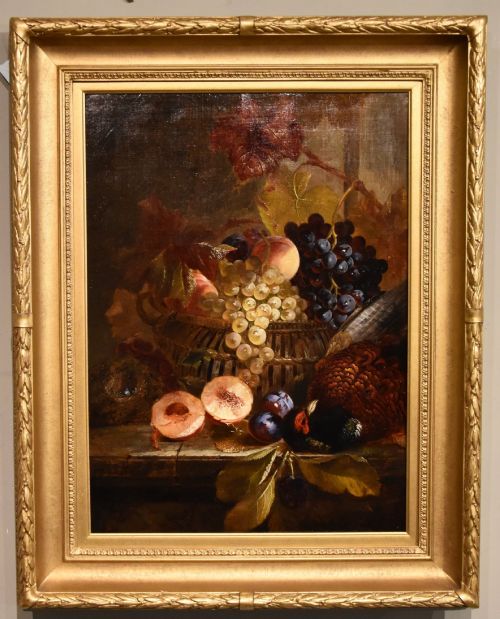
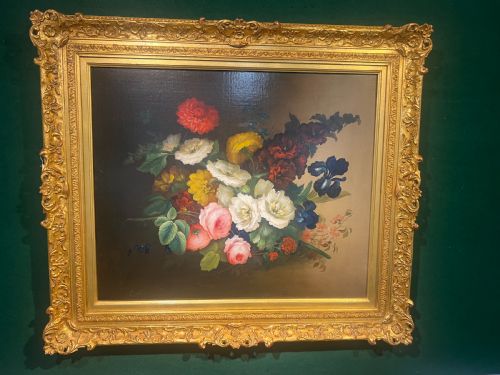
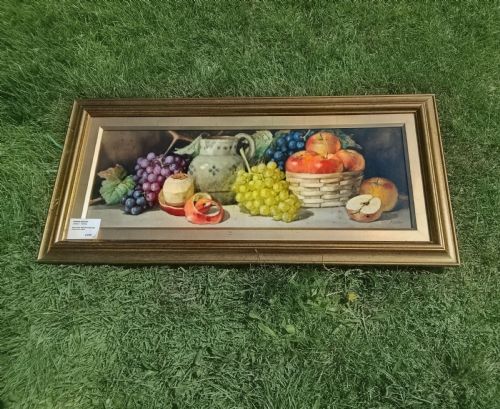
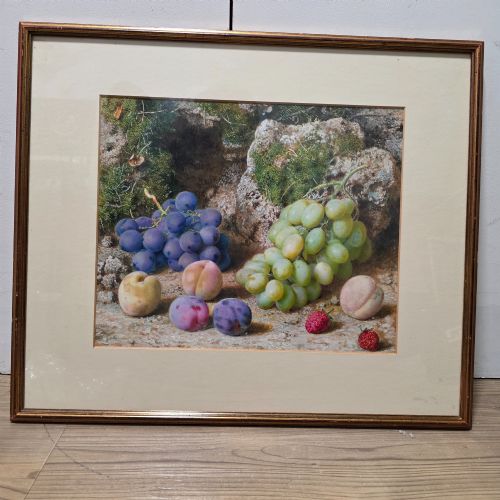
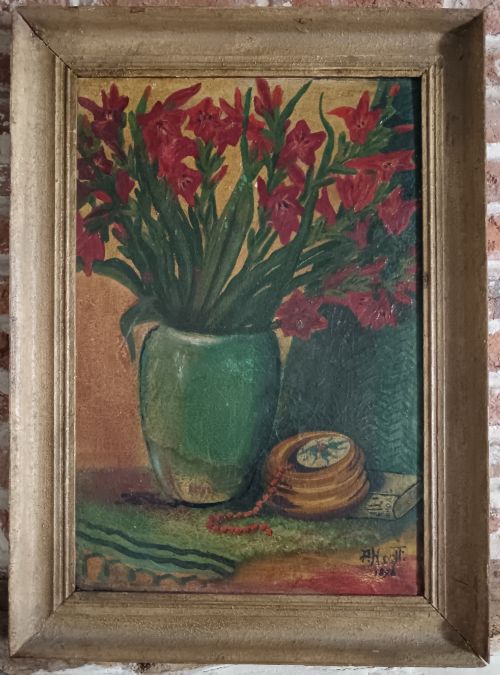
A victorian still life painting captures domestic and natural subjects, ranging from baskets of fruit and nests of eggs to elaborate floral arrangements and game.
The works on this page appear primarily in oil on canvas, wood panel, or as watercolours on paper, often housed within period giltwood frames.
Subjects span botanical studies and larder views, reflecting the nineteenth-century fascination with realism, naturalism, and classical composition.
How They Were Made
Artists applied oil paint or watercolour to stretched canvas, prepared wood panels, or heavy paper, utilising fine brushes to achieve botanical accuracy and varied textures.
Canvases and panels were frequently set into solid wood or gilt leaf frames, which provided structural support and complementary visual weight to the composition.
Victorian Still Life Painting Retail Price Guide 2026
Typical asking prices for victorian still life painting among the pieces listed under this phrase on Sellingantiques today, from the lower quarter to the upper quarter. They describe what is for sale here now, not the wider market.
Materials span oil on canvas, wood, paper, giltwood, gold leaf, and watercolour across the nineteenth and early twentieth centuries.
What Varies In Quality
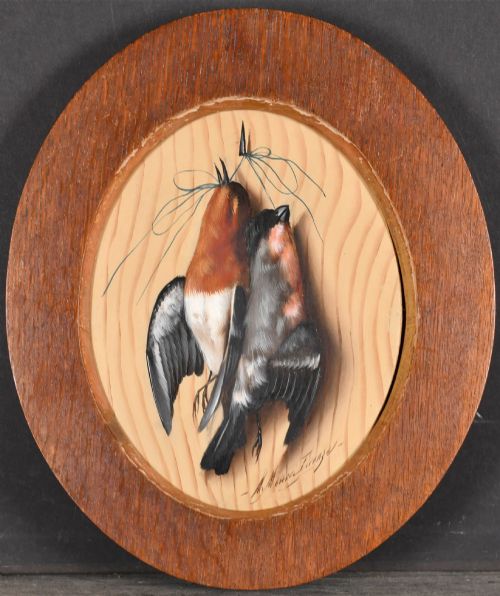
The success of a piece depends on the artist's command of light, shadow, and texture, particularly in rendering the dewdrops on petals or the plumage of a bird.
Compositional balance and precision in draughtsmanship separate academic or established hands from more formulaic student or follower pieces.
Theude Gronland·Oliver Clare·Edward Ladell·Michelangelo Meucci·William Henry Ward·Edwin Steele·Arthur Dudley·John Sherrin·Benjamin Blake·Gertrude Hayes·Evelyn Chester·Henrietta Creswell·Konstantin Stoitzner·George Lance·William Duffield·Lester Sutcliffe·Vincent Clare·William Hough·Eloise Harriet Stannard·Edith Barrow·Sir George Reid·Thomas Hooper·Marian Chase·Charles Howson Bennett·James T Clapham
The Victorian Still Life Painting Glossary
- Giltwood
- Wood carved and coated with gold leaf or metallic paint. This finish creates a bright border that enhances the depth of the painting within.
- Watercolour
- A paint consisting of pigment suspended in a water-soluble binder, applied to paper. It yields translucent washes often heightened with bodycolour.
- Trompe l'oeil
- An art technique involving extremely realistic imagery to create the optical illusion that the depicted objects exist in three dimensions.
- Bodycolour
- Watercolour mixed with a white pigment to make it opaque. This medium allows artists to build solid highlights and dense areas of colour.
- Provenance
- The chronology of the ownership or location of a historical object. It helps confirm the authenticity and history of a piece.
Victorian Still Life Painting: Frequently Asked Questions
What subjects feature in these paintings?
The compositions commonly depict harvested fruit, bird's nests with eggs, game birds, and detailed floral arrangements.
Secondary elements such as Chinese vases, wine glasses, and wicker baskets frequently accompany the central flora and fauna.
Are these works painted on canvas?
Artists utilised multiple supports, most notably oil on canvas, wood panels, and paper.
Watercolour paintings were typically executed on paper and occasionally mounted under glass within original frames.
How should I display them at home?
These artworks pair well with traditional interiors, often hung in dining rooms, studies, or libraries to echo their larder and botanical origins.
Keep them away from direct sunlight and excessive moisture to protect the canvas, paper, and gilt frames.
How do I identify the period?
Clues include the framing style, canvas stamps, artist signatures, and the clothing or objects depicted within the scene.
Nineteenth-century realism and naturalism heavily influenced the brushwork, colour palettes, and subject matter of this era.