


Victorian Still Life Artwork
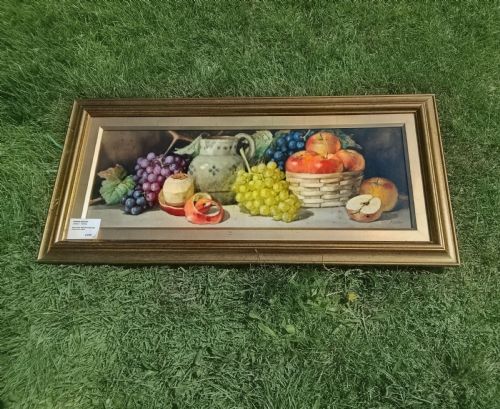
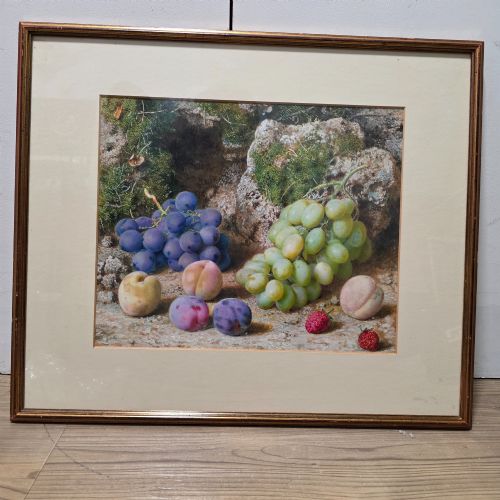
When you search for victorian still life artwork, you are looking at meticulous oil paintings and detailed watercolours capturing flora, fauna, and gathered objects.
Victorian Still Life Artwork
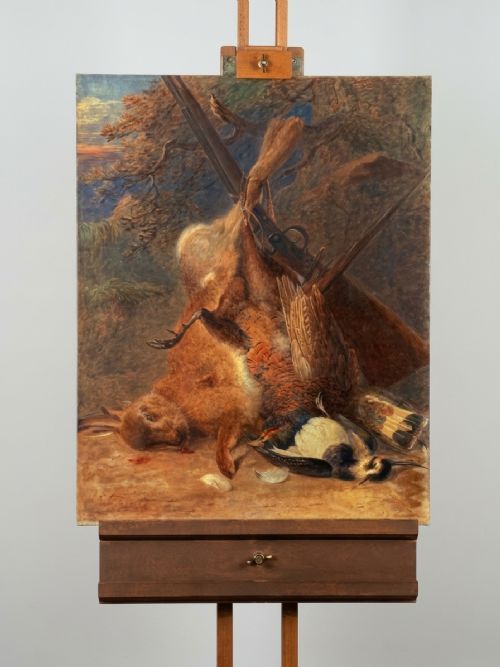
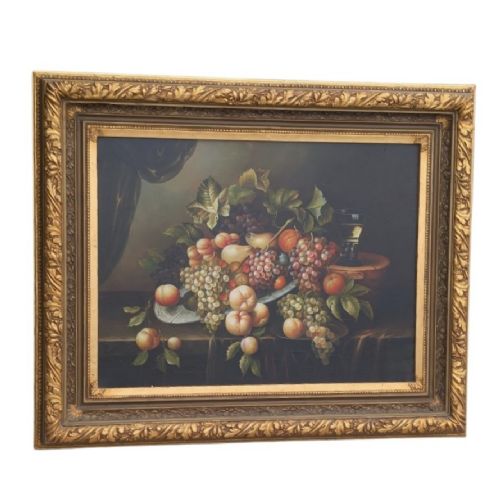
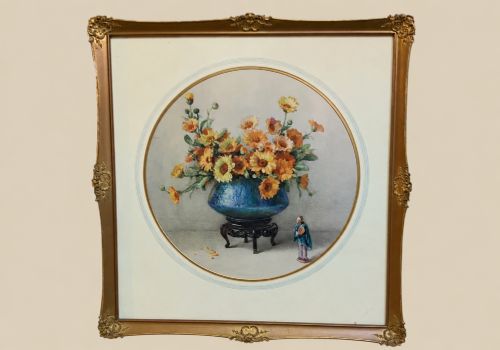
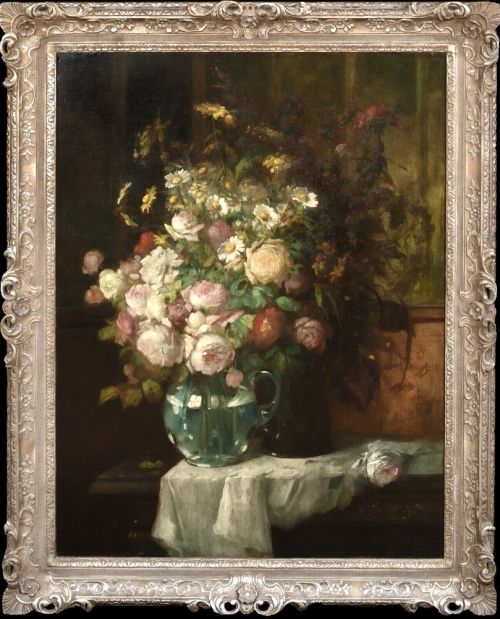
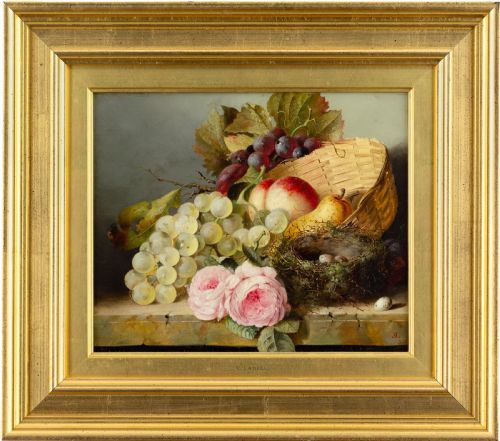
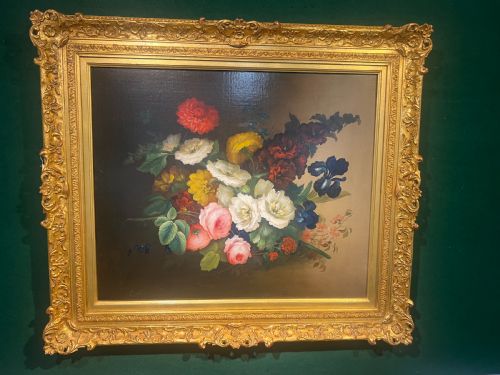
Victorian still life artwork captures the nineteenth-century fascination with the natural world, recording flora, fauna, and domestic arrangements with careful observation. The pieces available here span from detailed botanical watercolours to rich oil paintings on canvas, wood panel, and board.
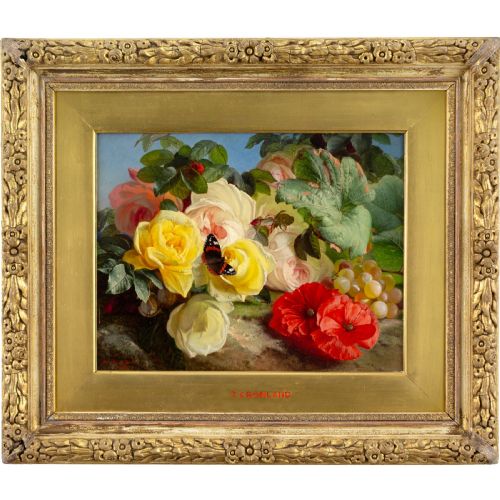
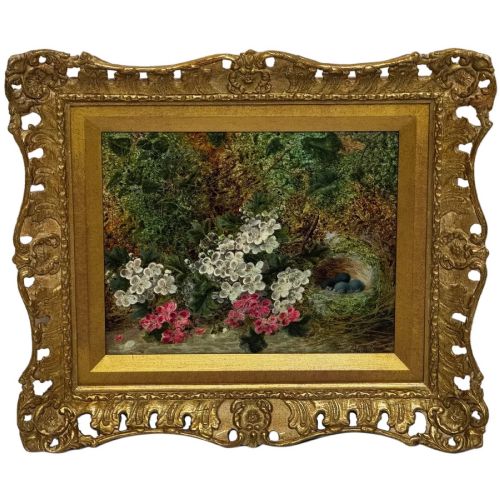
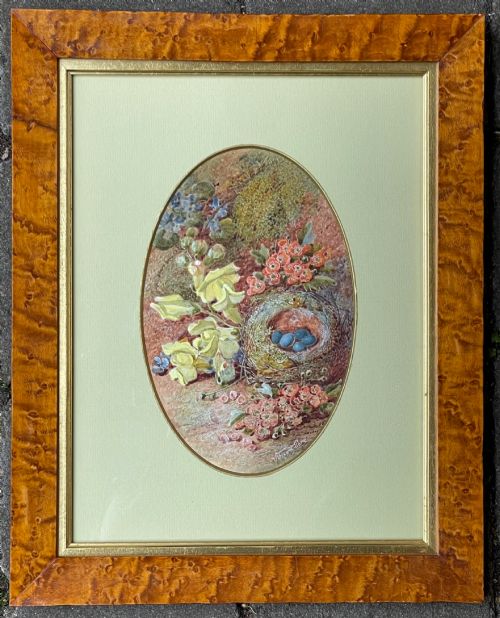
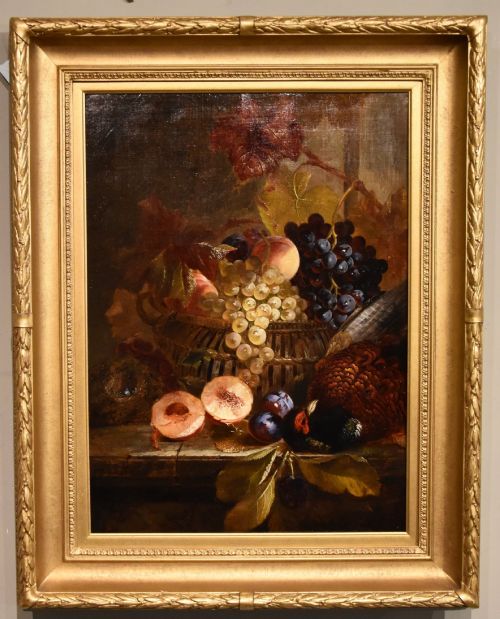
You will most commonly encounter studies of fruit, birds' nests, and floral arrangements by noted regional painters alongside accomplished works from South Kensington art school students. The forms range from intimate tabletop arrangements to large exhibition-scale watercolours housed in period giltwood frames.
How they were made
Artists relied primarily on oil paint applied to canvas, wood, or board, building up rich surfaces through layered glazes, or utilised bodycolour and watercolour on paper. Many works incorporate detailed pencil underdrawings, capturing textures from soft flower petals to woven wicker baskets.
The finished pieces were traditionally housed in heavy giltwood and gold leaf frames that provided depth and contrast to the dark, moody backgrounds favoured during the nineteenth century.
The listings feature works spanning the nineteenth and early twentieth centuries, utilising oil on canvas, wood panel, paper, and giltwood frames.
What varies in quality
The upper tier of works displays exceptional command of light, texture, and botanical accuracy, where the brushwork handles the delicate translucency of grapes or the intricate feathers of a bird's nest with absolute precision. Weaker examples often rely on stiffer compositions and repetitive arrangements that lack the vitality seen in master studies.
Material support also separates the grades, with robust oil on canvas and fine bodycolour enduring far better than unstable grounds, while original period frames contribute significantly to the integrity of the piece.
George Sydney Shepherd·Theude Grönland·Oliver Clare·Vincent Clare·Konstantin Stoitzner·Edward Ladell·Michelangelo Meucci·Edwin Steele·Arthur Dudley·John Sherrin·Benjamin Blake·Gertrude Hayes·Evelyn Chester·Henrietta Creswell·George Lance·William Duffield·Lester Sutcliffe·William Hough·Eloise Harriet Stannard·Edith Barrow·Grace Hastie·Thomas Hooper·Marian Chase·Jabez Bligh
The Victorian Still Life Artwork Glossary
- Bodycolour
- Watercolour mixed with white pigment to render it opaque, allowing artists to build solid highlights and dense areas of colour.
- Grisaille
- A painting executed entirely in shades of grey or neutral monochromatic tones, often utilised for preparatory studies or to imitate sculpture.
- Trompe l'oeil
- An artistic technique that uses realistic imagery to create the optical illusion that the depicted objects exist in three dimensions.
- Giltwood
- Wood that has been treated with gold leaf or gilt, forming the ornate period frames characteristic of nineteenth-century display.
Victorian Still Life Artwork: Frequently Asked Questions
What subjects feature in these artworks?
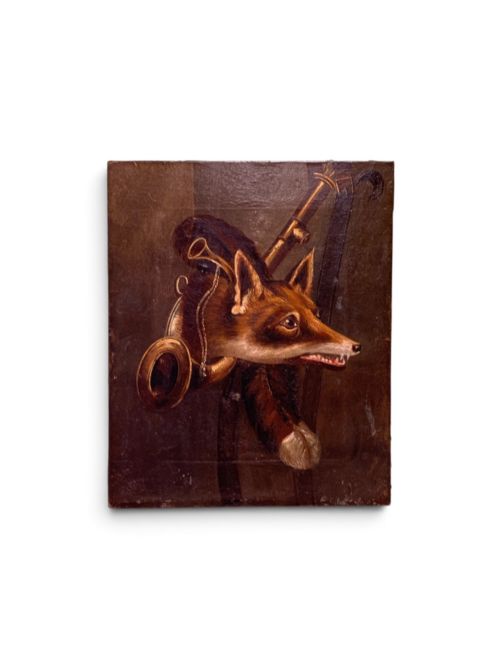
The compositions focus heavily on arrangements of fruit, blossoming flowers, baskets, and bird's nests, alongside game, fish, and occasional Chinese objects or domestic animals.
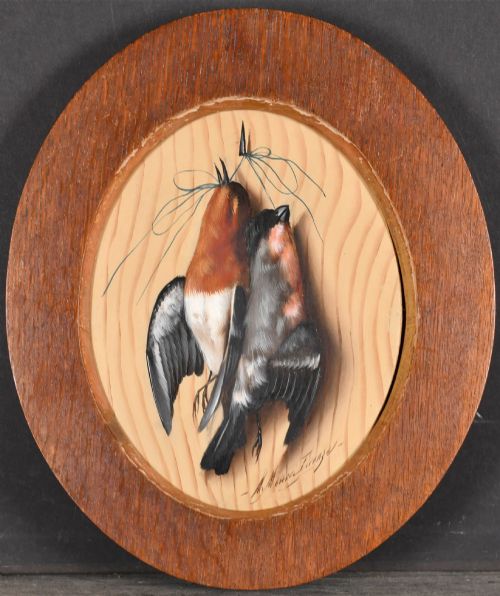
Many pieces also explore trompe l'oeil illusions or detailed botanical studies executed during the height of nineteenth-century naturalism.
How were these paintings displayed originally?
Works from this period were framed in heavy giltwood or solid wood mouldings designed to complement the rich tones of the oil or watercolour within.
They hung in parlours, dining rooms, and institutional settings to showcase the owner's appreciation for natural history and academic skill.
Are watercolours as durable as oils?
Watercolours and bodycolour on paper require careful protection from direct sunlight to prevent fading of sensitive pigments like rose and yellow.
Oil paintings on canvas or wood panel offer greater resilience, provided the environment maintains stable humidity and temperature.
How do I identify a student piece?
Institutional training pieces often emerge from establishments such as the South Kensington art school, marked by rigorous academic composition and careful observation.
These works frequently demonstrate traditional techniques and structured tonal studies without bearing the signature of a major commercial master.