



Victorian Sterling Trinket Dish
These victorian sterling trinket dish examples are tactile pieces of domestic silver made to hold small personal treasures.
Victorian Sterling Trinket Dish
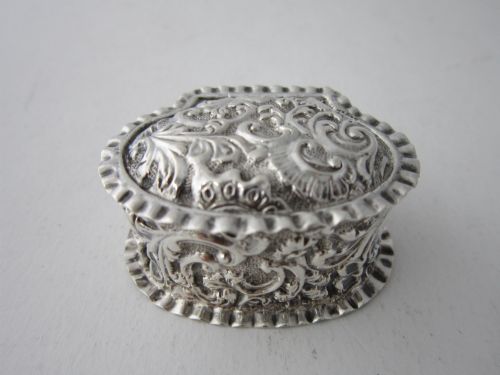
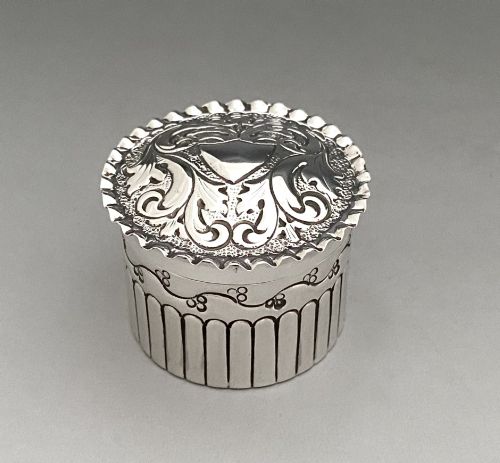
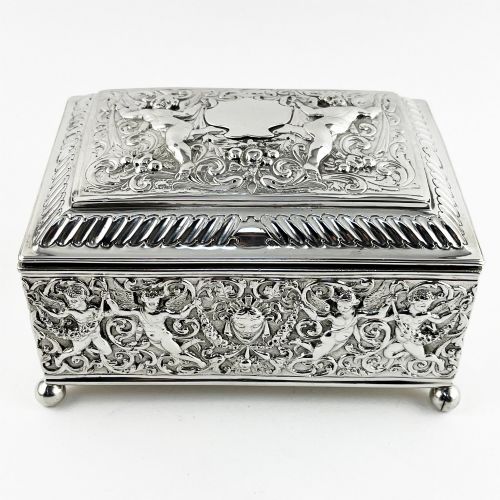
A victorian sterling trinket dish represents the practical side of late nineteenth century silver manufacturing, designed for dressing tables and boudoirs to contain rings, pins, and small valuables. Most pieces found here belong firmly to the Victorian period, though adjacent Edwardian items and nineteenth century variations also appear.
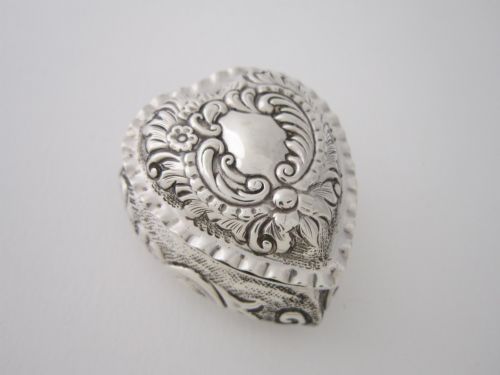
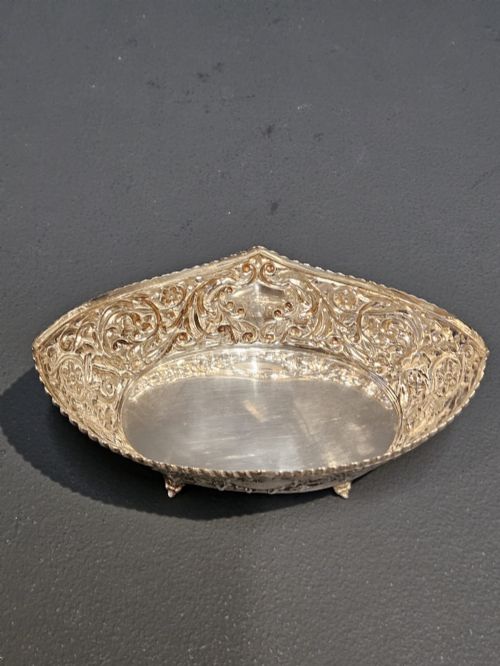
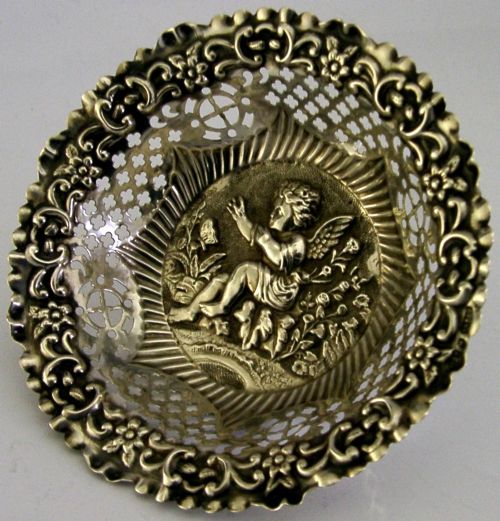
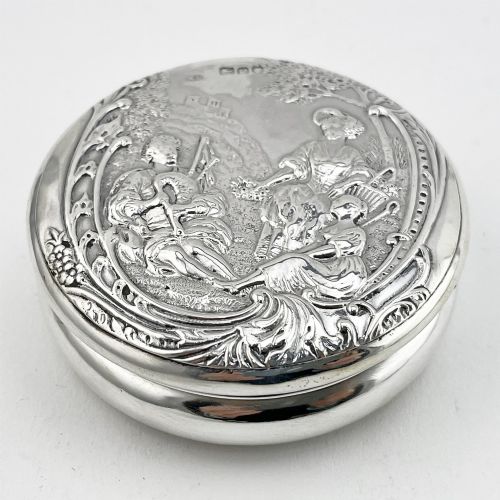
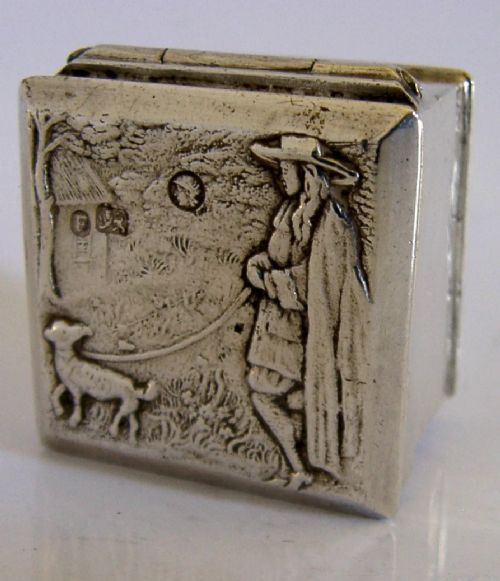
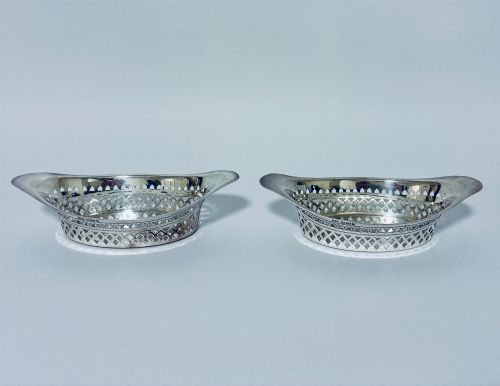
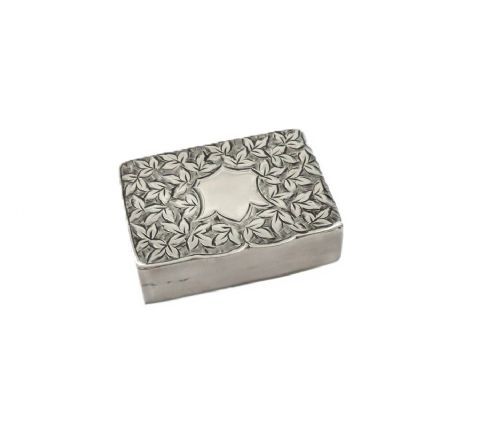
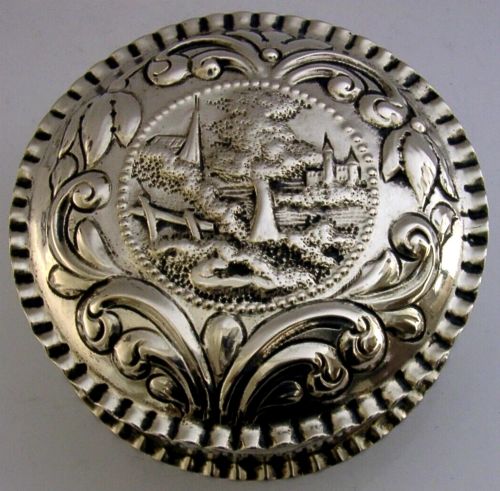
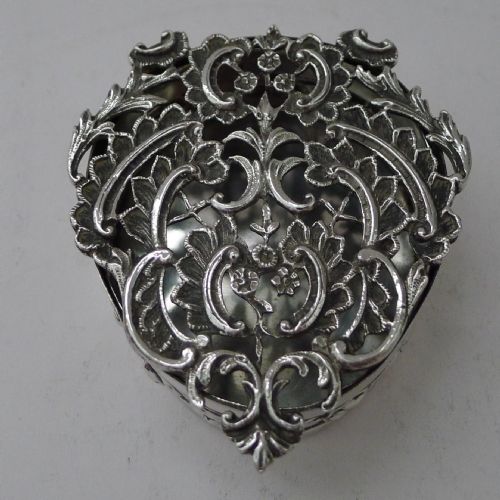
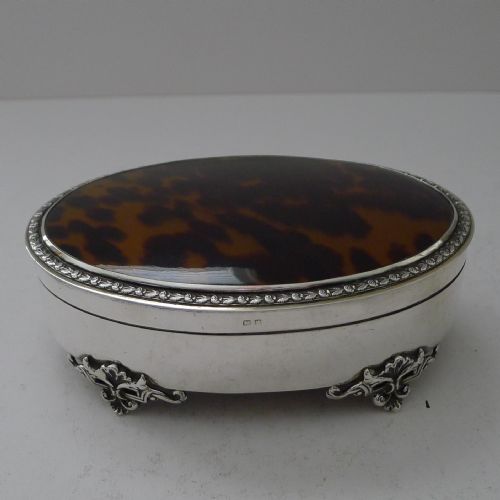
The physical forms vary considerably between open dishes, shallow bowls, and lidded boxes lined with velvet or gilt. Makers produced these items in standard circular or heart shapes, alongside more elaborate novelty designs like Dutch Revival pieces and castle top table boxes.
How they were made
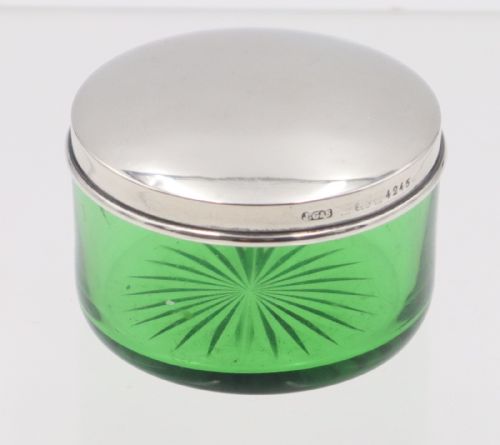
Silversmiths primarily utilised sterling silver, shaping the metal through casting, hammering, and detailed repoussé work to create raised decorative motifs. Many items incorporate contrasting materials such as glass, tortoiseshell, and internal gilding.
Makers integrated fitted velvet linings into boxes and secured delicate hinged lids designed to protect delicate jewellery. Assay office marks stamped onto the sterling silver record the city of origin and the exact year of production.
Victorian Sterling Trinket Dish Retail Price Guide 2026
Typical asking prices for victorian sterling trinket dish among the pieces listed under this phrase on Sellingantiques today, from the lower quarter to the upper quarter. They describe what is for sale here now, not the wider market.
Listings feature sterling silver combined with tortoiseshell, glass, velvet, and gilt linings across Victorian and Edwardian periods.
What varies in quality
Quality rests primarily on the depth and crispness of the chased or cast decoration, where sharper relief indicates superior workmanship by skilled silversmiths. Plain surfaces depend entirely on smooth finishing and substantial gauge silver rather than surface distraction.
The integration of secondary materials like tortoiseshell or fitted glass elevates a piece beyond standard utilitarian production. Maker attribution also influences standing, with documented firms commanding greater attention.
William Comyns·A & J Zimmerman Ltd·James Hennell
The Victorian Sterling Trinket Dish Glossary
- Sterling silver
- An alloy consisting of ninety-two point five percent silver by mass, with the remainder being other metals usually copper. This standard composition ensured durability for items handled daily.
- Repoussé
- A metalworking technique where the smith hammers the silver from the reverse side to form raised designs in relief. This method creates the tactile floral and figural scenes seen on many dishes.
- Gilt lining
- A thin layer of gold applied to the interior surface of a silver vessel using mercury gilding or electroplating. This process protected the silver from tarnishing when exposed to acidic cosmetics or food.
- Castle top
- A style of silver box featuring a detailed architectural view chased or cast onto the lid, usually depicting a famous British landmark. These pictorial lids represent a distinct collecting subcategory.
- Bonbon dish
- A small open vessel originally intended to hold sugar-coated confectionery or sweetmeats during formal entertaining. Their decorative pierced or solid bowls doubled as table ornaments.
Victorian Sterling Trinket Dish: Frequently Asked Questions
How were these silver dishes used?
Victorian households placed these small silver vessels on dressing tables and mantelpieces to contain rings, brooches, and loose pins at the end of the day. Deeper boxes served to protect fragile items from dust and handling.
Open bonbon dishes saw service during tea or dinner to hold small sweets, functioning as decorative tableware as much as practical containers.
How do I clean silver safely?
Remove dust with a soft brush and wash the silver gently in warm water using a mild soap, ensuring any velvet or glass inserts remain dry. Dry thoroughly with a lint-free cotton cloth.
Avoid abrasive commercial dips that strip away the natural dark patina accumulated in the recessed details over decades of existence.
How can I tell the date?
British silver from this era carries a series of small stamped hallmarks indicating the assay office, the standard mark, and a specific date letter. Consulting standard punch tables decodes these marks to the exact year of manufacture.
Stylistic clues like Edwardian restraint or Victorian floral abundance also help narrow down the period when hallmarks are rubbed.
Can I use them for daily storage?
Solid silver and glass vessels withstand regular handling well and accommodate modern rings, cufflinks, and small trinkets securely. Lined boxes provide soft resting places for delicate gemstones.
Care should be taken with antique hinges and delicate chased rims to prevent unnecessary wear on vulnerable joints.