
Victorian Sterling Case
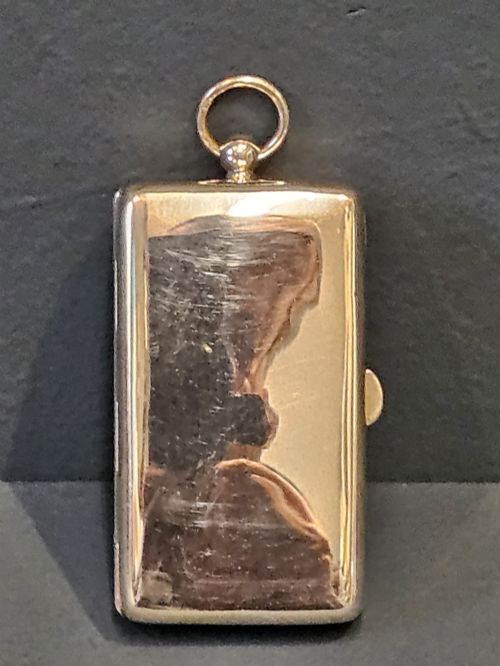
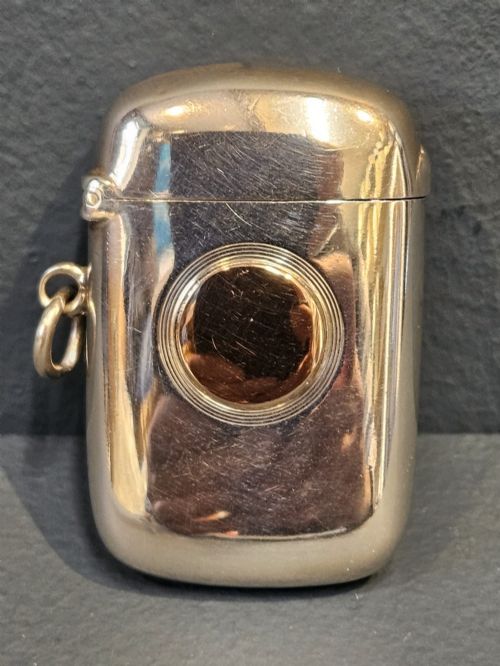
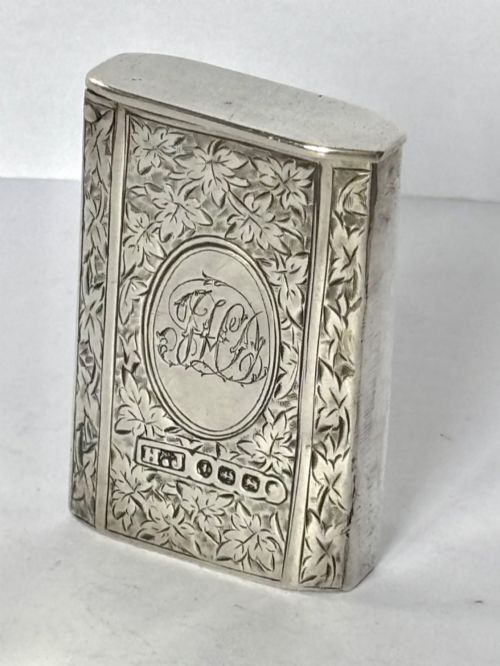
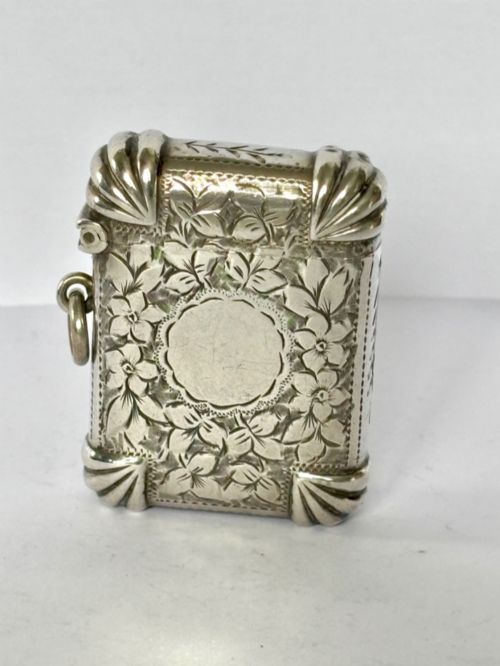
Victorian sterling case items encompass card holders, vesta boxes, cigar containers, and presentation sets housed in fitted boxes.
Victorian Sterling Case
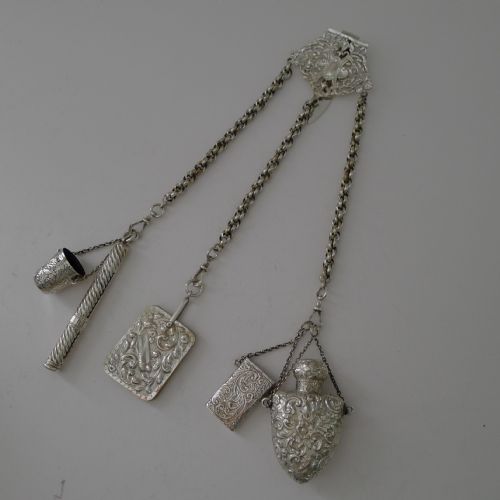
A Victorian sterling case represents personal silver items produced during the nineteenth century, encompassing small utilitarian objects and matched sets. These pieces range from engraved card cases and pocket vesta matches to cigar containers and christening sets.
The selection includes specific regional items such as Scottish snuff boxes and castle top card cases depicting architectural landmarks like Windsor Castle or the Houses of Parliament.
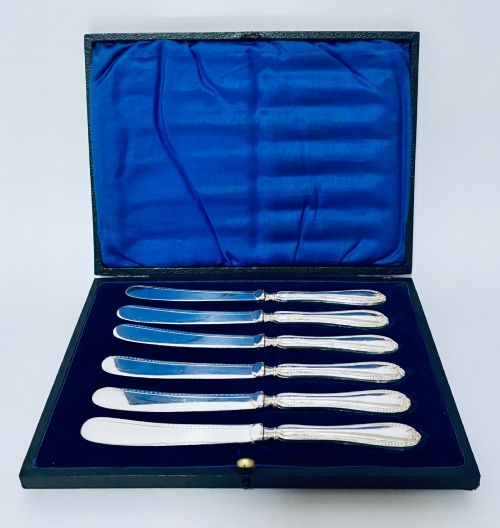
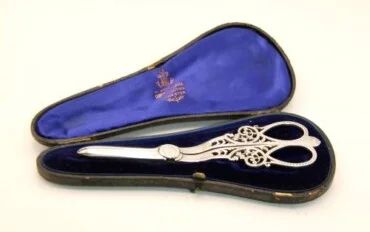
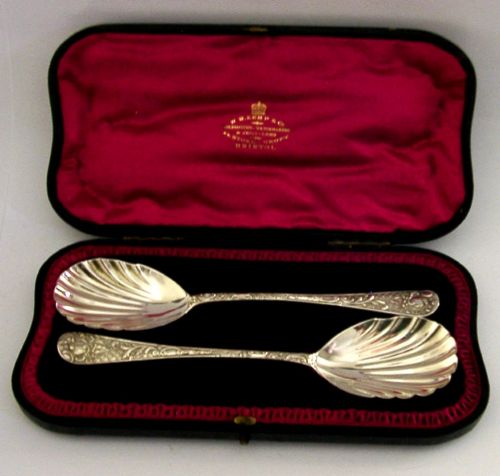
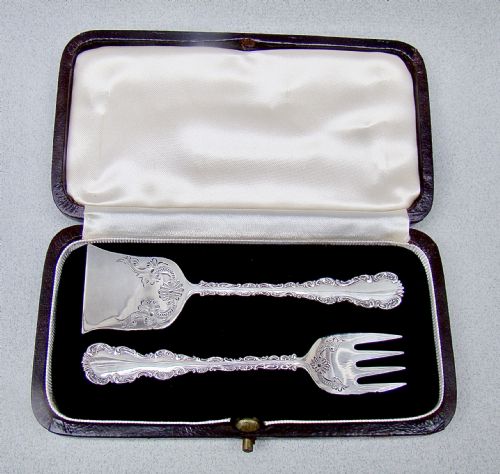
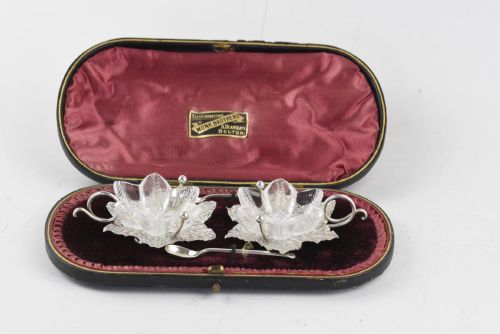
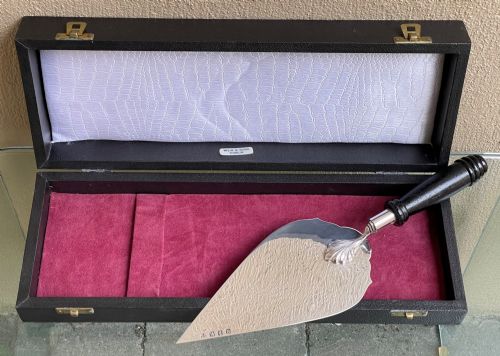
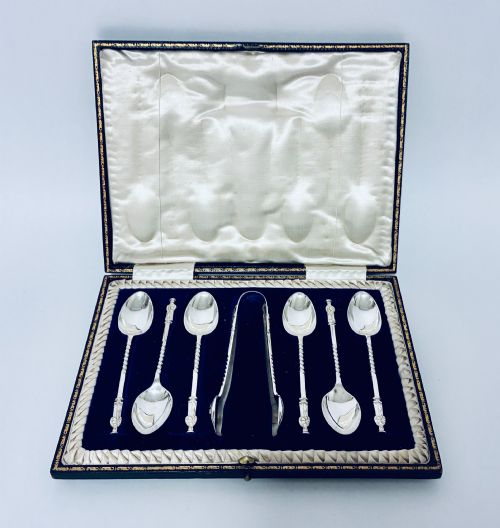
Many examples are preserved in original fitted presentation boxes lined with velvet, silk, or satin, often containing matching spoons, forks, or napkin rings.
How They Were Made
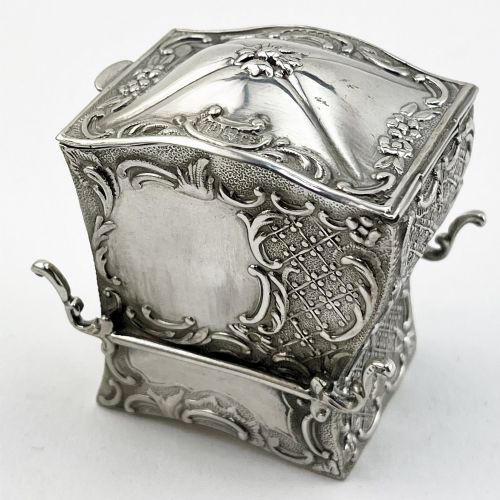
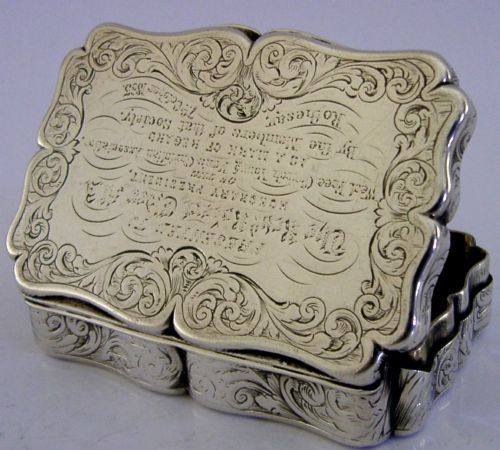
Silversmiths utilised solid sterling silver, shaping bodies through pressing, casting, and hand-engraving with intricate floral, scroll, or pictorial motifs. Architectural castle top designs required detailed relief stamping to depict complex scenes.
Fitted interiors incorporate protective linings of velvet, satin, silk, and leatherette, while functional cases sometimes integrate secondary materials like glass liners, tortoiseshell, mother of pearl, or opaline glass.
What Varies in Quality
The standard of a sterling silver case depends on the crispness of the hand-engraving and the complexity of the form, such as specialised combination pieces for matches and sovereigns or architectural castle top reliefs. Maker attributions to prominent silversmiths also influence the piece.
The condition and completeness of the original fitted presentation box, along with internal linings of silk, satin, or velvet, affect the overall integrity of the cased set.
Henry Wilkinson·Howard James·EV Pledge and Son·Horton and Allday·FA Barrett·Sampson Mordan and Co·Nathaniel Mills·George Unite·William Neale·Yapp and Woodward·Alfred Taylor·Elizabeth Eaton
The Victorian Sterling Case Glossary
- Vesta case
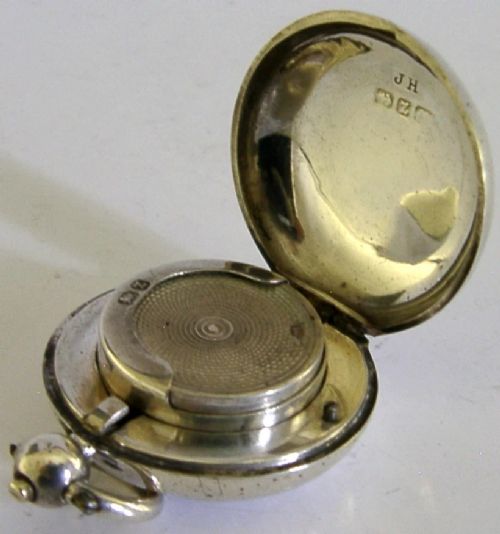
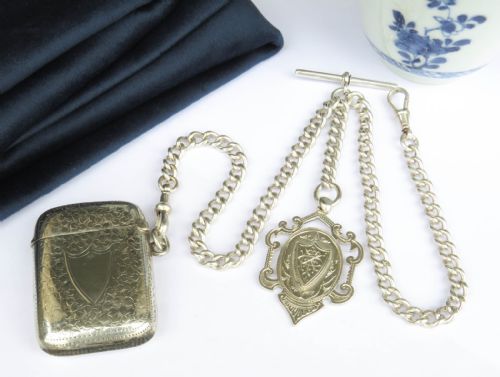
- A small portable box designed to hold matches, often fitted with a striking strip on the base. These match safes were widely carried in pockets during the Victorian period.
- Castle top
- A decorative style featuring a raised, detailed depiction of a famous building or landmark on the cover. These architectural scenes are characteristic of mid-nineteenth-century card cases.
- Sterling silver
- An alloy consisting of ninety-two point five percent silver and seven point five percent other metals, typically copper. This standard composition was marked with official hallmarks indicating the assay office and year.
- Aide memoire
- A small notebook or memorandum case equipped with internal leaves or ivory writing tablets. These desk or pocket accessories frequently incorporate card compartments.
- Hallmark
- An official stamp impressed into precious metals to guarantee the purity standard. Marks typically identify the maker, assay town, and date of manufacture.
Victorian Sterling Case: Frequently Asked Questions
What is a vesta case used for?
A vesta case served as a portable container for dry safety matches, protecting them from moisture and accidental friction in pockets or bags.
They became essential personal accessories during the nineteenth century with the widespread adoption of friction matches.
How do I identify a castle top card case?
Castle top pieces feature a distinct, high-relief stamped architectural scene on the hinged lid, depicting landmarks like the Houses of Parliament or Crystal Palace.
Surrounding areas are typically decorated with engraved floral scrolls or basketweave patterns typical of mid-Victorian design.
What are fitted presentation cases lined with?
Original presentation boxes are typically lined with soft textiles such as silk, satin, or velvet to cushion the silver contents safely.
These fitted interiors are often constructed from leatherette or wood and tailored to the exact contours of the spoons, napkin rings, or card cases inside.
How do I read silver hallmarks?
Hallmarks consist of a series of stamped symbols that indicate the purity standard, the specific assay office where the item was tested, and the active year of production.
Additional maker's marks identify the individual silversmith or manufacturing firm responsible for crafting the object.