






Victorian Stationery Stand
A Victorian stationery stand keeps your letters and desk clutter in order, bringing period charm and practical organisation to a writing table.
Victorian Stationery Stand
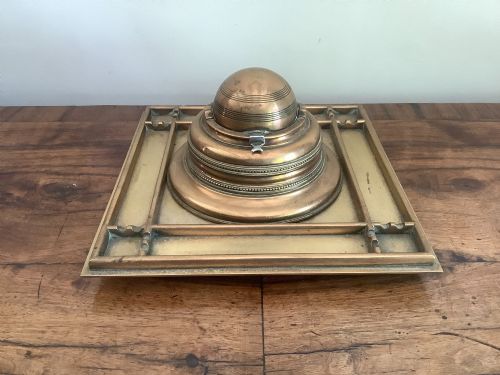
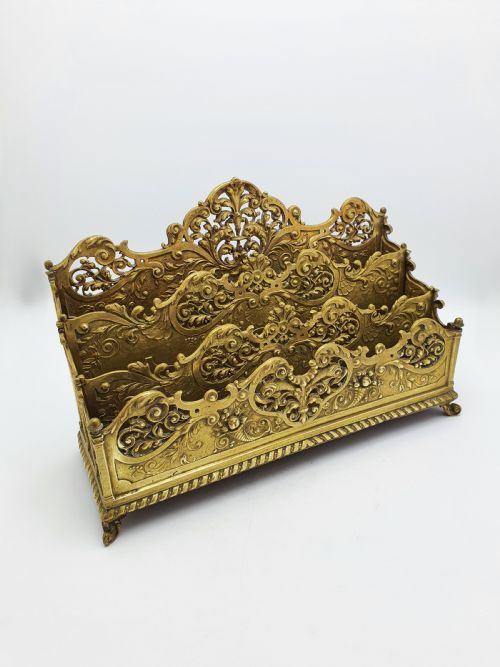
A victorian stationery stand serves to organise letters, envelopes and correspondence neatly upon a writing surface. These pieces range from simple desk tidies to elaborate sets featuring integrated inkwells and drawers.
The selections span the nineteenth century and into the Edwardian period, often incorporating oak, walnut, mahogany and papier-mâché. Buyers frequently encounter brass fittings, glass inkwells and mother-of-pearl inlay among the available designs.
Forms vary from upright letter racks and cascading holders to comprehensive desk stands with multiple compartments. Stylistic influences include Victorian Gothic, Rococo Revival, French Second Empire and Chinoiserie.
Materials and Construction
Cabinetmakers utilised hardwoods such as walnut, mahogany and oak to build the primary structures of these stands. Timber components often feature carved details, decorative inlays and fitted drawers for smaller writing implements.
Metal elements including brass and ormolu provide structural support and decorative mounts, frequently paired with glass inkwells and ceramic inserts. Papier-mâché and lacquer surfaces display painted decoration, Chinoiserie motifs and mother-of-pearl accents.
Victorian Stationery Stand Retail Price Guide 2026
Typical asking prices for victorian stationery stand among the pieces listed under this phrase on Sellingantiques today, from the lower quarter to the upper quarter. They describe what is for sale here now, not the wider market.
Periods represented span from the nineteenth century through the Edwardian era up to the nineteen-thirties.
Assessing Quality
Quality rests in the crispness of the carving, the precision of the joinery and the integrity of the materials. Pieces featuring hand-painted porcelain inserts, ormolu mounts or elaborate mother-of-pearl inlay demonstrate higher levels of craftsmanship.
The integration of multiple functions, such as combining a letter rack with secured inkwells and a concealed drawer, elevates a piece. Superior examples retain their original glass inserts, matching components and uncompromised surface decoration.
The Victorian Stationery Stand Glossary
- Stationery stand
- A desk accessory designed to hold writing paper and envelopes in an upright or tiered position. These items form part of a broader group of nineteenth-century desk furniture.
- Inkstand
- A desk tray holding one or more inkwells, often accompanied by pen troughs and stamp compartments. They frequently share form and materials with letter racks.
- Papier-mâché
- A composite material made from paper pulp or layers of paper bound with glue, pressed and dried. It serves as a smooth base for lacquer, paint and mother-of-pearl inlay.
- Ormolu
- Gilded bronze used for decorative mounts and hardware on nineteenth-century furnishings. It adds ornate metallic detail to the edges and feet of desk sets.
- Chinoiserie
- European decorative style reflecting Chinese artistic traditions. It appears on lacquered papier-mâché desk tidies through characteristic painted motifs.
Victorian Stationery Stand: Frequently Asked Questions
What is a victorian stationery stand used for?
These pieces hold letters, correspondence and writing paper upright on a desk for easy sorting. They often include built-in inkwells and small drawers for stamps and nibs.
Today they function effectively on modern desks or mantelpieces to organise mail, notebooks and cards while adding period character to a room.
How do I identify a period piece?
Examine the materials, construction methods and timber types used in the structure. Pieces from the nineteenth century typically utilise solid hardwoods, heavy brass and hand-finished components.
Stylistic cues such as Victorian Gothic, Rococo Revival or French Second Empire details help narrow down the decade of production.
How do I care for papier-mache stands?
Papier-mâché requires gentle handling and protection from excessive moisture and direct sunlight. Dust the surface lightly with a dry, soft cloth.
Avoid using liquid cleaners or polishes that might damage the delicate lacquer work, painted scenes or inlaid mother-of-pearl.