


Victorian Statement Ring
A victorian statement ring is a bold finger ornament carrying substantial stones or expressive motifs, offering enduring character and distinct period personality.
Victorian Statement Ring
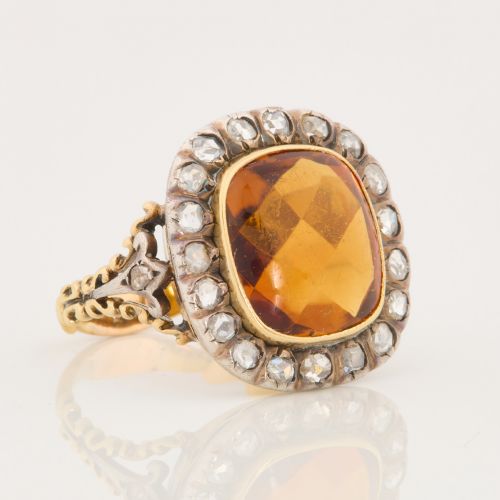
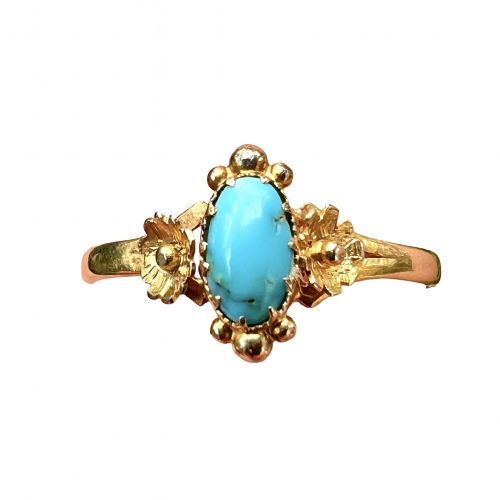
A victorian statement ring captures the nineteenth-century taste for bold hand ornaments, spanning robust cluster formations and singular feature gems. Buyers seeking a victorian statement ring will encounter varied expressions including cluster designs, solitaire configurations, and figurative motifs.
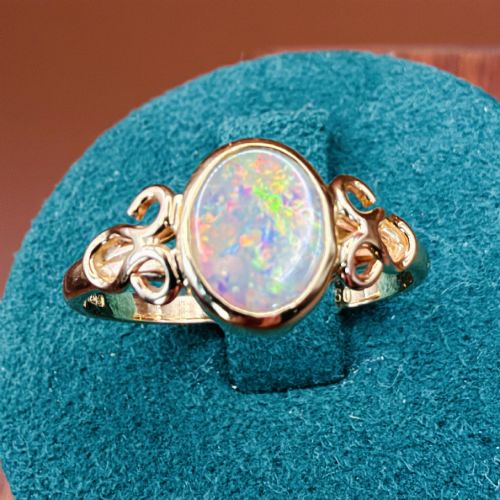
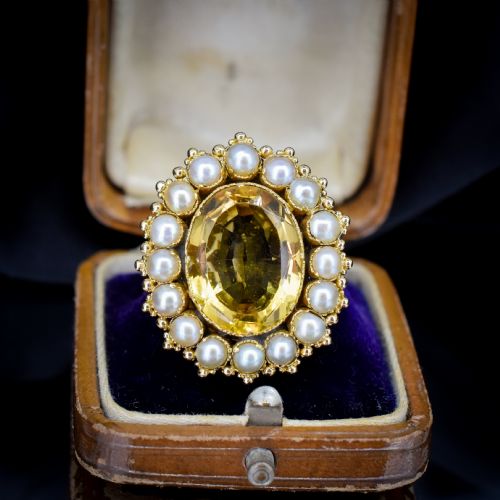
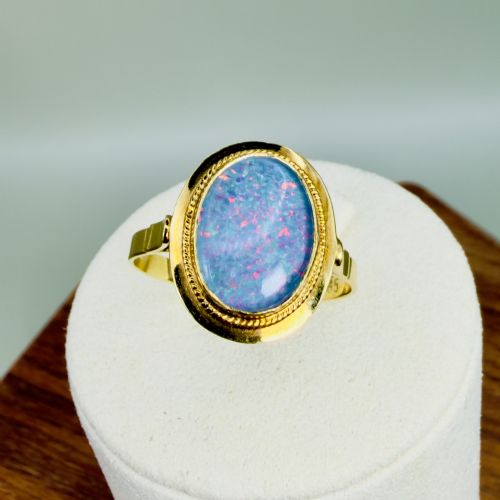
The selections span genuine nineteenth-century pieces alongside related periods from the Edwardian era through to mid-century iterations. Common configurations involve multi-gem clusters, substantial opals, and detailed worked metal settings designed to draw the eye.
Materials and construction
These rings utilise gold across various carats alongside silver, shaping bezels, claws, and structural mounts. Stones such as diamond, amethyst, citrine, opal, and pearl are secured through traditional setting techniques like bezel and halo arrangements.
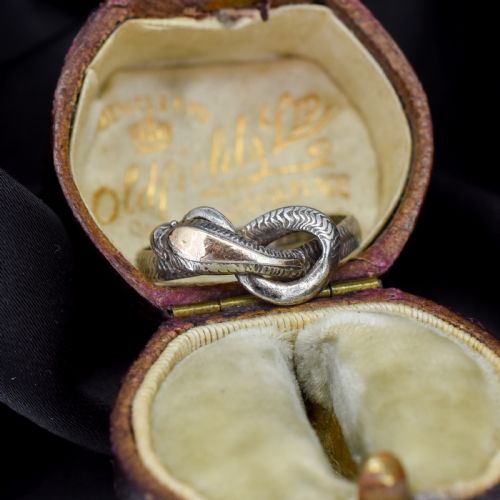
Craftsmanship involves hand-worked detailing, evident in carved coral cameos, engraved serpent motifs, and intricate cluster arrangements combining contrasting gemstones.
Listings feature yellow gold, rose gold, and silver settings housing amethysts, opals, citrines, diamonds, and pearls across nineteenth-century and later periods.
Assessing quality and distinction
Quality rests in the presence of natural, well-matched gemstones and the crispness of hand-carved or chased metalwork. Superior examples display balanced proportions between stone weight and the supporting mount, maintaining integrity in every detail.
The choice of materials - ranging from robust multi-gem combinations to singular high-carat gold settings - shapes the visual impact and longevity of the piece.
The Victorian Statement Ring Glossary
- Cluster ring
- A ring featuring a central stone encircled by a border of smaller gems. This layout maximises visual presence on the hand.
- Bezel set
- A stone setting method where a thin collar of metal surrounds the gemstone, holding it securely in place.
- Navette
- A boat-shaped gemstone or ring design featuring pointed ends. This elongated silhouette sits prominently across the finger.
- Solitaire
- A ring mounting designed to showcase a single feature gemstone without accompanying side stones.
- Halo
- A concentric arrangement of smaller gemstones surrounding a larger central stone. This technique enhances the perceived scale of the primary gem.
Victorian Statement Ring: Frequently Asked Questions
How do I wear a statement ring daily?
Protect delicate stones like opal and pearl from harsh impacts and remove the ring during heavy manual tasks.
Store separate from harder diamonds to prevent surface scratching on softer gems.
What defines a Victorian cluster ring?
Cluster rings typically feature a prominent central gemstone surrounded by smaller accent stones or a halo of pearls and diamonds.
This dense arrangement creates a strong visual impact suited to formal wear.
How are different gold carats identified?
Gold components range from lower nine-carat alloys to high-purity eighteen-carat gold and fourteen-carat variations.
Examining the metal colour and hallmarks helps determine the specific alloy composition used.
What stones were popular in nineteenth-century rings?
Jews and jewellers frequently utilised amethyst, citrine, opal, diamond, garnet, and turquoise within elaborate cluster or solitaire layouts.
Carved coral cameos and enamel work also appeared in significant figurative designs.