




Victorian Gold Flower Ring
A victorian gold flower ring is a delicate botanical jewel formed of precious metal petals and gemstone pistils that brings enduring charm to the hand.
Victorian Gold Flower Ring
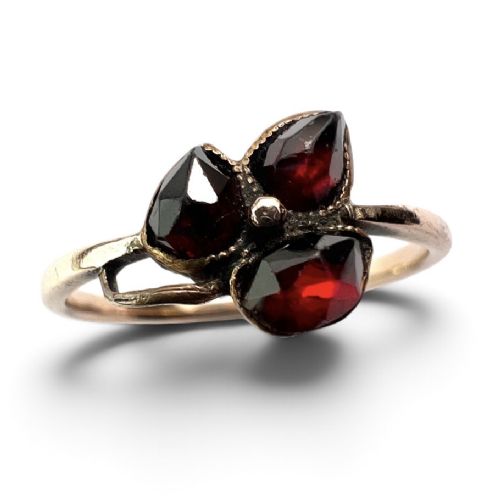
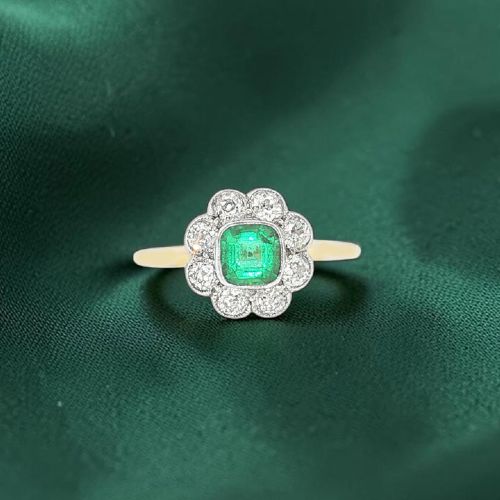
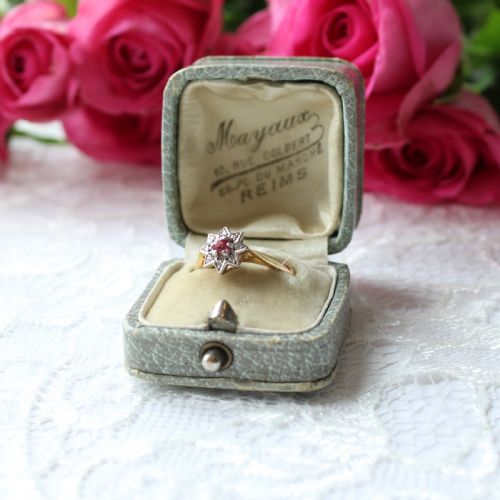
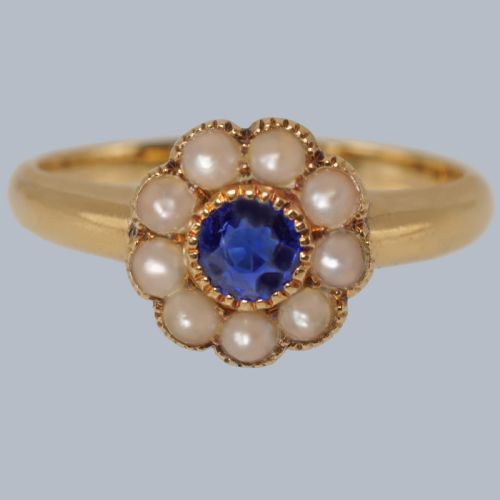
When you search for a victorian gold flower ring, you encounter charming floral cluster designs rendered in yellow gold set with gemstones. These pieces typically feature a central stone encircled by smaller gems forming petals, echoing natural blooms.
The selection ranges from authentic nineteenth century pieces to later Edwardian and mid-century interpretations sharing the floral motif. Alongside traditional rings, the archive shows occasional drop earrings and posy holders sharing the same botanical inspiration.
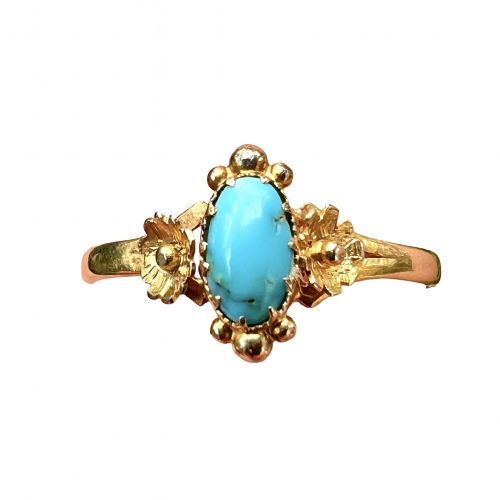
Garnet, turquoise, pearl and diamond frequently populate the petal arrangements, mounted securely in gold bands. Each example displays the craftsmanship of its period, from simple claw settings to intricate cluster arrangements.
How they were made
Jewellers shaped these floral motifs primarily in yellow gold, utilising varied carat weights including 9ct, 15ct and 18ct alongside silver and platinum highlights. Metals were cast, hammered and engraved to give lifelike dimension to the petals and leaves.
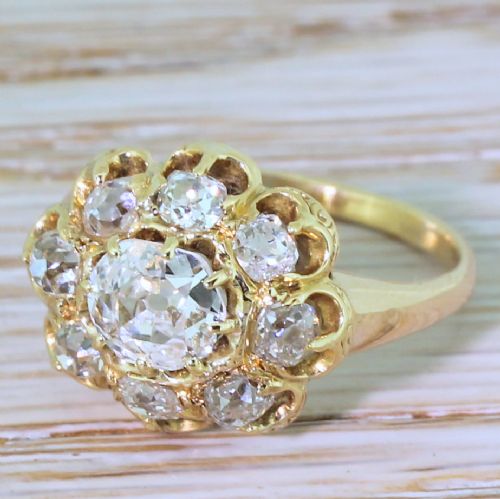
Gemstones such as old mine cut diamonds, rubies, sapphires and garnets were hand-set into the metal frames. Pearls and turquoise beads were often pegged and glued or tightly prong-set to create smooth, rounded flower centres.
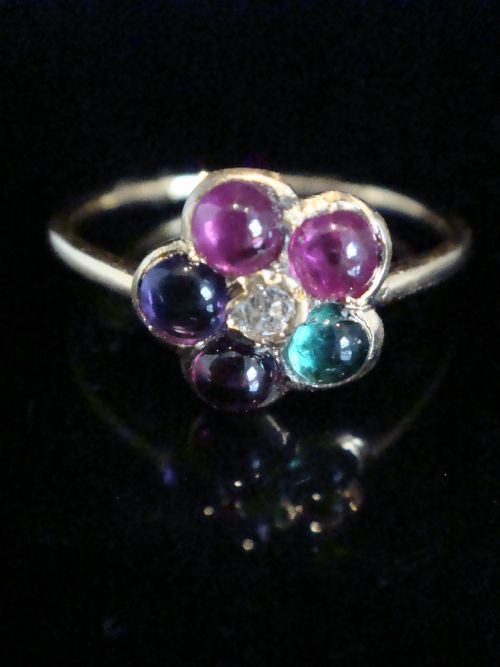
Some flower rings secretly spell out romantic messages through gemstone acrostics like REGARD.
What varies in quality
Superior examples distinguish themselves through the matching and saturation of the gemstones used for the petals and centres. Master jewellers selected stones with uniform colour and precise cut, ensuring the floral illusion reads clearly.
The delicacy of the metalwork around the collets and prongs dictates the refinement of the piece. Finer rings exhibit hand-carved details and secure, low-profile settings that hold the stones flush without obscuring the organic form.
The Victorian Gold Flower Ring Glossary
- Cluster ring
- A ring featuring a central gemstone surrounded by a cluster of smaller stones. This arrangement is the standard setting for botanical and floral jewellery.
- Old mine cut
- An early form of diamond cut characterised by a cushion shape, high crown and small table facet. These stones appear frequently in nineteenth century pieces.
- Toi et Moi
- French for you and me, denoting a ring design featuring two main stones placed side by side. This style represents two persons intertwined.
Victorian Gold Flower Ring: Frequently Asked Questions
How do I care for my ring?
Clean your gold flower ring gently with a soft brush and warm soapy water to remove everyday oils. Avoid harsh ultrasonic cleaners, particularly if the piece contains softer organic gems like pearls or turquoise.
Store the ring in a separate compartment or fabric pouch to prevent scratching against other jewellery. Regular checks by a professional jeweller will ensure the stone settings remain secure.
Are these rings suitable for daily wear?
These antique rings can be worn daily provided they receive gentle treatment and appropriate care. Rings set with pearls or turquoise require extra caution because softer materials scratch and absorb moisture easily.
Consider removing the ring during heavy manual tasks, sports or swimming to protect the delicate gold prongs and gemstone settings. Proper mindfulness preserves the structural integrity of antique botanical jewellery.
How can I tell the period?
Dating relies on examining the gold carat marks, gemstone cuts and overall construction techniques. Nineteenth century pieces often feature hand-cut stones like old mine cuts and lower gold purities or unhallmarked yellow gold.
Design motifs also offer clues, shifting from naturalistic Victorian flower clusters to lighter Edwardian openwork and later mid-century reinterpretations. Comparing hallmarks and stylistic shifts helps determine the exact era of manufacture.
What is a REGARD ring?
A REGARD ring spells out a sentimental acrostic using the first letter of specific gemstones. The sequence traditionally comprises Ruby, Emerald, Garnet, Amethyst, Ruby and Diamond.
These commemorative pieces encode secret messages of affection within the gemstone cluster arrangement. They represent a specialised subset of nineteenth century jeweled rings.