


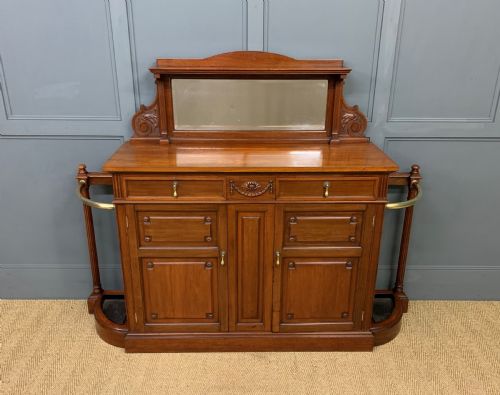
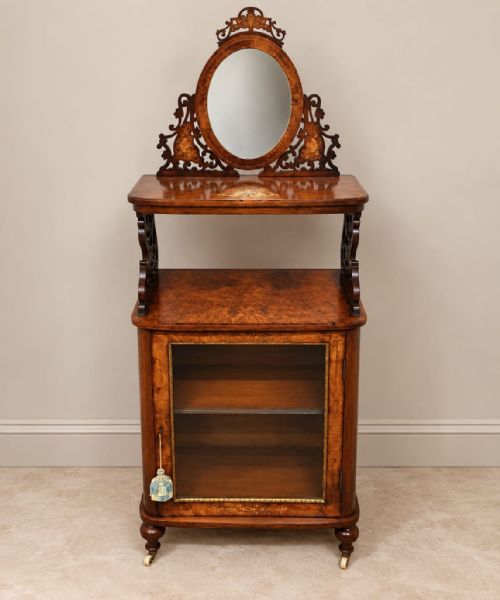
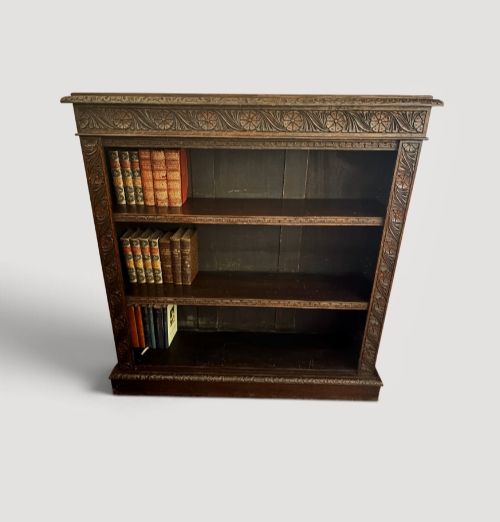
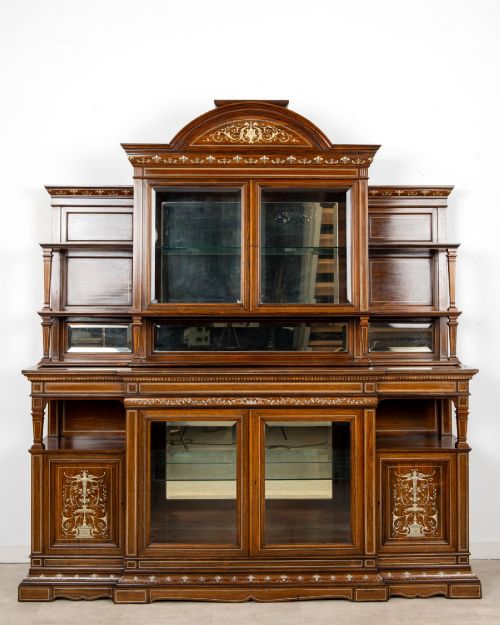
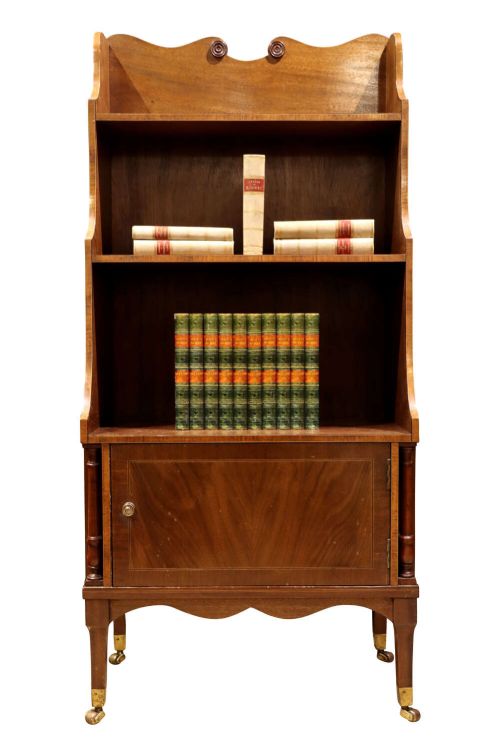
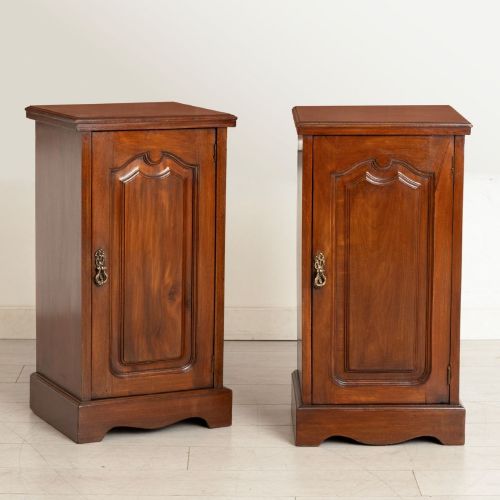
Victorian Standing Cabinet
A victorian standing cabinet brings upright storage and display into a room, offering defined shelves and enclosed cupboards suited to orderly interiors.
Victorian Standing Cabinet
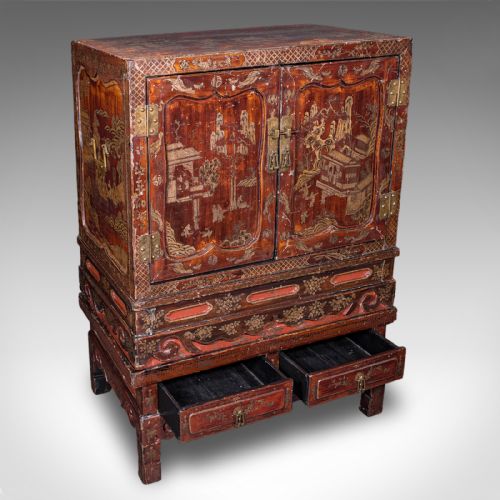
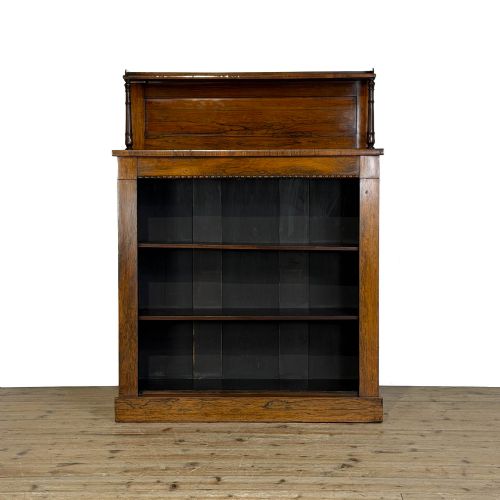
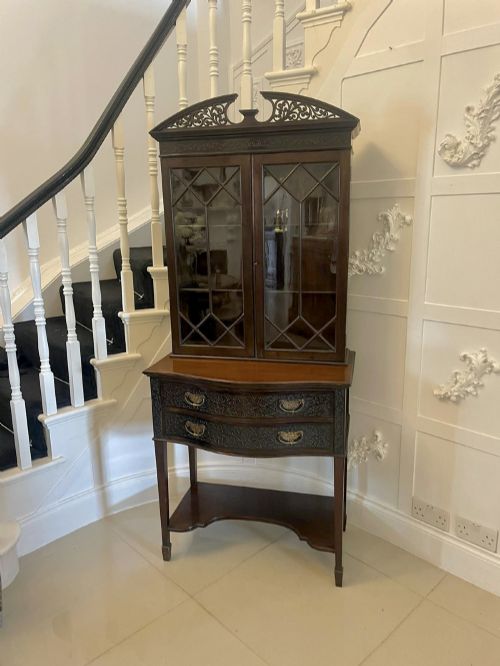
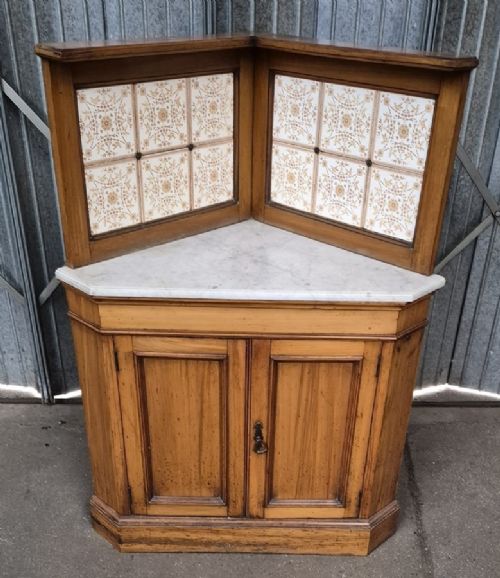
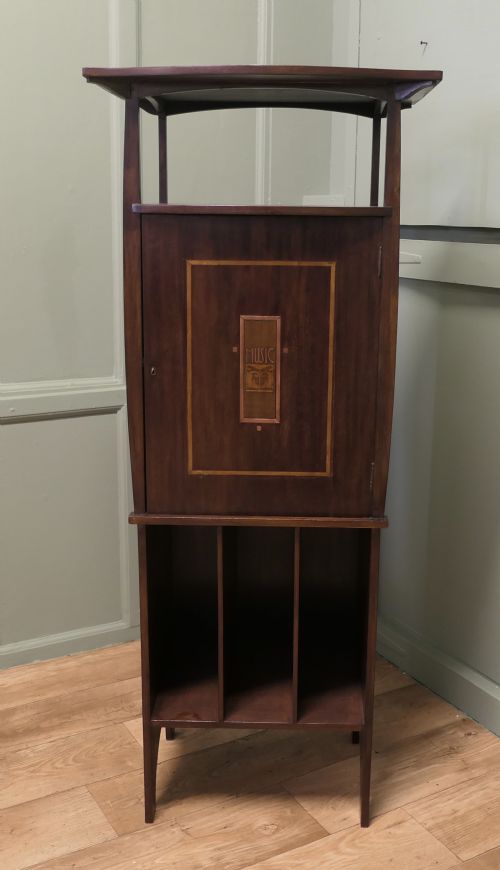
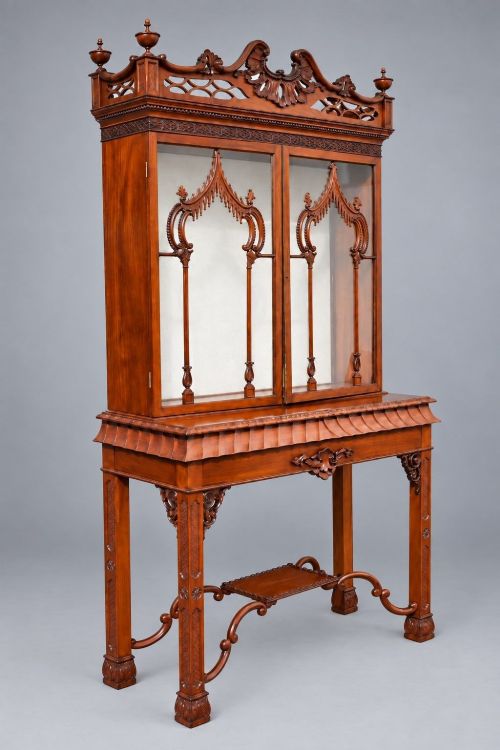
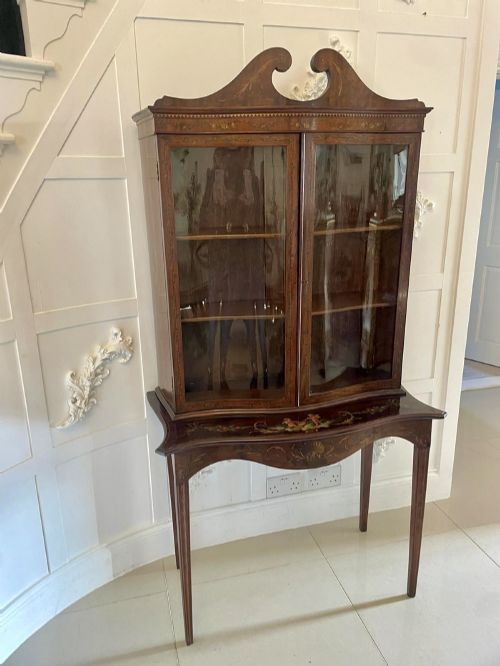
A victorian standing cabinet encompasses upright furniture forms designed to rest directly upon the floor rather than hang upon walls or sit on tables. Buyers searching for a victorian standing cabinet typically encounter display cabinets, bookcases, corner units, and music cabinets spanning the nineteenth century.
The evidence shows these pieces emerging across various regional workshops and metropolitan cabinet makers throughout the Victorian era. Surviving examples range from simple pine corner cupboards to elaborate burr walnut side cabinets and breakfront display pieces.
Makers adapted the standing cabinet format for multiple domestic uses, including bedside storage, sheet music organisation, and general book housing. Walnut, mahogany, and rosewood dominate the surviving inventory, frequently enhanced with glass doors or open shelving.
Craftsmanship and Proportion
Superior examples demonstrate meticulous timber selection, where burr walnut or figured mahogany veneers align symmetrically across door panels. Cabinet makers achieved structural stability through tight dovetail joints in drawers and precise framing around glass panels.
Design ambition separates standard utility cupboards from high-end reception room cabinets. Elaborate marquetry, integrated porcelain plaques, and disciplined revival styling distinguish the finest workshops from everyday production pieces.
Object forms span display cabinets, bookcases, corner units, music cupboards, bedside cabinets, canterburys, and washstands.
Walker & Sons·GM Elwood for JS Henry·Gabriel Viardot·Shoolbred & Co·Collinson & Lock·Liberty & Co·Leonard Wyburd·Edwards & Roberts·Maple & Co
The Victorian Standing Cabinet Glossary
- Marquetry
- Inlay work using various coloured wood veneers to create pictorial or geometric patterns on furniture surfaces. This technique adorned the doors and panels of fine Victorian side cabinets.
- Ormolu
- Gilded bronze mounts applied to cabinet corners, feet, and friezes for decorative enhancement. Makers utilised these metallic ornaments to punctuate dark walnut and rosewood surfaces.
- Astragal
- A small moulded bar dividing glass panes within a cabinet door. These wooden strips formed intricate geometric grids on bookcase and display cabinet facades.
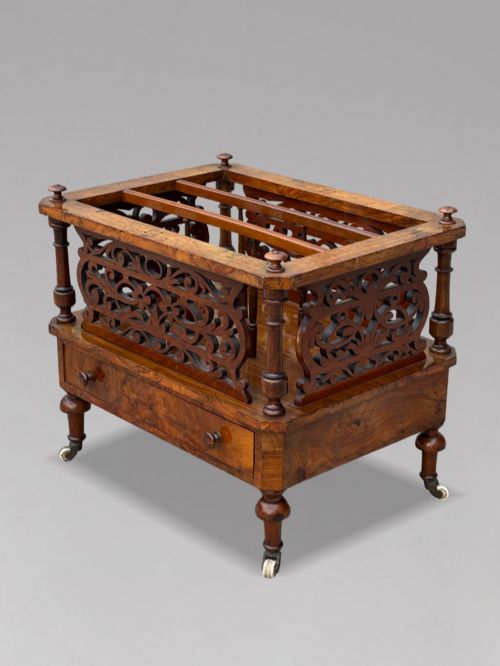
- Canterbury
- A low standing rack traditionally used for holding sheet music, folios, or newspapers. Several nineteenth century variants incorporate small enclosed cupboards beneath the open partitions.
- Pier Cabinet
- A narrow display piece specifically designed to stand against the wall space between windows. These glazed cabinets often featured inlaid floral marquetry and mounted porcelain details.
Victorian Standing Cabinet: Frequently Asked Questions
What is a standing cabinet?
A standing cabinet is an independent piece of furniture designed to rest on the floor, providing enclosed storage or display space. These units stand vertically without requiring wall attachment.
Nineteenth-century makers built these cabinets in diverse configurations, including corner units, music cabinets, and glazed display furniture. They served functional roles throughout domestic rooms.
How do I identify Victorian style?
Victorian furniture styles incorporate heavy revival influences, ranging from Gothic and Elizabethan motifs to Sheraton Revival and Chinoiserie aesthetics. Makers frequently combined dark hardwoods with intricate marquetry and classical proportions.
Examining the secondary timbers, interior construction, and hardware helps confirm the nineteenth-century origin. Stylistic markers often reflect the specific decade of manufacture.
Where were these cabinets used?
These cabinets occupied various rooms across Victorian homes, including drawing rooms, libraries, hallways, and bedrooms. Bookcases and display cabinets suited public reception spaces, while bedside and music cabinets served private chambers.
Corner designs made efficient use of awkward room junctions, providing accessible storage without obstructing walkways.
How do I care for antique wood?
Maintain antique timber by keeping cabinets away from direct heat sources and strong sunlight, which can dry out and fade walnut and mahogany veneers. Dust regularly with a dry, soft cloth rather than applying modern chemical polishes.
Preserving a stable indoor environment protects both the structural joints and the delicate surface inlays.