

Victorian Standing Bookcase
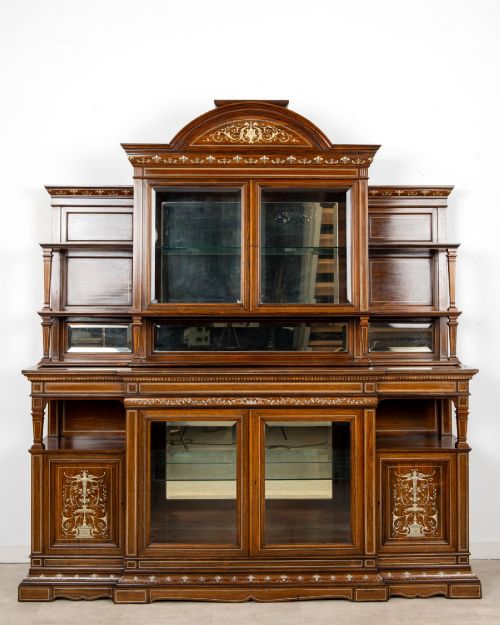
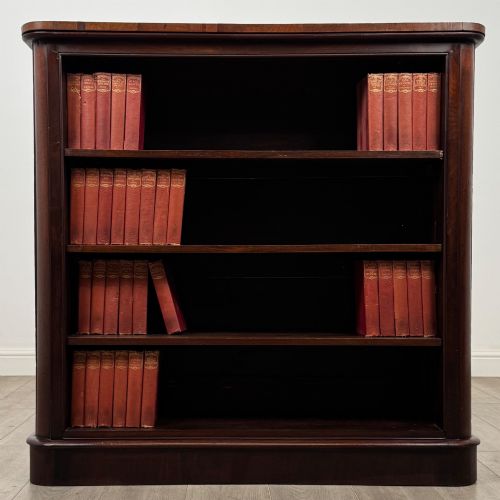
A victorian standing bookcase organises domestic libraries with solid mahogany and walnut timber, offering generous freestanding shelf space.
Victorian Standing Bookcase
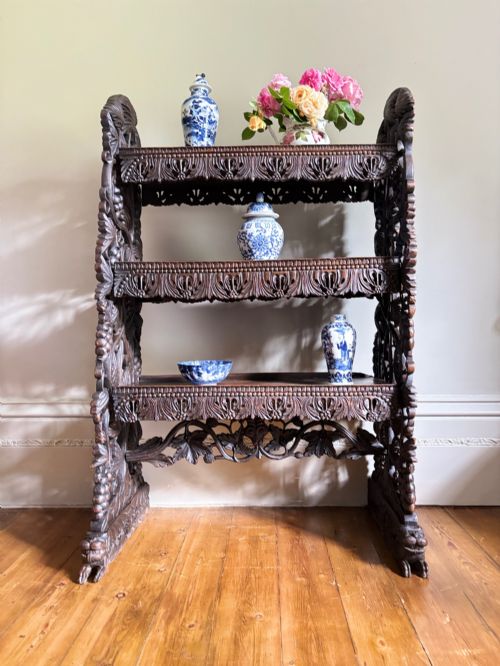
A victorian standing bookcase brings freestanding vertical storage to nineteenth century interiors, appearing in open shelf formats, glazed display cabinets, and rotating designs. These pieces span the Victorian and Edwardian eras, incorporating related forms such as multitiered whatnots and corner cupboards.
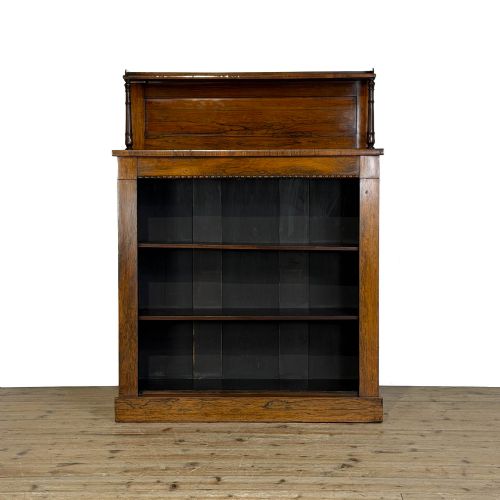
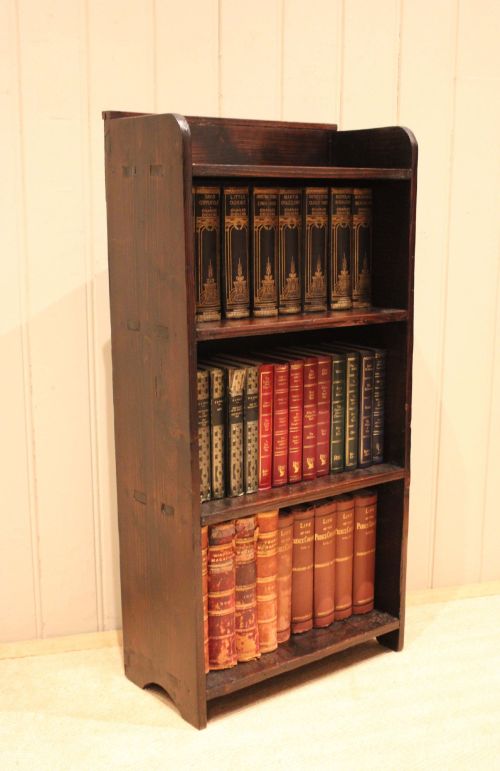
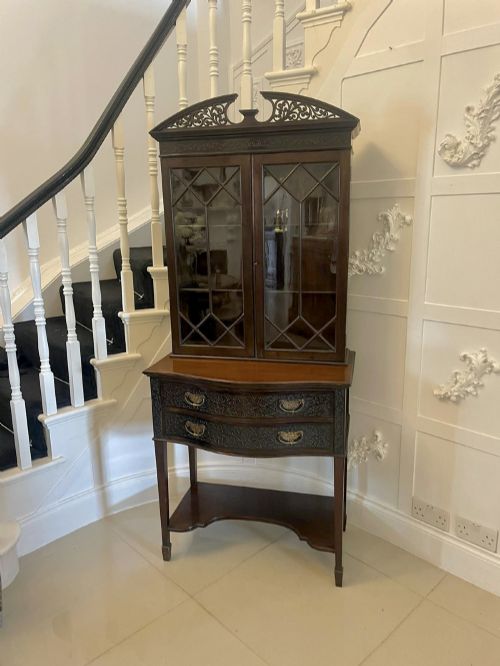
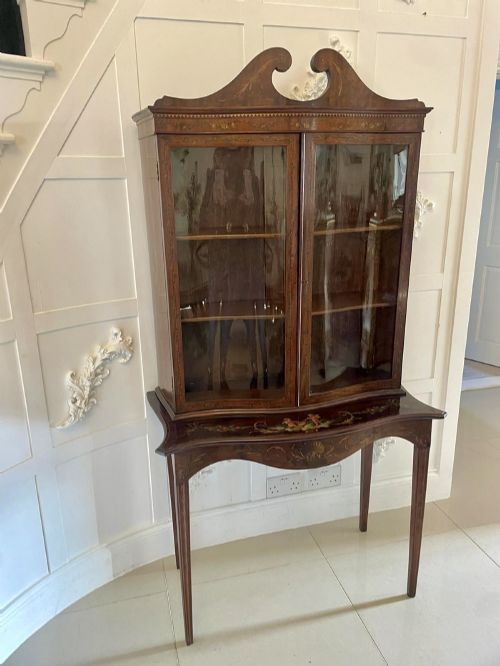
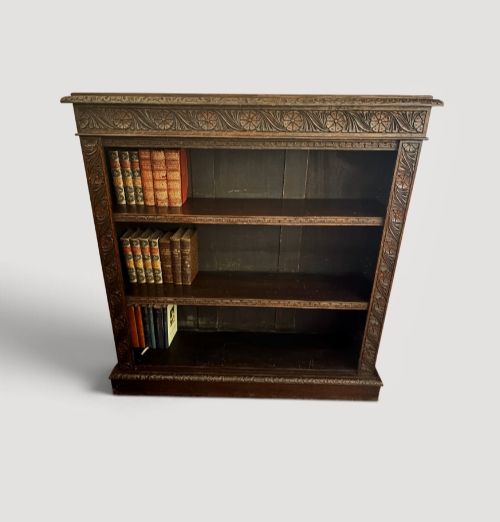
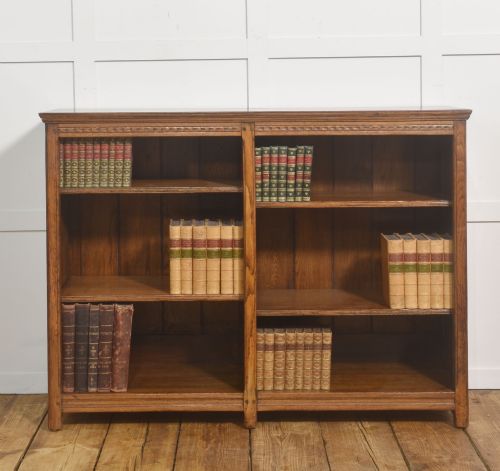
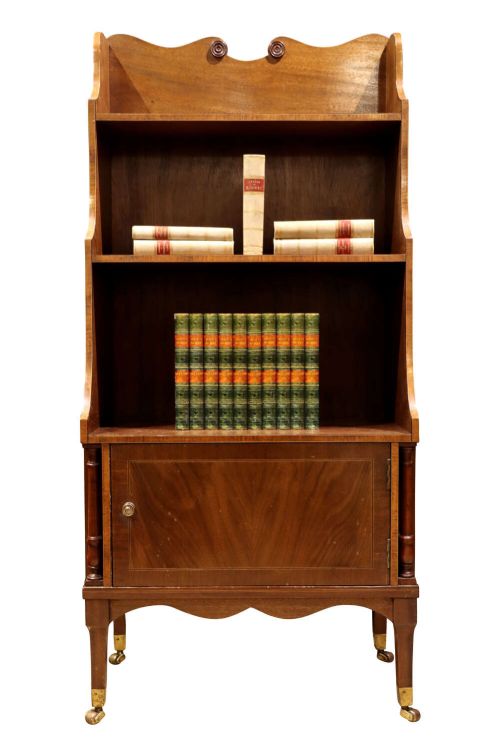
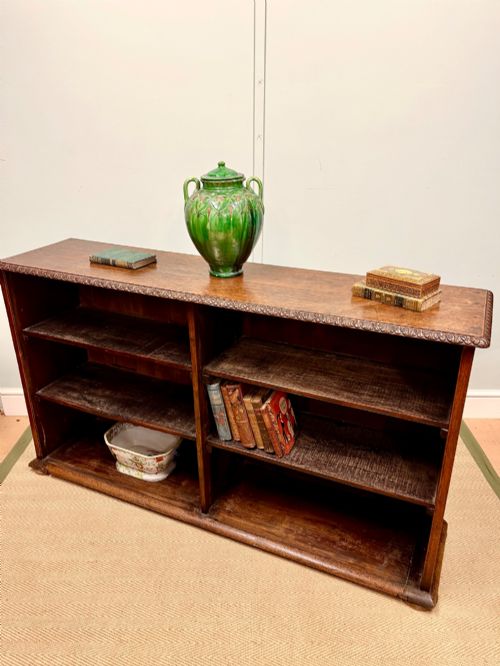
The mahogany open bookcase and the burr walnut glazed cabinet represent the primary versions met on this page. Makers adapted these floor standing units for libraries, drawing rooms, and studies, utilising adjustable wooden shelving and enclosed glazed doors.
Regional variations include Anglo-Indian padauk shelves and Scottish burr walnut revolving bookstands alongside standard English cabinet work. The domestic scale ranges from low dwarf bookcases to tall breakfront libraries fitted with brass castors.
Materials and Construction
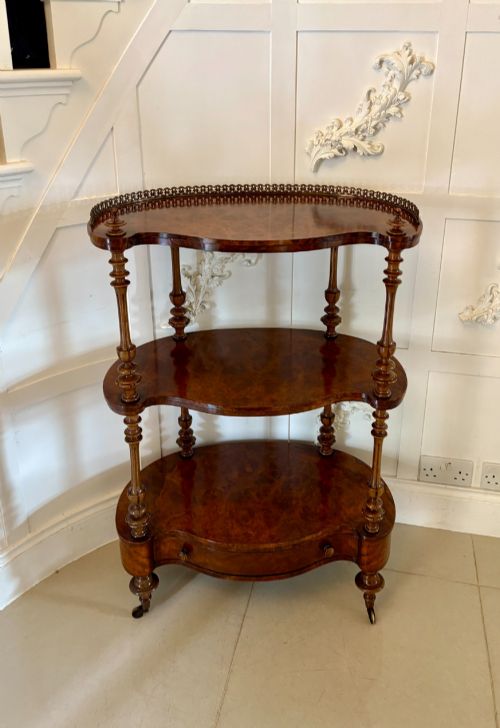
Cabinet makers relied heavily on dense tropical hardwoods like mahogany and rosewood, alongside burr walnut veneers selected for rich grain patterns. Secondary timbers such as pine appear in internal framing and backing boards.
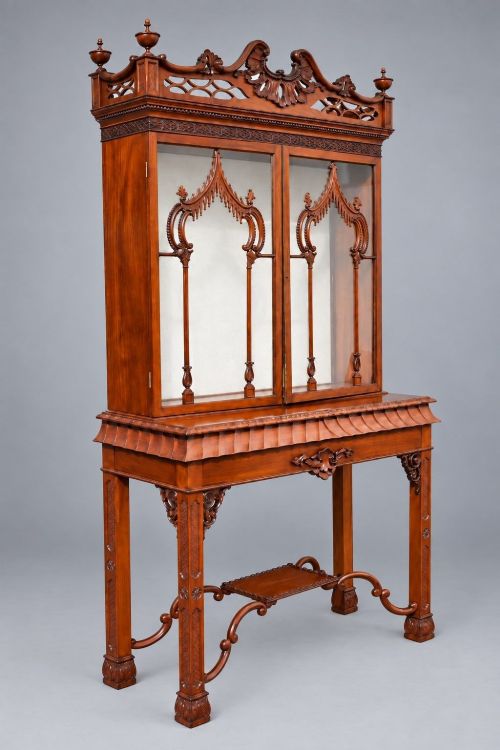
Decoration involved marquetry inlay, ormolu mounts, astragal glazing bars, and carved mahogany details. Structural hardware included brass castors and adjustable shelf supports set within upright library sides.
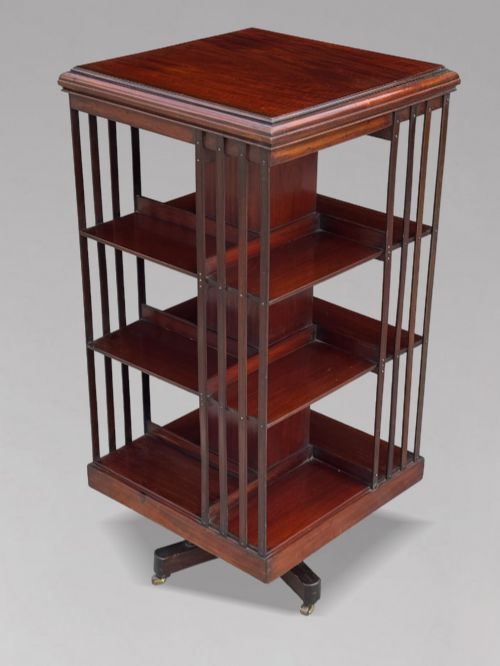
Revolving bookcases let you spin your entire reading collection with a flick of the wrist.
Gradations of Craft
The hierarchy of these pieces rests on timber selection and decorative ambition, distinguishing simple pine and stripped utilitarian items from figured burr walnut and rosewood exhibition pieces. Figured veneers and intricate marquetry indicate workshop investment.
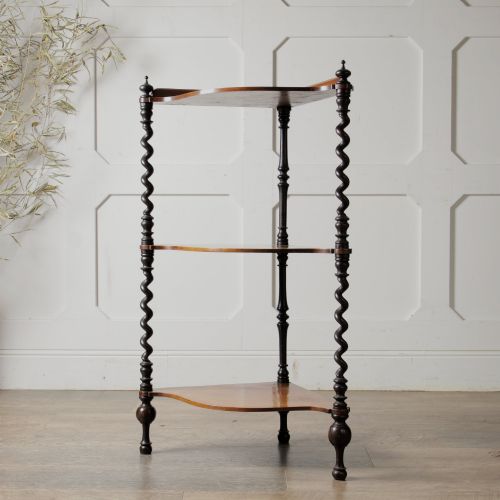
Secondary construction details define the upper tier, including original astragal glazing, finely turned barley twist columns, and integrated brass hardware. Plain open shelving represents standard domestic utility, whereas serpentine breakfront profiles demonstrate advanced joinery.
Gabriel Viardot·Collinson & Lock·Leonard Wyburd·Liberty and Co·James Winter & Sons·Maple & Co
The Victorian Standing Bookcase Glossary
- Astragal glazed
- Glazing divided by slender wooden mouldings into small glass panes. This technique distinguishes formal display furniture from simple open shelving.
- Whatnot
- A multitiered movable set of open shelves used for displaying ornaments. These freestanding stands appear in mahogany and walnut across the nineteenth century.
- Revolving bookcase
- A rotating table or floor standing bookstand mounted on a concealed pivot mechanism. These compact units allow easy access to volumes from every angle.
- Burr walnut
- A highly figured timber veneer harvested from walnut tree growths. Cabinet makers utilised these swirling patterns on cabinet doors and tabletops.
- Breakfront
- A piece of furniture where the central section projects forward from the flanking wings. This architectural layout creates depth in large library cabinets.
Victorian Standing Bookcase: Frequently Asked Questions
What is a standing bookcase?
A standing bookcase is a freestanding furniture item designed to rest directly on the floor without requiring wall attachment. These units provide dedicated vertical shelving for books and display objects.
Most examples feature adjustable wooden shelves enclosed by glass doors or left open for direct access. Their solid timber construction allows them to support heavy library collections.
How do I identify a Victorian piece?
Victorian pieces typically display dense timber construction using mahogany, walnut, or rosewood, often complemented by hand-cut dovetail joints in drawer construction. Stylistic markers include carved architectural details, turned uprights, and traditional French polish finishes.
Examining the interior timbers and backboards helps confirm period authenticity, as nineteenth-century workshops utilised native pine alongside imported tropical hardwoods. Original brass castors and old fixing screws also indicate manufacture during this era.
Are the shelves adjustable?
Many nineteenth-century library bookcases and open shelving units incorporate adjustable shelf mechanisms. These systems allow users to alter shelf heights to accommodate volumes of varying sizes.
Adjustability is achieved through traditional wooden ratchets, brass shelf studs, or vertical slots cut into the interior uprights. This functional feature distinguishes bespoke library furniture from fixed shelving.
Where should I place a revolving bookcase?
Revolving bookcases function best beside armchairs, desks, or in open room corners where users can access volumes from all sides. Their compact rotating design makes them ideal for smaller spaces without wall shelving.
Positioning them away from direct heat sources protects the timber veneers and prevents the rotating pivot mechanism from drying out. Adequate floor clearance allows the revolving top tier to spin freely.