
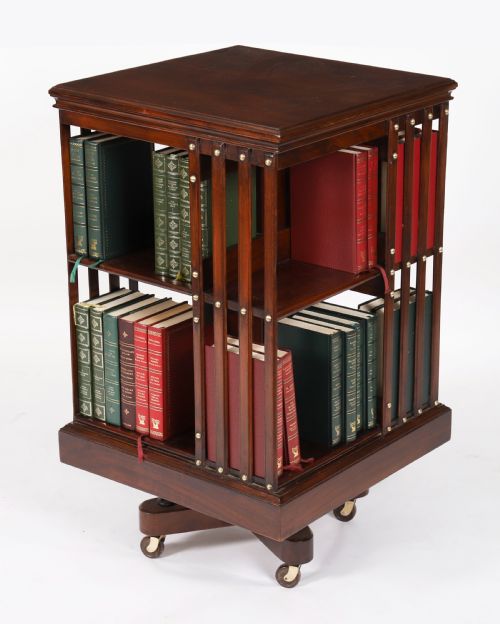


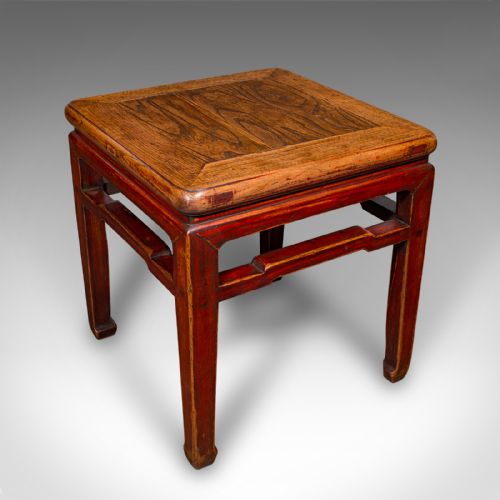

Victorian Square Side Table
When you search for a Victorian square side table, you find timber occasional pieces built during the nineteenth century for domestic rooms.
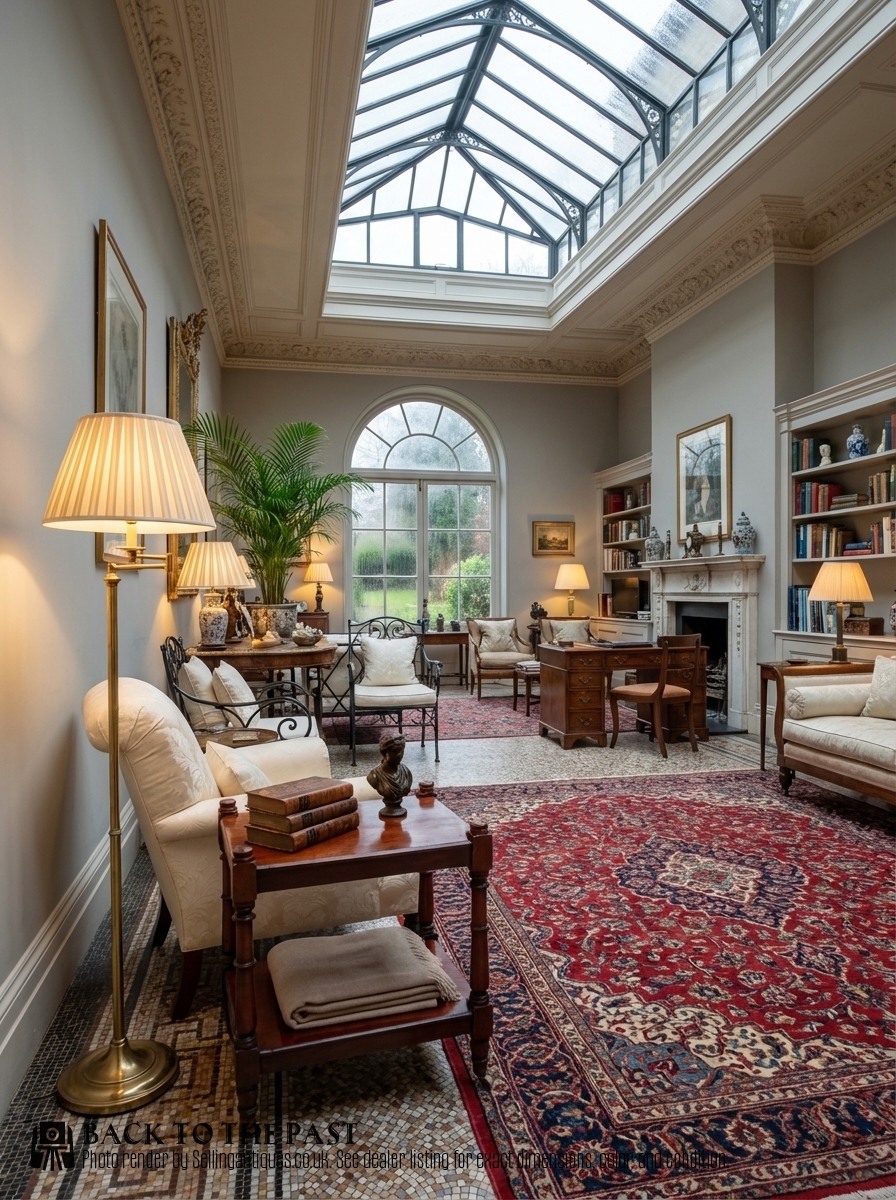
Victorian Square Side Table
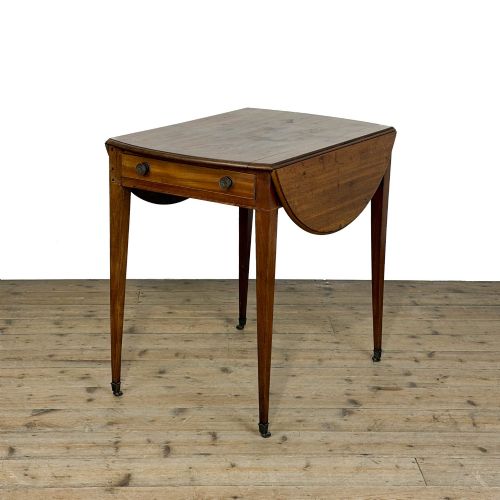
A Victorian square side table provides a compact surface for lamps, books, or tea within nineteenth-century interiors. These items appear in various forms, including Pembroke tables, lamp tables, and occasional tables with square tops.
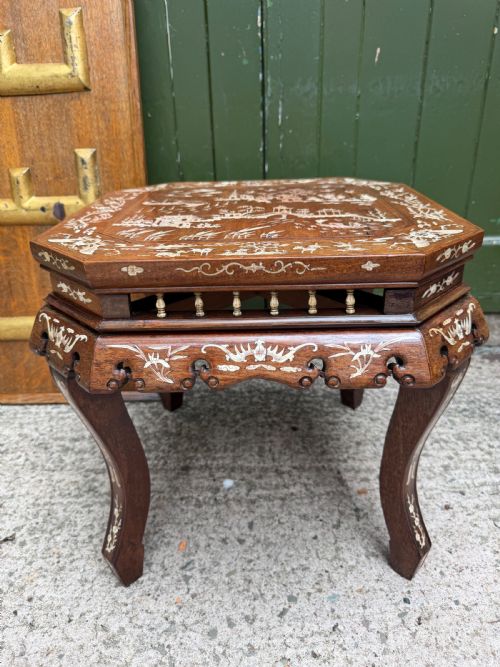
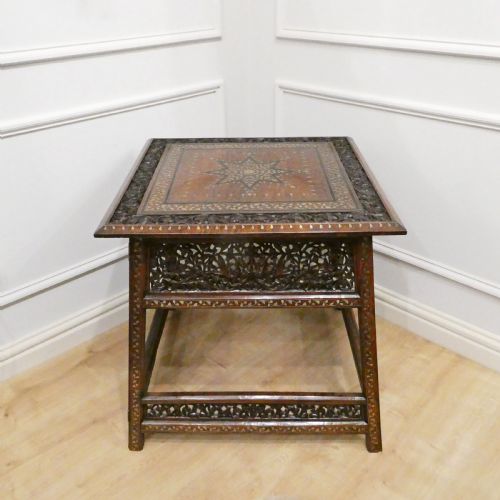
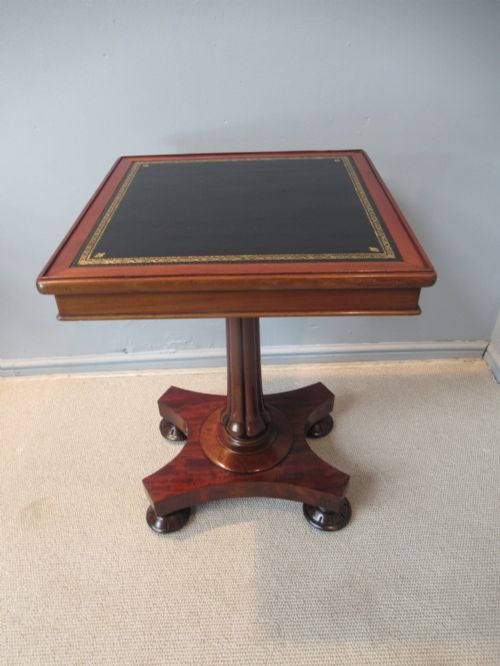
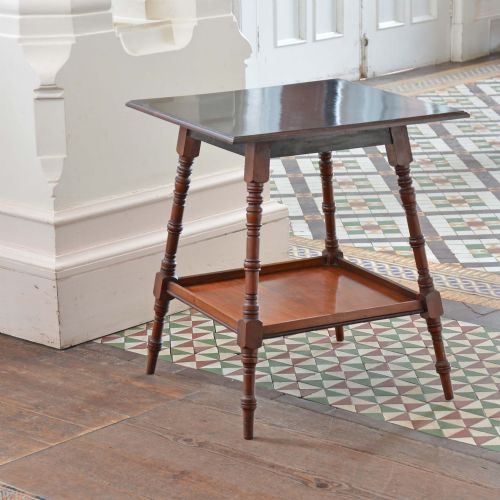
Mahogany, walnut, and oak dominate the timber selection, occasionally accompanied by ebonised wood, rosewood, satinwood, and exotic hardwoods such as padouk and palm wood. Examples span diverse stylistic influences from the Aesthetic Movement and Arts and Crafts to Anglo-Indian and Japanese Meiji designs.
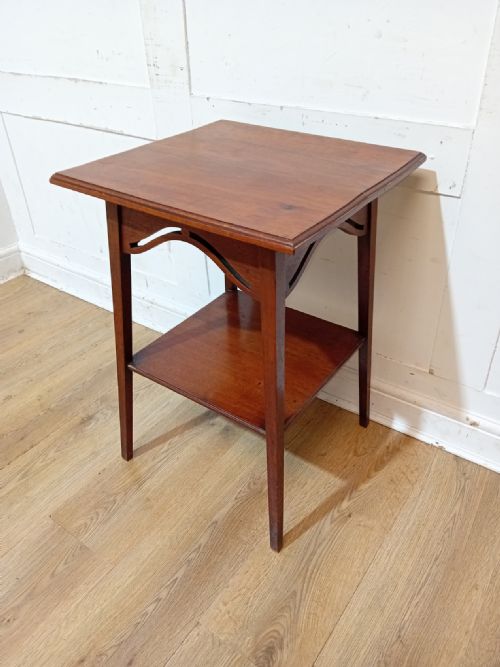
The version most commonly met on this page is the nineteenth-century mahogany side table, though oak, walnut, and brass inlaid specimens frequently occur. Dimensions remain modest, suiting smaller sitting room spaces and corners.
What varies in quality
The choice of primary timber and secondary framing sets the baseline, with burr figures, dense mahogany, and figured walnut commanding greater interest. Cabinet work precision, from the tightness of joints to the crispness of hand carving, distinguishes standard production from finer workshop output.
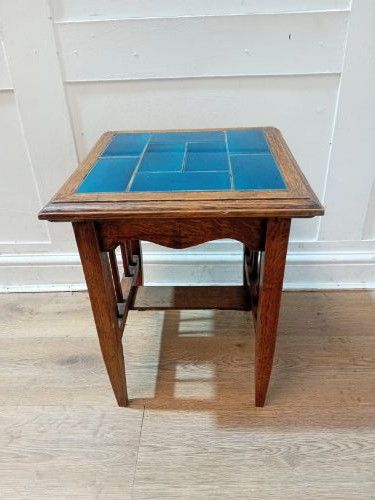
Materials documented across the inventory include oak, walnut, mahogany, rosewood, satinwood, brass, ceramic tile, and ebonised wood.
Liberty of London·Maple & Co·Gillows of Lancaster
The Victorian Square Side Table Glossary
- Pembroke table
- A small table with hinged leaves on either side that can be raised or lowered. This form offers adaptable surface area for domestic tasks.
- Aesthetic Movement
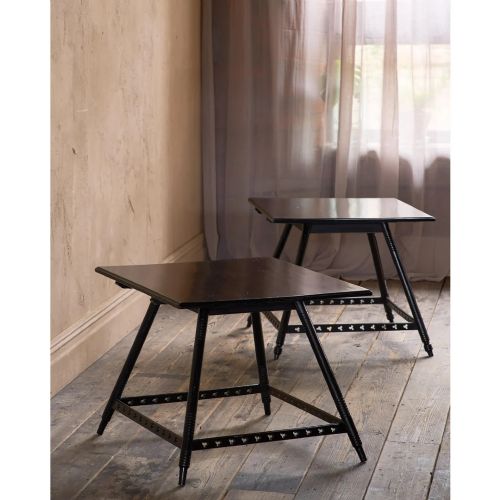
- A late nineteenth-century design style emphasising visual beauty over narrative subject matter. Pieces from this movement often utilise ebonised finishes and geometric lines.
- Tilt-top table
- A table equipped with a mechanism allowing the top to pivot into a vertical position when not in use. This clever design enables compact storage against walls.
- Ebonised wood
- Timber treated with a dark stain or finish to imitate ebony. This technique was popular in nineteenth-century decorative furniture.
- Occasional table
- A small, portable table used for miscellaneous purposes around a room. These versatile items fit easily beside seating.
Victorian Square Side Table: Frequently Asked Questions
Where were these tables placed?
Nineteenth-century households positioned these compact surfaces beside seating furniture to hold lamps, reading material, or tea service items. Their modest footprints allowed them to fit easily into corners and narrow wall spaces.
Larger drawing rooms accommodated occasional tables near windows or central hearths, while smaller bedrooms utilised them for bedside lighting and personal belongings.
What defines Aesthetic Movement pieces?
Aesthetic Movement items favour geometric simplicity, dark ebonised surfaces, and subtle decorative contrasts inspired by Japanese design principles. They reject heavy Victorian ornamentation in favour of clean architectural lines.
These tables frequently incorporate contrasting materials such as brass inlay or ceramic tiles to create understated visual interest.
How do I care for antique timber?
Protect antique wood surfaces by keeping them away from direct sunlight and maintaining stable room humidity levels. Apply specialist wax polish sparingly to nourish the finish without building up heavy residue.
Use coasters and felt pads beneath objects placed on the surface to prevent moisture rings and scratches on the historic polish.