





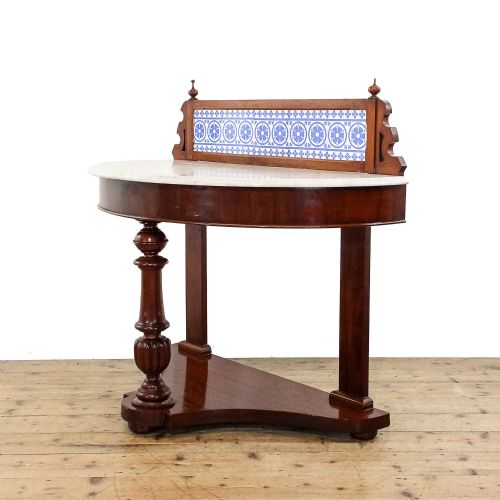


Victorian Splashback Washstand
These Victorian splashback washstands are practical bedroom and bathroom furniture pieces offering classic charm and durable stone or wood surfaces.
Victorian Splashback Washstand
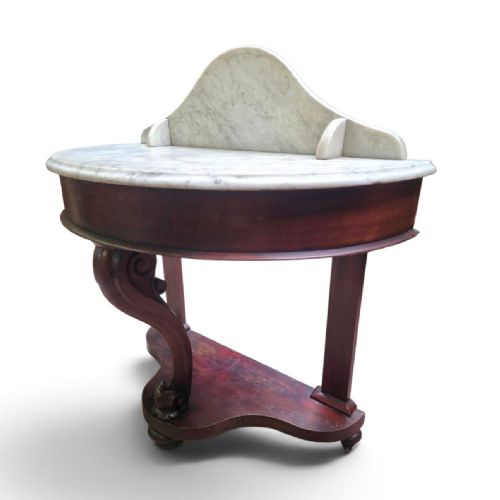
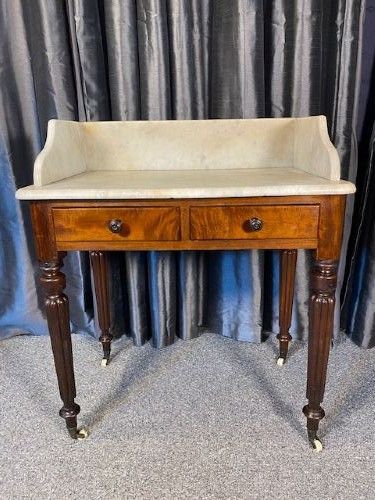
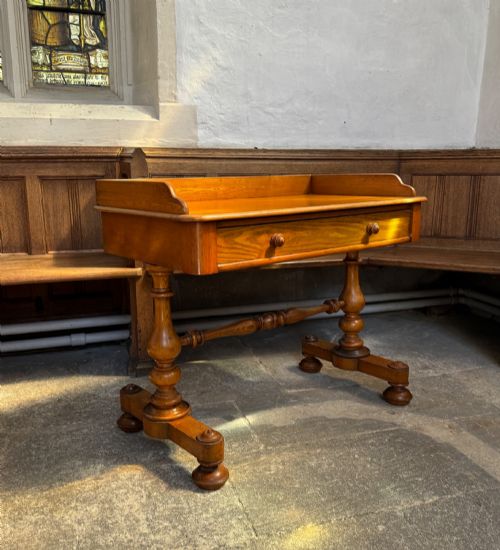
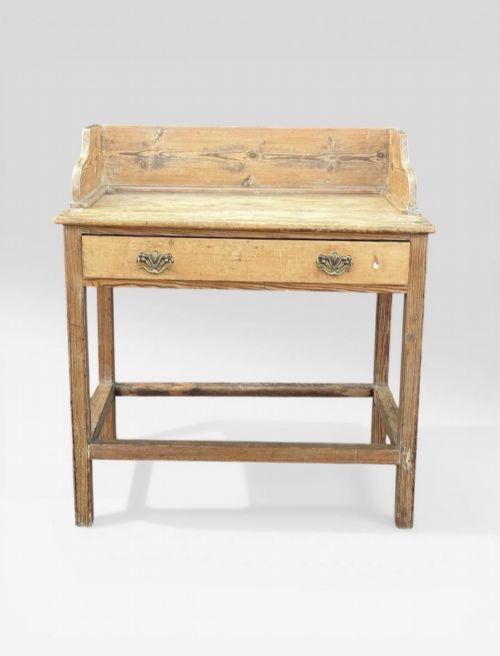
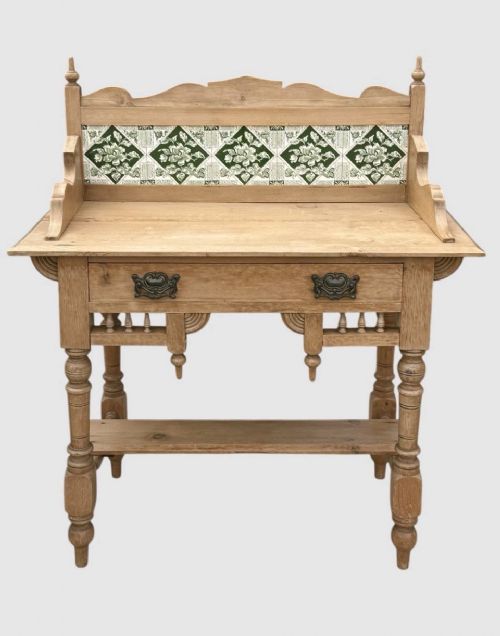
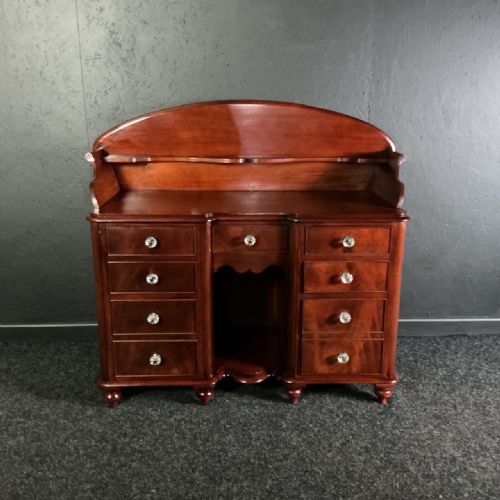
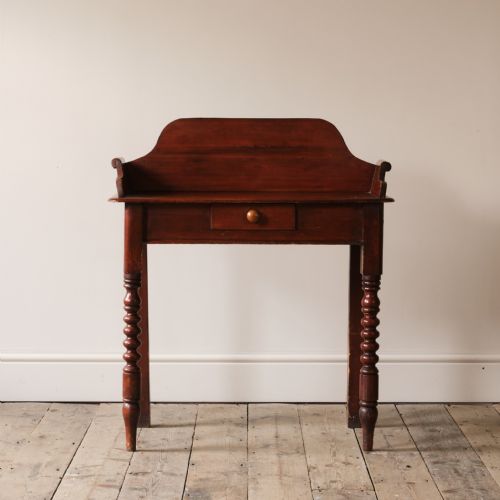
A victorian splashback washstand is a functional antique designed for daily hygiene, featuring an elevated back panel to protect walls from water splashes. Buyers encounter various forms on this page, ranging from rustic pine side tables to sophisticated mahogany cabinets.
The selection spans periods from the nineteenth century into the Edwardian era, incorporating styles such as Arts and Crafts, Aesthetic Movement, and French Provincial. These pieces serve equally well as decorative side tables or traditional wash stands in modern homes.
How They Were Made
Cabinetmakers utilised sturdy timbers including mahogany, walnut, satinwood, and pitch pine to construct the main frames of these washstands. Many examples incorporate decorative elements like satinwood inlay or painted finishes.
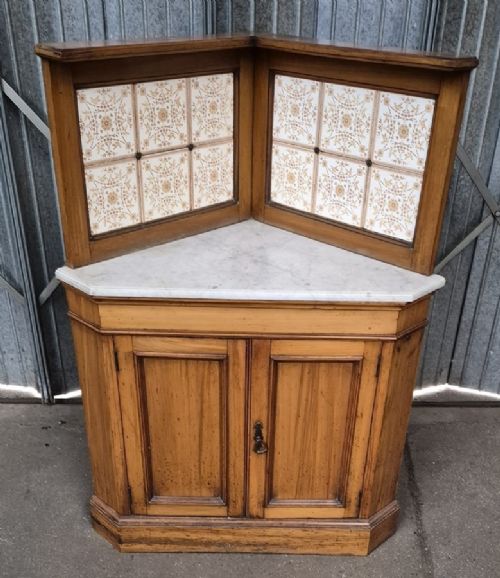
The top surfaces frequently feature heavy marble slabs, sometimes paired with ceramic tiles along the gallery back to provide a water-resistant workspace. Brass hardware and glass components appear across various styles to complete the construction.
The selection includes Arts and Crafts, Aesthetic Movement, and French Provincial stylistic influences.
What Varies in Quality
The choice of primary timber and secondary wood dictates the foundational grade of each washstand, with dense hardwoods like mahogany and walnut representing higher tiers than standard pine. Superior execution shows in precise joinery and refined proportions rather than simple utility.
Walker And Sons·Gillows
The Victorian Splashback Washstand Glossary
- Splashback
- An elevated rear panel attached to a washstand to protect adjacent walls from water. It often incorporates decorative ceramic tiles or matching marble.
- Marble Top
- A heavy stone slab fitted to the upper surface of a washstand to provide a durable, water-resistant counter. Rouge marble and white varieties appear frequently.
- Gallery Back
- A raised barrier along the back and sides of the washstand surface. It frames the splashback and secures small items placed on the counter.
- Satinwood
- A fine timber with a natural golden sheen and smooth grain used for decorative inlay and banding. Cabinetmakers favoured it for refined Victorian furniture.
- Side Table
- A secondary table form closely related to the washstand in dimensions and construction. Many survive adapted from their original sanitary purpose into general living spaces.
Victorian Splashback Washstand: Frequently Asked Questions
How do I clean a marble top?
Marble requires gentle cleaning with warm water and mild, non-acidic soap to preserve the polished surface. Avoid harsh chemical cleaners that can etch the stone.
Dry the surface thoroughly after cleaning to prevent water spots and maintain the natural finish.
Are these washstands suitable for modern bathrooms?
Many buyers adapt these pieces into bathroom vanity units by mounting modern basins onto the stone or wood tops. The original water-resistant marble and tile surfaces suit this purpose well.
Plumbing modifications depend on the specific cabinet structure and interior space.
How do I tell Victorian from Edwardian pieces?
Victorian washstands often display heavier proportions and darker timbers like mahogany and walnut, alongside ornate tile galleries. Edwardian examples typically present lighter woods and simpler, airier designs.
Construction techniques and stylistic details help date each individual piece.