



Victorian Spirits Carafe
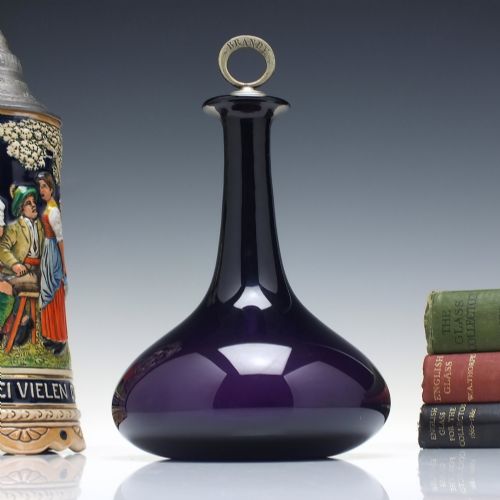
A victorian spirits carafe brings a distinct weight and colour to the sideboard, designed to hold whisky, rum, or brandy for the evening glass.
Victorian Spirits Carafe
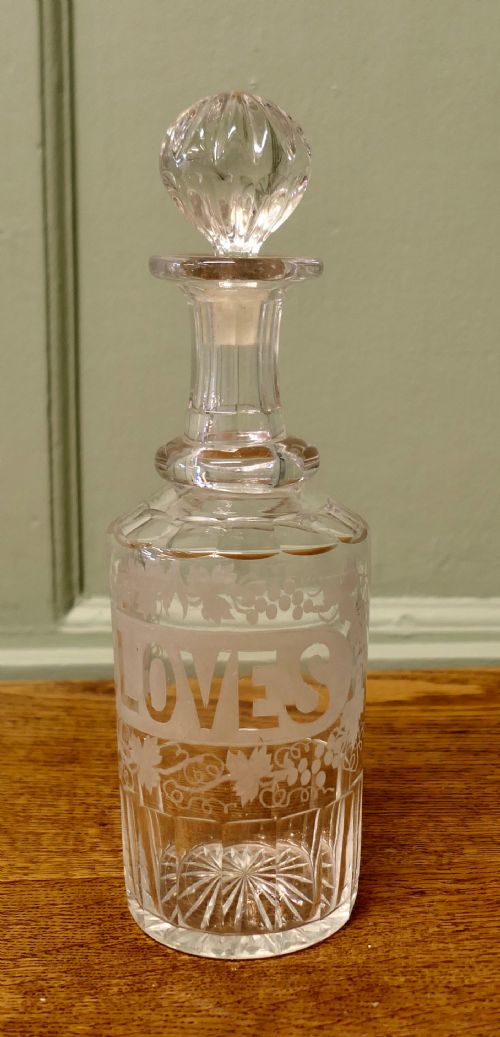
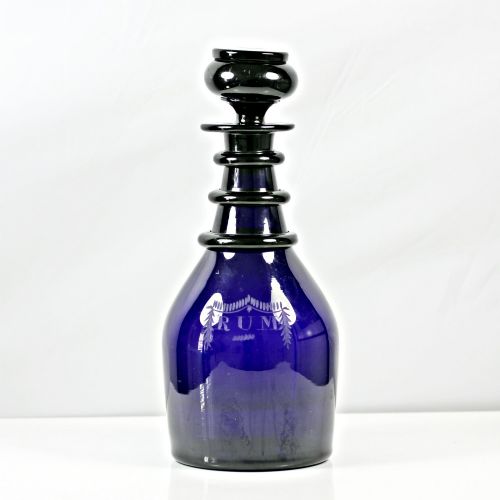
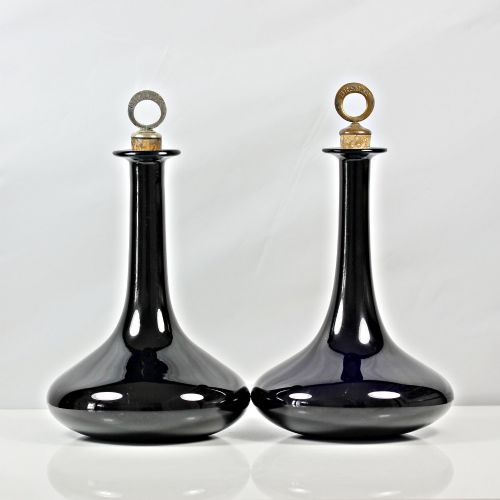
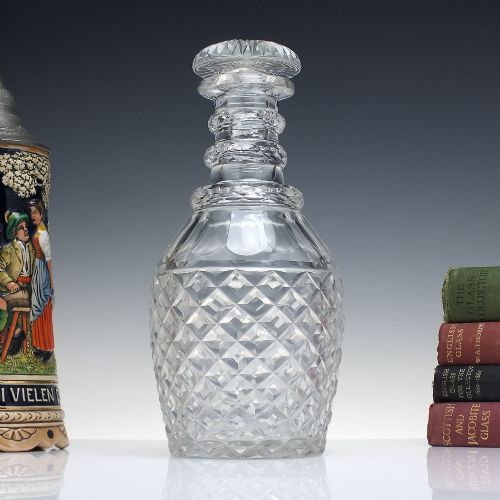
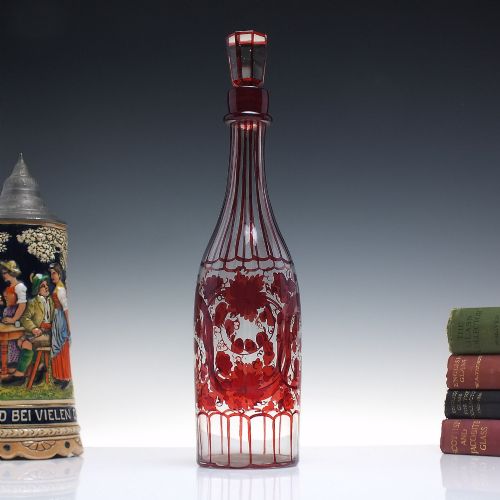
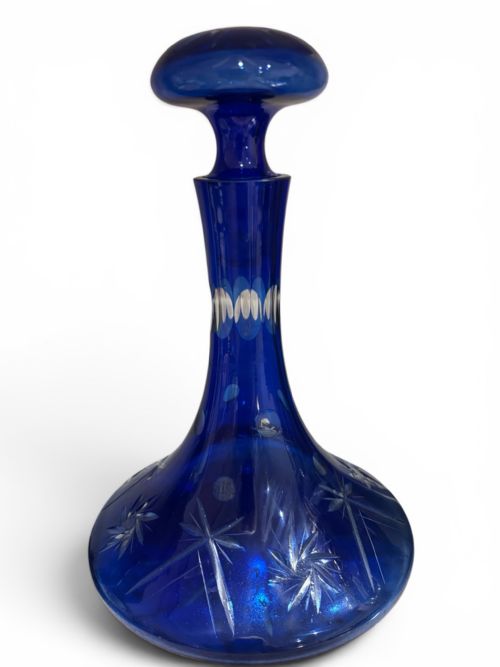
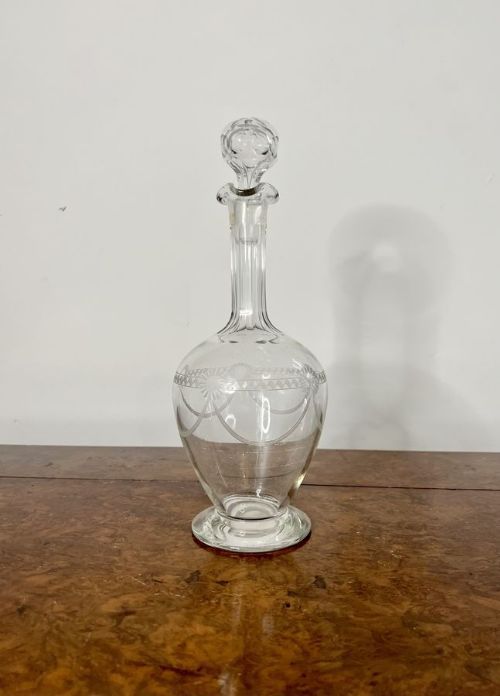
A victorian spirits carafe encompasses functional glass bottles, decanters, and serving vessels produced across the nineteenth century and into the early twentieth century. These pieces emerge in clear glass, cut glass, and lead crystal alongside richly coloured examples in amethyst, Bristol blue, ruby, cranberry, and green.
Materials and Techniques
Glassmakers shaped these vessels through blowing, optical blowing, and cutting, often employing overlaid coloured glass or nailsea type techniques to achieve deep hues. Molten metal took form in iron or wooden moulds before being hand-finished by glass cutters and polishers.
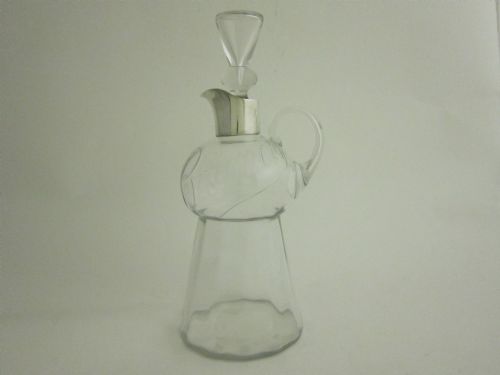
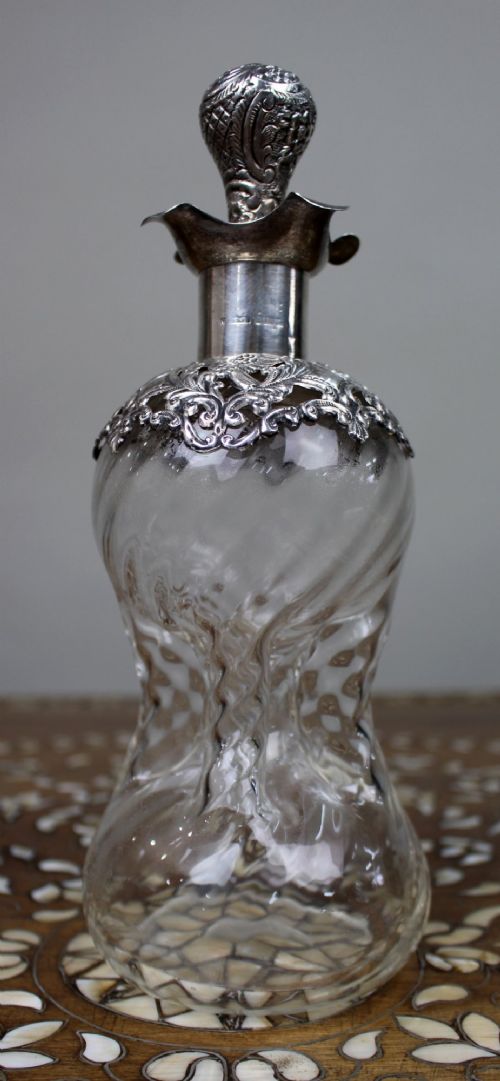
Silver mounts and collars were cast and soldered separately, then fitted securely to the glass necks. Enamelling and hand painting added direct surface decoration, setting labels and floral motifs straight onto the crystal or coloured glass body.
Listings feature Victorian, Edwardian, and William IV periods, spanning clear glass, lead crystal, and coloured variations.
Assessing the Pieces
The depth and clarity of the glass separate standard production from finer examples, particularly where deep wheel cutting refracts light cleanly through heavy lead crystal. Coloured glass intensity relies on proper chemical composition during melting, resulting in rich ruby, amethyst, or cobalt tones rather than thin surface washes.
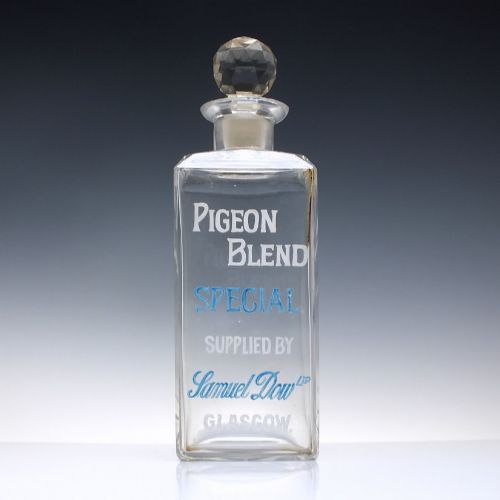
Silver mounts stamped with clear hallmarking and maker marks elevate the piece, matching the precision of the glass cutting. Engraved or enamelled lettering, such as named spirit blends from Scottish potteries and merchants, demands steady craftsmanship to maintain crisp lines.
James Powell
The Victorian Spirits Carafe Glossary
- Mell glass
- A decanter form characterised by a tapered body resembling a mallet, popular for holding spirits on the dining table.
- Lead crystal
- Glass containing lead oxide, known for increased weight, refractive brilliance, and a clear musical ring when struck.
- Overlay
- A technique where a layer of coloured glass is fused over a clear glass body, then partially cut away to reveal patterns.
- Optically blown
- A method of blowing glass into a ribbed mould to create internal pattern lines within the body of the vessel.
- Sterling silver mount
- A collar of regulated British silver attached to the neck of the bottle, frequently holding a stopper or chain.
Victorian Spirits Carafe: Frequently Asked Questions
What spirits did they hold?
These vessels held spirits such as whisky, rum, and brandy for domestic service and hospitality.
Specific decanters often bore enamelled labels naming regional Scottish blends to identify the contents.
How do I date a carafe?
Dating relies on glass weight, cutting styles, pontil marks, and accompanying silver hallmarker stamps.
Nineteenth-century examples often display deep hand-cutting and distinct pontil scars underneath the base.
Are stoppers original?
Stoppers were individually ground to fit each specific neck during the manufacturing process.
Matching the inner ground surface and glass tint helps confirm whether a stopper belongs to the piece.
How should I clean them?
Gentle hand washing with warm water preserves the aged glass and any delicate silver mounts.
Harsh abrasives and modern dishwashers damage both the polished surface and historical silver components.