




Victorian Spirit Burner
These Victorian spirit burner setups are portable metal vessels mounted on stands with dedicated heat sources, bringing traditional table service to life.
Victorian Spirit Burner
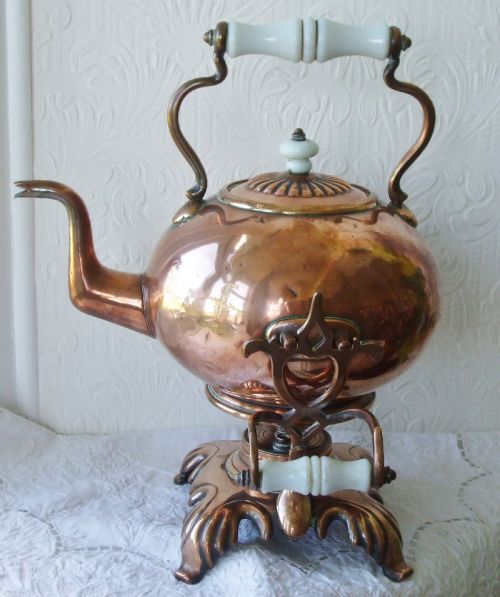
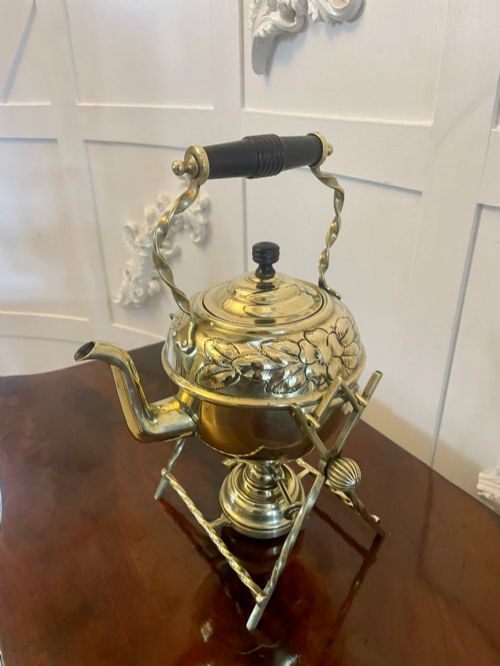
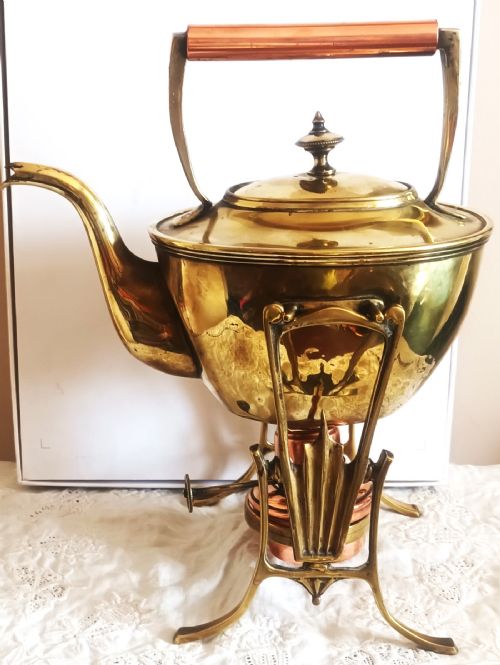
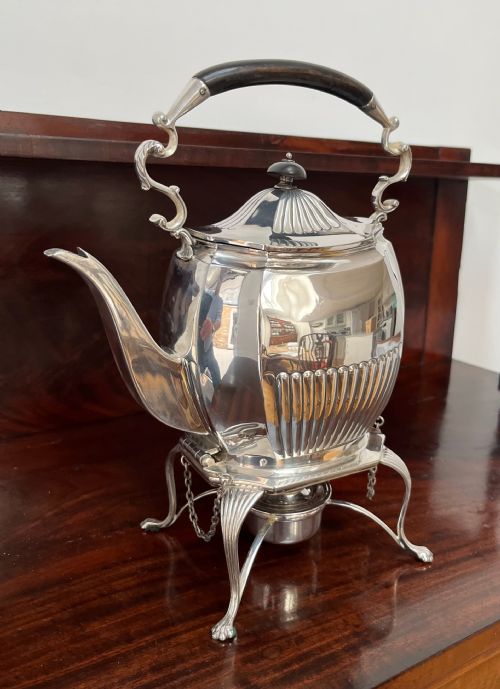
A victorian spirit burner typically takes the form of a spirit kettle or egg warmer on a dedicated metal stand, designed to keep water hot at the tea table or dishes warm during service.
Most examples found here date from the nineteenth century into the Edwardian period, often spanning brass, copper, and silver plate constructions.
Forms range from conventional table stands to hanging kettles and rotating dish rings, reflecting the varied domestic habits of the period.
What varies in quality
The distinction between ordinary and superior pieces rests on the weight of the metal and the crispness of the mountings, particularly where the kettle meets its stand.
Proportion and balance determine the character of a piece, separating well-resolved domestic items from heavier, less harmonious designs.
Victorian Spirit Burner Retail Price Guide 2026
Typical asking prices for victorian spirit burner among the pieces listed under this phrase on Sellingantiques today, from the lower quarter to the upper quarter. They describe what is for sale here now, not the wider market.
Some burners retain their original tiny snuffs on little chains, designed to extinguish the flame without singeing fingers.
Mappin & Co.·William Soutter & Sons·Mappin and Webb·Fenton Brothers·Frederik Ellis Tim & Co
The Victorian Spirit Burner Glossary
- Spirit Kettle
- A water vessel suspended above a small flame-heated burner to maintain water temperature at the table. These items formed part of formal nineteenth-century tea service.
- Spirit Burner
- The small, wick-fed fuel container housed beneath the stand. It used alcohol or similar spirits to maintain a steady, smokeless flame.
- Stand
- The metal frame that holds the kettle or dish above the burner at a fixed height. Stands often incorporated hinged joints or rotating mechanisms.
- Silver Plate
- A thin layer of silver bonded to a base metal such as copper or brass. This technique offered the appearance of solid silver at a lower cost.
- Aesthetic Movement
- A nineteenth-century design style emphasising visual beauty over narrative meaning. Pieces from this movement often feature simplified forms and stylised decoration.
Victorian Spirit Burner: Frequently Asked Questions
How do I use a spirit burner?
Fill the small reservoir with a suitable liquid fuel, adjust the wick, and light it to heat the water in the suspended kettle above.
Ensure the stand is placed on a stable, heat-resistant surface away from draughts during use.
Were these used indoors?
These pieces were designed specifically for indoor domestic use in drawing rooms, dining rooms, and parlours during tea service.
The small flame provided enough heat to keep water simmering without requiring trips to the kitchen range.
How do I clean brass and copper?
Maintenance depends on whether the metal retains a factory lacquer or has a natural, unprotected surface. Gentle washing in warm soapy water removes dust and oils safely.
Avoid harsh abrasives that strip patination from older metal surfaces.
How do I date a spirit kettle?
Examine the construction methods, handle materials like bone or ebony, and any maker stamps or registry marks on the base. Stylistic cues such as Aesthetic Movement lines also help narrow the production era.
Comparing the weight and mountings with documented examples provides further chronological clues.