


Victorian Spice Cabinet
A victorian spice cabinet organises small household essentials in compact timber cases designed for kitchen or pantry walls.
Victorian Spice Cabinet
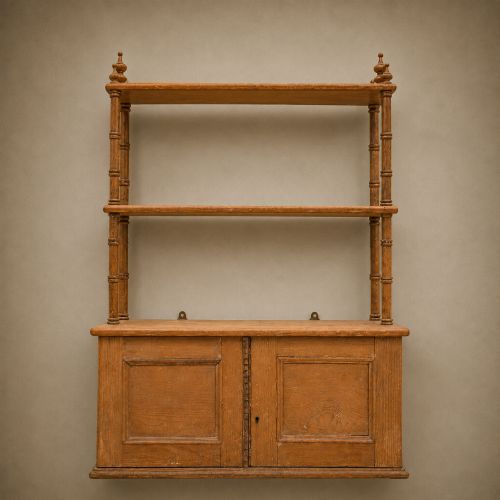
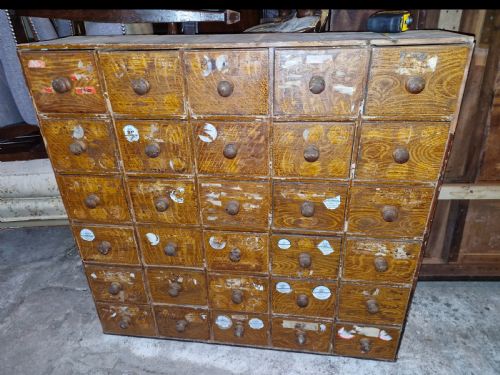
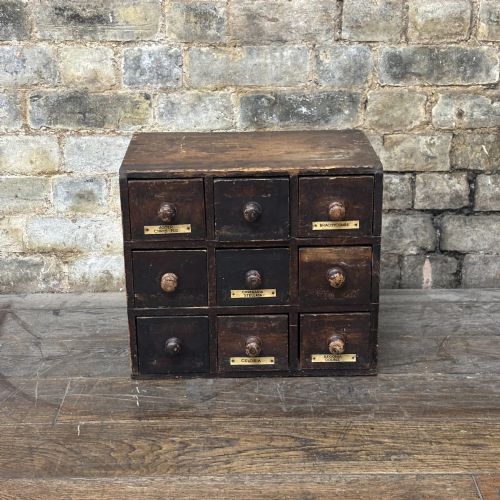
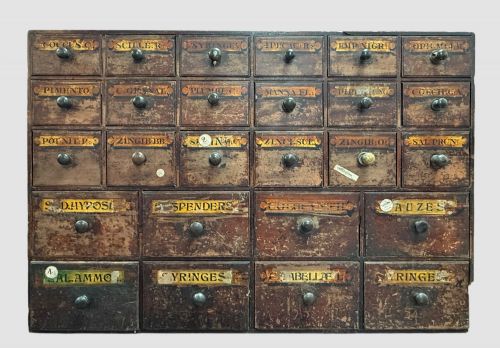
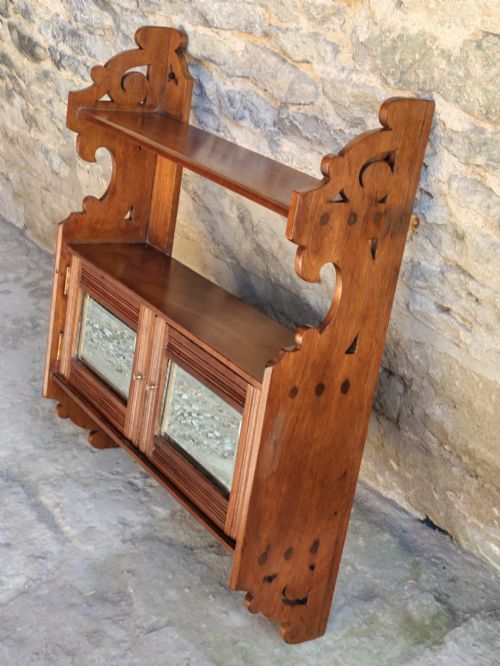
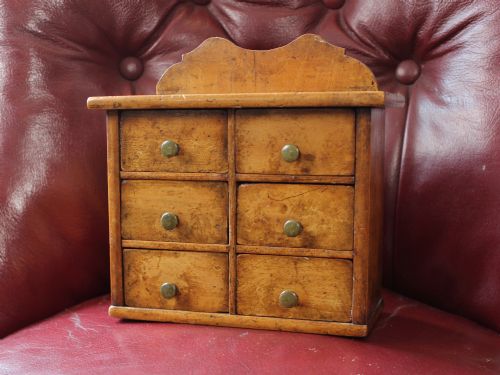
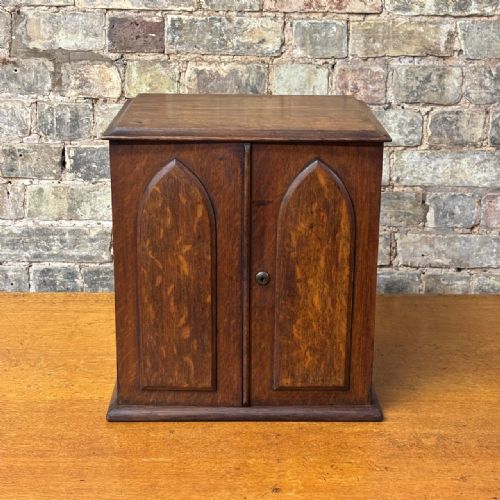
A victorian spice cabinet takes the form of small wall-mounted cupboards, banks of drawers, and miniature table chests designed to hold provisions or small collections. You will frequently meet oak, pine, and mahogany specimens configured as hanging wall boxes or low table cabinets.
The objects span the nineteenth century into the early twentieth century, incorporating styles such as Victorian Country, Aesthetic Movement, and Gothic Revival. They include utilitarian workshop fittings, apothecary drawers, and estate-made spice boxes created for domestic and commercial interiors.
How they were made
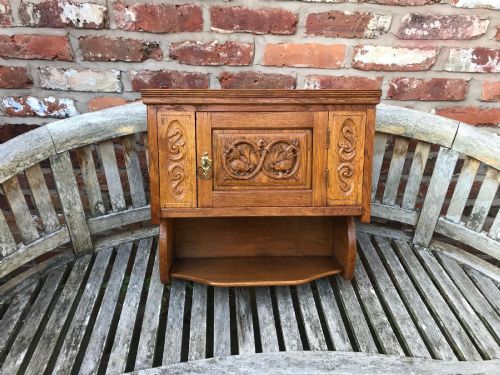
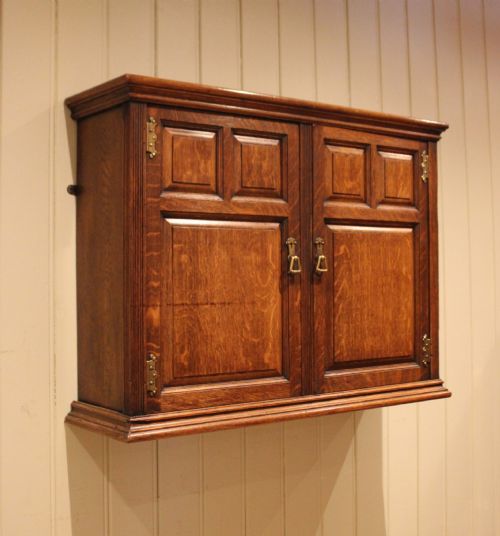
Cabinet makers utilised solid woods like oak, pine, mahogany, walnut, and fruitwood, frequently pairing oak and pine within the same carcass. Surfaces display carved ornamentation, panel doors, and fitted brass hardware such as drop handles and locks.
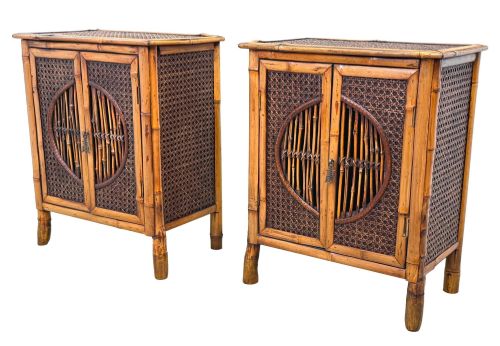
Construction methods range from estate-made joinery to cabinet shop production, incorporating glass panels, bamboo framing, and small descending drawers. Finish details involve natural wood grain, sign painting, and carved floral motifs.
Florists and chemists shared the same love for tiny drawers as cooks did for pepper.
What varies in quality
The standard of timber selection and joinery distinguishes basic utility pieces from finer table cabinets and apothecary chests. Dense hardwoods and careful carver work yield more substantial construction than simpler softwood boxes.
The Victorian Spice Cabinet Glossary
- Wall cabinet
- A small storage cupboard designed to be hung directly onto a wall surface rather than resting on a floor or table. These units free up surface space in kitchens and workshops.
- Bank of drawers
- A multi-drawer unit arranged in rows and columns to sort small goods efficiently. They appear frequently in apothecary and shop contexts.
- Table cabinet
- A compact storage case built to sit securely upon a desk, counter, or table. They provide accessible storage for documents, samples, or spices.
- Aesthetic Movement
- A late nineteenth-century design style emphasising visual beauty and artistic reform over heavy historical revival. It introduced lighter proportions and materials like bamboo.
Victorian Spice Cabinet: Frequently Asked Questions
What is a victorian spice cabinet?
A victorian spice cabinet is a small timber storage piece made to hold provisions, herbs, or small collections in nineteenth-century homes and shops. They appear as wall-mounted cupboards, hanging boxes, and miniature drawer units.
Cabinet makers built these pieces in woods such as oak, pine, mahogany, and fruitwood, often incorporating brass hardware, glass doors, or carved panels. Their compact sizes made them versatile for kitchens, pantries, and workrooms.
Where were these cabinets used?
These cabinets served domestic kitchens, pantries, and estate rooms for organising household provisions and dried goods. Commercial settings like chemist shops and seed stores also utilised similar small drawer units.
Many designs hung on walls to save counter space, while others sat upon tables or counters for easy access during daily tasks. Their small scale allowed them to fit into tight domestic spaces.
How do I date a spice cabinet?
Dating relies on observing construction methods, wood types, hardware styles, and design characteristics recorded across the nineteenth and early twentieth centuries. Pieces incorporate regional vernacular traits as well as formal styles like Gothic Revival and Aesthetic Movement.
Cabinet makers utilised solid timbers, hand-cut joints, and specific brass fastenings that evolved from the early 1800s through the Edwardian period. Comparing the joinery and overall form against documented examples helps narrow the period of manufacture.
What woods were used?
Makers constructed these cabinets using a variety of domestic and imported timbers available during the nineteenth century. Oak, pine, and mahogany appear most frequently, alongside walnut, fruitwood, limewood, and bamboo.
Some pieces combine multiple woods within a single carcass, such as oak frames with pine secondary elements. The choice of timber often reflects the intended function and the status of the cabinet.
How should I care for one?
Care involves placing the cabinet away from direct heat sources and strong sunlight to protect the historic timber and finish. Regular gentle dusting preserves the surface without harming aged wood or original hardware.
Maintaining stable indoor humidity prevents timber movement and protects vulnerable joints and glued elements. Original brass fittings and locks require minimal intervention beyond careful cleaning.