

Victorian Snuff Container
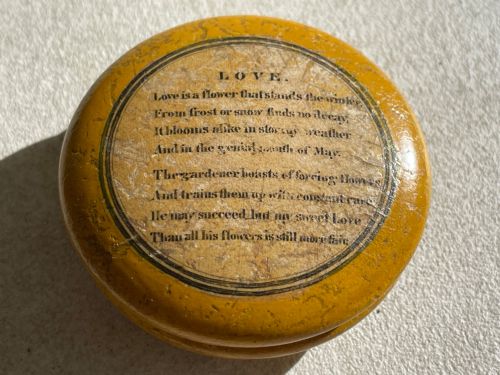
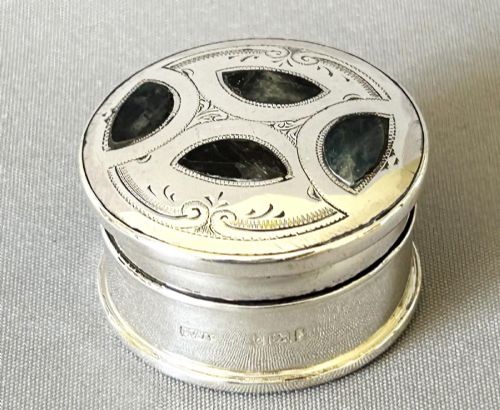
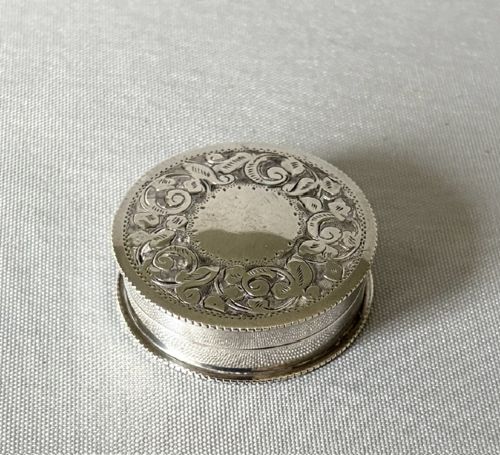
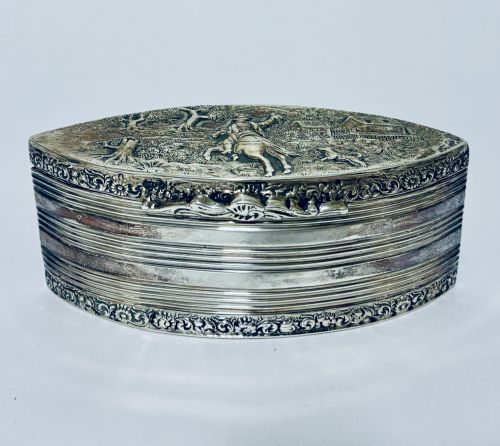
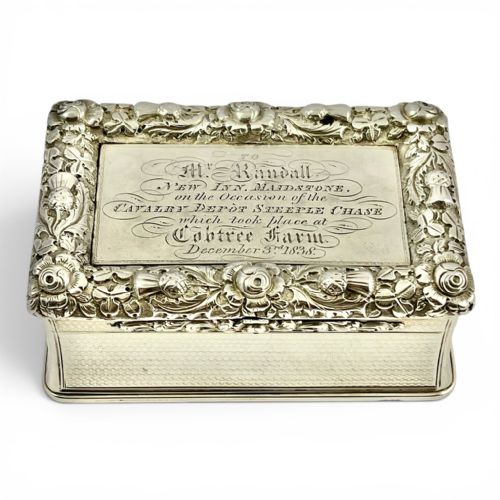
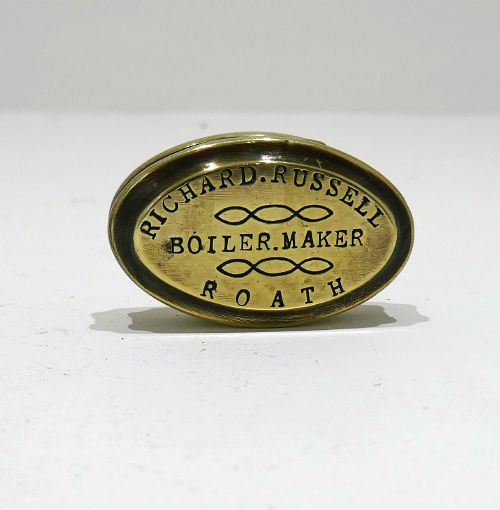
A victorian snuff container carries a pinch of tobacco in silver, horn or turned wood shaped for the pocket or table.
Victorian Snuff Container
A buyer seeking a victorian snuff container encounters pocket boxes, table boxes, mull rooms and novelty shapes formed across the nineteenth century.
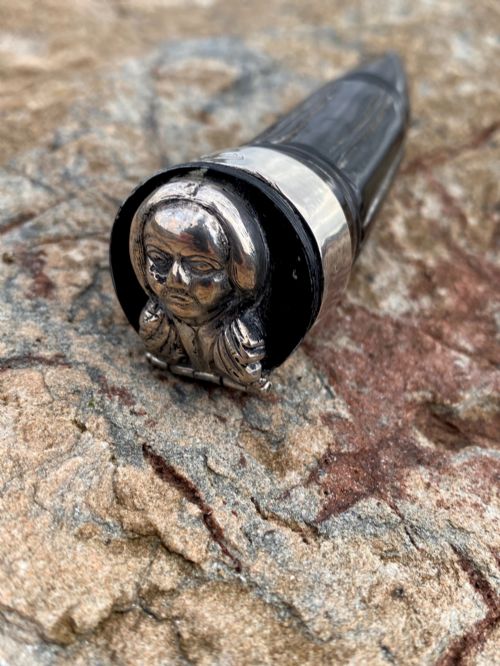
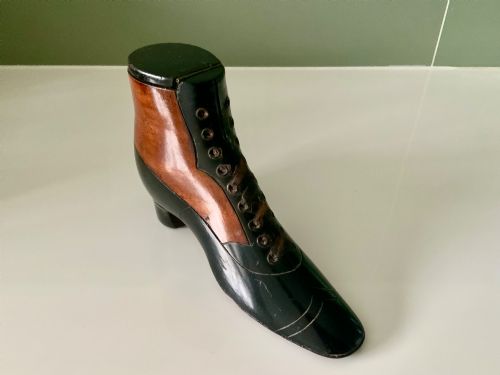
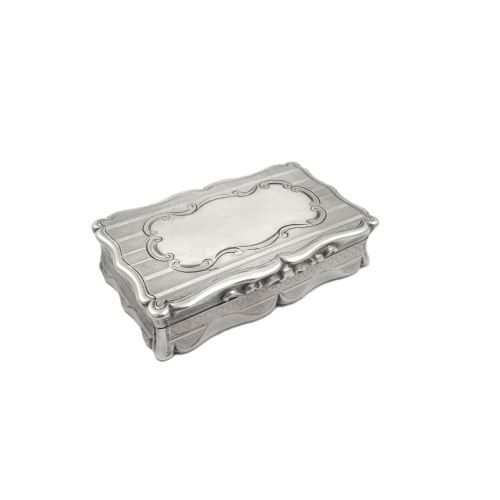
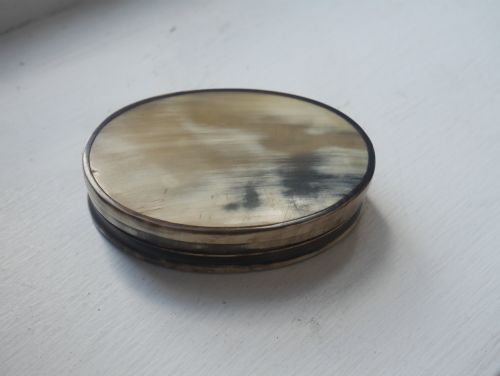
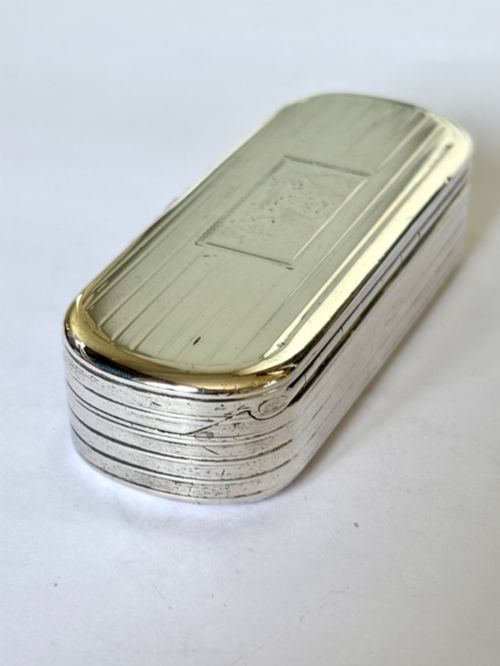
The most frequent examples take the form of silver rectangles, Scottish horn mulls, carved treen shoes and hardwood boxes dated between the eighteen-thirties and the nineteen-tens.
Makers shaped these vessels in Birmingham, London, Chester and Scottish workshops for domestic use.
Materials and Technique
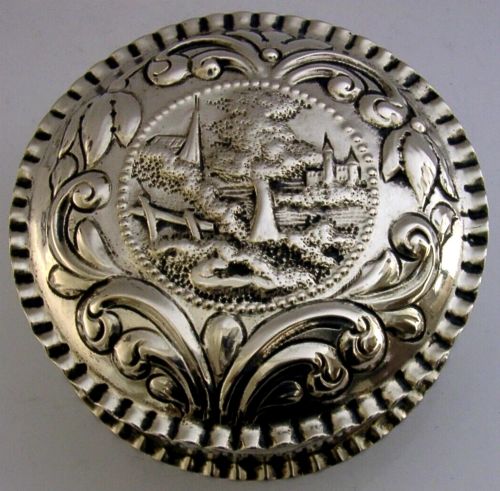
Silversmiths constructed boxes from sterling silver and silver gilt, employing engine turning, engraving and cast castle top lids.
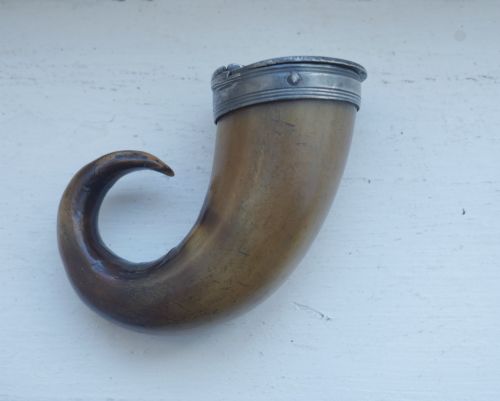
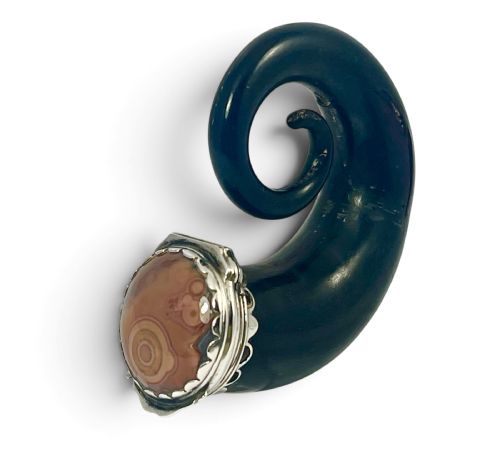
Carvers shaped horn, tortoiseshell, coquilla nut and various hardwoods into smooth pockets and mulls, occasionally mounting them with silver rims and lids.
Specialists applied brass pique work, abalone shell inlays and glass inclusions to timber and metal bodies.
Victorian Snuff Container Retail Price Guide 2026
Typical asking prices for victorian snuff container among the pieces listed under this phrase on Sellingantiques today, from the lower quarter to the upper quarter. They describe what is for sale here now, not the wider market.
Standards of Workmanship
Quality rests upon the crispness of the carving in horn and treen, and the depth of the engraving upon silver surfaces.
Superior containers possess tight hinge actions, clear hallmarks and well-preserved internal gilt washes.
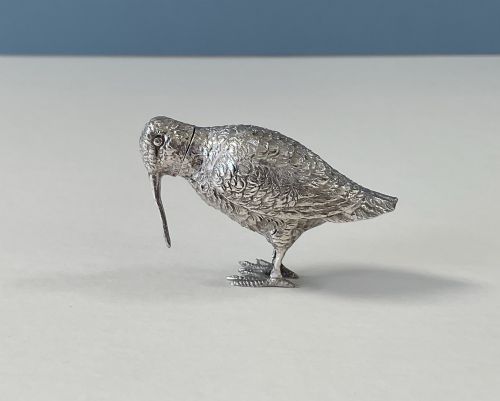
Plain commercial boxes contrast with pieces bearing bespoke inscriptions, articulated novelty forms and intricate specimen wood veneers.
ROBERT THORNTON·Edme Samson Of Paris·ASPREY·Frederick Mason
The Victorian Snuff Container Glossary
- Snuff mull
- A horn container used for holding and dispensing dry snuff, typically fitted with a silver mount or pebble lid. Scottish examples often feature silver thistle hinges.
- Treen
- Small handmade wooden objects produced by turning or carving. These items include shoe-shaped boxes and table containers with rich patination.
- Castle top
- A silver box lid featuring a high relief engraving of a specific building or architectural landmark. Birmingham silversmiths specialised in this technique.
- Pique work
- A method of decorating tortoiseshell or ivory with tiny pins of gold or brass to form geometric or floral patterns. Artisans tapped the metal points directly into the warmed material.
- Silver gilt
- Sterling silver coated with a thin layer of gold on the interior or exterior. This treatment protected the silver from the corrosive properties of tobacco.
Victorian Snuff Container: Frequently Asked Questions
What is a snuff mull?
A snuff mull is a horn container used for holding and dispensing dry snuff, originating primarily in Scotland. These pieces utilise natural ram horns fitted with silver mounts and lids.
Mulls were carried in the pocket or placed on tables during gatherings for communal sharing. The horn provided a durable enclosure that kept the tobacco dry.
How do I identify a silver date?
Makers stamped silver containers with hallmarks indicating the assay office, such as Birmingham or London, alongside a date letter. These marks verify the year of production.
Examination of the hallmarks under magnification reveals the specific monarch's head and city mark used during the nineteenth century.
What is treen?
Treen refers to small utilitarian wooden objects formed by turning on a lathe or carving by hand. Common nineteenth-century examples include shoe and foot snuff boxes.
These pieces developed a rich patina over decades of handling. Woods like boxwood, amboyna and coquilla nut provided dense surfaces for detailed carving.
Why are some boxes shaped like shoes?
Shoe and slipper snuff boxes represent a popular style of folk art produced during the Victorian period. Carvers utilised hardwoods, tortoiseshell and bone for these novelty forms.
Owners kept them in pockets or displayed them on tables as conversation pieces. The toe often hinged open to release a pinch of tobacco.