

Victorian Slope Top Desk
When you search for a victorian slope top desk, you are looking at practical writing furniture designed for private correspondence and study.
Victorian Slope Top Desk
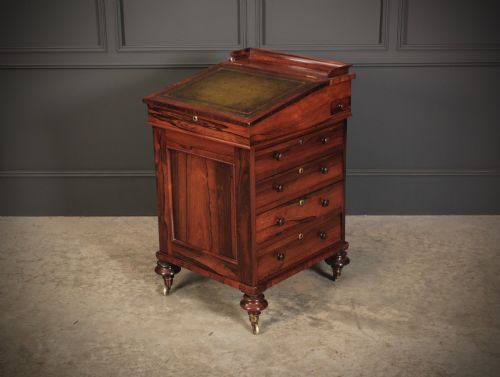
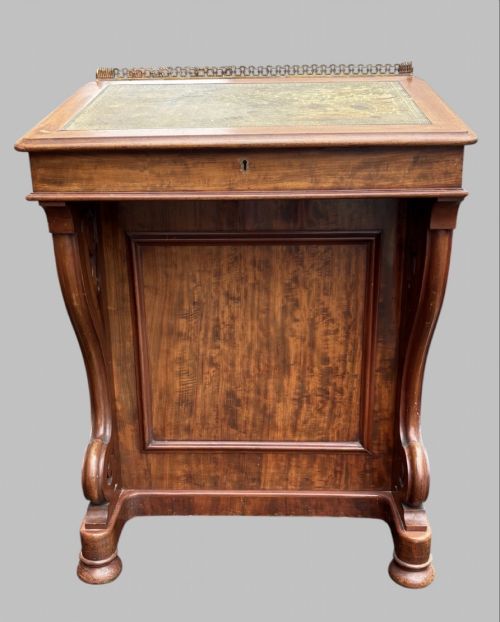
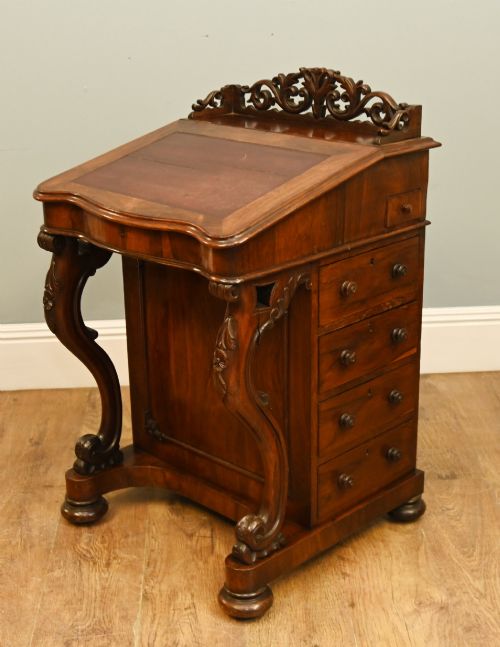
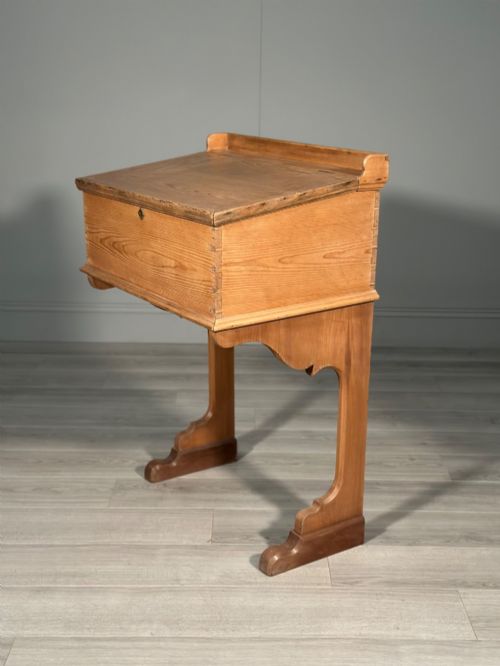
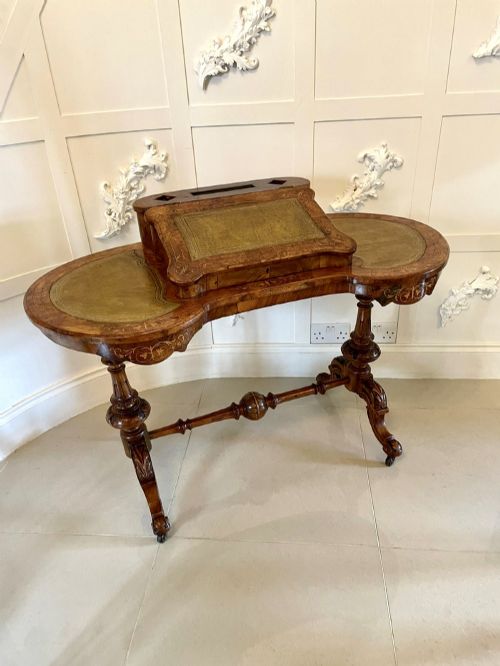
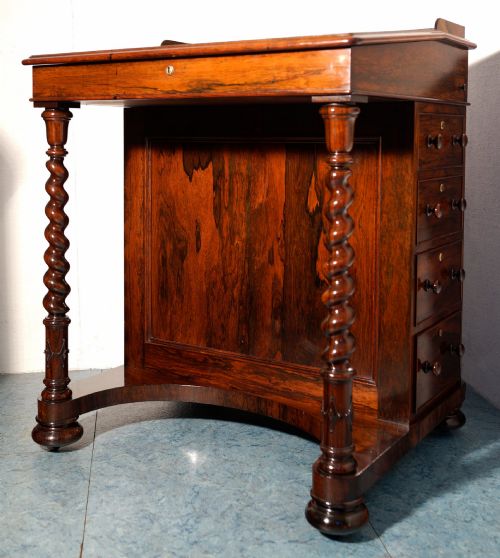
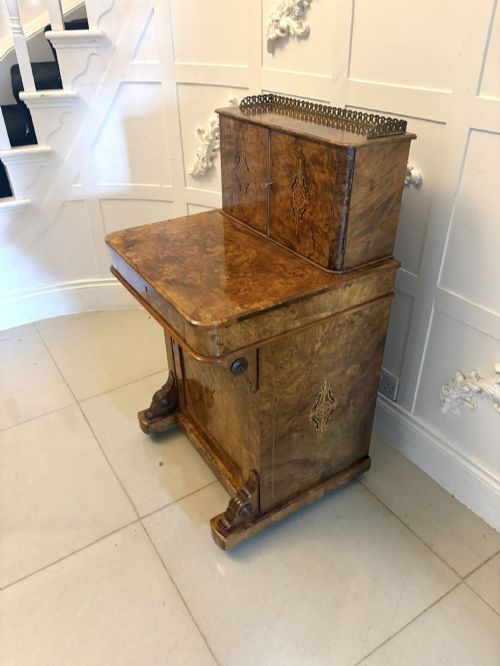
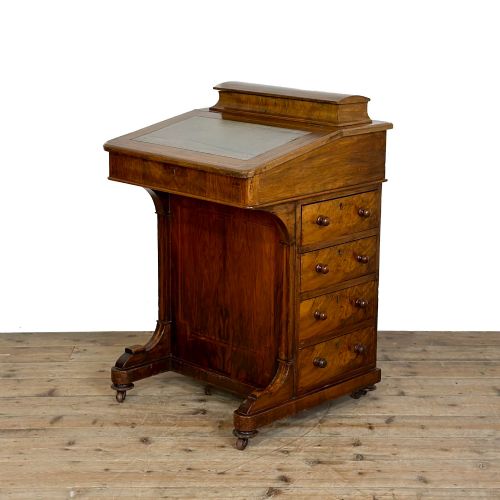
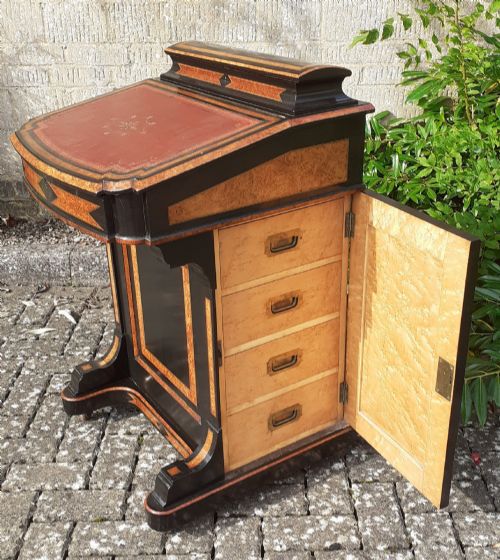
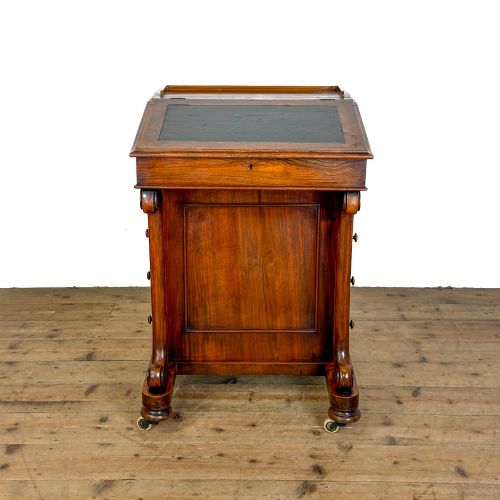
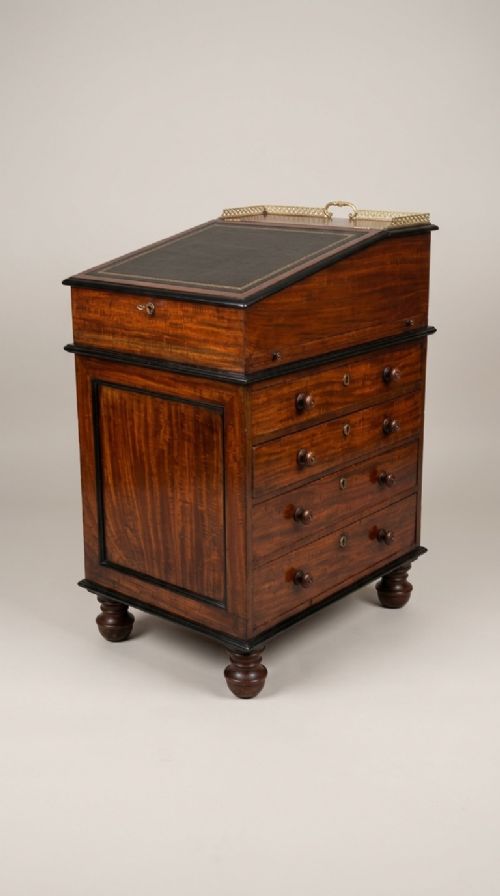
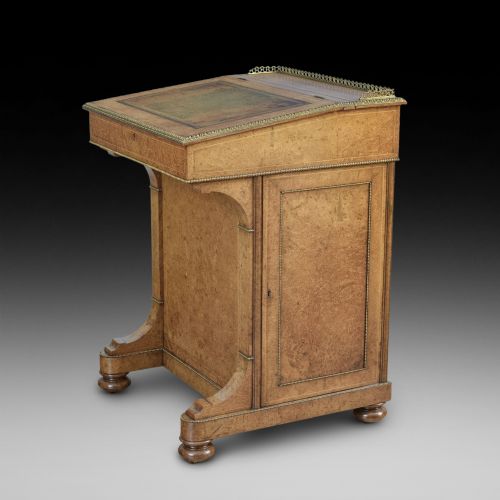
A victorian slope top desk covers a variety of compact writing furniture from the nineteenth century, most frequently appearing as Davenport desks, sloping stationary boxes, and bureau desks. These pieces emerged from periods spanning the early nineteenth century through to late Victorian decades, incorporating William IV and Regency influences alongside classic Victorian designs.
The evidence shows forms ranging from pedestal writing tables and Dickens desks with multiple drawers to portable campaign writing slopes in camphor wood and mahogany. Buyers most commonly encounter walnut, burr walnut, and mahogany examples equipped with hinged sloping writing surfaces and fitted internal compartments.
Materials and Construction
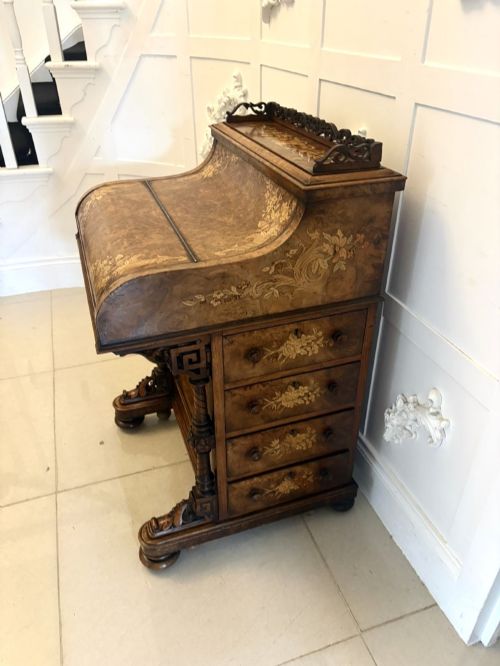
Cabinet makers utilised dense hardwoods including mahogany, oak, rosewood, and walnut, frequently selecting highly figured burr walnut, amboyna, and ebonised finishes for decorative effect. Surfaces often feature inlaid details, brass mounts, and crossbanded borders.
Internal components incorporate secondary timbers and satinwood for drawers, while functional elements utilise brass hinges, locks, and leather writing inserts. Construction methods reflect traditional nineteenth century cabinet making traditions, ranging from portable tabletop slopes to heavy pedestal units.
Victorian Slope Top Desk Retail Price Guide 2026
Typical asking prices for victorian slope top desk among the pieces listed under this phrase on Sellingantiques today, from the lower quarter to the upper quarter. They describe what is for sale here now, not the wider market.
Listings demonstrate that Victorian slope top desks span multiple decades from 1840 to 1900, incorporating materials from standard mahogany and oak to exotic amboyna and camphor wood.
Craftsmanship and Selection
Quality rests upon the choice of timber veneer and the precision of cabinet joinery, particularly in the figuring of burr walnut and amboyna surfaces. Superior examples display careful crossbanding, intact inlay, and matching grain patterns across secondary drawers.
Hardware and interior appointments also define the grade of a piece, with fine brass mounts, functioning original locks with keys, and satinwood lined desk interiors marking out superior nineteenth century workshops.
Gillows of Lancaster·Maple and Co·Pairs MFG Co
The Victorian Slope Top Desk Glossary
- Davenport desk
- A compact nineteenth century writing desk featuring a sloping lid on top of a pedestal of drawers. This form provides a stationary compartment and a sloped writing surface combined into a single piece of furniture.
- Dickens desk
- A large partner style or single sided writing desk with banks of small drawers set above the main writing surface. These desks are frequently associated with the Victorian period.
- Writing slope
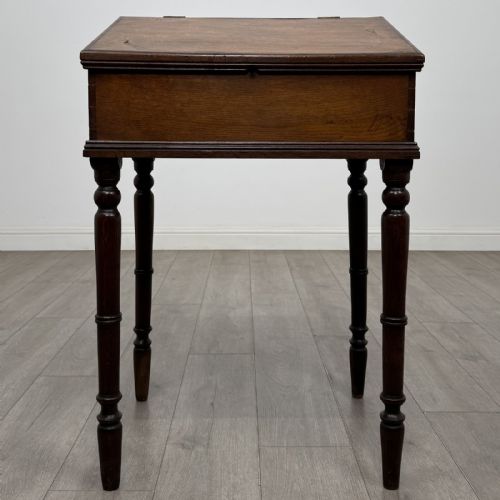
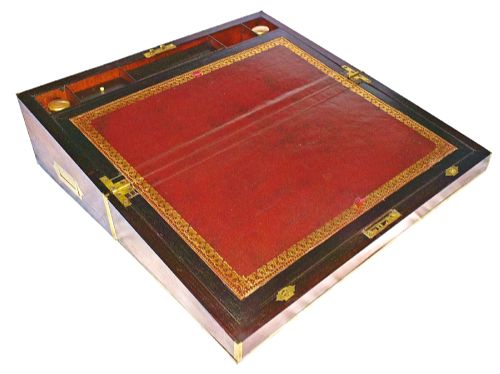
- A portable or stationary box with a hinged sloping lid that opens to reveal a velvet or leather lined writing surface and small storage compartments for ink and pens. Examples in the evidence utilise mahogany and camphor wood.
- Crossbanding
- A decorative border technique where thin strips of veneer are applied to the edges of a surface so the grain runs perpendicular to the main panel. This method highlights the craftsmanship of Victorian cabinet makers.
Victorian Slope Top Desk: Frequently Asked Questions
What is a Davenport desk?
A Davenport is a compact Victorian desk featuring a sloping, hinged writing surface above a pedestal of side drawers. The top often incorporates a stationary well for pens and ink.
These pieces were designed for domestic correspondence and take up considerably less floor space than a traditional library table.
How do I identify a Victorian slope top desk?
Look for nineteenth century stylistic markers such as burr walnut veneers, brass hardware, mahogany construction, and fitted satinwood interiors. Dates typically range from the 1840s through to the late Victorian era.
Forms vary from tabletop campaign writing slopes to large pedestal bureau desks and Dickens desks with tiered superstructures.
What woods were used for these desks?
Cabinet makers predominantly utilised mahogany, walnut, and oak, alongside decorative veneers of burr walnut, amboyna, and rosewood. Olivewood and camphor wood also appear on specific regional or portable items.
Inlays and crossbanding in lighter woods frequently accent these primary dark timbers.
Were these desks used for travel?
Some slope top forms, specifically campaign writing slopes and table top reading stands in camphor wood or mahogany, were built for portability during nineteenth century travel. They featured secure brass mounts and internal locking compartments to protect documents.
Larger Davenport desks and pedestal writing tables were stationary items intended for static placement in studies and drawing rooms.