


Victorian Slide Storage
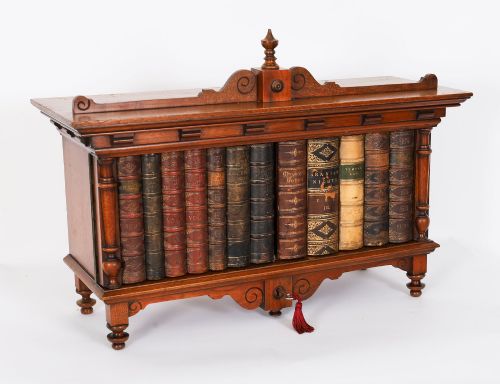
These Victorian slide storage cabinets and chests offer precise compartments for natural specimens.

Victorian Slide Storage
When you search for victorian slide storage, you encounter specialised collector cabinets designed for microscope slides, alongside furniture featuring functional sliding shelves and boards.
The material record includes mahogany, walnut, pine, and satinwood inlay, often paired with brass hardware and glass elements.
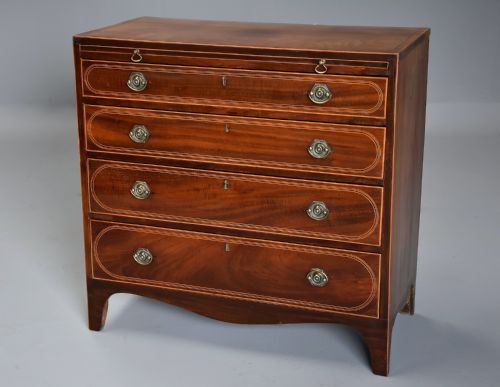
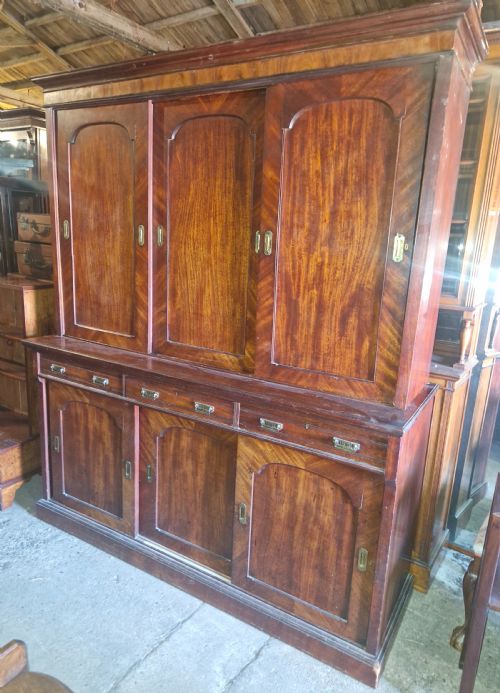
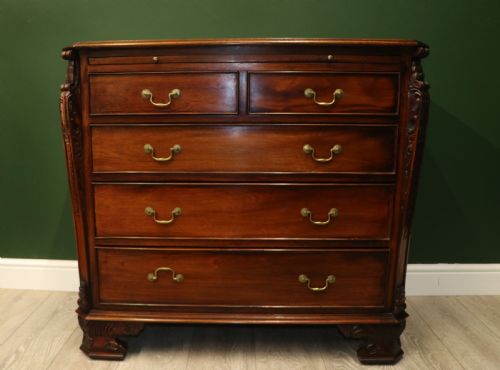
Forms range from small tabletop cabinets containing numerous shallow drawers to large country house estate office cabinets and chests of drawers fitted with brushing slides.
What varies in quality
The standard of timber selection and the precision of the internal drawer fit distinguish exceptional specimens from standard utility furniture.
Superior examples exhibit fine secondary woods, intact brass handles, and well-preserved glass components that indicate careful original commissioning.
One listed specimen cabinet arrives complete with two hundred and eighty historical slides ready for inspection.
Druce & Co
The Victorian Slide Storage Glossary
- Brushing slide
- A pull-out board integrated into a chest of drawers, historically used for folding linen or temporarily placing items.
- Collector cabinet
- A dedicated piece of furniture designed to organise and protect small scientific specimens or objects.
- Specimen cabinet
- A multi-drawer enclosure built to house scientific collections, often featuring specialised shallow trays.
- Tabletop cabinet
- A compact storage unit proportioned to sit on a desk or table rather than stand independently on the floor.
Victorian Slide Storage: Frequently Asked Questions
What fits inside these cabinets?
These cabinets house thin glass microscope slides, small natural history specimens, and flat collectibles within their shallow drawers.
Buyers often utilise the compartmentalised interiors to organise small items safely.
Are all these cabinets for slides?
The selection includes dedicated microscope slide storage alongside chests of drawers that incorporate pull-out brushing slides.
Examine the internal drawer depths to determine whether a piece was built for scientific slides or general domestic use.
What timbers were used?
Constructors predominantly used mahogany and walnut, occasionally accented with satinwood inlay and supported by brass hardware.
Pine appears in utilitarian pieces and dresser bases associated with the period.
How do I date these pieces?
Dating relies on timber choice, construction methods, and stylistic cues pointing to the nineteenth century.
Many specific slide cabinets date from around eighteen ninety, reflecting the Victorian popularity of amateur microscopy.