


Victorian Silverplate Holders
Victorian silverplate holders bring functional elegance to the table, offering durable metalwork shaped into candlesticks, toast racks, and cruet sets.
Victorian Silverplate Holders
Victorian silverplate holders encompass a practical array of dining and desk accessories produced throughout the nineteenth century. When you search for victorian silverplate holders, you encounter items designed for specific domestic tasks such as holding candles, toast, cruets, and spoons.
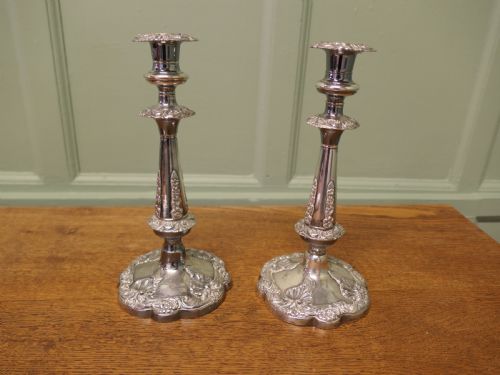
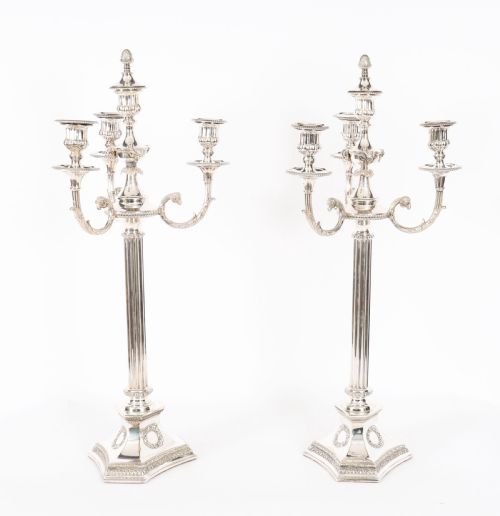
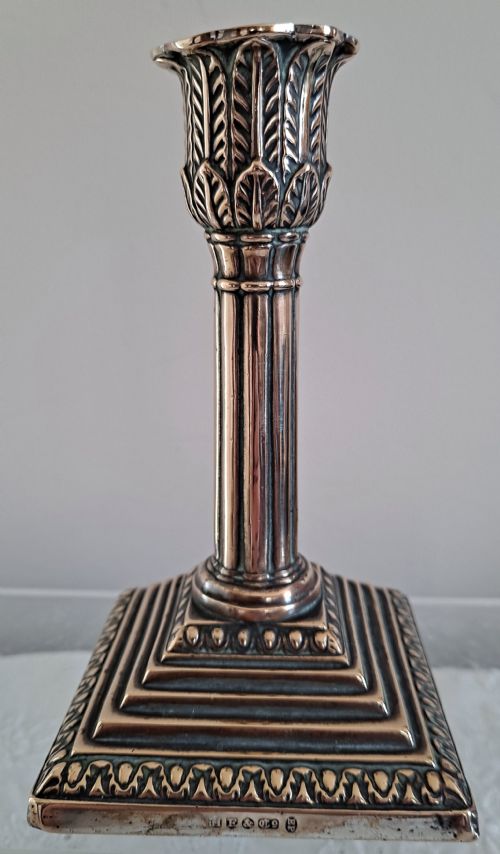
The selections on this page span the Victorian era, including pieces from the middle and late nineteenth century alongside related Edwardian examples. Forms range from simple single candlesticks to complex multi-light candelabra and centrepieces.
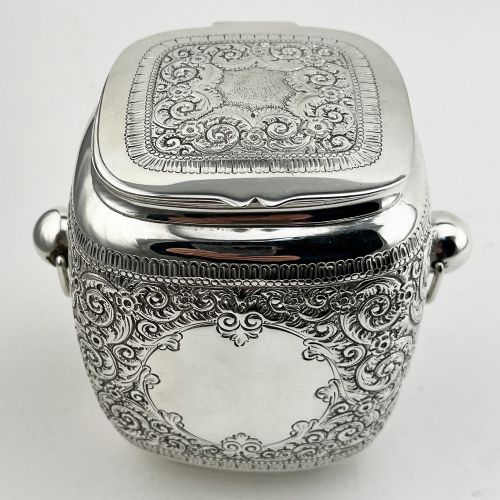
Makers utilised various functional designs, from sauce boat shaped spoon warmers to asparagus dishes and tea caddies. These objects reflect the formal dining habits of the period, combining base metal cores with silver plating.
Materials and construction
Manufacturers built these pieces using base metals, copper, and nickel silver as a foundation for silver plating. This combination provided the visual appeal of solid silver alongside structural stability for heavy items like candelabra.
Advanced electroplating techniques, often associated with marks such as EPNS, allowed makers to apply thin layers of silver evenly across complex forms. Cut glass was also integrated into designs like cruet sets to hold condiments securely.
Listings feature items spanning the Victorian period through to the Edwardian era, utilising materials including copper, nickel silver, and cut glass.
Assessing quality and design
Quality in these items is determined by the crispness of cast ornamentation and the proportion of the design. Elaborate styles like Victorian Rococo Revival and Classical Revival demand high skill in metal shaping and decorative detailing.
The reputation of the maker influences the standing of a piece, with firms like Elkington producing substantial works featuring sculptural elements such as cherubs. Weight, balance, and the integration of components like cut glass elements also differentiate standard items from more important productions.
Martin Hall & Co·Smith & Sissons & Co·Elkington
The Victorian Silverplate Holders Glossary
- EPNS
- Electroplated Nickel Silver. This denotes a base metal of nickel silver coated with a layer of silver through an electrical process.
- Candelabra
- Branching candle holders. These larger items often feature multiple lights and can serve as table centrepieces.
- Cruet set
- A collection of glass bottles for condiments mounted in a metal frame. They were essential for nineteenth-century dining tables.
- Toast rack
- A small metal frame with vertical dividers. It was used to hold slices of toast upright during breakfast.
- Spoon warmer
- A specialised vessel designed to hold hot water and warm spoons before serving. They often took whimsical shapes such as sauce boats or shells.
Victorian Silverplate Holders: Frequently Asked Questions
What are victorian silverplate holders made from?
These items use a base metal foundation, such as copper or nickel silver, which is then plated with silver. Some pieces also incorporate cut glass sections for specific functions like cruet sets.
Electroplating techniques allowed manufacturers to cover complex shapes evenly while maintaining structural durability.
How were toast racks used?
Toast racks held crisp slices of toast upright on the breakfast table to prevent them from becoming soggy. The metal dividers kept each piece separated.
They formed a standard part of nineteenth-century dining table arrangements alongside tea caddies and cruet sets.
What is a spoon warmer?
A spoon warmer is a specialised table vessel filled with hot water to keep serving spoons warm before use. They often appeared in unusual forms such as shells or sauce boat shapes.
These pieces reflect the formal and elaborate nature of Victorian dining customs.
How do I identify a candelabra?
A candelabra is a branched lighting fixture designed to hold multiple candles simultaneously. Larger examples from this period could also function as table centrepieces.
They often feature decorative styles like Victorian Rococo Revival or Classical Revival with cast ornamentation.
How do I care for silverplate?
Silverplate requires gentle cleaning with appropriate metal polishes to avoid wearing through the thin silver layer to the base metal underneath. Regular dusting and careful handling preserve the finish.
Storing pieces in dry environments prevents tarnishing and protects any integrated cut glass components.